France’s "Too Expensive" Myth — Where Yield Still Lives
France’s high‑price reputation hides yield pockets in secondary cities and overlooked neighbourhoods; focus on DPE, local rents and micro‑market analysis to align lifestyle with cashflow.

Imagine stepping out at 9am to buy pain au chocolat on Rue des Martyrs in Paris, then hopping a 90‑minute TGV to a long, quiet lunch in Lyon. France offers both postcard moments and efficient mobility, but its reputation as uniformly "too expensive" masks sharp micro-market differences that matter for investors. This guide untangles lifestyle allure from real yield realities and shows where risk‑sensitive buyers can find value without sacrificing the French life.
Living the France lifestyle — city streets, markets, coastlines

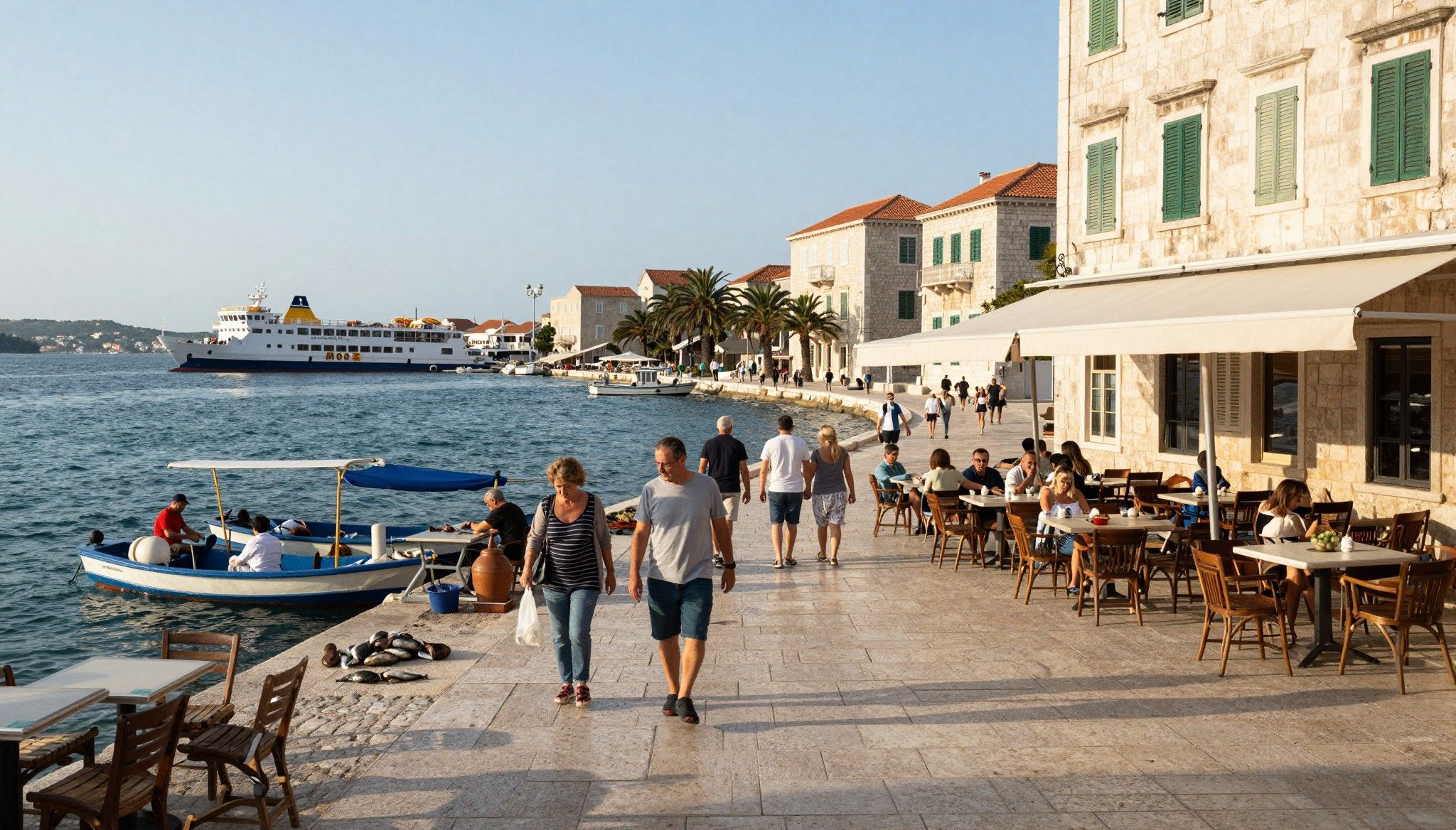
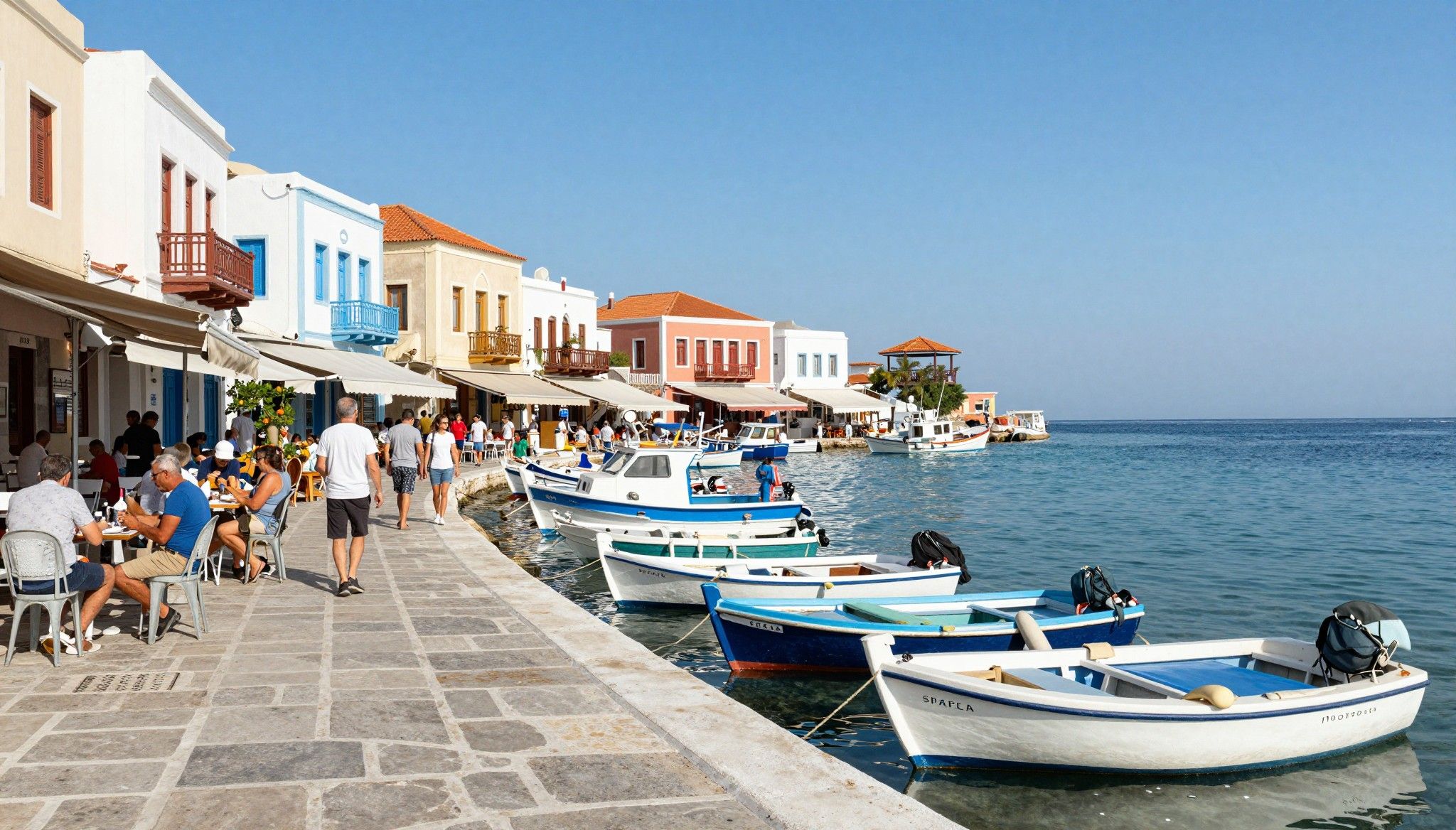
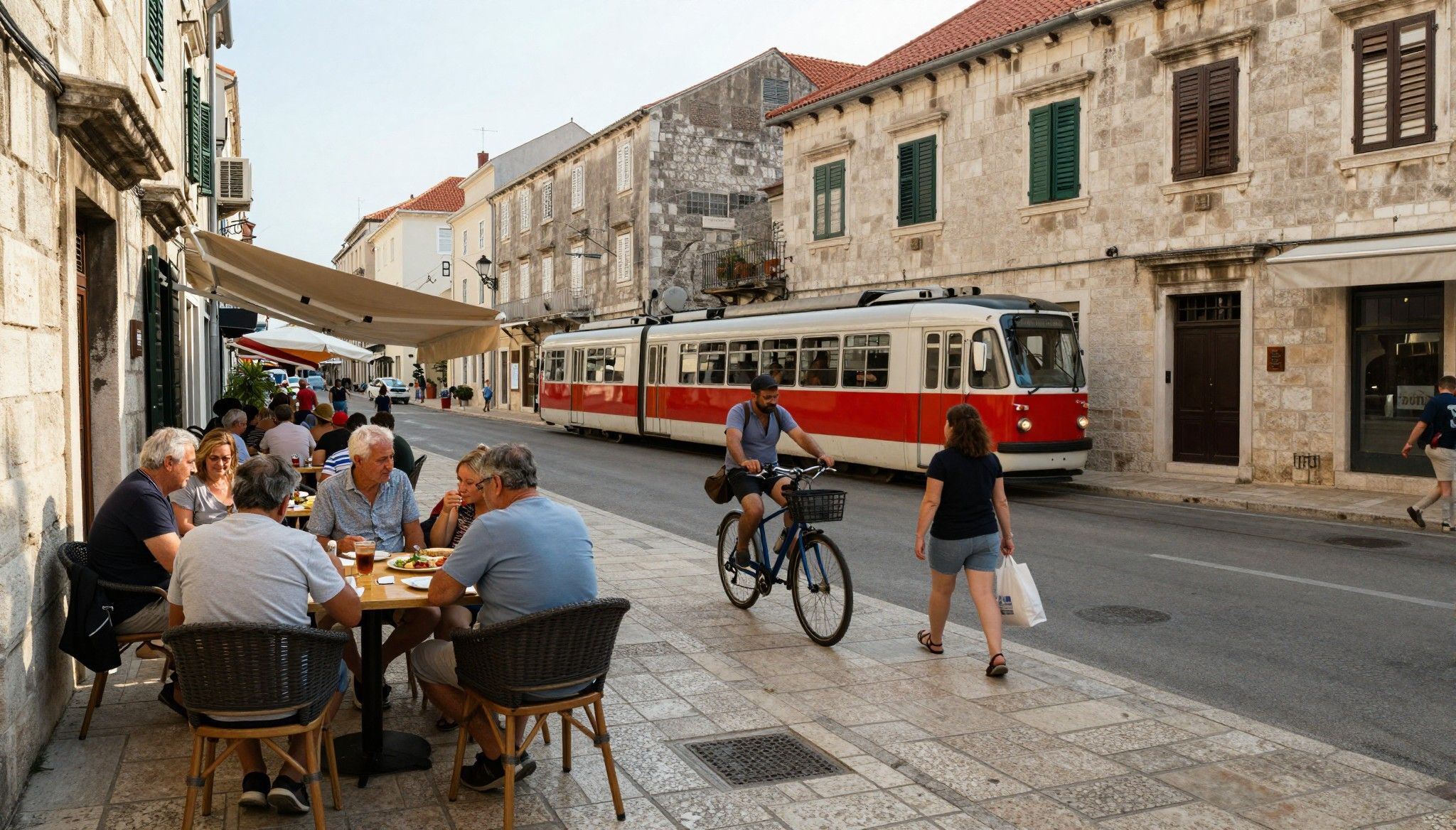
France’s daily rhythm blends ritual and convenience: morning markets where stallholders know your name, long café lunches, and compact historic centres designed for walking. Each region reads differently — the intimate arrondissements of Paris, the terrace cafés of Lyon’s Croix‑Rousse, the rough‑polished port life of Marseille, and the sunlit vineyards outside Bordeaux. For buyers, the question isn’t whether France is charming, it’s which charm aligns with repeat rental demand or long‑term occupancy.
Paris, but not all of Paris
Paris is a study in extremes: central arrondissements can demand €10k+/m² while outer quartiers remain comparatively affordable. High demand and low yields make Paris attractive for capital preservation, not necessarily for cash returns. Data from 2025 show clear per‑arrondissement gaps — a reminder that city‑level averages hide investible pockets in suburbs and commuter towns that feed Parisian rental markets.
Secondary cities doing the heavy lifting
Grenoble, Toulouse, Marseille and some university towns regularly out‑yield Paris by 100–200 basis points. These cities combine steady tenant demand — students, professionals in tech/aerospace, local employers — with comparatively lower price per m². For income‑focused investors, this is the core contradiction: France is expensive in headline stories, but pockets of durable yield persist in the mid‑sized urban centres.
- Lifestyle highlights: street markets, cafés, coast & countryside
- Marché Raspail (Paris) for weekend produce and consistent short‑let demand
- Vieux Port (Marseille) — maritime culture and year‑round rental interest
- Rue de la République, Lyon — food scene that supports hospitality lets
Making the move: practical considerations that preserve lifestyle and yield

Dreams meet balance sheets at offer stage: mortgage costs, energy performance requirements and short‑let rules all reshape net yield. Recent INSEE and notarial releases show a stabilising market after 2024‑25 adjustments, which means timing, location and property type drive risk more than national headlines. Treat headline price moves as background noise and focus instead on rent per m², vacancy rates, and renovation budgets specific to the postcode.
Property types and where they make financial sense
Compact furnished apartments near universities or transport hubs often deliver the strongest net yields thanks to higher per‑sqm rents and LMNP tax regimes. Larger family homes perform better in suburban commuter belts where long leases reduce turnover. New builds limit renovation surprises but command a premium — older stock offers upside after energy upgrades, provided DPE (energy performance) compliance is achievable.
Working with local experts who match lifestyle and numbers
An agent who knows lifestyle drivers — which cafés fill up in winter, which commuter towns attract young families — is more valuable than a national listing portal. Ask agencies for granular rental comparables, recent DPE certificates, and neighbourhood vacancy statistics. Use local notaires for legal certainty on title and inheritance rules; their insight into transaction timings materially reduces execution risk.
- Practical steps that blend lifestyle and prudence
- 1) Identify 3 micro‑markets (by postcode) that match your tenant profile and lifestyle wish list.
- 2) Request recent rents and DPE scores from local agents; run net yield models including renovation.
- 3) Use a notaire to confirm title, servitudes, and any local planning constraints before offer.
Insider knowledge: red flags, myths and seasonal timing that change risk
Two myths kill good decisions: that France is uniformly unaffordable, and that short‑lets always trump long lets. In many cities, rent caps (encadrement des loyers) and stricter short‑let rules mean operating assumptions must be conservative. Energy‑inefficient properties (DPE F/G) are an increasing liability; budgeting for upgrades is no longer optional if you expect consistent rental income.
The neighbourhood everyone avoids (and why it can be an opportunity)
Areas dismissed for being "industrial" or "unfashionable" often deliver the best entry yields when they are within 30–45 minutes of a major employment centre. These neighbourhoods typically show lower acquisition prices, improving transport links, and municipal regeneration plans. The investor risk is political and social — mitigate it with local rent comparables and a 3–5 year exit plan tied to infrastructure improvements.
When seasonality is an advantage, not a trap
Coastal towns can show volatile short‑let income but steady winter occupancy for remote workers and retirees. Conversely, student cities see predictable seasonal cycles with high occupancy during term and lower demand on long holidays, which an LMNP furnished strategy can smooth. Match the property type to the seasonality profile and underwrite worst‑case vacancy for 3 consecutive months when modelling.
- Red flags checklist before you bid
- No recent DPE certificate or refusal to share past 3 years of rents
- Unexplained legal encumbrances in the notaire’s preliminary report
- Local supply shock (new build pipeline >5 years’ worth of demand)
Longer term, France rewards buyers who treat property as an asset class. Diversify across micro‑markets, prioritise cashflow‑positive assets in secondary cities, and build a conservative renovation buffer for energy works. When lifestyle and yield are both goals, prioritise places where the cultural draw supports year‑round tenancy rather than seasonal spikes.
Next steps: shortlist three postcodes, request DPE and rent rolls, and secure a local notaire and property manager for up‑front quotes. A measured, data‑driven approach turns the "France is too expensive" headline into a map of targeted opportunities where lifestyle and returns coexist. If you want, we can model net yields for three French micro‑markets based on your target gross yield and renovation budget.
Swedish financier who guided 150+ families to Spanish title deeds since relocating from Stockholm in 2012, focusing on legal and tax implications.