France: A Risk‑Sensitive Lifestyle & Yield Playbook
France pairs effortless lifestyle with nuanced yield tradeoffs; use scenario testing, energy diagnostics and local regulation checks to protect returns.

Imagine sipping espresso at 8 a.m. on Rue Montorgueil, the baker’s window steaming as the city wakes — then stepping into a compact, well‑insulated apartment whose annual rent covers your mortgage. France blends effortless daily charm with quietly disciplined property mathematics; the trick for international buyers is separating postcard romance from rent-roll reality.
Living the France lifestyle: scent, street and season

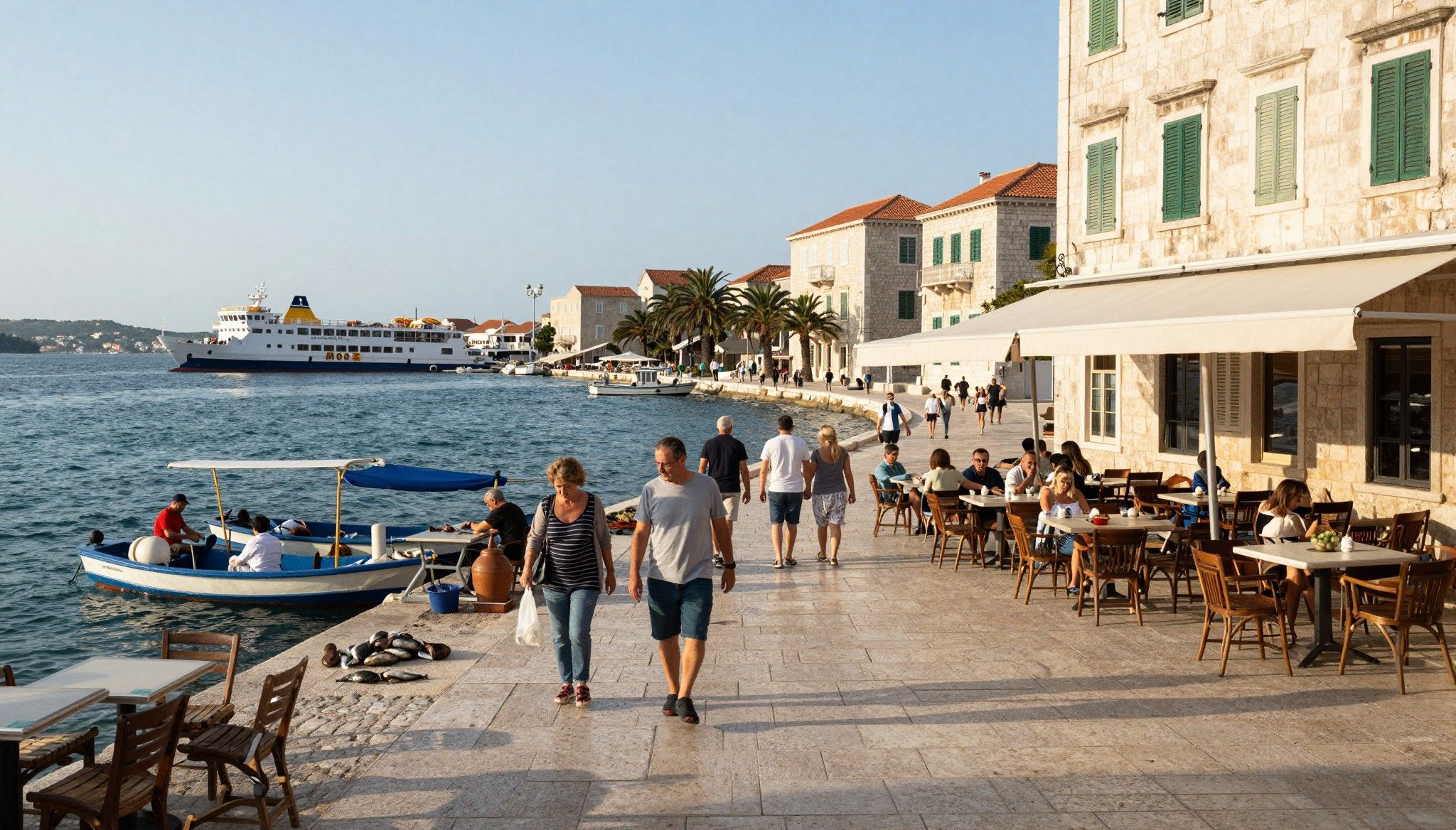
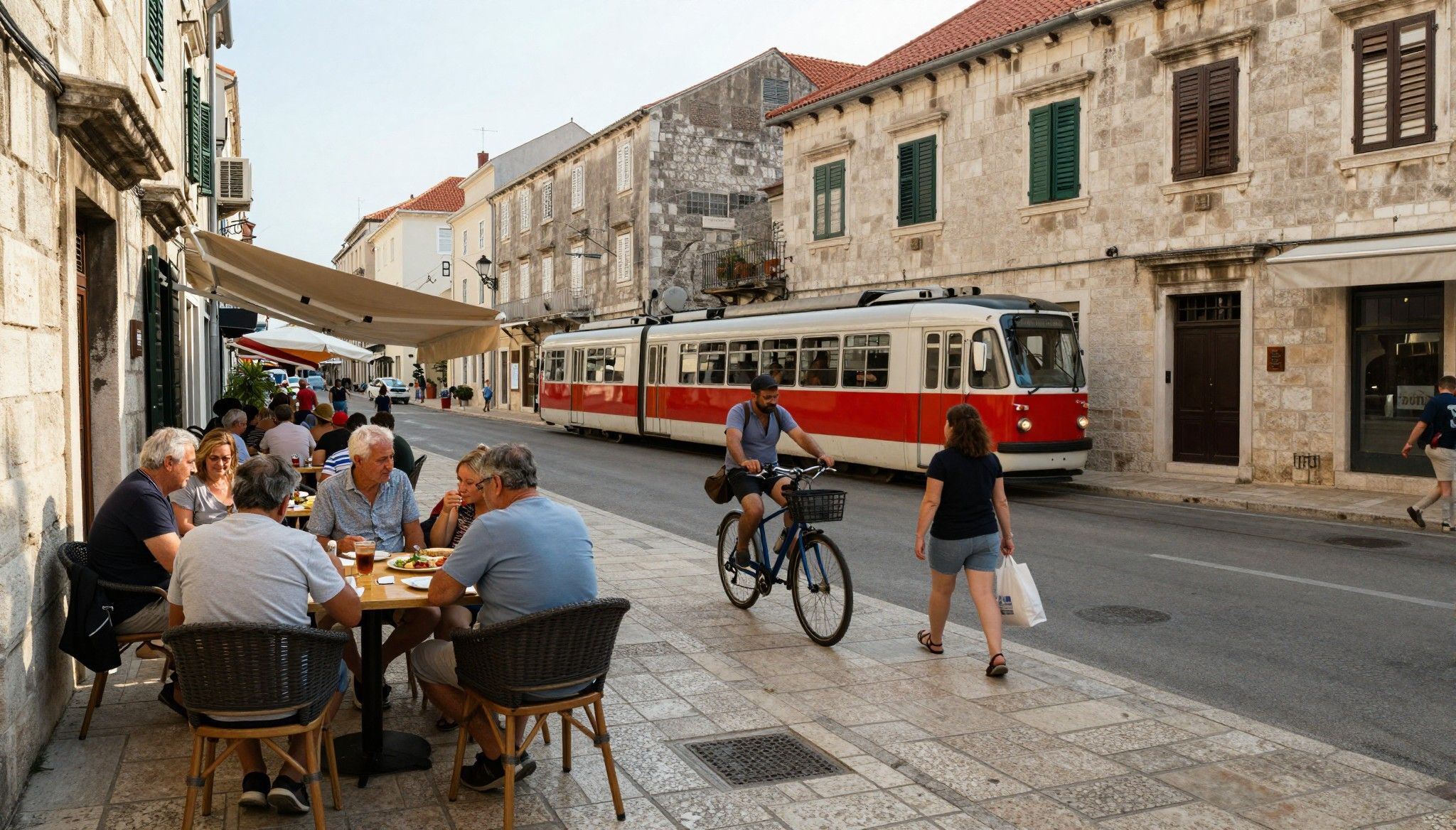
France is many lives in one country. In Paris, mornings are espresso, rapid transit and compact flats; in Bordeaux and Lyon, after‑work terraces and local wine shape evenings; on the Côte d’Azur, outdoor living dominates; in rural Occitanie, weekly markets define weekends. The lived rhythm matters because it drives what tenants want, when properties rent and which features actually pay off in yield calculations.
Paris: density, liquidity and rental pressure
Paris remains Europe’s deepest residential market; turnover is high and capital appreciation is consistent in core arrondissements. But yields compress: typical gross yields for Paris apartments sit lower than most regional cities. That tradeoff—liquidity and capital growth versus yield—defines strategy for portfolios that need both cash flow and exit optionality.
Southern cities and towns: seasonal sparkle, steady pockets
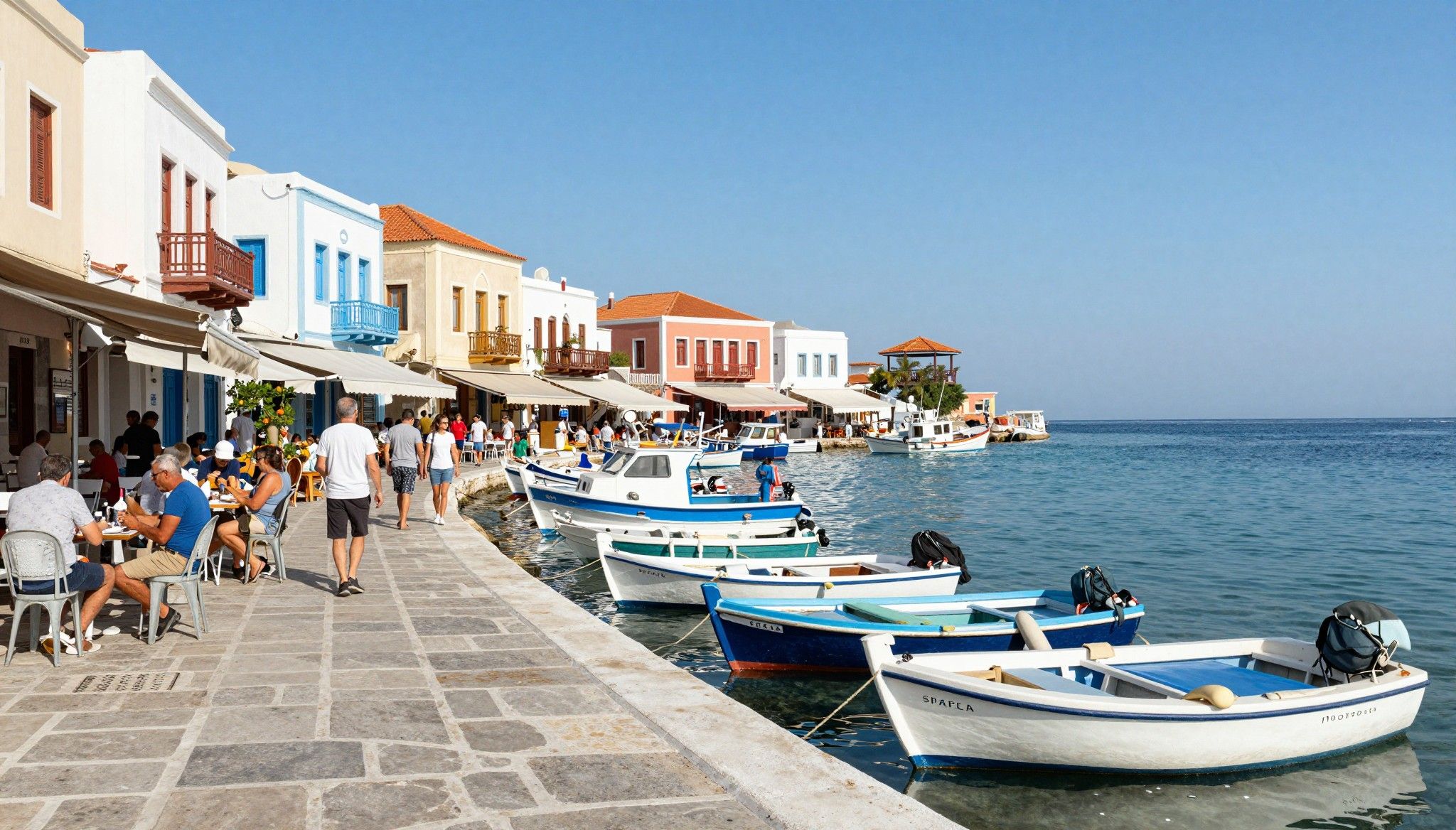
Cities such as Marseille, Montpellier and Nice combine tourism peaks with resident demand. Expect seasonality in short‑let markets, but also neighbourhoods with year‑round rental markets—university districts, port areas and transport hubs. For investors, micro‑location (street, proximity to trains) matters more than the broader region.
- Streets and tastes that matter: Rue Montorgueil (Paris), Vieux‑Port (Marseille), Cours Julien (Marseille), Quai des Chartrons (Bordeaux), Rue de la République (Lyon).
Making the move: practical considerations that preserve lifestyle and yield
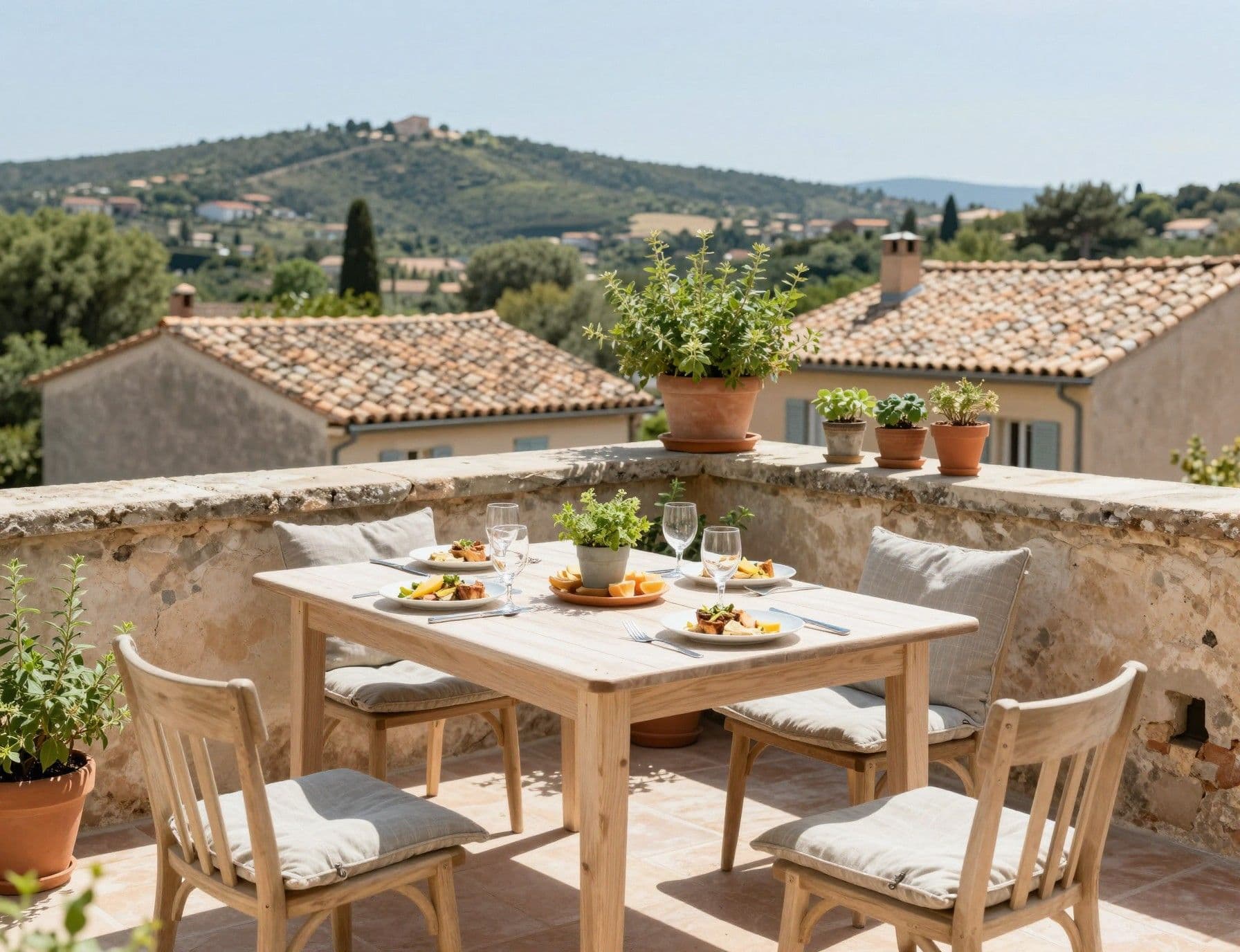
Dreams meet spreadsheets at the offer stage. National data shows transactions and prices stabilising in 2025 after a cautious 2024; that matters because availability and negotiation leverage vary by region. Know whether you are buying for yield (rental income) or appreciation — and let that purpose dictate neighbourhood choices, property type and refurbishment budgets.
Property types: what tenants actually pay for
Historic stone flats with high ceilings command premiums in central cities but incur higher maintenance and energy‑upgrade risk. Newer apartments score on energy labels and lower operating costs. Across France, energy efficiency increasingly influences tenant demand and future rental eligibility—so cap your purchase price against potential renovation costs when modelling net yield.
Working with experts who balance lifestyle and numbers
- Use a local notaire and an agency with cross‑border experience; require actual rent rolls and energy diagnostics (DPE).
- Model total cost of ownership: mortgage, insurance, vacancy, property management, and an energy‑upgrade reserve (often 3–6% of purchase annually).
- Insist on scenario stress‑tests: 0% rent growth, 10% vacancy, 15% refurbishment shock—compare net yields across scenarios.
- Check local short‑let rules: some communes restrict tourist rentals; factor fines and licence costs into your revenue projections.
Insider knowledge: risk, sensitivity and contrarian plays that pay off
Here are three contrarian insights seasoned buyers use: first, suburban pockets near TGV stations often out‑perform coastal holiday towns on net yield once seasonality and management are included. Second, energy‑poor flats (D/G) are sellable today but may be illiquid and expensive to retrofit—treat them as renovation plays, not yield plays. Third, smaller provincial city centres with university demand provide dependable mid‑single‑digit gross yields and lower downside than tourism‑dependent coastal spots.
Risk & sensitivity checklist
- Build three scenarios when underwriting: conservative (0% rent growth, 12% vacancy), base (2% rent growth, 6% vacancy), optimistic (3%+ rent growth, 3% vacancy).
- Stress interest: test +200–500 bps rate shock on mortgage servicing and run sensitivity on net cash flow.
- Local policy risk: map communes with active short‑let regulation (Paris, some Alpine and coastal towns) and cap potential revenues if licences are limited.
A contrarian neighbourhood worth checking
Consider districts adjacent to transport hubs that locals avoid because they’re 'noisy'—these streets often deliver higher initial yields and improve rapidly when infrastructure is upgraded. Example: areas surrounding tertiary stations in Lyon or Bordeaux suburbs where regeneration projects and new tram lines are recent. The lifestyle tradeoff (noise today for higher returns and future capital gains) can suit investors who price in a 3–7 year horizon.
What expats wish they’d known: daily realities that change the numbers
Expats often underestimate small frictions that alter returns: commune parking rules, bin collection schedules that affect short‑let reviews, and seasonal utility spikes for older buildings. Social integration matters: tenants prefer hosts who can manage bilingual issues quickly — local agencies with English‑speaking teams reduce vacancy and friction costs.
Language, community and property management
Hiring a management company that understands both local tenant law and international expectations reduces effective vacancy. Ask potential managers for historical turnover rates, average time-to-let, and sample contracts; these operational figures change net yield more than a few percentage points in headline rent.
Long-term lifestyle and portfolio fit
If France is a lifestyle tilt in your portfolio, align purchase size and location to how often you’ll visit. Properties you occupy frequently tolerate higher running costs for comfort; pure yield plays must prioritise tenant appeal, low maintenance and clear exit routes.
- Quick checks before bidding: DPE energy rating, recent syndic minutes, local short‑let restrictions, confirmed transport projects, and three independent rent comparables.
- Step-by-step offer playbook: 1) run three financial scenarios, 2) commission a local technical survey, 3) secure mortgage pre-approval with rate stress test, 4) include conditional clauses for transfer of rental contracts or furnishings.
Conclusion: France gives you stories to live and numbers to trust. Fall for the market’s cafés, festivals and coastline; then underwrite deals to protect returns. Start with one neighbourhood, test with a conservative scenario, and let local experts translate lifestyle into sustainable yield.
Norwegian market analyst who relocated from Oslo to Mallorca in 2016, guiding Northern buyers through regulatory risk, currency hedging, and rentability.