Rethinking France: Where Returns Outplay the Riviera
France’s romance masks divergent investment realities — use scenario stress tests, local notarial data and energy compliance checks to protect yield.

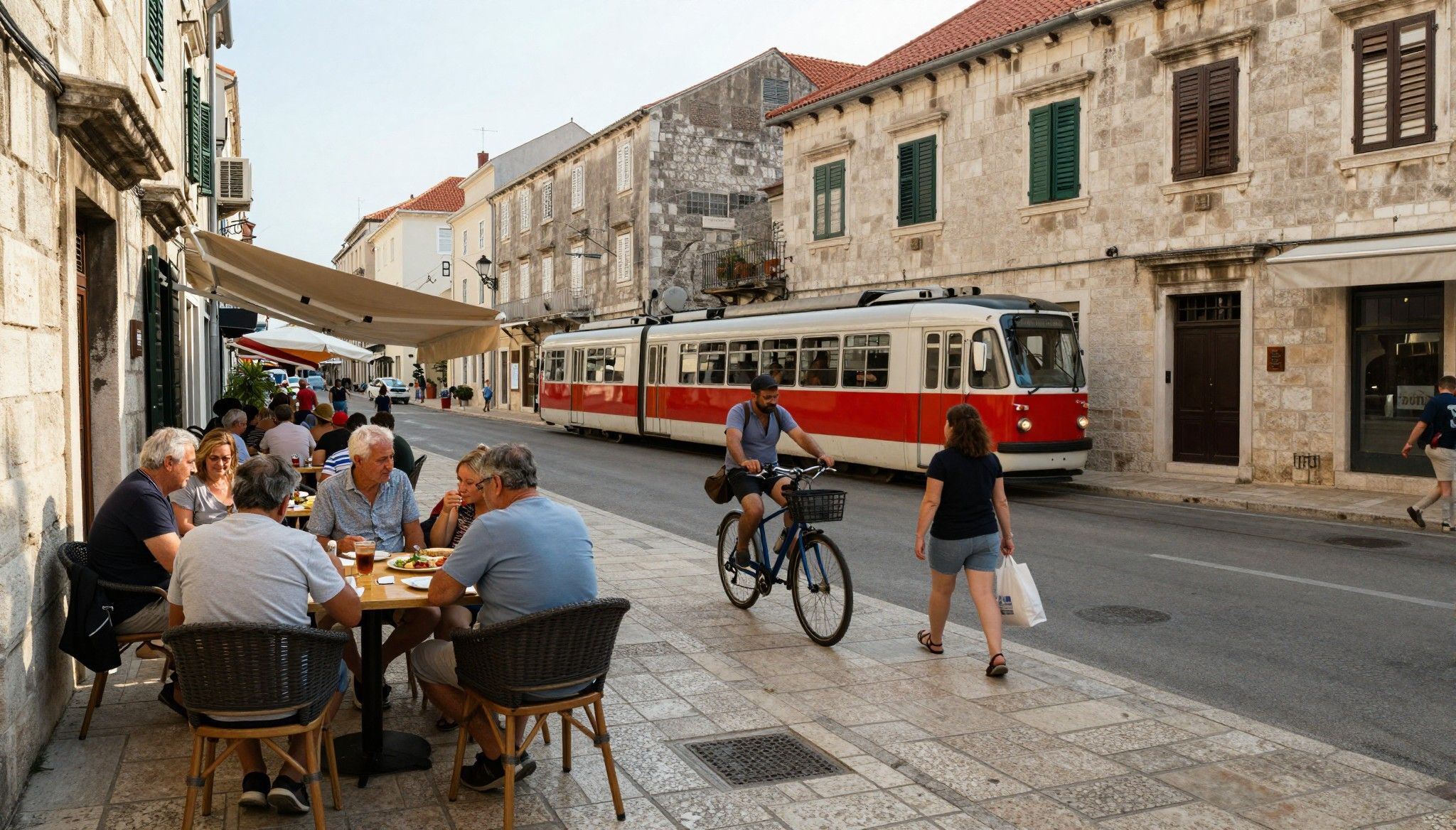
Imagine an early morning in Lyon: boulangeries steaming, cyclists threading narrow streets, and a two-bedroom apartment above a café that rents easily to young professionals. That tactile scene is why people fall for France. But for international buyers who must turn affection into returns, the question isn't just "Do I love it?" — it's "How resilient is this market under stress?" Evidence from INSEE and notarial indices shows regional splits, seasonal distortions and rising policy constraints that materially change yield expectations. See how lifestyle maps to risk and where the numbers quietly favour diverging strategies.
Living the France Lifestyle — then check the numbers
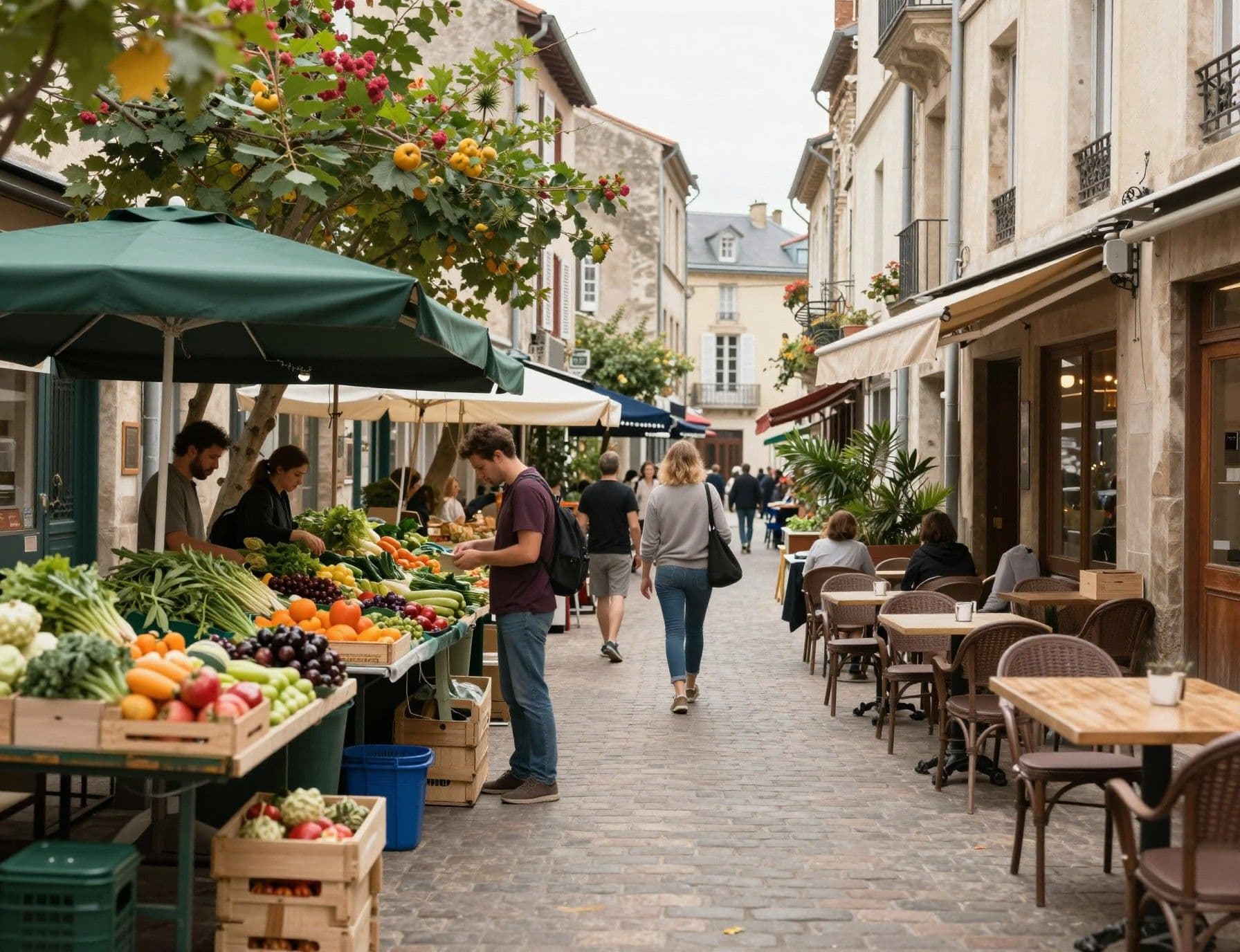
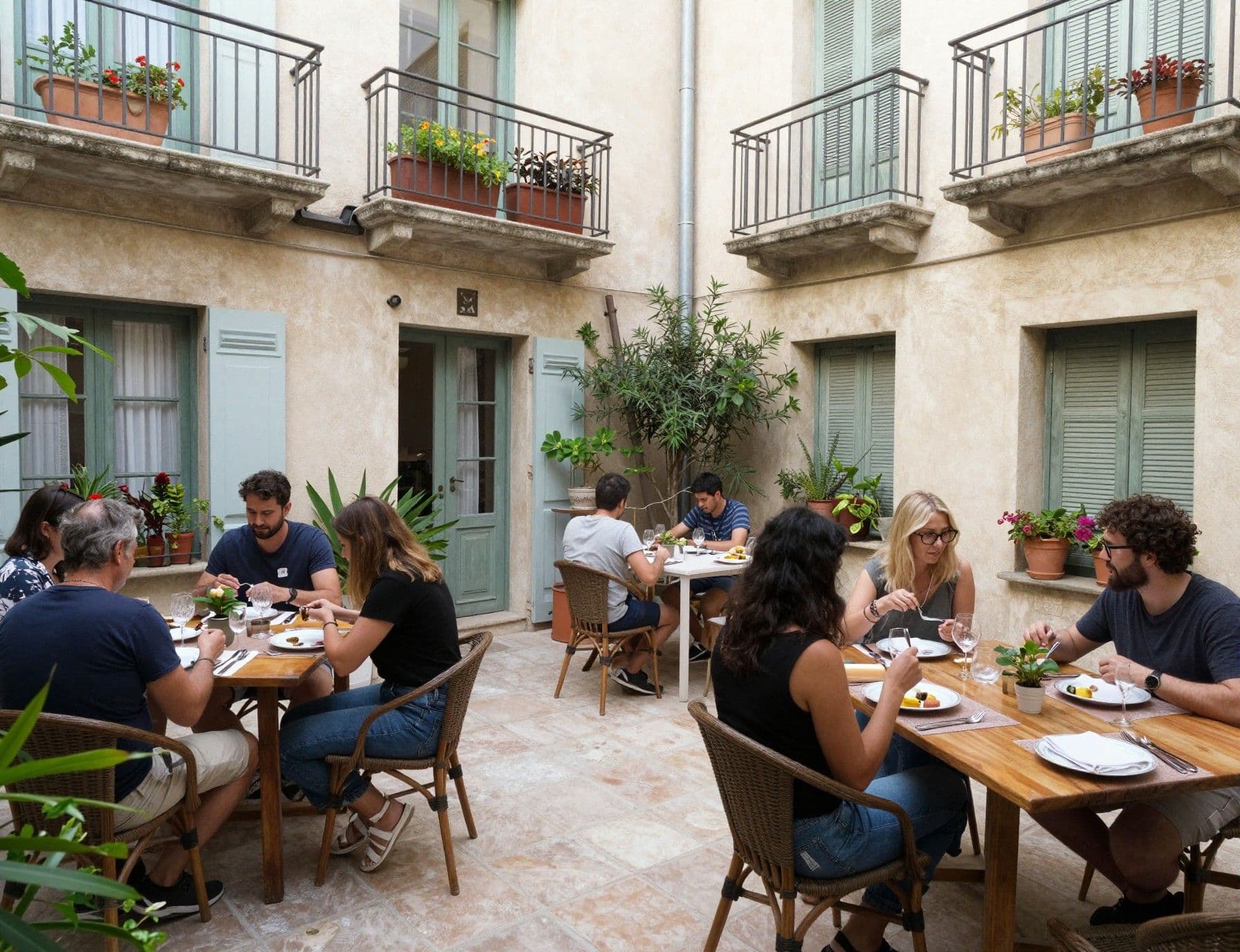
France feels like a series of small daily rituals: market mornings in Nice's Cours Saleya, afternoon coffee on Paris's rue Montorgueil, Sunday drives through Dordogne vineyards. Those rituals shape demand: small well-located apartments near markets and transport remain desirable, while postcard coastal villas see highly seasonal interest and occupancy volatility. For investors that matters because tenant profiles and vacancy risk flow directly into net yields.
Neighborhood spotlight: Paris arrondissements vs. rising secondary cities
In Paris, the 6th and 7th arrondissement retain price resilience but deliver modest gross yields (often 2–4% gross). Meanwhile, cities such as Nantes, Rennes and Lyon show stronger rental dynamics for less capital outlay — a trend the notaries' price maps and INSEE series confirm. The result: better entry prices and potentially higher operational yields once transaction and tax friction are modelled.
Food, market life and seasonality — why lifestyle demand isn't uniform
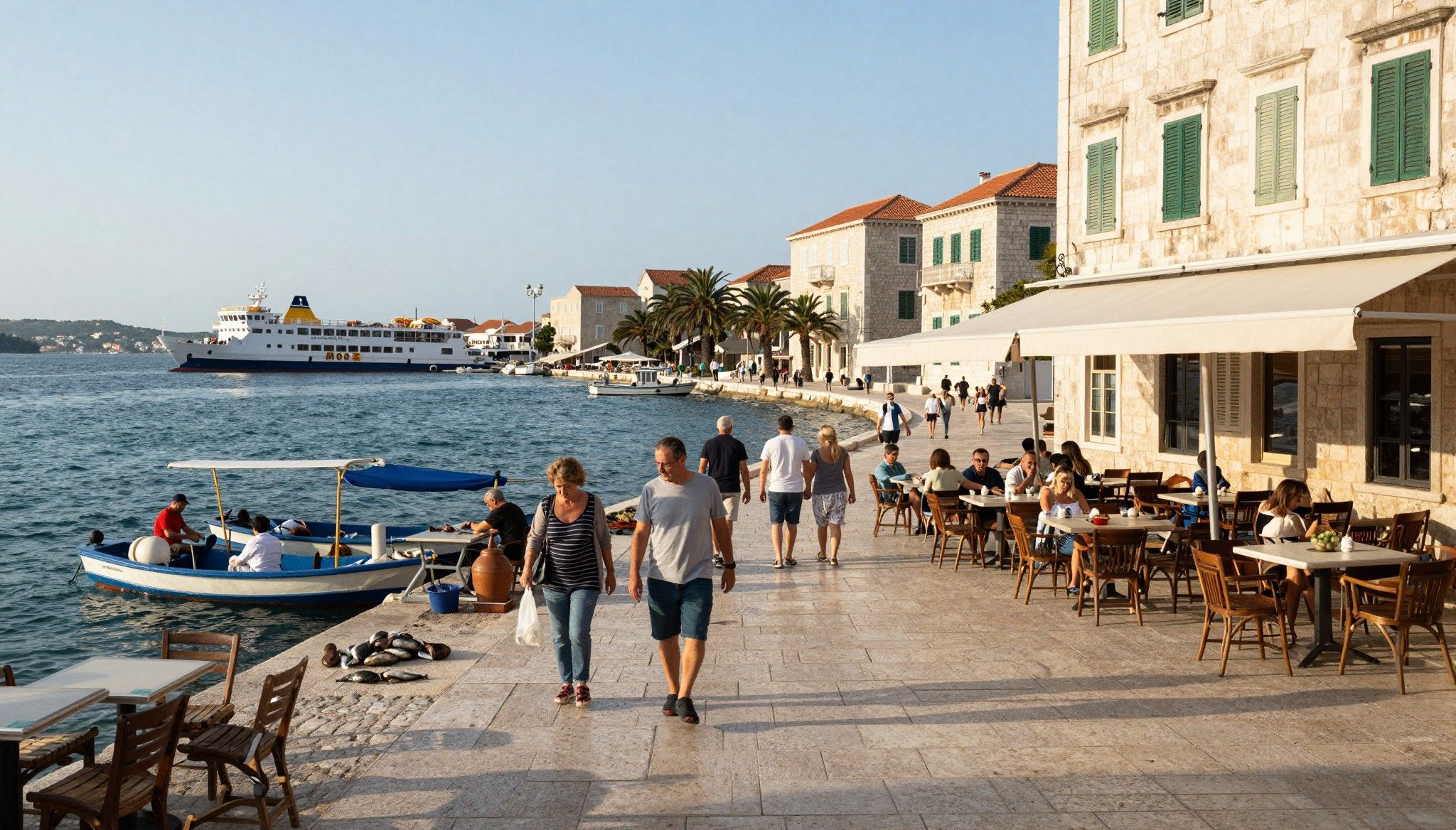
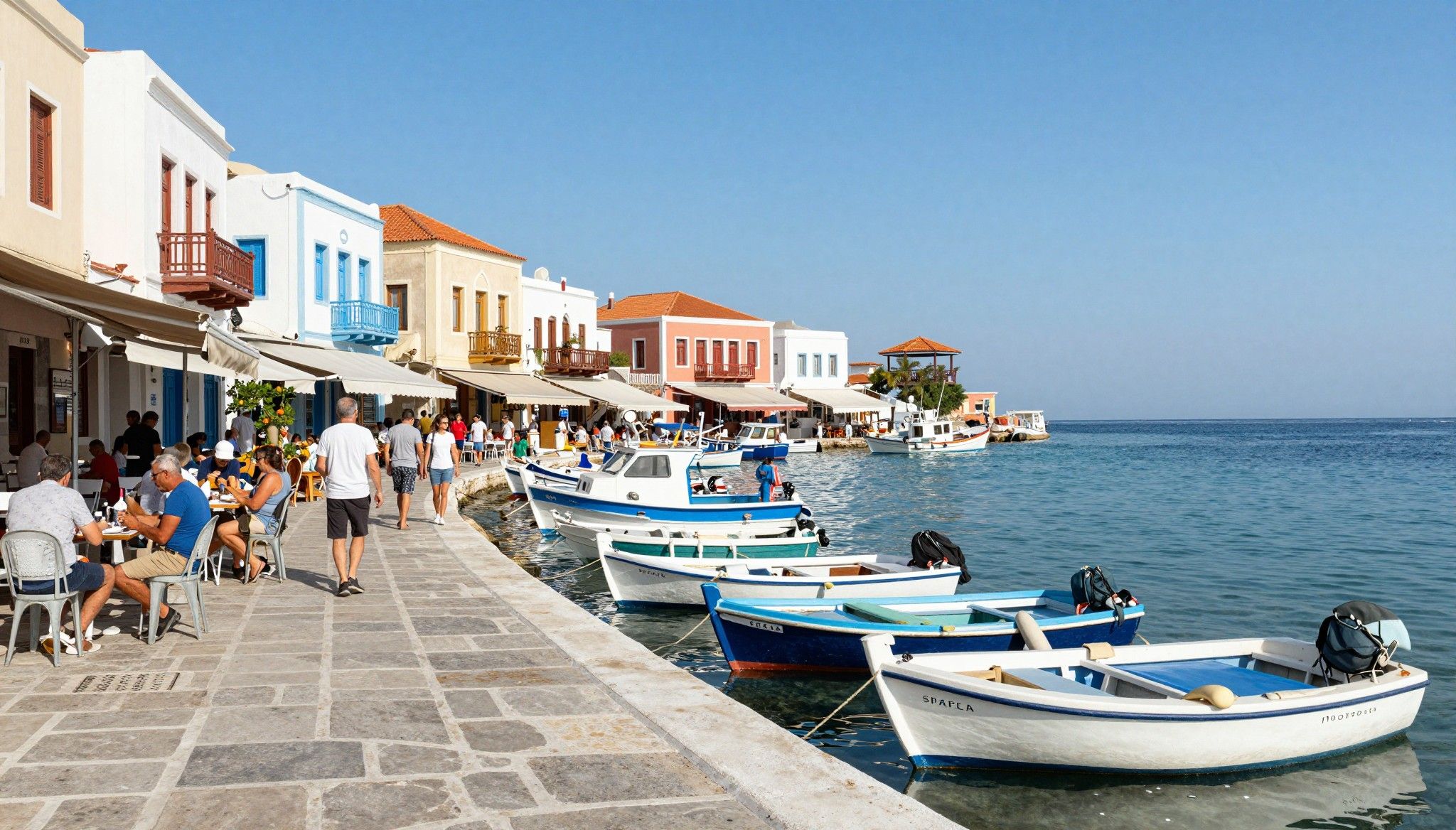
A coastal apartment near a festival will command high short-let rates in July and August but sit empty in November. Urban flats next to weekly markets keep steady long-term demand. Think: a rue Cler flat in Paris will attract salaried tenants year-round; a Cap Ferret weekend house attracts spikes. Seasonal rhythms therefore create two distinct revenue profiles that require different underwriting assumptions.
- Lifestyle highlights that matter for investors: rue Montorgueil (Paris) markets; Cours Saleya (Nice) morning life; Vieux Lyon traboules and late-night bistros; Canal Saint-Martin cafés for young renters; Place Graslin (Nantes) theatre and rental demand; Les Halles (Lyon) food-driven footfall.
Making the move: practical considerations that protect yield
Translating affection into a defensible investment requires stress-testing. National indices show renewed price growth in 2025 after 2023–24 corrections, but regional dispersion is wide. Use local price-per-m² maps and compare gross yield assumptions against vacancy, energy retrofit costs and short‑let regulation risk before you bid.
Property styles and their cashflow profiles
Classic Haussmann flats in central Paris offer capital preservation and tenant quality but compress rental yields. New builds on city edges provide better energy performance (lower operating costs) and appeal to families and professionals. Rural châteaux or seaside villas offer upside through seasonal short lets and premium leisure demand but require active management and higher capex.
Working with local experts who speak both lifestyle and numbers
- 1. Insist on agents who provide price-per-m² heatmaps, comparable transaction lists, and recent notarial sales data. 2. Require scenario-based cashflow models (base, seasonal, stress) that include vacancy, management fees, and energy retrofit. 3. Ask for neighborhood tenancy profiles: average lease length, tenant type and turnover. 4. Insist on building-level energy diagnostics; compliance rules (e.g., progressive rental restrictions on low EPC-rated properties) affect long-term liquidity. 5. Plan for 10–15% renovation contingencies on older stock — French historic façades often hide modern systems costs.
Insider knowledge: risk scenarios and sensitivity checks
Run three scenario tests before you commit: (A) Base case with steady rents and moderate occupancy; (B) Seasonal stress (30–60% revenue drop outside high season for coastal assets); (C) Policy shock (tighter short‑let rules or energy compliance costs). International buyers often underestimate B and C — they explain why some holiday homes depreciate into liabilities.
Red flags to model (and how to quantify them)
- Unrealistic gross-yield projections (model net yields after taxes, fees, and vacancy); Heavy reliance on short‑let peak months; Buildings with 'G' energy rating requiring mandatory upgrades; Areas with declining transaction volumes; Properties with restricted access or seasonal roads that reduce year-round rentalability.
A simple sensitivity checklist
- 1. Reduce assumed annual rent by 15% and recalculate net yield. 2. Increase vacancy by 60 days and note impact on cashflow. 3. Add a one‑off energy-retrofit capex equal to 5–10% of purchase price. 4. Model a 2% annual price contraction over 3 years to test capital risk. 5. Compare outcomes across at least two neighbourhoods with distinct demand profiles.
What expats wish they'd known — lifestyle truths with investment consequences
Expats often romanticise French seasons — but markets price reality. Buyers we interviewed cite three practical regrets: underestimating renovation paperwork, mispricing seasonal demand, and neglecting energy compliance. Those regrets translate into ROI drag, not cultural disappointment. If you plan to live part-time, price the lost rental months as a recurring cost.
Long-term lifestyle and portfolio fit
Treat a French purchase like any other asset allocation decision: define whether you seek income, capital growth or personal use. For income, prefer city-centre apartments or new builds near employment nodes; for mixed-use life+investment, choose market-adjacent homes in towns with steady year-round demand; for pure lifestyle, accept higher cost and active management.
Conclusion: France rewards buyers who translate romantic knowledge into disciplined modelling. Love the café-lined street, but underwrite the vacancy, retrofit the energy rating, and ask for notarial comparables. Work with agents who deliver scenario-based P&Ls and local notarial data. Do that, and you keep the lifestyle while protecting your yield.
Danish relocation specialist who moved to Cyprus in 2018, helping Nordic clients diversify with rental yields and residency considerations.