Greece: Test‑Live the Rhythm Before You Buy
Greece pairs sunlit lifestyle with regionally uneven returns—test‑live the daily rhythm, demand 12‑month cashflow and model regulatory shocks before you buy.
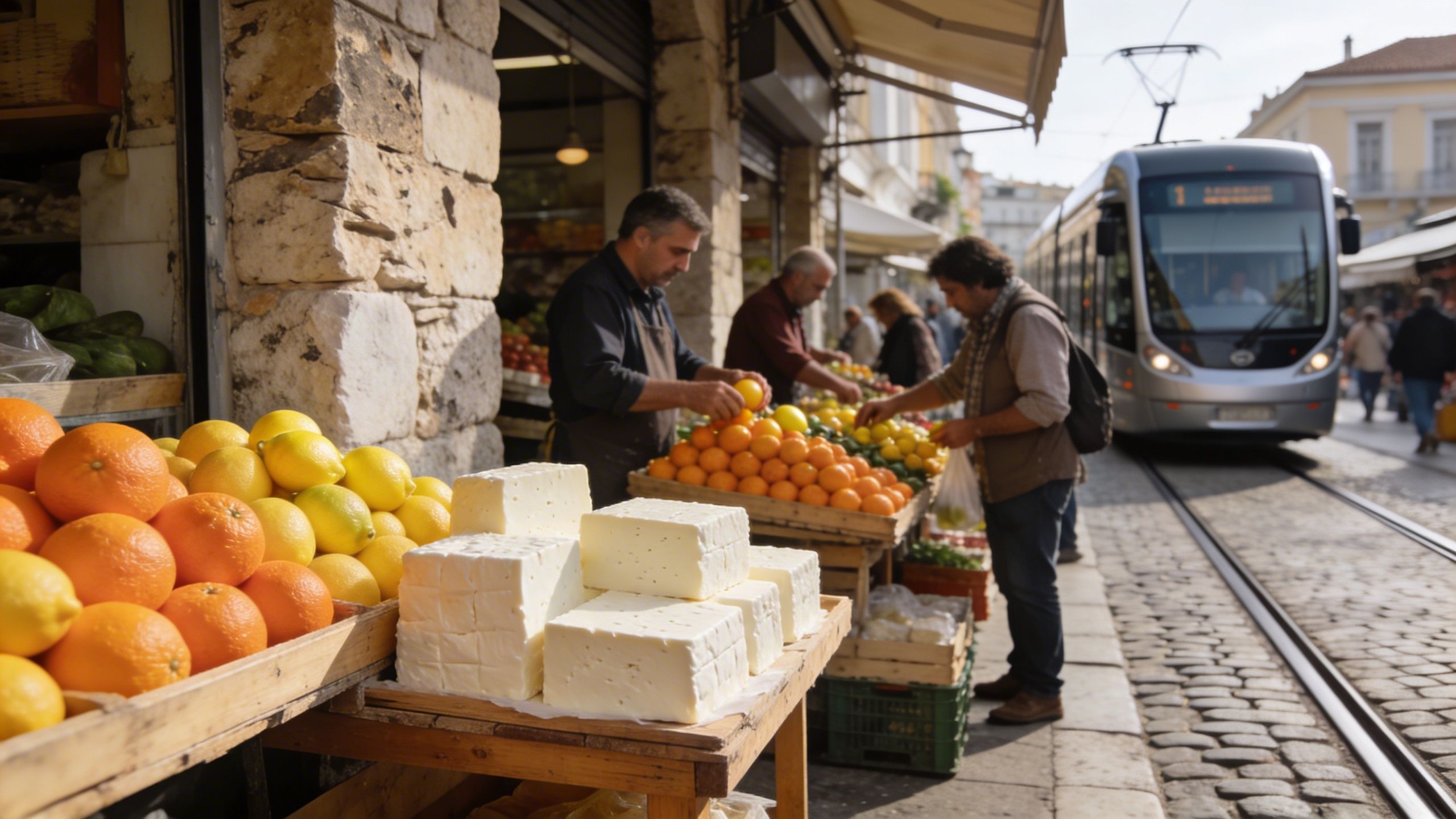
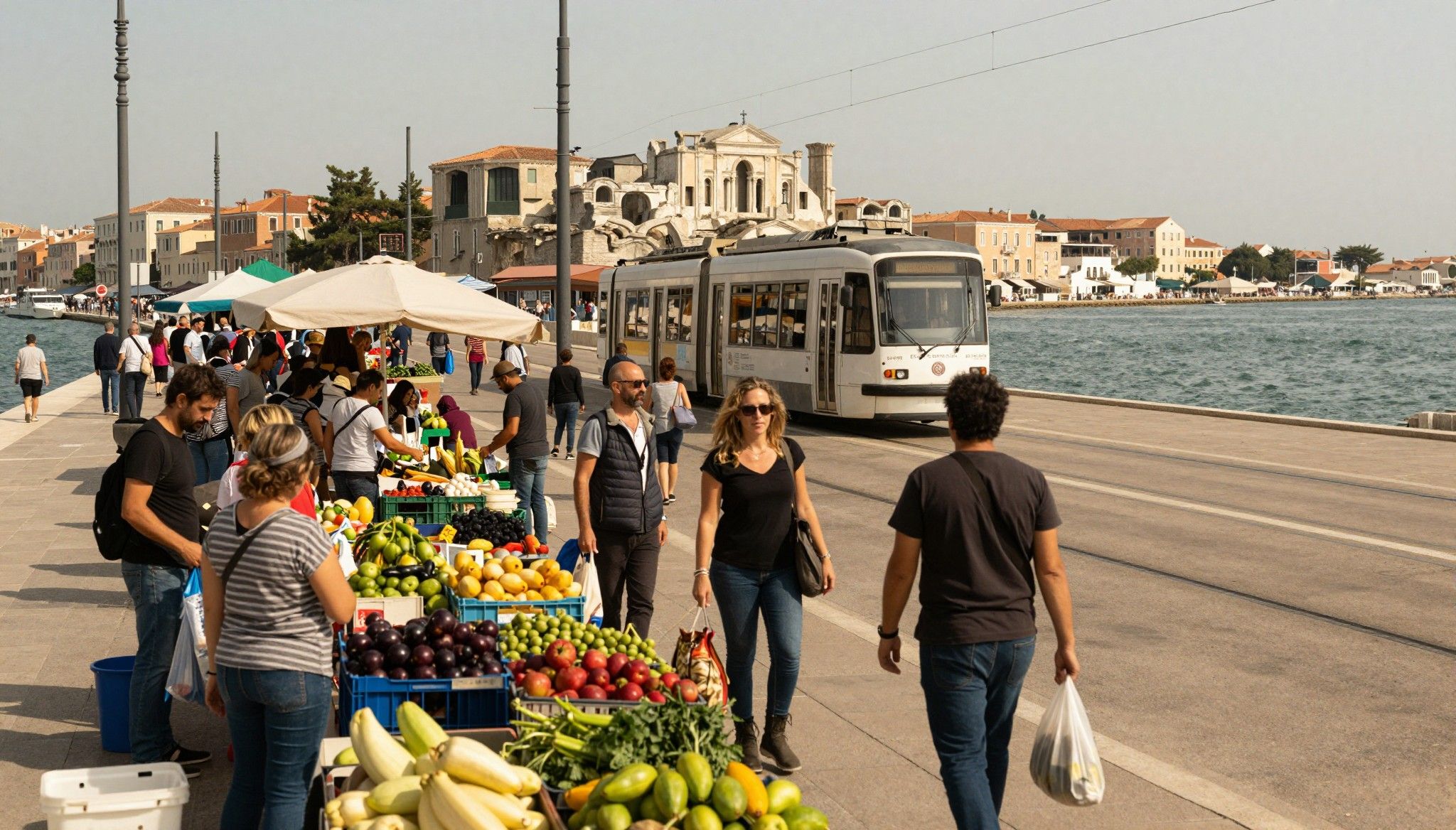
Imagine stepping out at 9am in Athens’ Koukaki: espresso steam, a greengrocer arranging figs, a tram bell in the distance. Or picture a late‑afternoon on Naxos’ Agios Prokopios beach—kids shrieking, fishermen hauling nets, a local taverna calling you for grilled octopus. Greece sells a rhythm as much as a view, and that rhythm should guide where and how you buy. Recent market overviews show wide regional variance in prices and demand; understanding local tempo—tourist seasonality, transport projects, short‑let rules—repackages lifestyle dreams into investable choices. (See regional price guide.)
Living the Greece lifestyle: what you really get
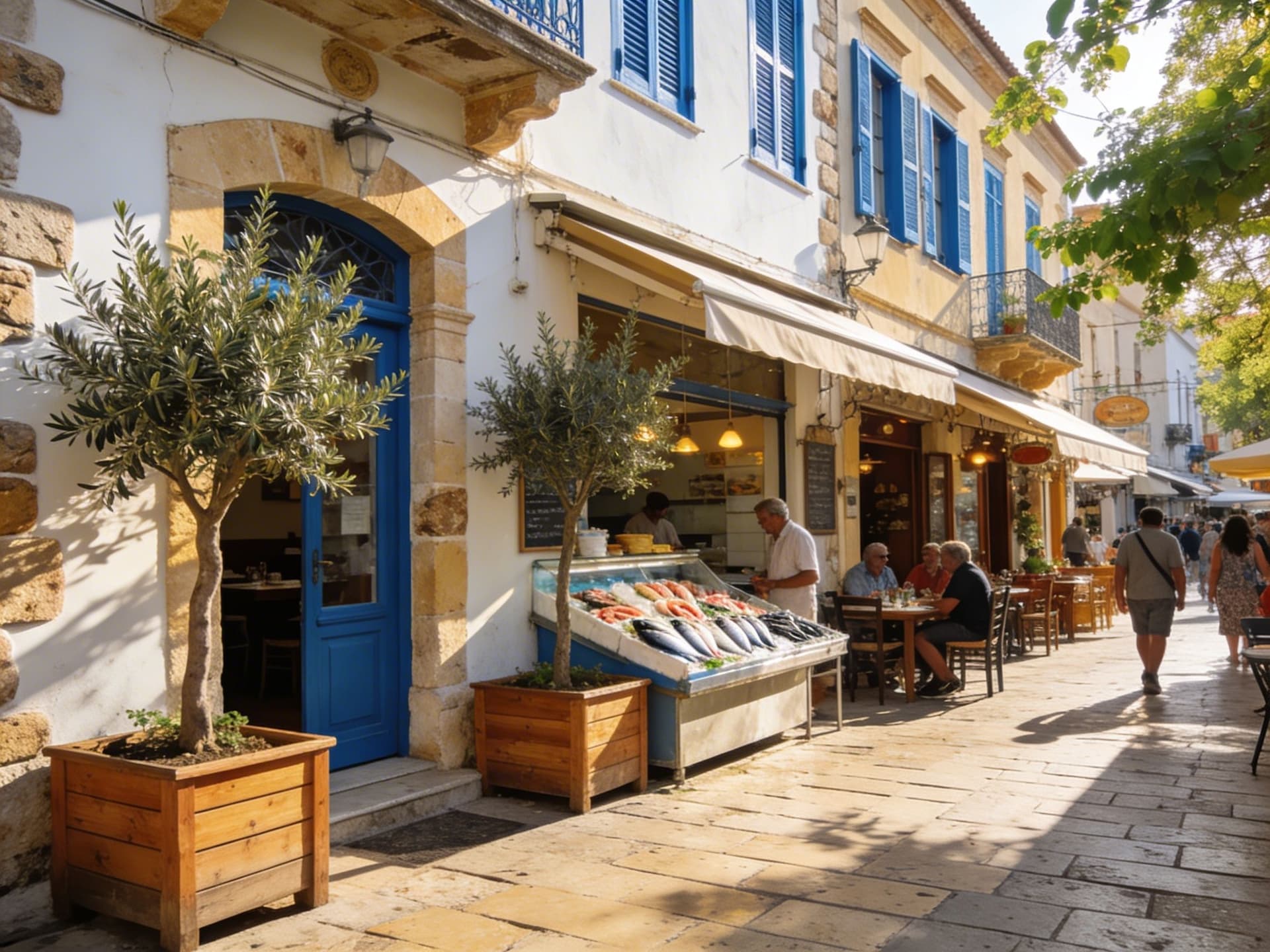
Living in Greece is sensory: sunlit stone, late dinners, ferry timetables that structure weekends. Cities pulse with cafés, islands with tavernas; inland villages keep a slower, seasonal heartbeat. That variety matters for buyers — Athens offers year‑round rental demand and infrastructure, while the Cyclades deliver explosive summer occupancy but thin off‑season cashflow. Macro indicators from the Bank of Greece and industry reports confirm price growth slowed in 2024 but remains positive—so lifestyle choice directly maps to yield profile and capital risk.
Athens: urban rhythm, patchwork neighbourhoods
Walk from Exarchia to Pangrati and you cross lifestyles: student bars and bookshops give way to family parks and boutique bakeries. Southern suburbs (Vouliagmeni, Glyfada) feel coastal and affluent; Kato Patisia and Kypseli are where renovation yields and rental arbitrage still exist. For investors wanting steady long‑term leasing to professionals and students, central Athens and well‑connected suburbs outperform islands in occupancy stability and predictable gross yields.
Islands: wild upside, concentrated seasonality
Mykonos and Santorini drive headlines and top‑tier price per square metre; they also carry regulatory risk from overtourism measures (cruise levies, short‑let caps). Lesser‑visited islands such as Naxos, Milos or Syros are where lifestyle authenticity meets more reasonable price points—and where off‑season rental demand and local initiatives can create steadier returns than headline islands.
Lifestyle highlights to test‑live before you buy:
Sip a filter coffee at Little Kook in Psyrri (Athens) to measure morning footfall and neighbour demographics.
Rent a month in Naxos during April to judge shoulder‑season rental potential and local services.
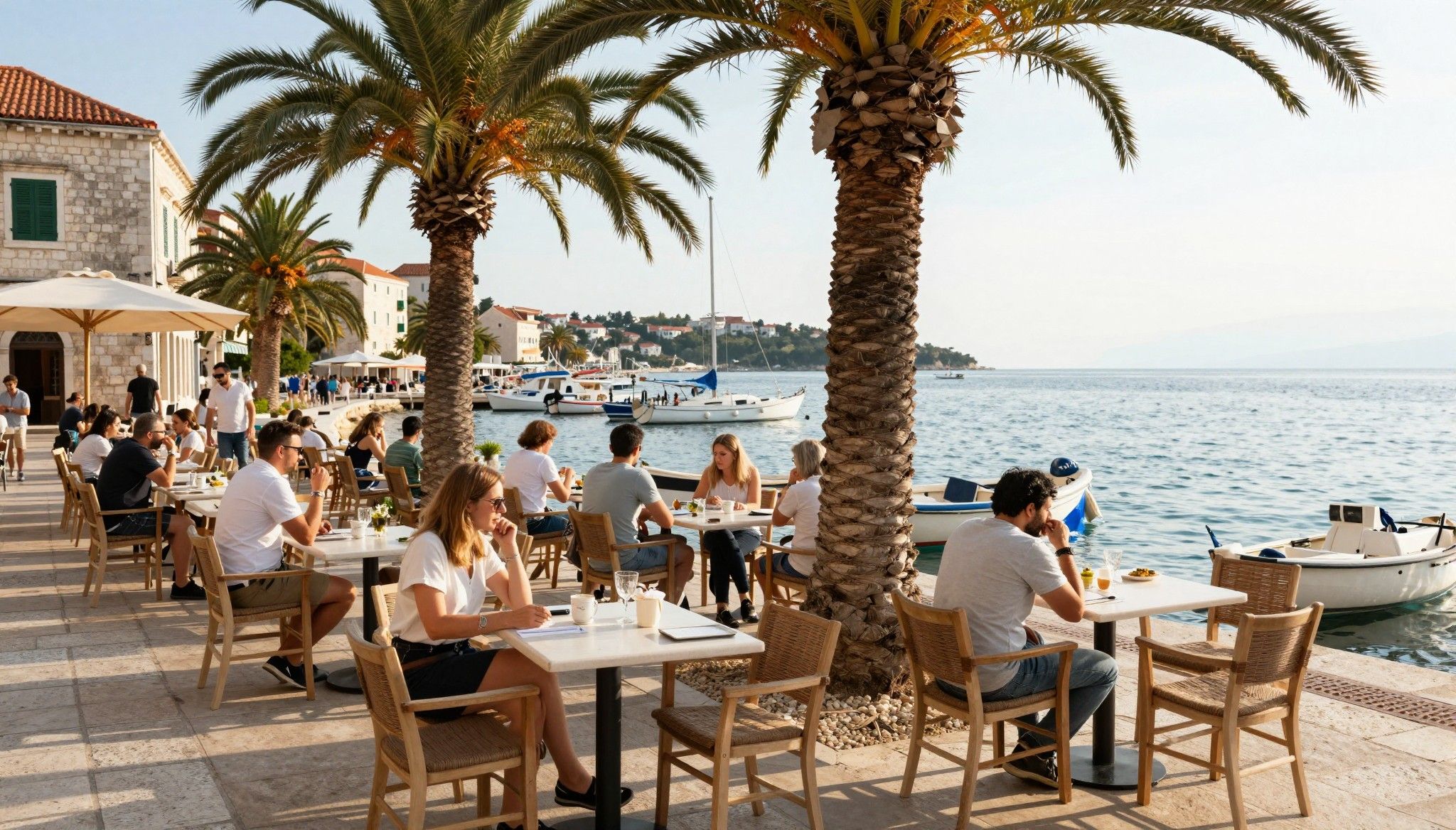
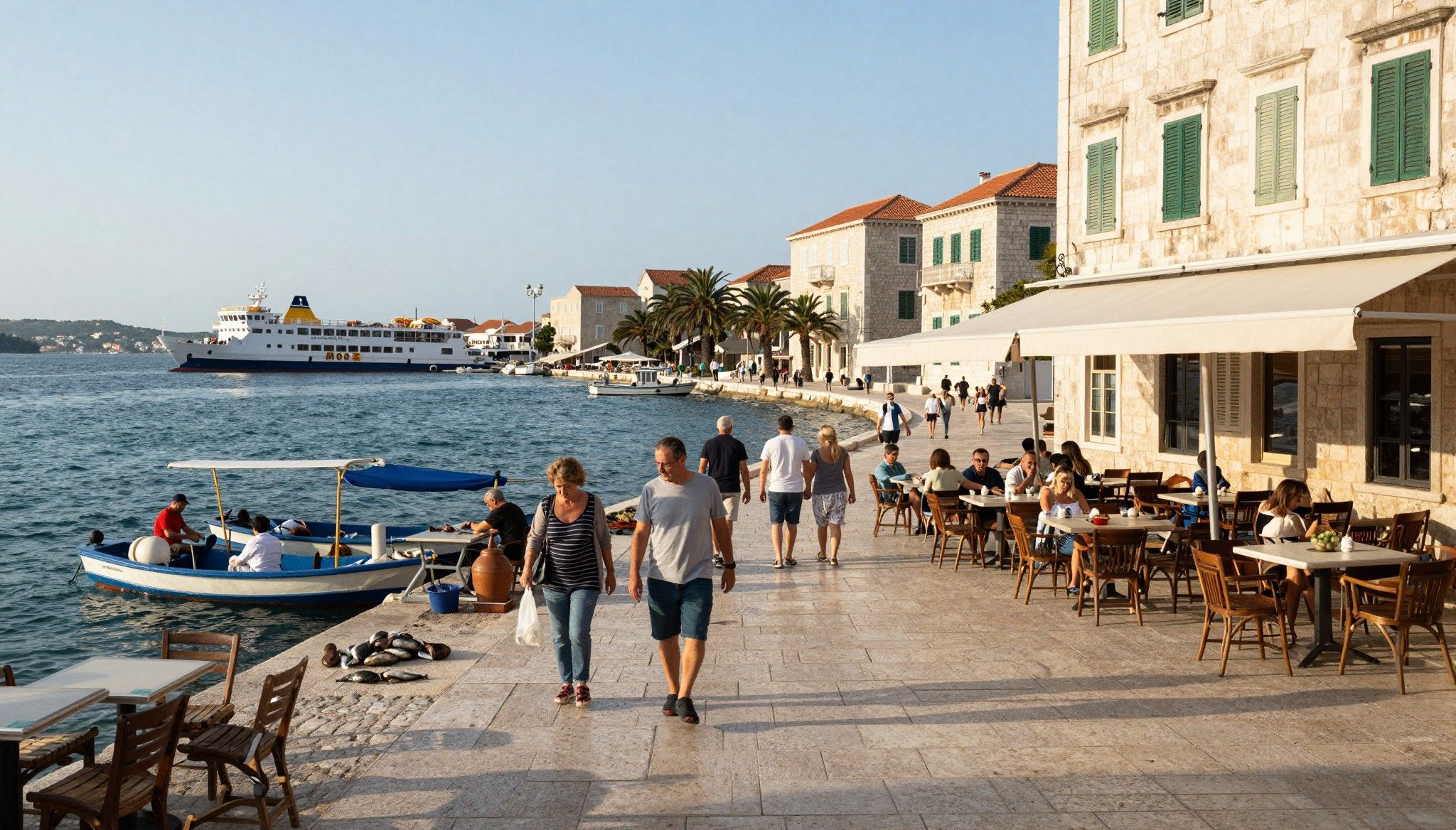
Walk the port road in Chania at 7pm to see the dining crowd mix between locals and tourists—and to check restaurant opening patterns.
Making the move: practical considerations that preserve lifestyle value

Your dream terrace or island view is only an asset if the numbers align. Tourism surged in 2024—more than 40 million visits—concentrating returns but also triggering policy changes designed to limit overtourism. That duality raises two practical imperatives: match product to demand profile (short‑let vs long‑let) and stress‑test the asset against regulation and seasonality.
Property styles and how they shape living and returns
Stone‑built Cycladic homes sell lifestyle but often require seismic retrofits and water‑system upgrades; modern Athens flats offer low maintenance and year‑round rentalability but lower headline upside. Choose structure based on occupancy assumptions: if you plan seasonal Airbnb income, prioritise islands with high summer receipts; for steady yield, target Athens/Thessaloniki suburbs with transport links and year‑round tenant pools.
Working with local experts who actually know place tempo
How to brief an agent in Greece (6 steps blending lifestyle and investment):
1. Define target yield and acceptable occupancy volatility (e.g., 4–6% gross yield, max 2 months vacancy in high season).
2. Ask for actual recent rental contracts and management fees—not forecasts—and request 12‑month cashflow history for comparable properties.
3. Insist on a local due‑diligence checklist: seismic certificates, water rights, short‑let permit status and local zoning constraints.
4. Verify transport projects and planning applications nearby (metro lines, marinas) that can materially reprice values over 3–7 years.
5. Build a worst‑case seasonal model: price per sqm sensitivity, 30% occupancy vs 80% occupancy, and a holiday‑rental ban scenario.
6. Confirm tax residency implications with a cross‑border tax advisor before signing—rental income reporting differs by municipality and use.
Insider knowledge: red flags, local quirks and what expats wish they'd known
Expats often underestimate local red tape: municipal rules on short‑lets, unexpected water restrictions on islands, and fast‑moving local ordinances (e.g., cruise passenger levies or caps) can change a rental business overnight. Santorini and Mykonos headlines hide a larger truth: municipal interventions are increasingly common and should be modelled into returns.
Cultural quirks that influence neighbourhood choice
Neighbourhood life in Greece runs on relationships. Shops and services close mid‑afternoon in many towns; municipal services vary by island; and speaking a few words of Greek opens faster access to local contractors. For buyers, that means favouring neighbourhoods with proven service ecosystems (year‑round supermarkets, reliable ferry schedules, medical centres) unless you specifically want very remote privacy.
Long‑term lifestyle sustainability
Tourism growth can lift capital values but threatens service quality and infrastructure. Look for municipalities investing tourism receipts into water systems, waste management and transport—those are signs the place can sustain a higher‑value market rather than implode under volume.
Practical red flags (quick checklist):
No recent electrical or seismic certification for older properties.
Unclear water rights or dependence on unreliable island desalination.
Seller reliance on short‑let income without documented permits or 12‑month cashflow history.
Bottom line: Greece offers a spectrum—from steady urban plays in Athens and Thessaloniki to high‑volatility, high‑return island bets. Use lifestyle tests to confirm you love the day‑to‑day, then demand the data (12‑month cashflow, municipal rules, infrastructure projects) that protects returns. If the place feels right at 7am and 9pm, and the numbers survive a conservative stress test, you’ve found a buy that balances life and investment.
Next steps: spend a week living where you’d buy; ask agents for real operating history; commission a local technical survey; and run a three‑scenario model (optimistic, base, regulatory‑shock). Your local agent is an enabler—use them for access and local data, but keep the financial model in your hands.
Norwegian market analyst who relocated from Oslo to Mallorca in 2016, guiding Northern buyers through regulatory risk, currency hedging, and rentability.