Coastal Premium Overrated — Where Croatia’s Real Yields Live
Croatia’s tourism boom inflates coastal prices — but stronger, steadier yields often hide inland or commuter markets; use monthly occupancy data and conservative ADRs to find them.
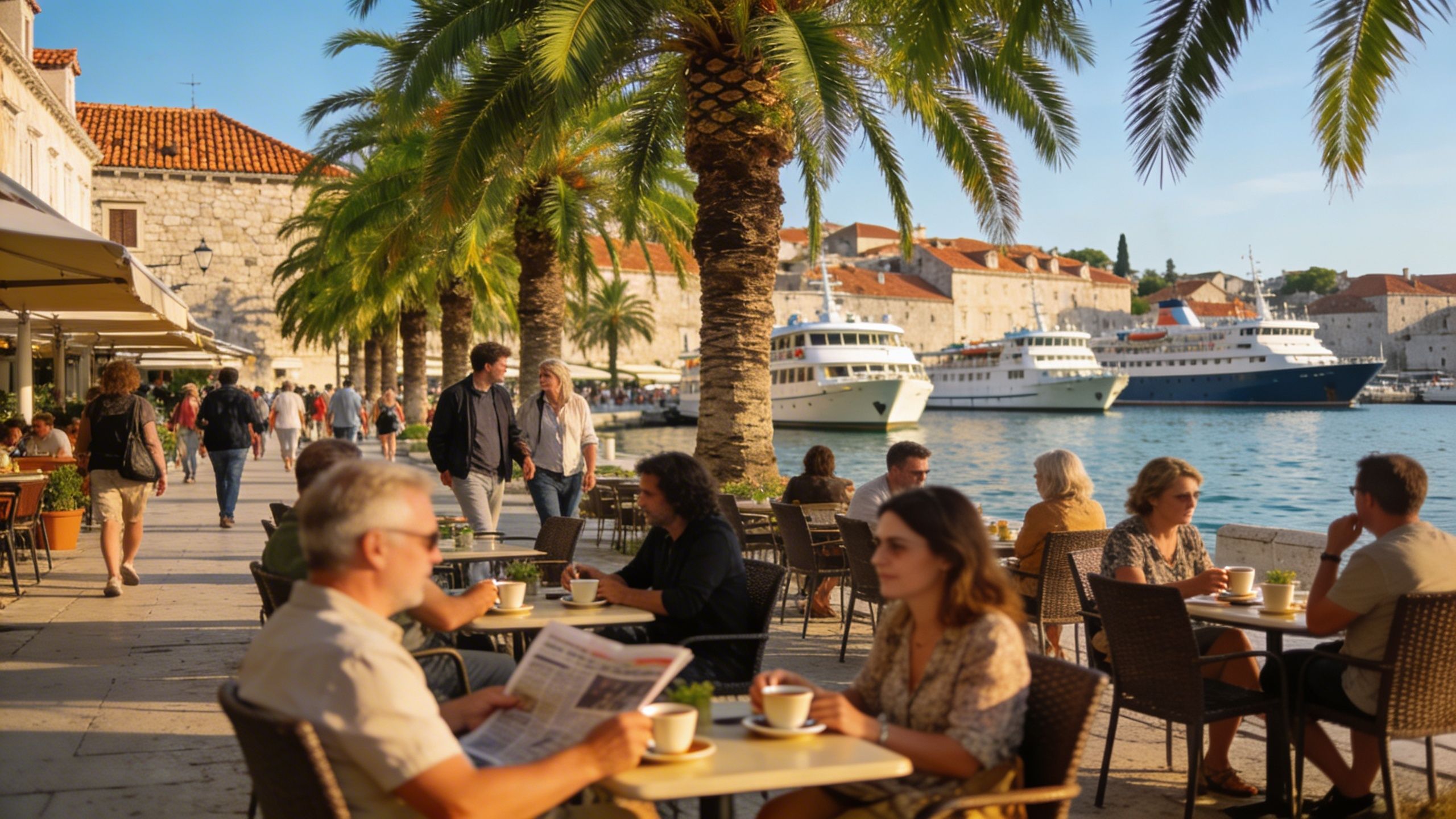
Imagine sipping ristretto at a marble-topped kafana on Split’s Riva, then stepping onto a bus that takes you through olive groves to a sleepy inland town with half the asking price and steady year-round tenants. Croatia’s coastline sells the dream: sunlit stone houses, islands that read like travel brochures and a tourist engine that broke records in 2024. But for buyers who treat property as an asset, the postcard tells only part of the story — short-season demand, local incomes, and housing supply dynamics quietly reshape returns.
Living the Croatian lifestyle (and what that means for returns)
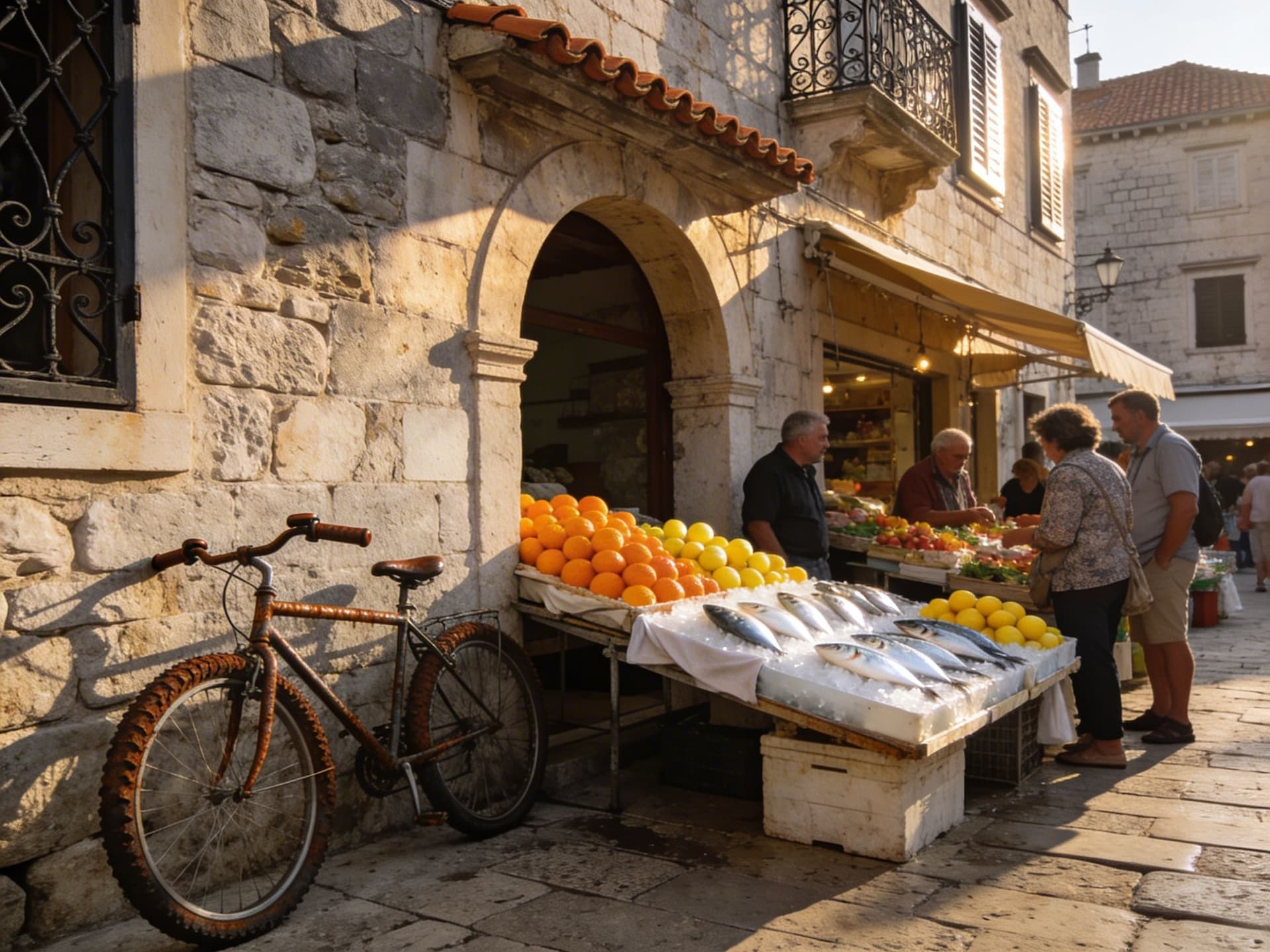
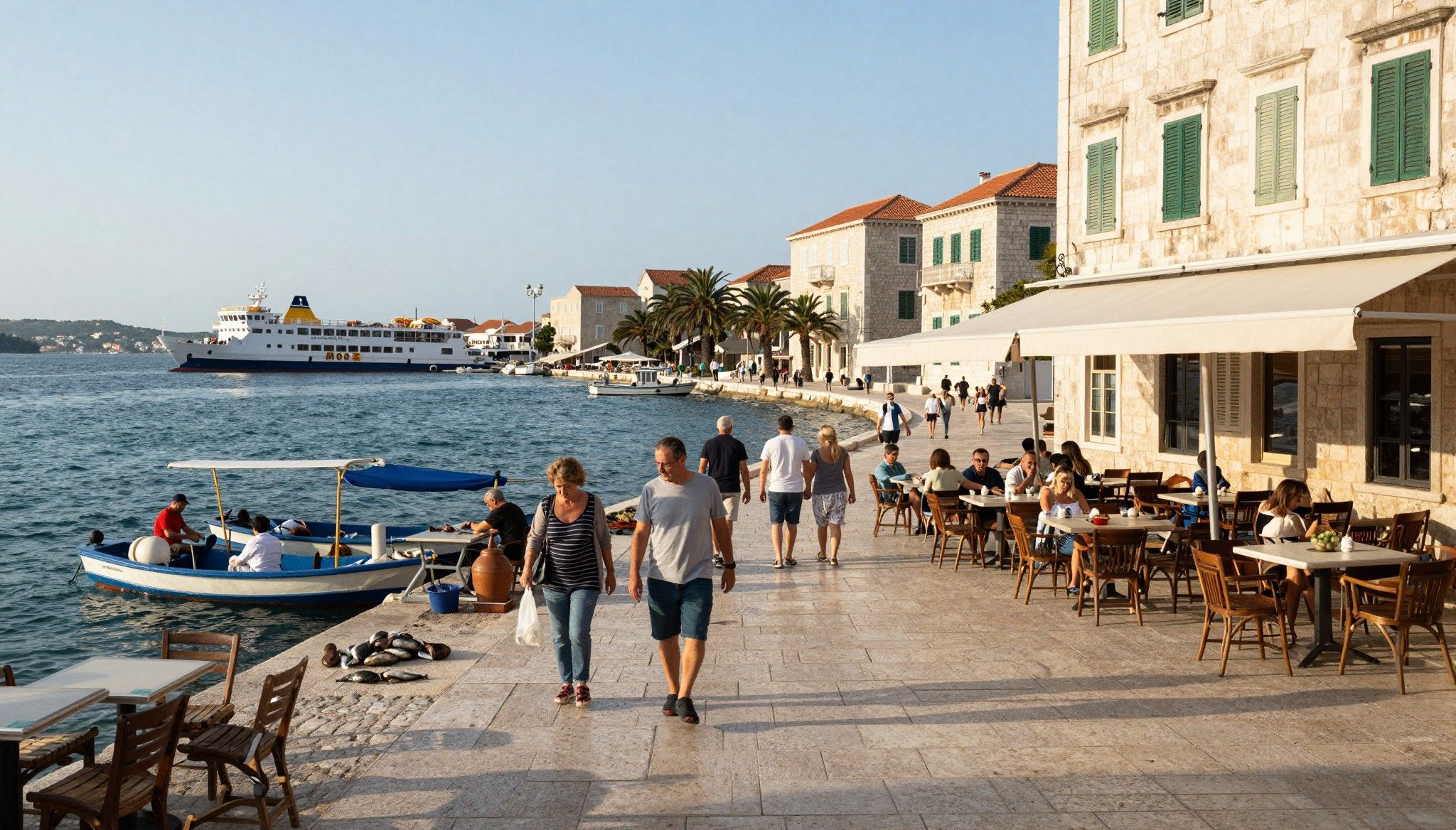
Daily life in Croatia mixes Adriatic ritual and continental calm: café culture in Zagreb, fisherman mornings in Zadar, and island ferries that set the weekly tempo. Tourism is massive and growing — the state reported a multi-million visitor year in 2024 — which inflates coastal pricing during the season but does not guarantee steady rental cashflows the rest of the year. For investors, lifestyle signals (sea views, terracotta roofs) are useful for marketing but must be weighted against occupancy patterns, local wage levels, and long-term demand drivers.
Neighborhood reality: Split, Dubrovnik, Rijeka — different markets
Split and Dubrovnik command premium prices driven by tourism, constrained stock and international demand. Dubrovnik’s central apartments exceed many Croatian price points and push yields lower; that compresses rental returns unless you secure exceptional seasonal rates. Conversely, Rijeka and inland Istria show more balanced markets with local employment and year-round rental demand — a pragmatic trade-off for investors focused on net yield rather than postcard glamour.
Food, markets and rhythms that sustain neighbourhood life
Weekends mean wet-market runs (Dolac in Zagreb), island boat trips, and long lunches centred on seafood and wine — lifestyle factors that attract long-stay expatriates and premium short-lets alike. But areas with genuine year-round communities have functioning services: grocery variety, healthcare access and schools. These infrastructural signals correlate with steadier tenancy and lower management churn; they matter to yield calculations more than a villa’s postcard view.
Making the move: Practical considerations that change returns

The headline — rising tourist arrivals and coastal price inflation — can mask divergent micro-markets. European data show Croatia among countries with above-average property growth in recent years, but that growth concentrated in specific coastal pockets. For an investor, the question is not whether Croatia is popular but where popularity converts into reliable net yield after costs like management, seasonality, and local taxes.
Property styles and how they match investor goals
Stone town apartments (historic cores) attract premium short-stay rates but face higher maintenance, heritage rules and variable winter demand. New-build coastal flats offer lower maintenance and modern amenities that tenants prefer for longer lets, but they often lie in newer zones with weaker walkability. Rural and inland family homes or renovated farmhouses typically produce lower price-per-square‑metre entry points and can secure steady long-term tenants — improving net yields for buy-to-let strategies focused on income rather than capital gains.
Working with local experts who understand seasonality
Choose agents and property managers who can produce occupancy heatmaps (monthly), show historic ADRs (average daily rates) and provide tenant mix breakdowns. Local specialists who track eVisitor and eCrew datasets can separate nautical, private rental and commercial accommodation flows — essential for stress-testing revenue. Rely on data, not anecdotes: a manager’s seasonal calendar should explain maintenance windows, low-season pricing and realistic annualised occupancy.
Insider knowledge: The contrarian plays where yields hide
Counterintuitively, the best yields often live off the main tourist spine: continental counties, secondary Dalmatian towns and commuter belts around Zagreb. These places benefit from local wage baselines, year-round occupier demand, and lower entry prices. The coastal premium is real — but it’s a double-edged sword: higher capital values and higher marketing costs reduce net yields unless you specialise in premium short-lets or seasonal luxury.
- Why inland and secondary towns can outperform (bullet checklist)
1) Lower price per sqm gives immediate upside to gross yield. 2) Longer average tenancy improves net yield by reducing vacancy and turnover costs. 3) Local employment anchors demand, insulating rents from tourist seasonality. 4) Renovation arbitrage: smaller investments in upgrades often deliver larger percentage yield improvements versus coastal luxury upgrades.
- Steps to stress-test a Croatian purchase (practical process)
1) Request month-by-month occupancy and ADR data for the last three years. 2) Run a conservative yield model: use 50–60% of peak-season ADRs and apply realistic vacancy (10–20% depending on location). 3) Add management, utilities, municipal tourist levies and an annual capex buffer (3–5% of value). 4) Compare resulting net yield to alternative local assets (commercial leases, regional bonds) to decide on portfolio fit.
What expats wish they'd known: cultural and legal realities
Expats often underestimate local wage structures and occupancy expectations: many Croatians enter long-term family arrangements and leave a smaller private rental market for locals. The result: abroad-driven demand can displace local renters or create markets dominated by tourist short-lets — which increases volatility. Legally, EU citizens face simpler purchase processes than some non‑EU buyers; confirm reciprocity rules before committing and budget for notary, registration and potential legal approvals.
Long-term lifestyle and investment outlook
Croatia’s tourism growth supports capital appreciation over time, but sustainable rental returns depend on choosing locations with weekday economy, transport links and community services. Investors who blend coastal marketing with inland holding strategies — for example, owning a coastal short-let while holding a higher-yielding inland rental — can smooth seasonality and optimise portfolio yield. Treat Croatia as a two-speed market: spectacular for selective capital gains, pragmatic for income.
If you’re ready to explore, start with targeted data requests: month-by-month occupancy, historic ADRs, tax codes applying to your nationality and a three-year expense log from the agent or manager. These documents change a hopeful postcard into a repeatable cashflow model. A local agency that supplies granular data, introduces you to vetted managers and maps seasonality will be the difference between a dream purchase and a resilient investment.
Conclusion: Croatia is not a single market but a portfolio of micro-markets. The coastal premium is real but overrated if your objective is steady net yield. Use local data, prioritise year-round demand signals and consider contrarian positions inland or in commuter belts to find Croatia’s best-performing yields.
Swedish financier who guided 150+ families to Spanish title deeds since relocating from Stockholm in 2012, focusing on legal and tax implications.