Croatia: Seasonality, Lifestyle and the Real Yield Tradeoffs
Croatia’s coastal romance masks clear seasonality and concentrated price growth; match lifestyle choices with seasonal cash‑flow models and local data before buying.
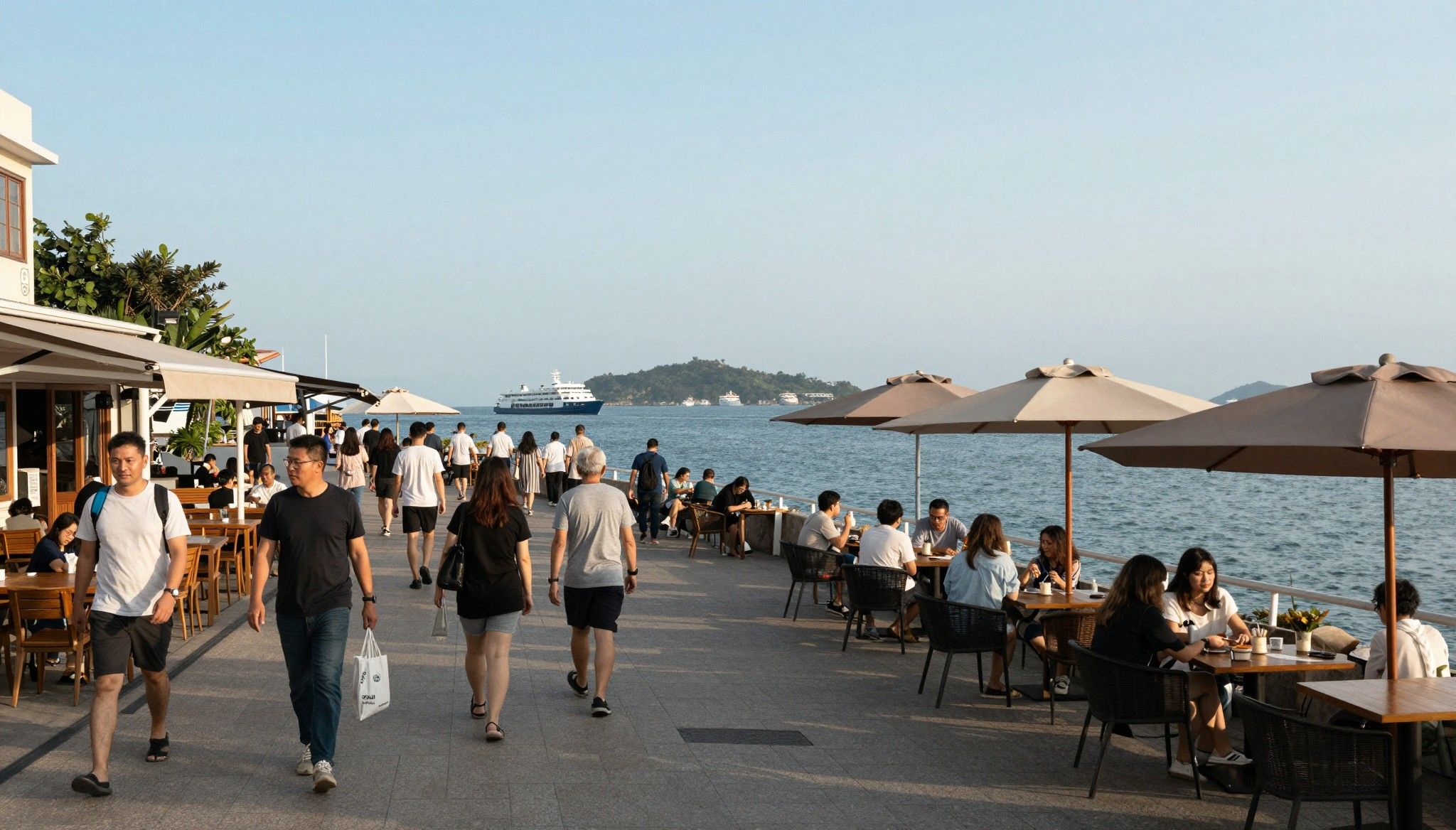
Imagine sipping espresso on Zagreb’s Britanski trg at 09:00, then catching a late‑afternoon ferry from Split to Hvar — this is Croatia: compact cities, island rhythms, jagged coastlines and neighbourhoods that change mood by the hour. For international buyers the romance is obvious; the investment question is not. Recent official data show that coastal demand, seasonality and a national house‑price run have reshaped yields — so falling in love needs to be matched with clear metrics and local nuance.
Living Croatian Life (and What It Means for Property)
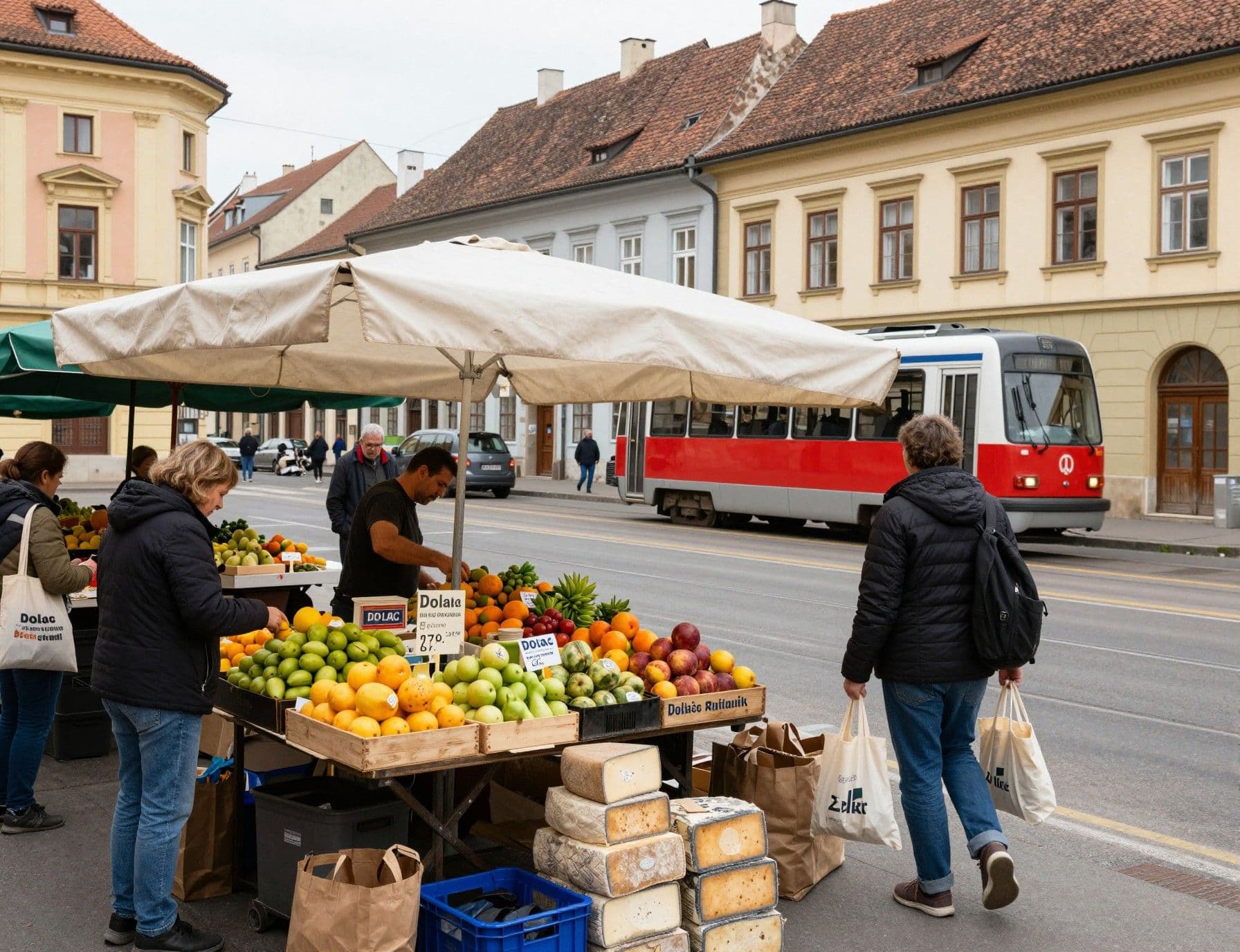
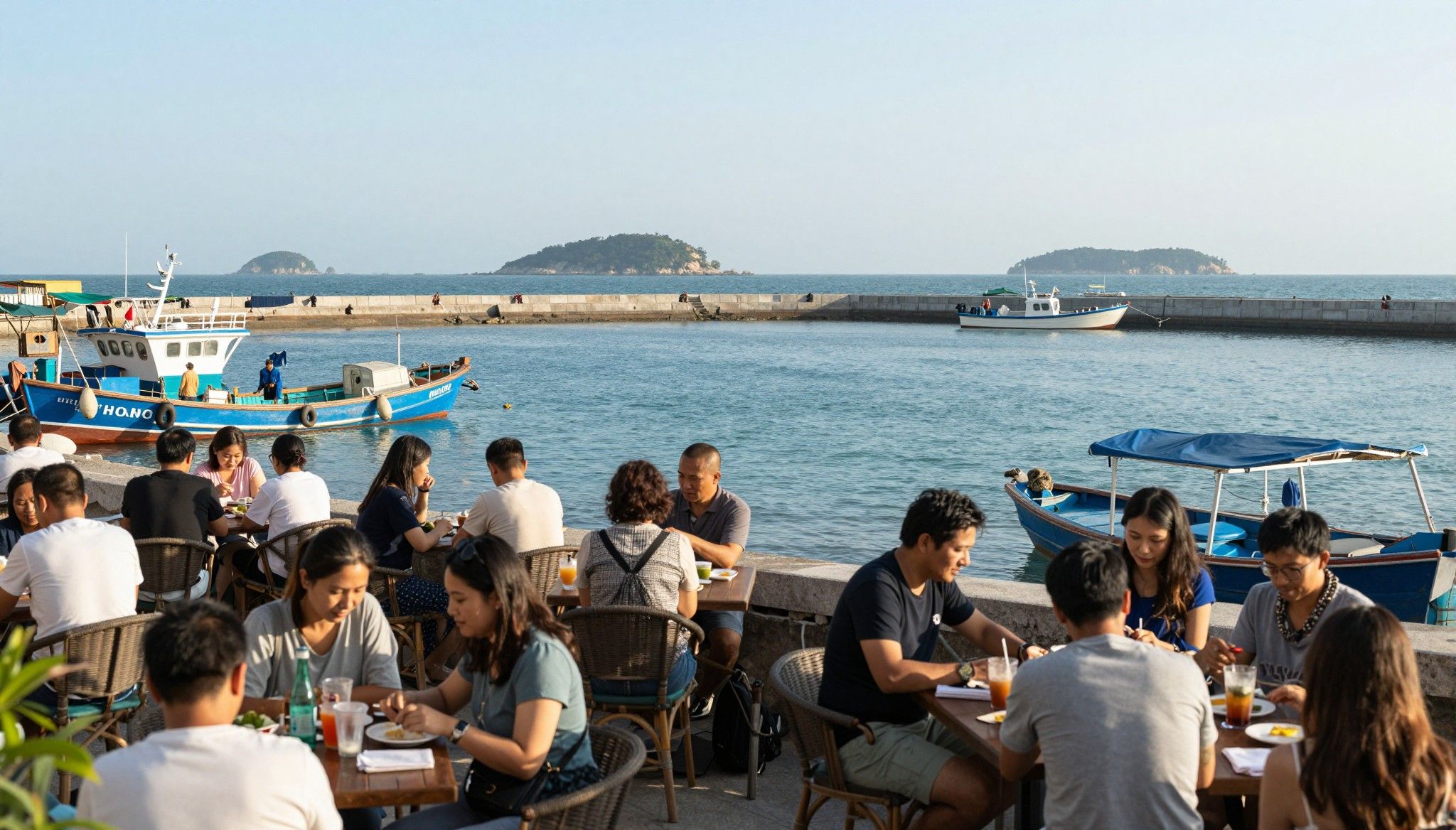
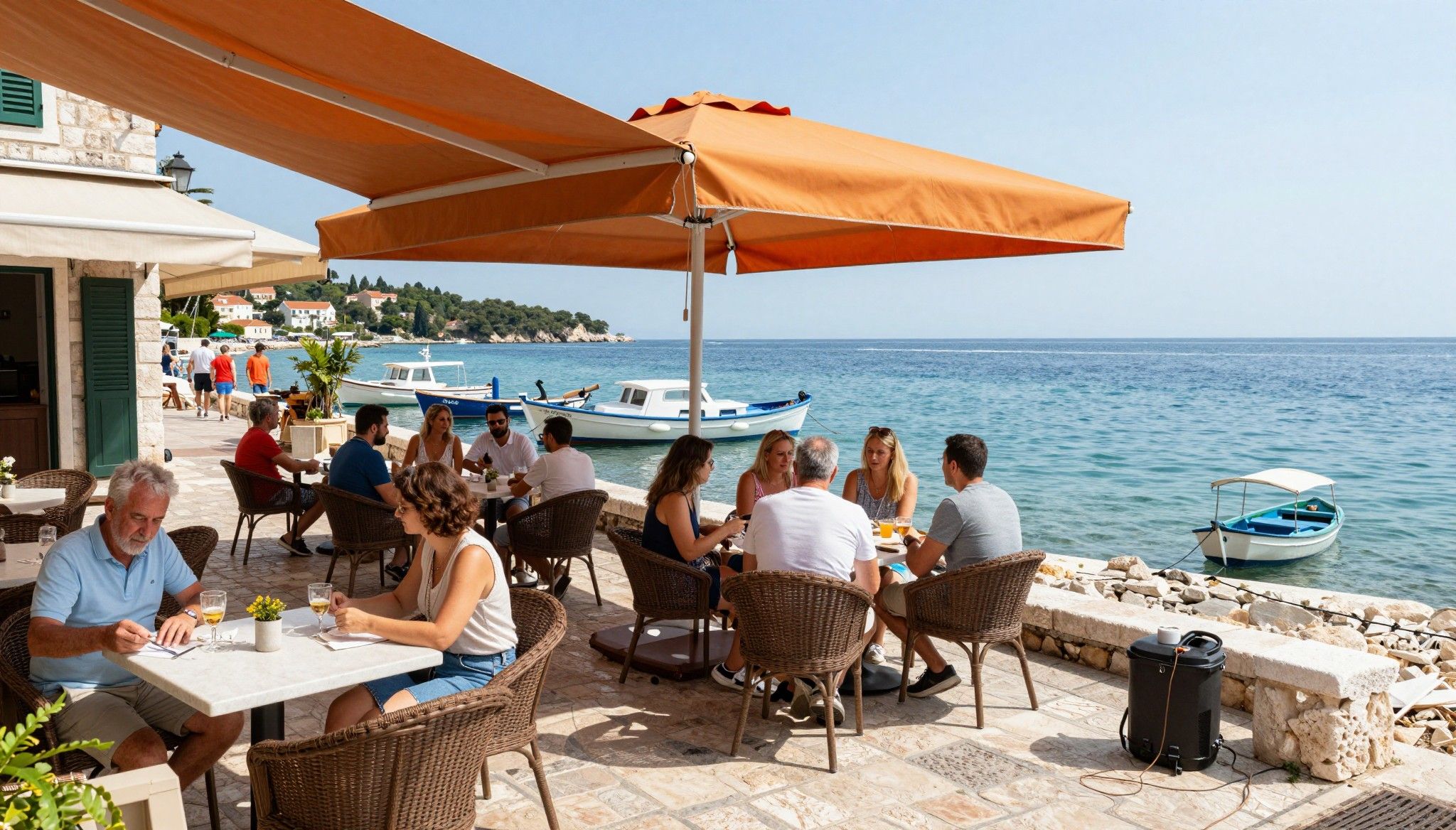
Croatia is both Mediterranean and continental: morning markets and pebble beaches on the Dalmatian coast, wide tree‑lined promenades in Rijeka, and a quieter, agricultural hinterland in Slavonia. Daily life is local—neighbourhood bakeries, small fish restaurants (konobas), and summer festivals that animate streets and lift short‑term rental demand. That pattern of intense summer activity and quiet off‑season stretches defines the rental economics for many coastal properties.
Zagreb, Split, Dubrovnik — different rhythms, different yields
Zagreb behaves like a mid‑sized European capital: steadier year‑round demand from business and university tenants. Split and Dubrovnik spike with summer tourism and command premium prices per m² — Dubrovnik’s limited stock and UNESCO halo lift capital values but compress net yields. For buyers prioritising steady rental income, inland cities and Zagreb suburbs often offer better net yields than central coastal hotspots.
Food, festivals and seasonal reality
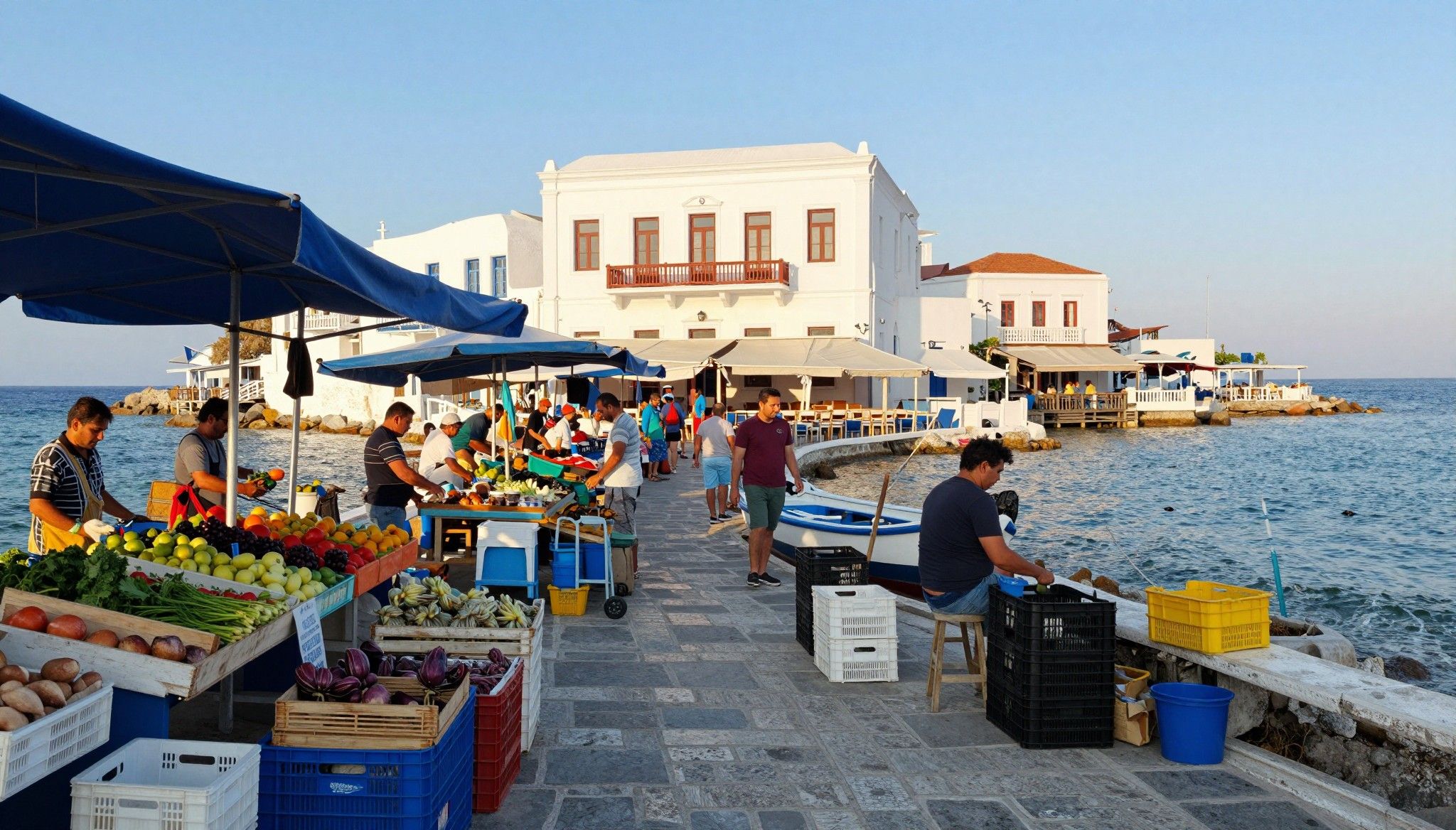
Picture walking through Dolac market at 08:00, tasting fresh oysters on Mali Ston at lunch and joining a seaside jazz night in Bol by evening. Tourism numbers remain high (over 20 million arrivals in 2023), which sustains short‑term rental pools along the Adriatic but also pushes seasonal operating costs and management complexity for owners who rent to holiday makers.
- Lifestyle highlights that shape buyer choices: - Morning markets: Dolac (Zagreb) and Pazar (Split) anchor neighbourhood life - Beaches: Zlatni Rat (Brač) and Banje (Dubrovnik) influence price premiums nearby - Island ferries: affect tenant turnover and short‑term occupancy windows - Festivals: Ultra, Outlook and Dubrovnik Summer Festival spike demand - Local cafés: espresso culture on Istrian promenades supports walkable neighbourhoods
Making the Move: Practical Considerations with a Lifestyle Lens
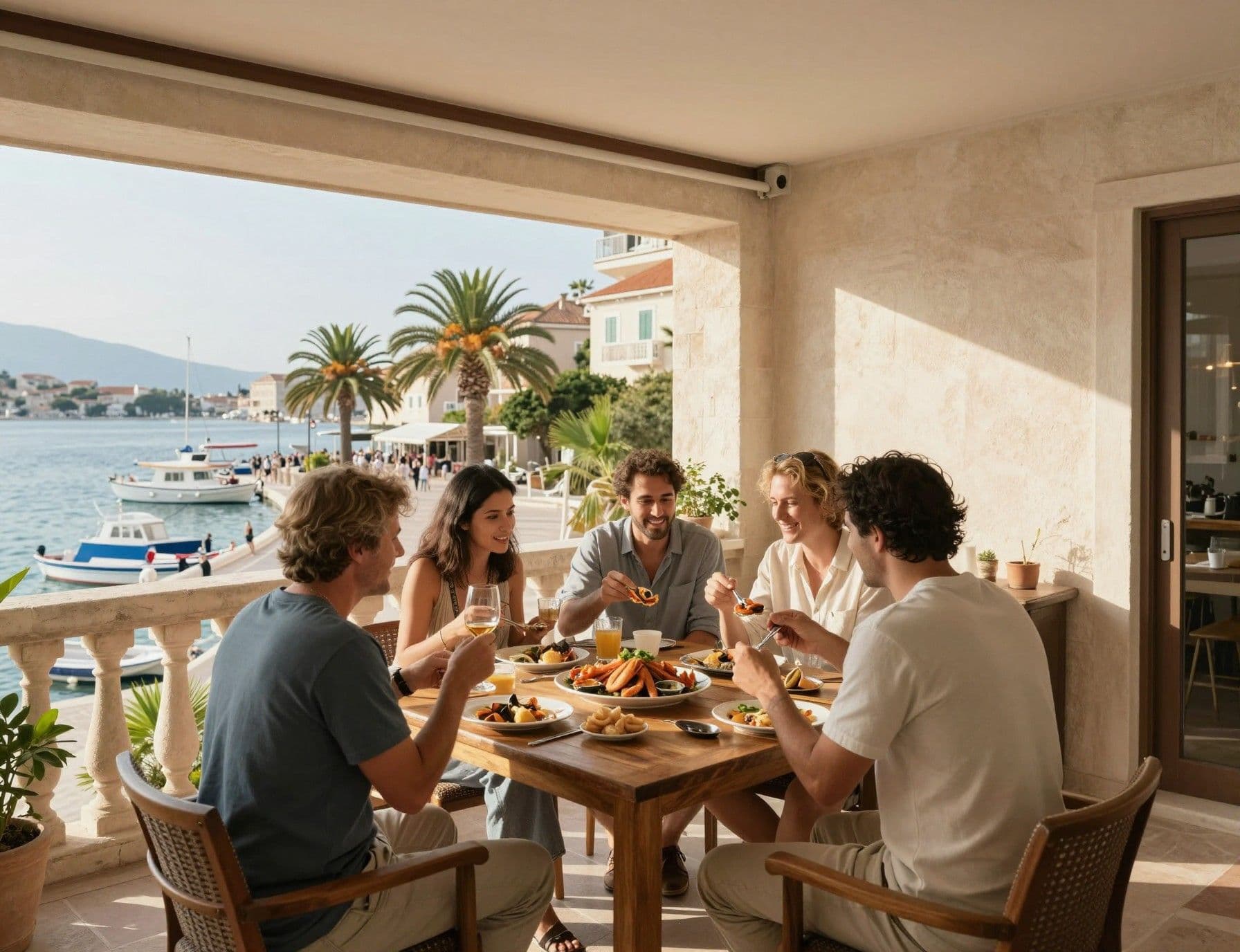
Match the lifestyle you crave with market reality. National house‑price indices show multi‑year growth concentrated in coastal and Zagreb markets; that momentum lifts asset values but reduces initial yields. International buyers should translate headline price growth into forward yield scenarios: expected gross yield, vacancy seasonality and realistic operating costs.
Property styles and how you’ll actually live
Stone houses on island streets offer authenticity and summer rental appeal but often require higher maintenance and renovation budgets. New builds near Zagreb or in Rijeka suburbs deliver modern systems, lower upkeep and more stable year‑round tenant pools. Consider life‑use: a restored coastal apartment is a seasonal lifestyle play; a suburban two‑bed in Zagreb is a cashflow engine.
Working with local experts who actually understand seasons
- Steps to align lifestyle goals with investment fundamentals: 1. Build a seasonal cashflow model (project monthly occupancy and realistic nightly rates) 2. Inspect infrastructure (ferry schedules, road access, year‑round services) 3. Factor in management costs (short‑term property managers cost more but lift revenue) 4. Price renovation vs rental premium (calculate payback on upgrades aimed at high‑season guests) 5. Validate demand with local booking data (ask agencies for anonymised OTA metrics) 6. Stress‑test for off‑season vacancy and maintenance peaks
Insider Knowledge: What Expats Wish They’d Known Before Buying
Experienced expats say: don’t buy the postcard view without buying the year‑round story. Tourism is growing (joined the Eurozone and Schengen recently), which removes currency friction and increases comparability, but it also raises local costs during peak months. Expect higher service fees, stricter rental rules in some municipalities, and variable infrastructure quality between islands and the mainland.
Cultural integration and daily routines that affect living choices
Croatians value local ties: neighbourhood social life, small family businesses and seasonal second‑home culture. Speaking basic Croatian accelerates integration and helps with local tradespeople and municipal processes. For long‑term owners who plan to rent, building relationships with local managers and neighbours reduces friction and improves tenant retention.
Long‑term lifestyle and market outlook
- Forward‑looking factors to weigh: - Schengen and Euro adoption: easier travel, potentially higher buyer competition - Infrastructure projects: ferry upgrades and road links materially alter island economics - Demographic shifts: ageing inland populations vs. younger coastal hospitality workforces - Climate exposure: sea‑level considerations, water supply on small islands, and insurance availability - Policy risk: municipal short‑term rental rules and preservation laws in historic centres
Practical next steps: visit in shoulder season (April/May or October) to see the real year‑round rhythm; request local booking data from agencies; model worst‑case vacancy; and build a renovation estimate into your purchase price. These steps preserve the lifestyle you want while keeping returns realistic.
Conclusion: Croatia sells a life — pebble beaches, markets, island time — and that life can produce good returns when matched with data. Use official statistics and local OTA metrics to quantify seasonality, pick locations that match your yield tolerance (Zagreb for steadiness, selected Adriatic towns for seasonal upside), and partner with agents who provide anonymised demand data and local cost forecasts. Fall in love, but bring a spreadsheet.
Dutch investment strategist who built a practice assisting 200+ Dutch clients find Spanish assets, with emphasis on cap rates and due diligence.