Why Greece’s Summer Mirage Can Mislead Investors
Greece’s romance masks seasonal economics: balance neighbourhood lifestyle with yield modelling, legal checks and policy awareness to buy with confidence.
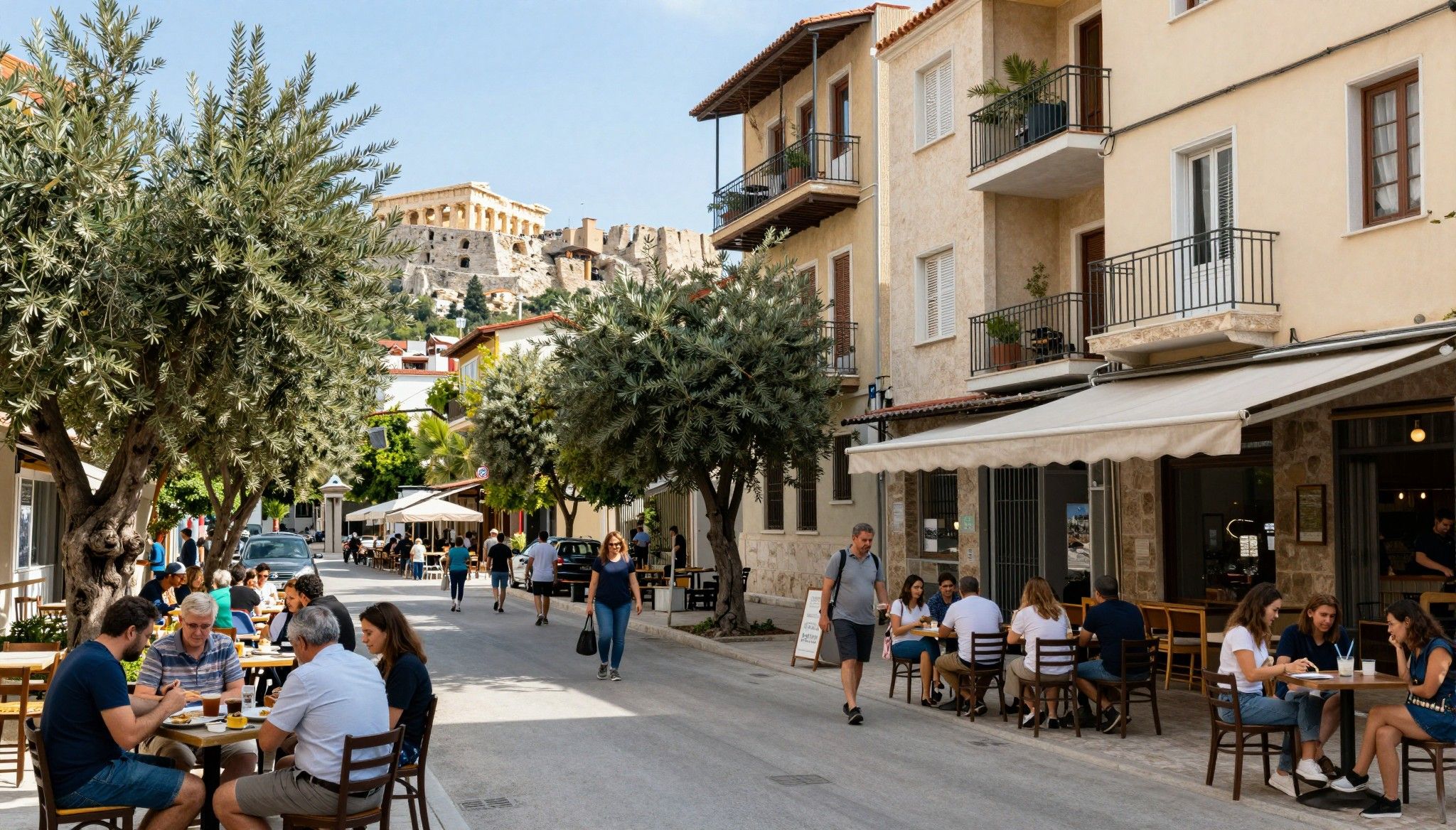
Imagine sipping an early-morning espresso on a shaded table in Plaka while a delivery van hums past — the city smells of citrus and sea, and a restored neoclassical building across the road lists as a short-term rental. Greece sells a life: slow breakfasts, harbour afternoons and festivals that stitch neighborhoods together. For international buyers that romance is irresistible, but the market often behaves differently than the postcard suggests. This piece pairs sensory neighbourhood snapshots with hard market signals so you can assess where lifestyle aligns with realistic returns.
Living the Greece lifestyle: more than islands
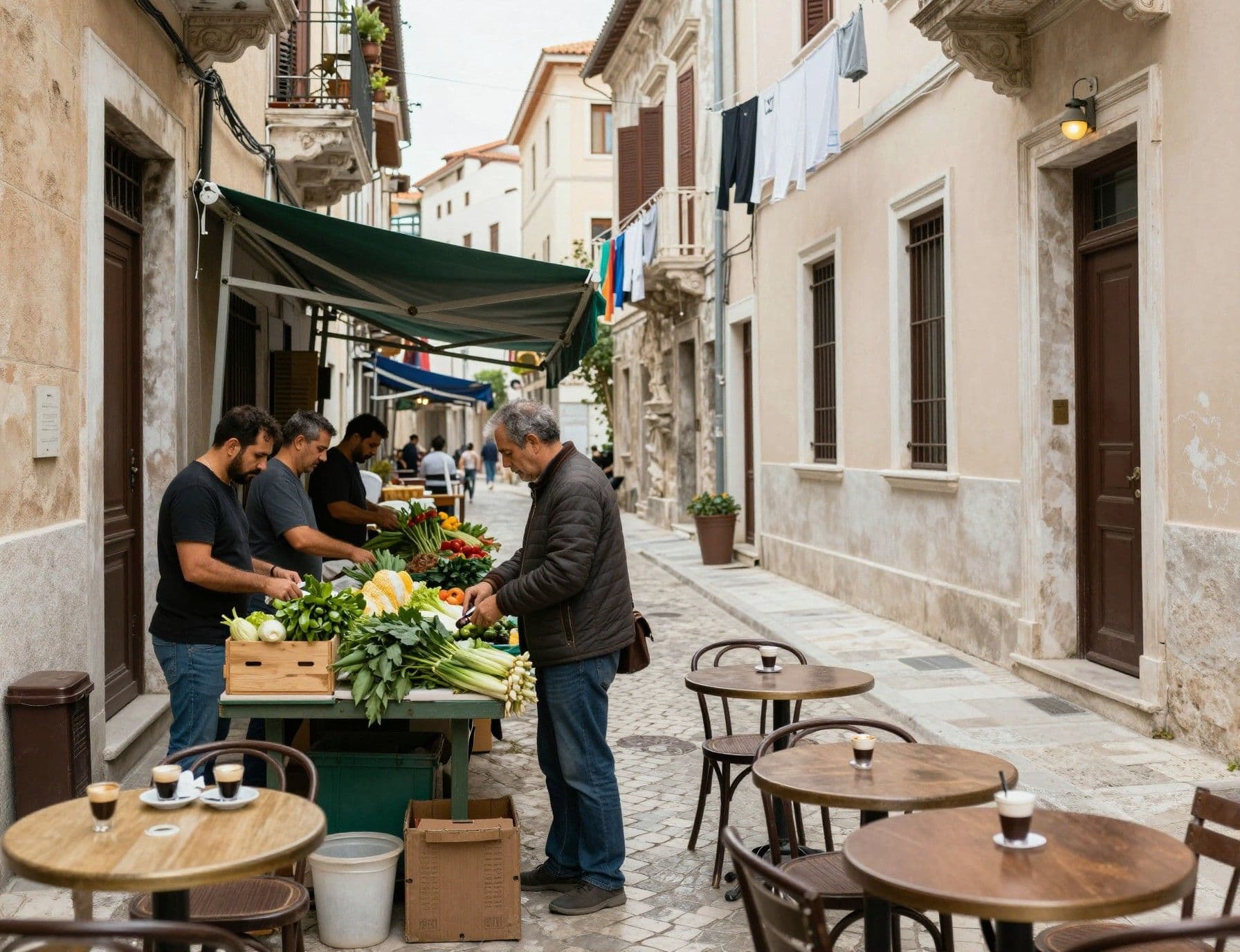
Greece is shorthand for islands, but day-to-day life ranges from Athens’ layered neighborhoods to quiet Peloponnese villages. Streets in Koukaki and Pangrati buzz with cafés and amateur football matches; in Chania you trade a trampling of footsteps for tavernas opening late under bougainvillea. Weather shapes routines: winters are mild-ish in the south, and summers concentrate social life outdoors — a factor that inflates short-term demand and skews visible market sentiment.
Athens neighbourhoods: lived-in authenticity
Walk from Monastiraki to Koukaki and you feel the housing market in motion: renovated walk-ups next to 1970s flats, students sharing apartments, and a steady stream of short-stay visitors. Neighbourhood micro-markets matter — Exarcheia’s price profile differs from Kolonaki’s light and immediately affects attainable yields. For lifestyle buyers who want urban life with rental upside, focus on street-level demand drivers: proximity to metro stops, universities, and established cafés with year-round footfall.
Islands and coast: seasonal intensity
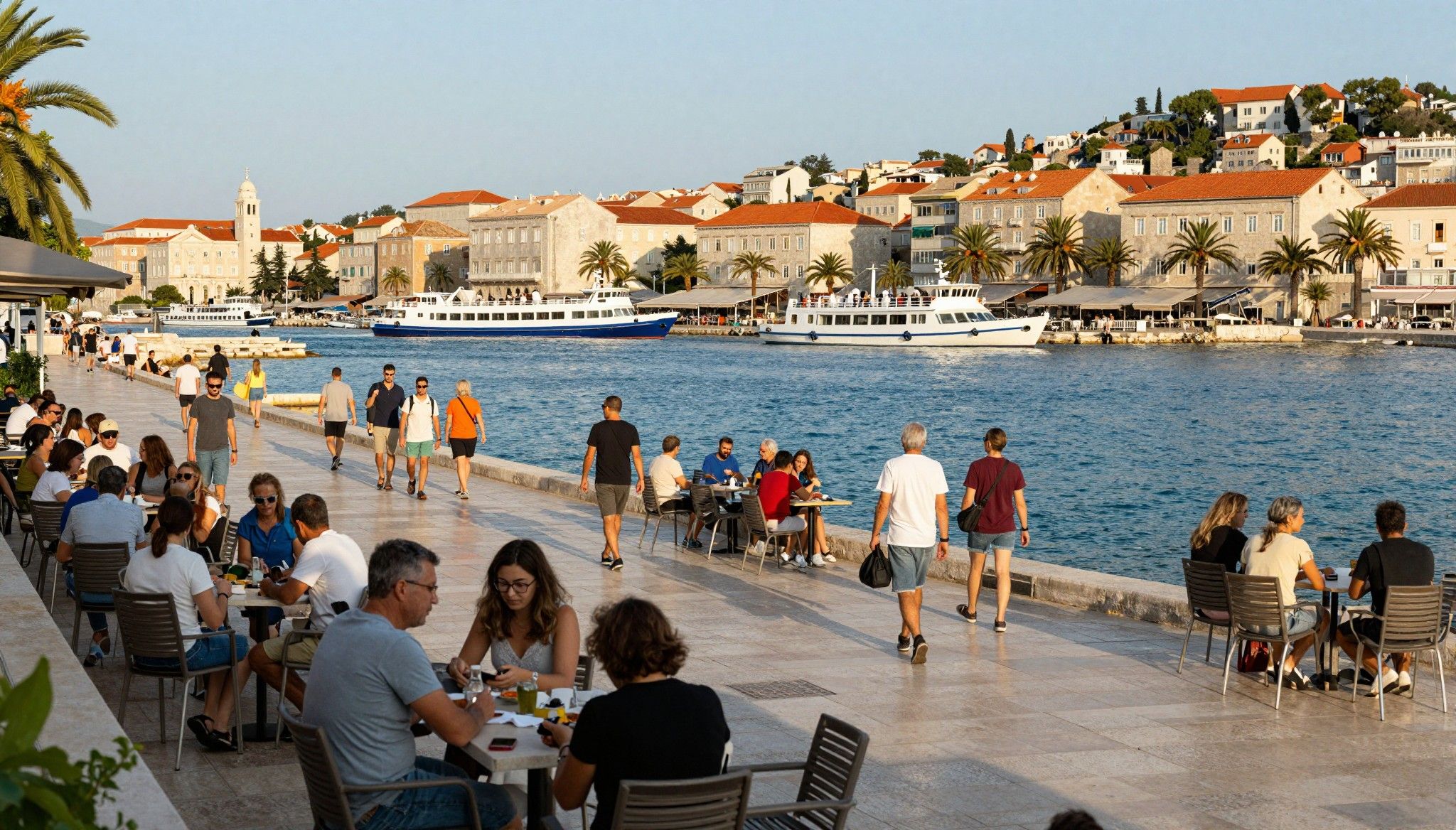
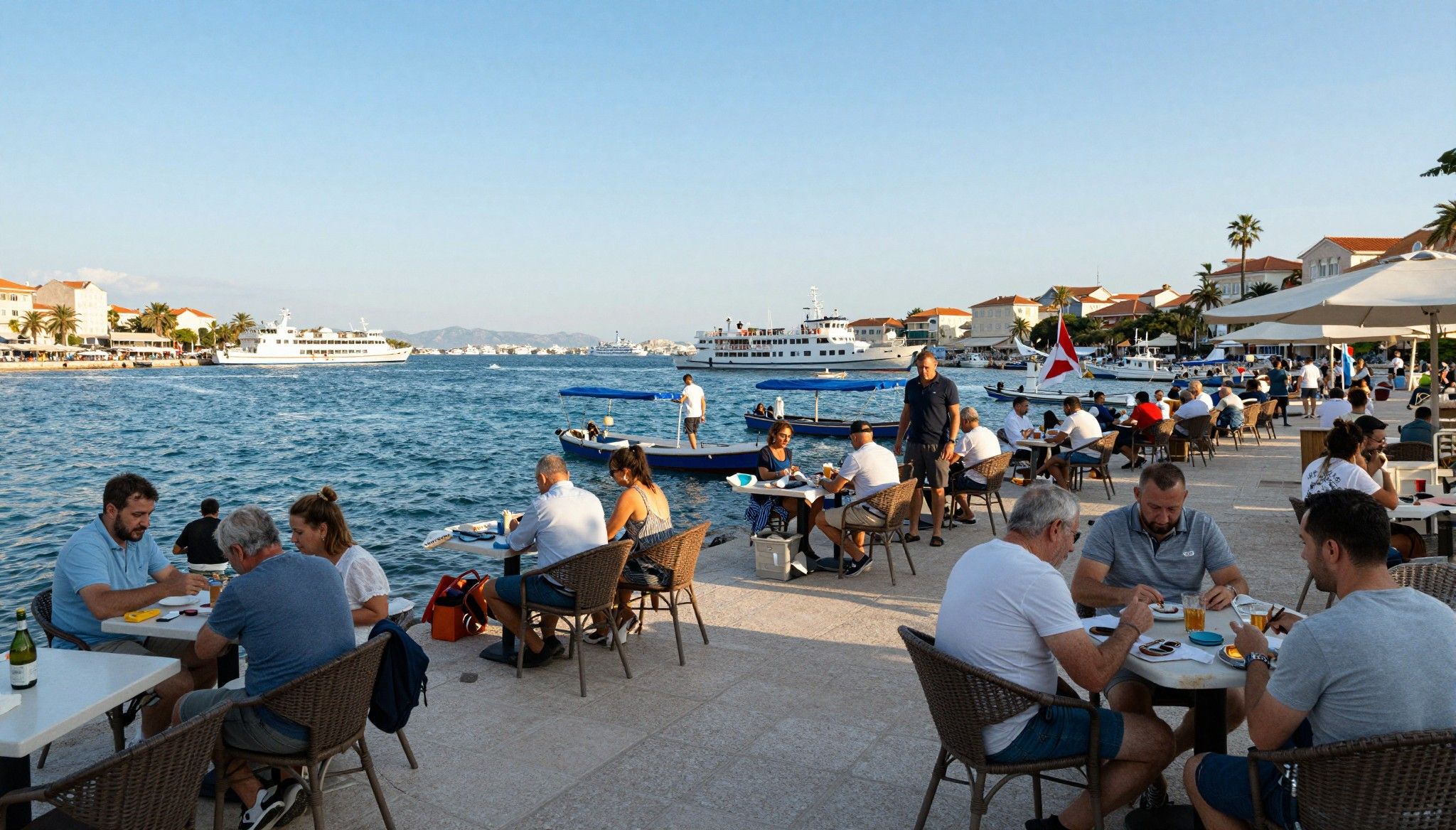
Mykonos and Santorini are global brands: high headline prices, limited stock and extreme seasonality. Smaller islands — Naxos, Paros, Tinos — blend stronger local economies with seasonal peaks. That seasonality inflates headline occupancy and can hide long voids; a seaside apartment that looks like a cash machine in August may sit empty in November. If you buy for lifestyle, accept that island life means accepting seasonal income variance or paying for year-round use.
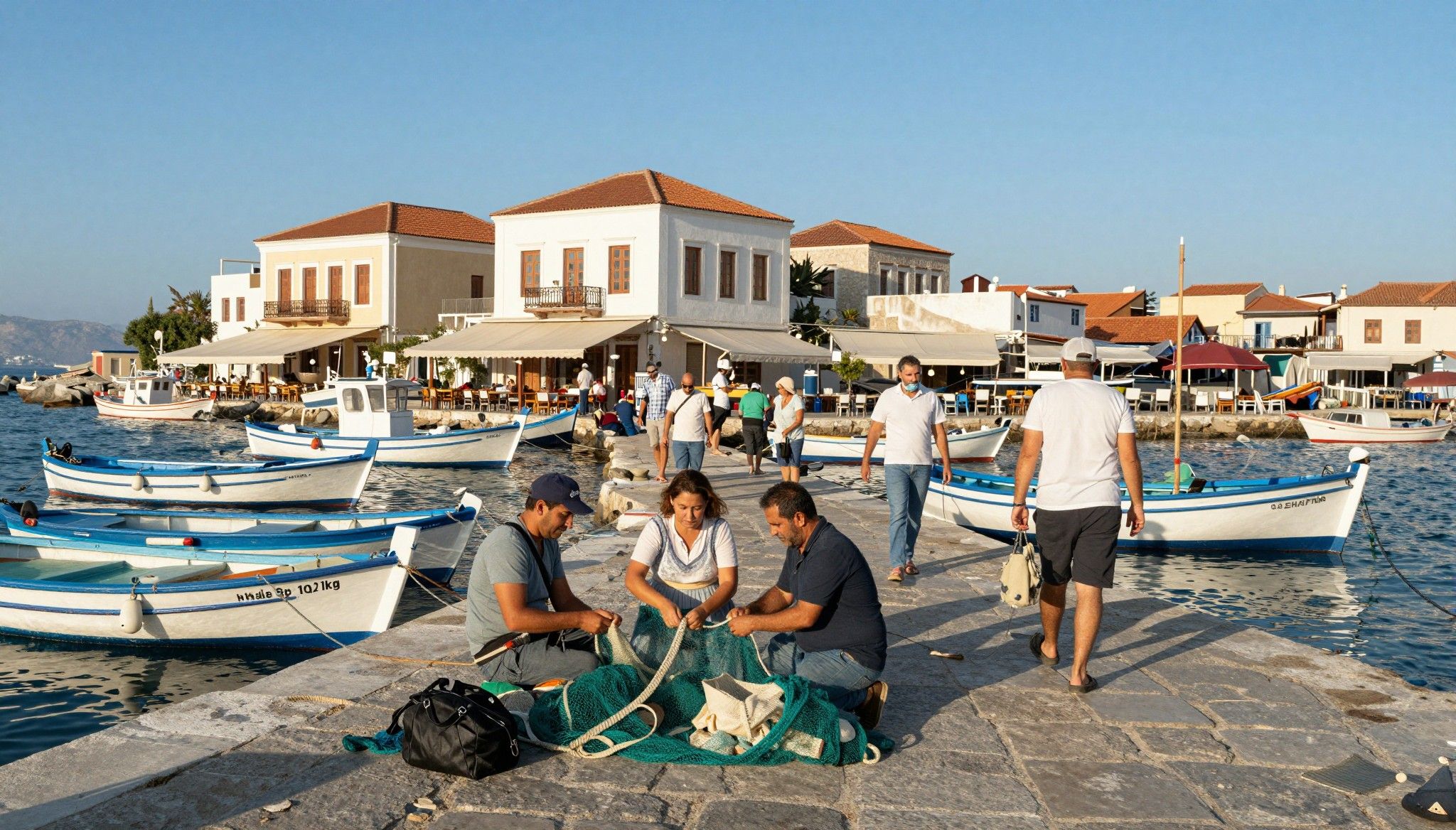
- Athens coffee-culture streets (Kafeneia on Drakou, Koukaki); Chania’s Saturday market on Halidon; Paros fishing quay at Punda; Vouliagmeni lake swims and cafes; Little Venice bars in Mykonos off-season; Mount Parnitha hikes outside Athens.
Making the move: practical considerations that preserve lifestyle value
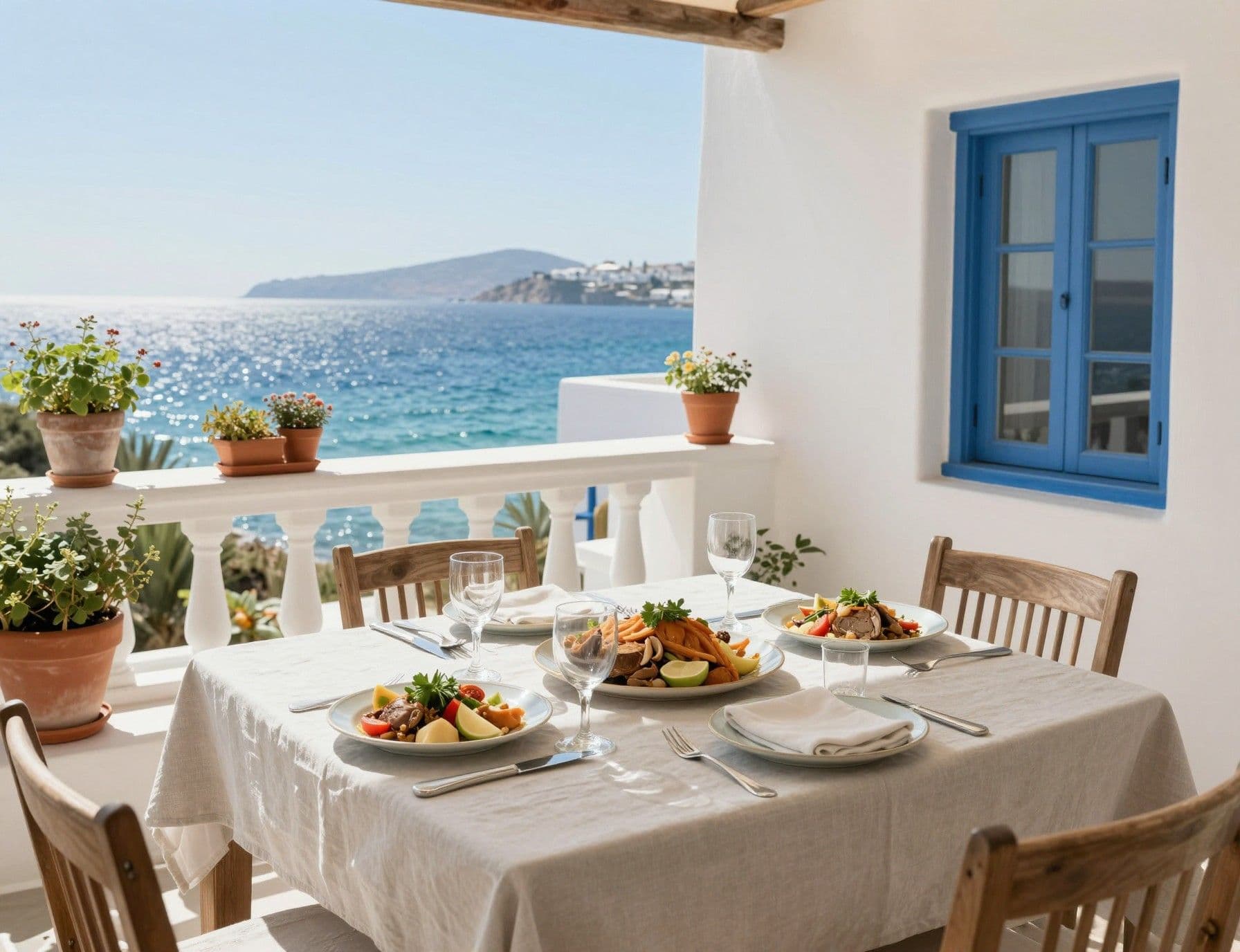
Lifestyle choices should inform asset selection, but investors must translate charm into metrics. Greece’s national indices show sustained price growth in recent years, while gross rental yields commonly range in the mid‑single digits — a tradeoff between capital appreciation and current income. Use local price-per-square-metre and realistic net-yield models rather than tourist-season occupancy figures when you model returns.
Property types: how architecture maps to returns
Classic Athenian flats (pre-war to 1970s) often require modest renovation and appeal to long-term renters, delivering steadier yields. Luxurious island villas price in higher growth corridors but carry higher maintenance, seasonality and insurance costs. New builds—limited in central Athens and popular islands—command higher premiums; factor in VAT, warranties and lower immediate cap rates when comparing to renovated walk-ups.
Working with local experts who blend lifestyle and numbers
Pick advisors who quantify lifestyle drivers. Ask agents for historical occupancy by month, maintenance averages by property type, and documented local rental contracts. A capable lawyer and a chartered surveyor will flag planning constraints on islands, especially for coastal setbacks or listed buildings — constraints that change both use and value. Local agencies should provide comparables that separate tourist-season headline rents from sustainable annualised income.
- Compare net yields (after management, taxes, insurance); verify month-by-month occupancy data; require 3 years of operating statements for short‑term rentals; budget 5–10% annual maintenance for older builds; confirm permit status for conversions or commercial-to-residential changes.
Insider knowledge: myths, red flags and what expats wish they'd known
Three myths recur among international buyers: that islands always outperform, that ‘sea view’ guarantees higher yields, and that residency-by-investment is a passive shortcut. Recent legal revisions to residency thresholds and concentration of demand make policy-aware buying essential. Expats often underestimate administrative timeframes and the paperwork for converting tourist-use licences to year-round rentals — a delay that affects cashflow projections.
Cultural and operational red flags
Watch for unclear title chains on older rural properties, seasonal municipal rules that restrict short‑term lets, and properties sold ‘as-is’ without energy certificates — each can add months and tens of thousands in costs. Local contracts frequently use Greek legal formulations; insist on translated, line-by-line explanations from your lawyer. Expect bureaucracy to be slower than in Northern Europe — schedule time buffers in your acquisition timeline.
Long-term perspective: how lifestyle choices age into portfolio value
Greece’s market posted above-average price growth through 2024–25, driven by tourism, domestic demand and constrained new supply. For investors, that means capital appreciation prospects are real but uneven: city-centre assets with year-round demand will likely smooth returns, while island properties depend on either premium pricing or diversification across seasons. Treat Greek property as a blended strategy: some assets for steady rental income, others for episodic high-season returns.
- Model both net yield and price-growth scenarios; stress-test for 30–50% off-season occupancy; include periodic renovation cycles; plan exit windows outside peak season; consider professional property management to protect occupancy and net yields.
If your reason to buy in Greece is lifestyle, remember the market will reward clarity: define whether you want stable rental income, occasional personal use, or residency benefits. Start with a neighbourhood that matches daily life — not just Instagram views — and let local data (price per sqm, documented occupancy, permit history) guide the purchase. When lifestyle and spreadsheet align, Greece becomes both a home and an asset.
Next steps: request month-by-month rental data from shortlisted agents, commission a survey and legal audit before making offers, and ask agencies to model net yield under conservative occupancy assumptions. Agencies that combine neighbourhood knowledge with documented operating history will be your best partners in preserving both lifestyle and returns.
Dutch investment strategist who built a practice assisting 200+ Dutch clients find Spanish assets, with emphasis on cap rates and due diligence.