Seasonal premiums vs. steady rents: Croatia’s yield map
Croatia blends coastal seasonal premiums and steady urban rents; model net yields with conservative occupancy, verify legal routes early, and prioritise documentary evidence over photos.
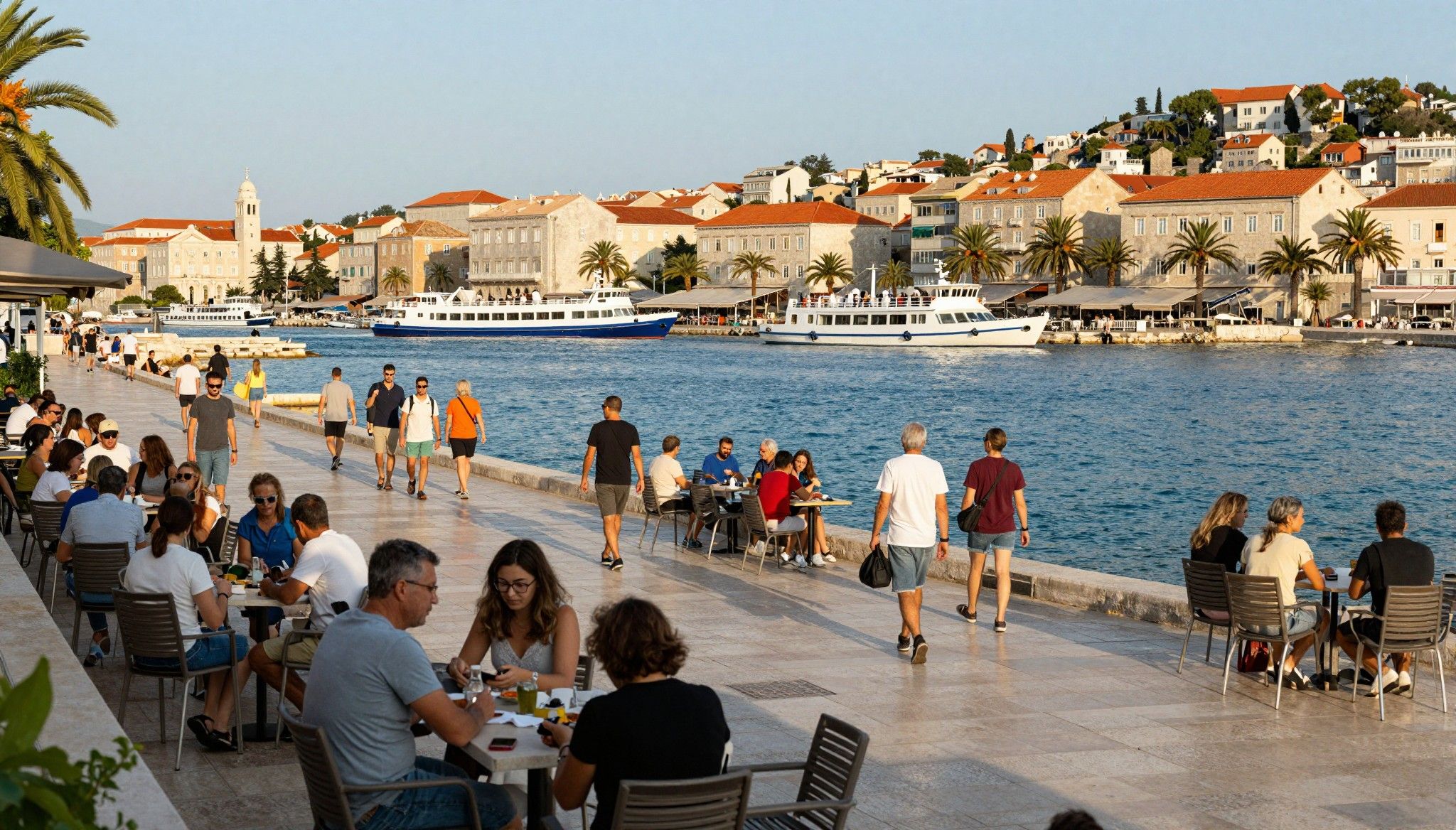
Imagine sipping an espresso on Split’s Riva at 8 a.m., then stepping into a riverside tram in Zagreb by noon — Croatia compresses Adriatic leisure and Central European practicality into one compact country. That duality matters for buyers: lifestyle demand (summer tourism on the Dalmatian coast) and year‑round rental demand (Zagreb’s professional base) create distinct pockets of price growth and rental yield.
Living the Croatia lifestyle
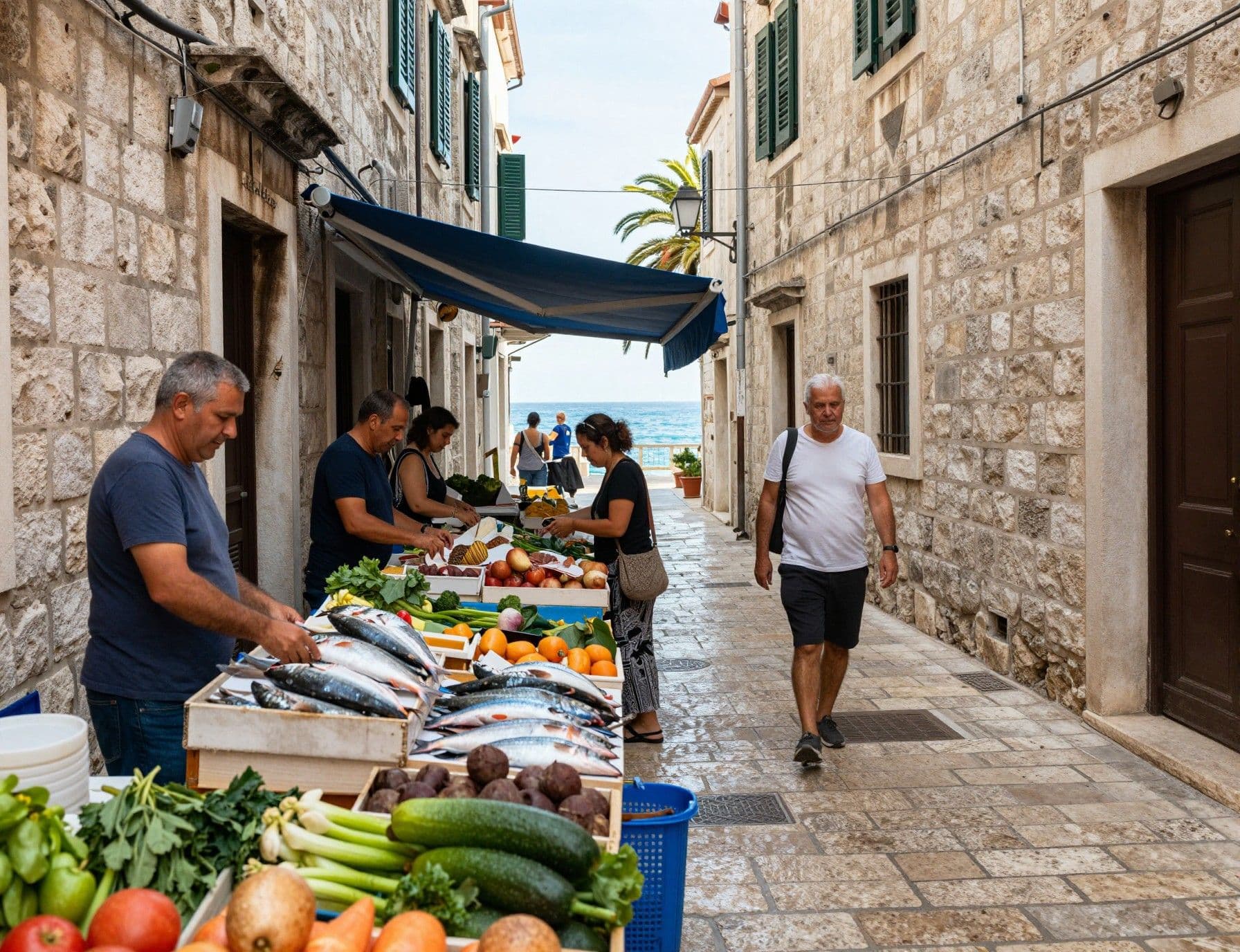
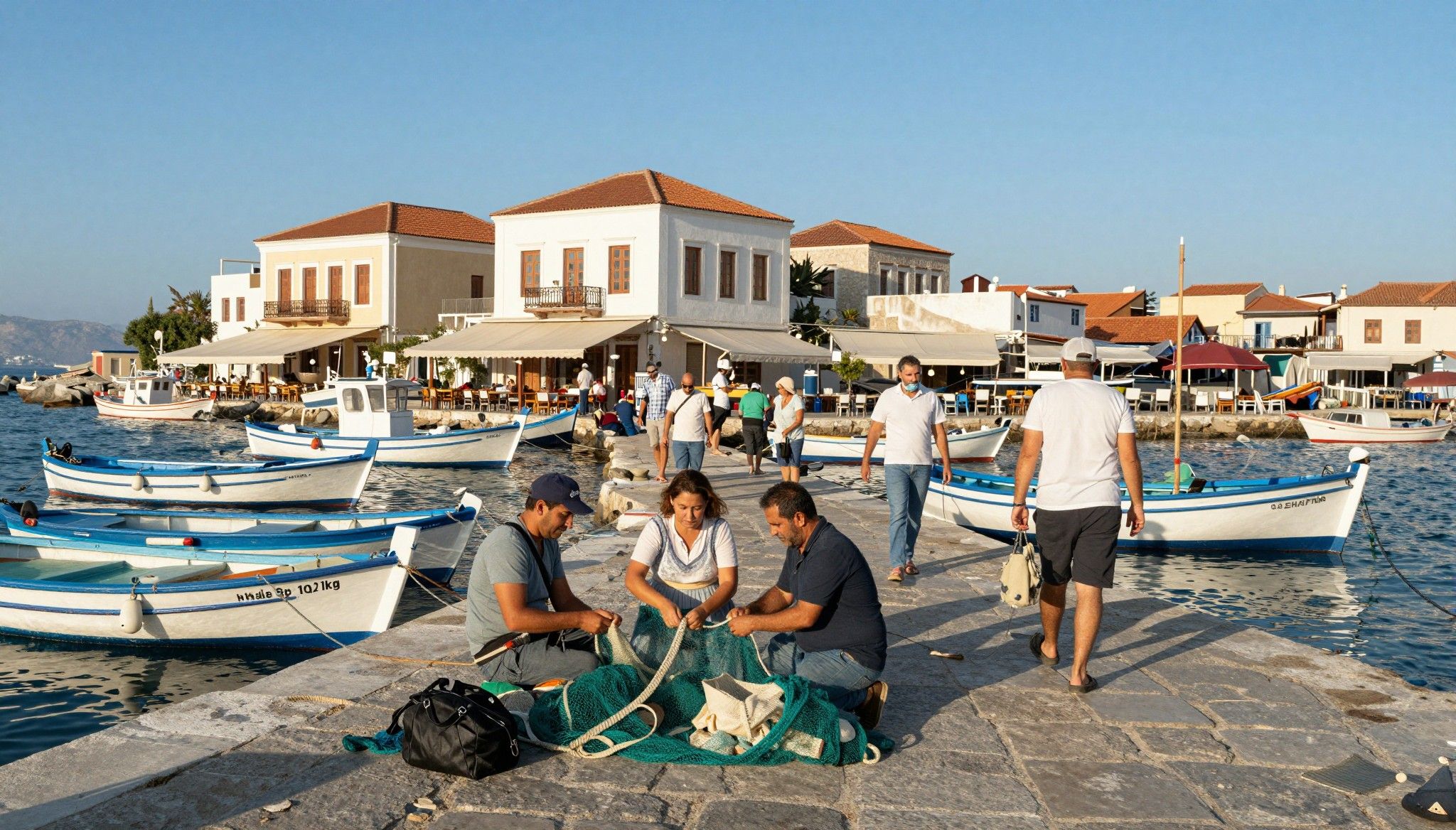
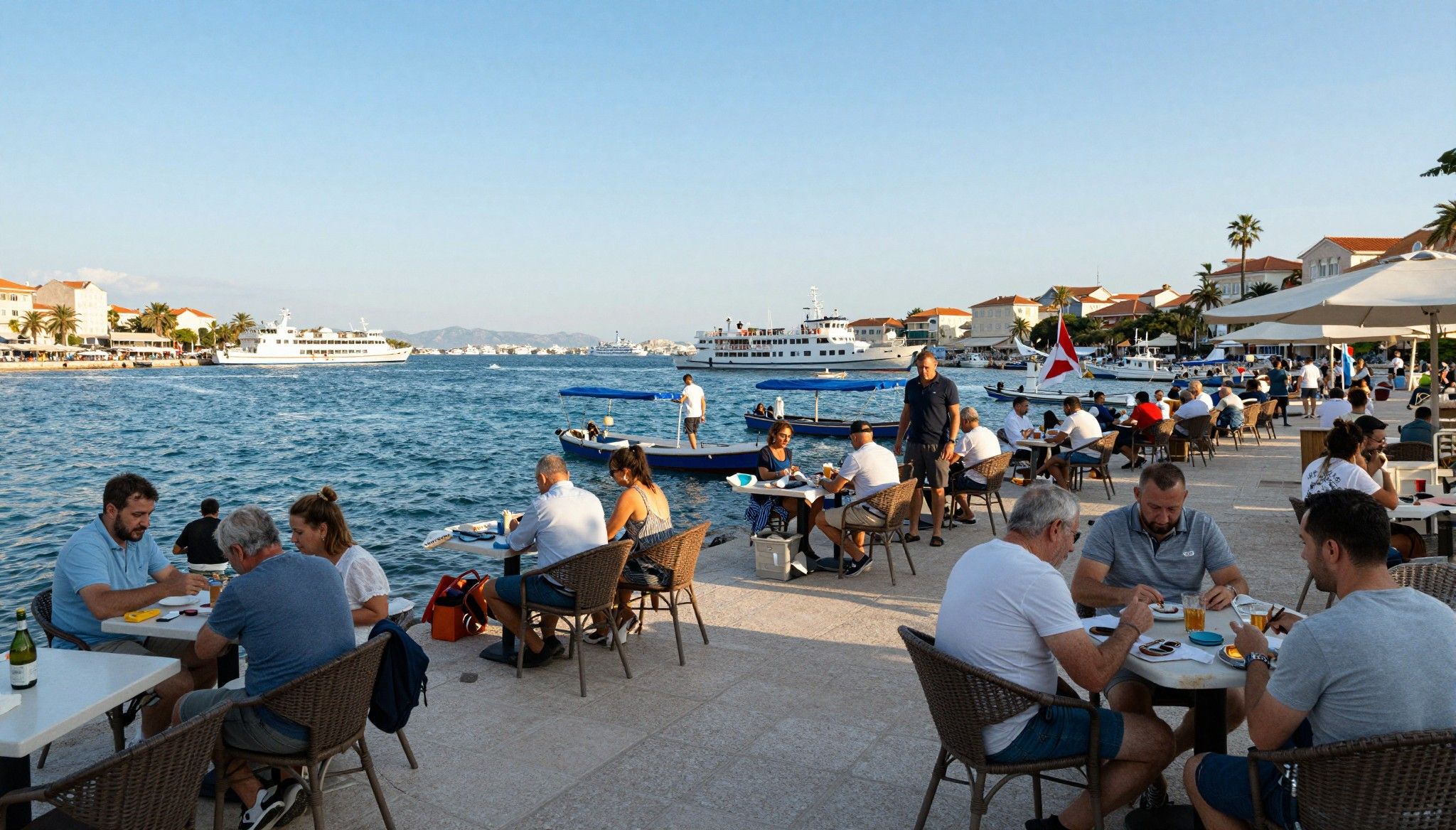
Life in Croatia runs on a seasonal pulse. Coastal towns such as Dubrovnik, Split and Hvar hum with cafes, markets and ferries from late spring to early autumn; inland cities like Zagreb and Rijeka are steadier, with coffee culture, cultural calendars and commuter rhythms. For an investor this means two usable markets: short‑term leisure stays that spike summer revenues, and longer‑term urban rentals that underpin a stable yield.
Dalmatian coast: summer premiums, winter discounts
Walk the stone alleys of Split’s Veli Varoš or the waterfront in Opatija and you feel why coastal prices are higher: sea views, tight supply and heavy tourist demand. Median asking prices per m² on the coast reached above €4,000 in key markets, with Split and Dubrovnik notably higher — an important data point when modelling upside and occupancy assumptions.
Zagreb & inland: steadier rents, lower entry price
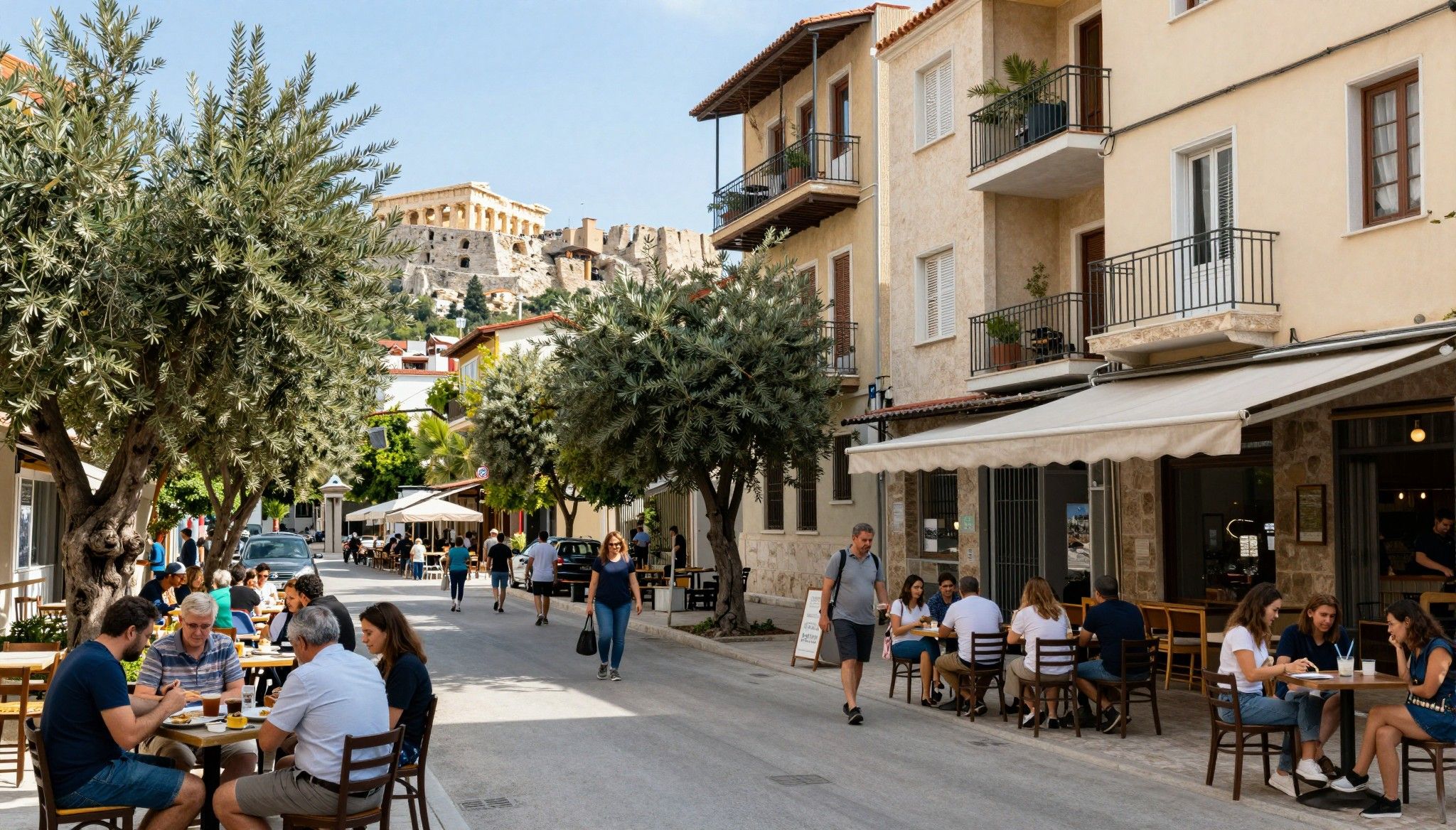
Zagreb offers lower per‑m² entry points (city averages near €2,200–€3,700 depending on dataset) and more predictable long‑term tenancy. For investor portfolios seeking steady gross yields, this is where cap‑rate math usually stacks up better versus coastal holiday flats that deliver higher seasonal income but more vacancy risk.
Making the move: practical considerations

Croatia is EU‑member friendly for buyers from EU/EEA states; non‑EU buyers face additional consent rules or can structure purchases through local companies. That legal boundary changes where you look: if ease of acquisition matters, prioritise coastal areas with established agency expertise and make structure choices early in your spreadsheet.
Property types and yield profiles
Typical yield buckets in Croatia: long‑let urban apartments (gross yields ~3.5–5.0%), coastal short‑term rentals (gross yields highly seasonal; model with conservative occupancy), and renovation projects in historic centres (capital appreciation play with project risk). Define whether you need cash‑flow now or are buying for long‑term capital gain.
Working with local experts who know the rhythm
Local agencies and lawyers translate cultural cues — which street rents year‑round versus which responds only to tourists — into acquisition filters. Ask agents for historic occupancy data, utility cost records, and comparable seasonal net yields (after platform fees, cleaning, local tax). Use those facts, not photos, to underwrite returns.
- Ask vendors or agents for these documents before bid: historic occupancy & nightly rates; utility & maintenance invoices for 12 months; proof of building permits and registry extract.
- Step 1: Run a 5‑year yield model (gross → net) including realistic vacancy and platform fees. Step 2: Confirm legal acquisition route (EU vs non‑EU) and tax treatment. Step 3: Obtain a registry extract and building permit history. Step 4: Price renovation and recurring maintenance into TCO; add 10–15% contingency.
Insider knowledge: what expats wish they'd known
Experienced expat owners say: don’t confuse peak summer earnings with annual yield. National indices showed double‑digit YoY growth in 2024–2025, compressing future upside expectations. Model future appreciation conservatively and prioritise cash‑flow properties if you plan to hold through slower seasons.
Cultural and seasonal nuances that affect tenancy
Language and rental norms matter: long‑term tenants often expect different lease terms than short‑stay tourists; utilities and communal maintenance are billed differently across municipalities. These operational details affect net yield and owner workload — budget for a local property manager if you are overseas.
Long‑term lifestyle: when a Croatian buy becomes home
Over five years, many buyers shift from investor mindset to lifestyle owner: renovating to suit year‑round living reduces short‑term rental income but improves capital preservation and quality of life. Factor transition scenarios into your plan: a property can be both a yield engine and a future home — plan the timing and cash buffers.
Conclusion: Croatia sells you both a pace of life and distinct investment regimes. Use coastal markets for seasonal upside, inland cities for stable rents, and local experts to translate street‑level signals into reliable yield assumptions. Start with a five‑year net yield model, verify legal pathways early, and prioritise documentary evidence over staged photos — then go spend that espresso on the Riva and let the numbers work for you.
Swedish financier who guided 150+ families to Spanish title deeds since relocating from Stockholm in 2012, focusing on legal and tax implications.