Why Paris Isn't Always the Safe Buy — Where Yield Lives
France’s price stability masks local winners and losers. Model local demand, stress‑test rents and vacancy, and prefer regional capitals for yield over prestige addresses.
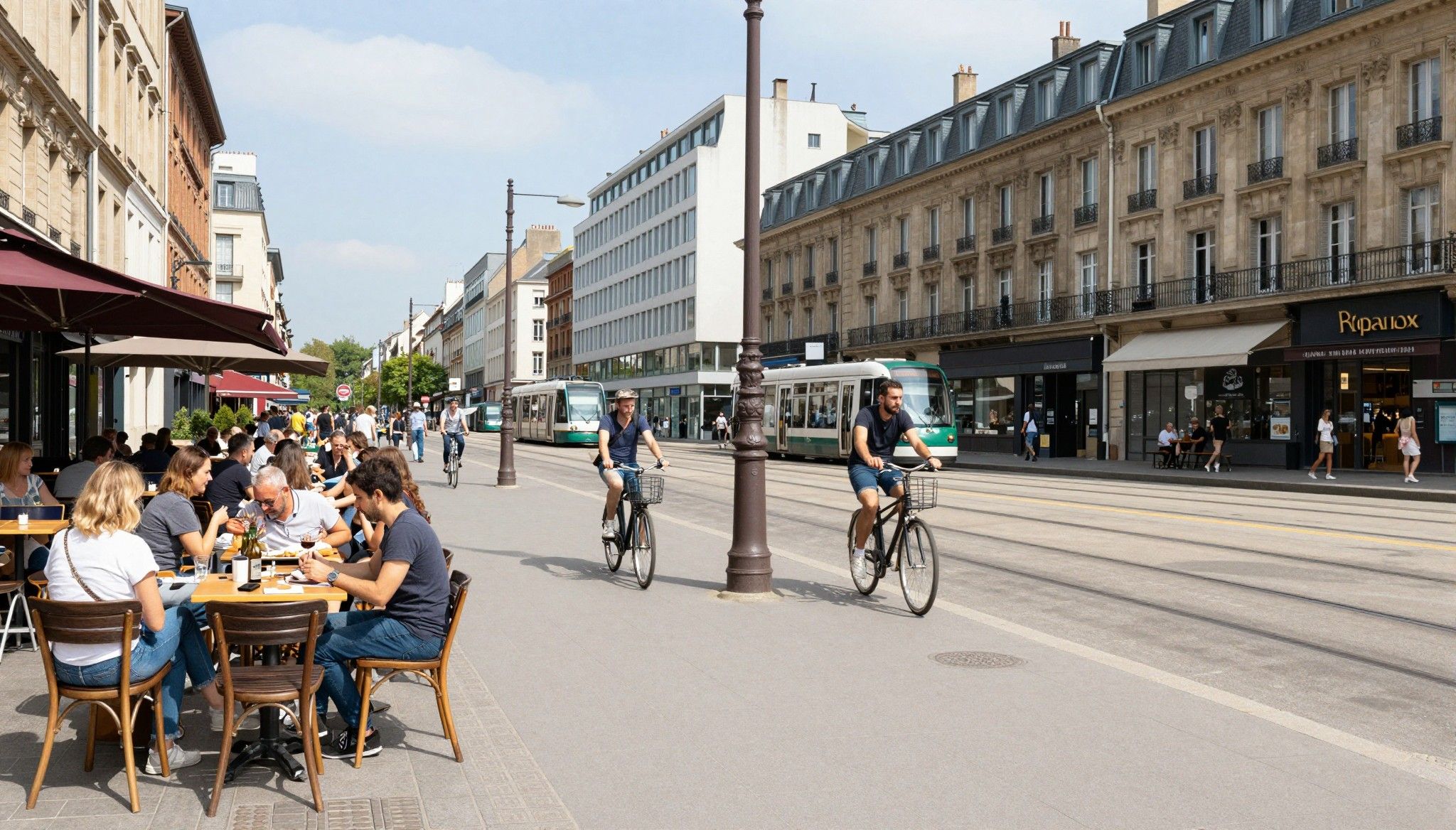
Imagine sipping espresso on Rue Cler, then catching a 20‑minute train to an investment property whose yield actually outperforms your spreadsheet. France seduces with markets that feel timeless — village markets, Riviera light, Haussmann façades — yet beneath the romance lies a patchwork of risk and opportunity. Recent market analysis shows national price moves that are modest, but local variability is large; treating France as one homogeneous market is the single biggest mistake international buyers make.
Living the France lifestyle — and why it matters to yield
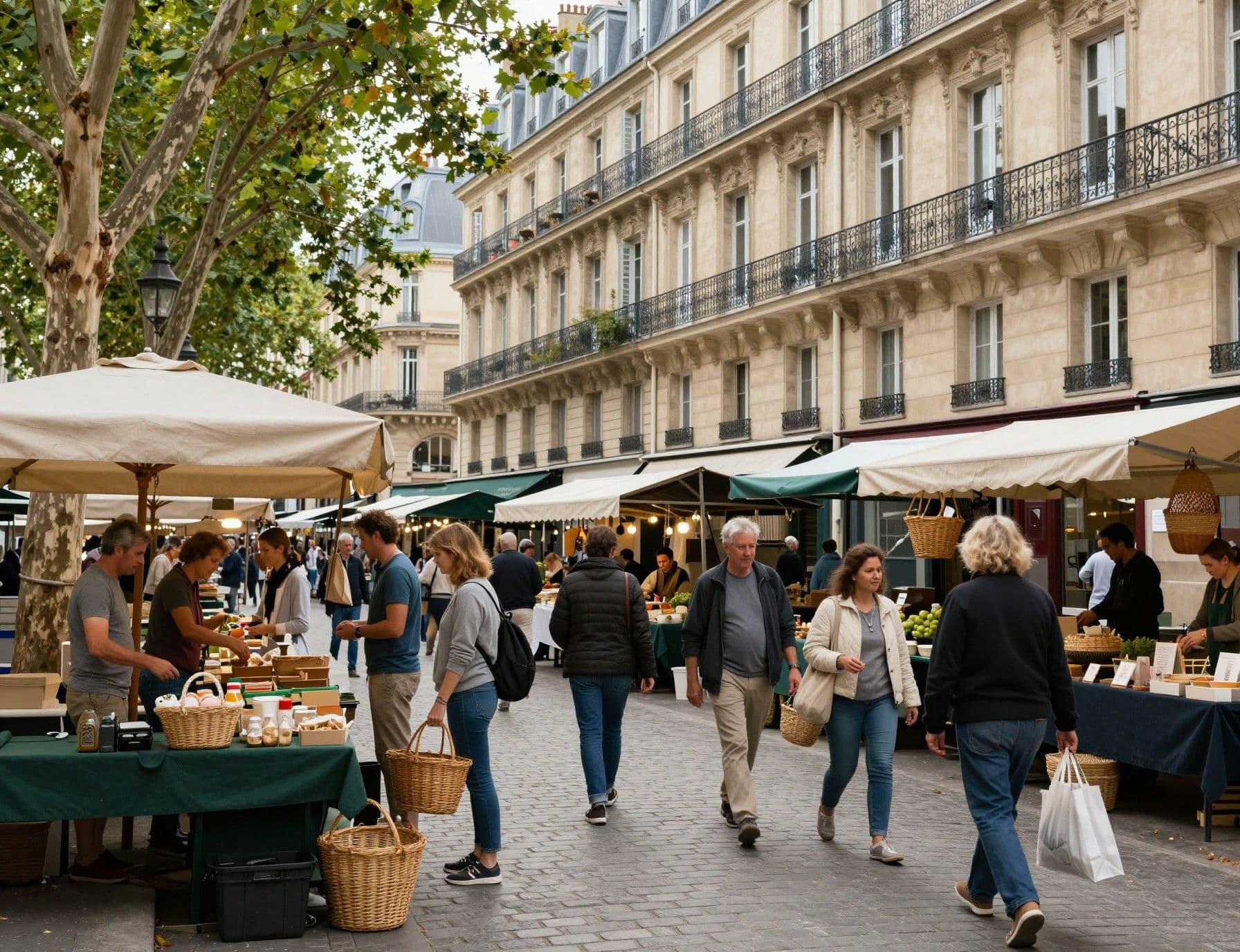
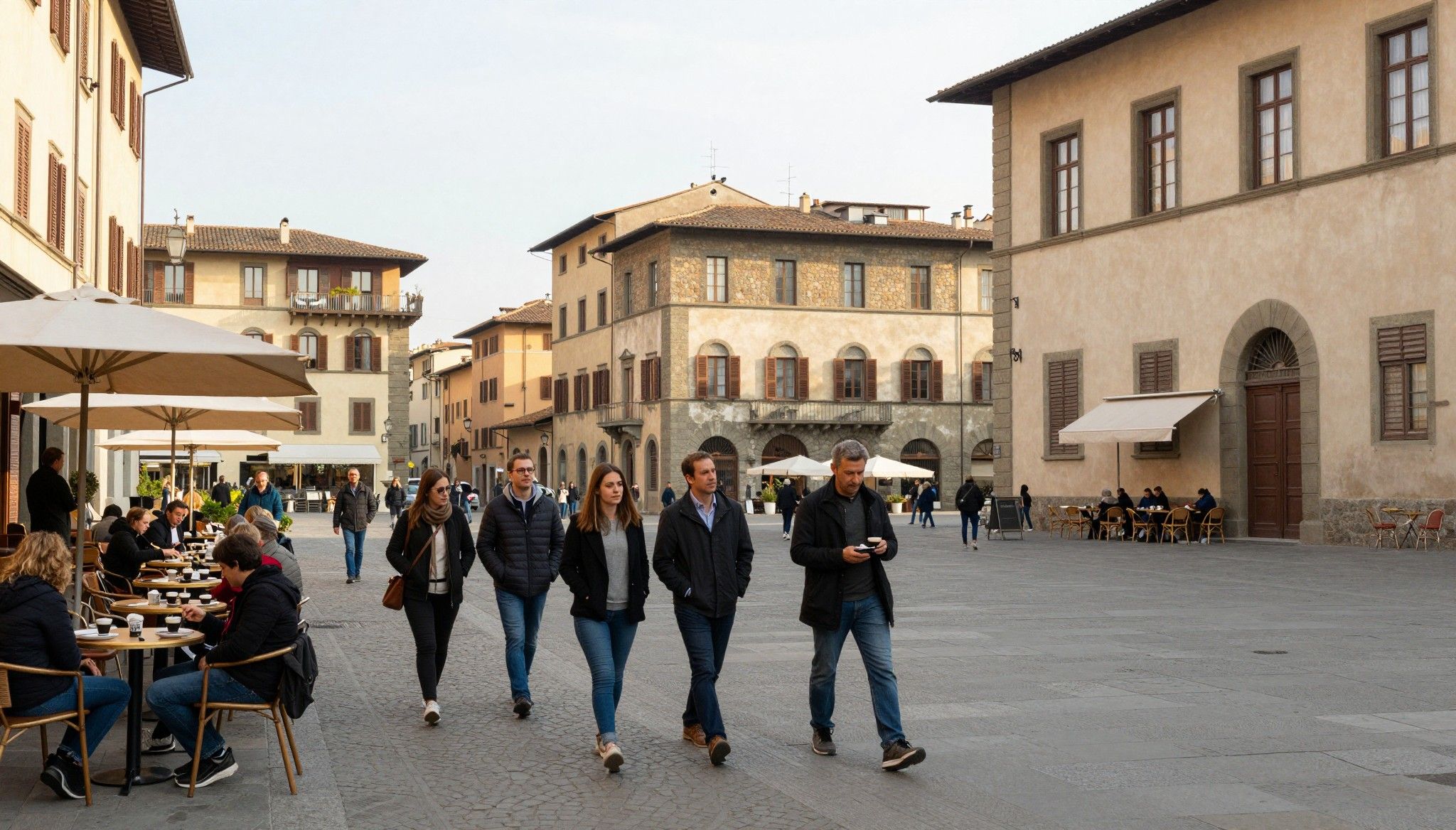
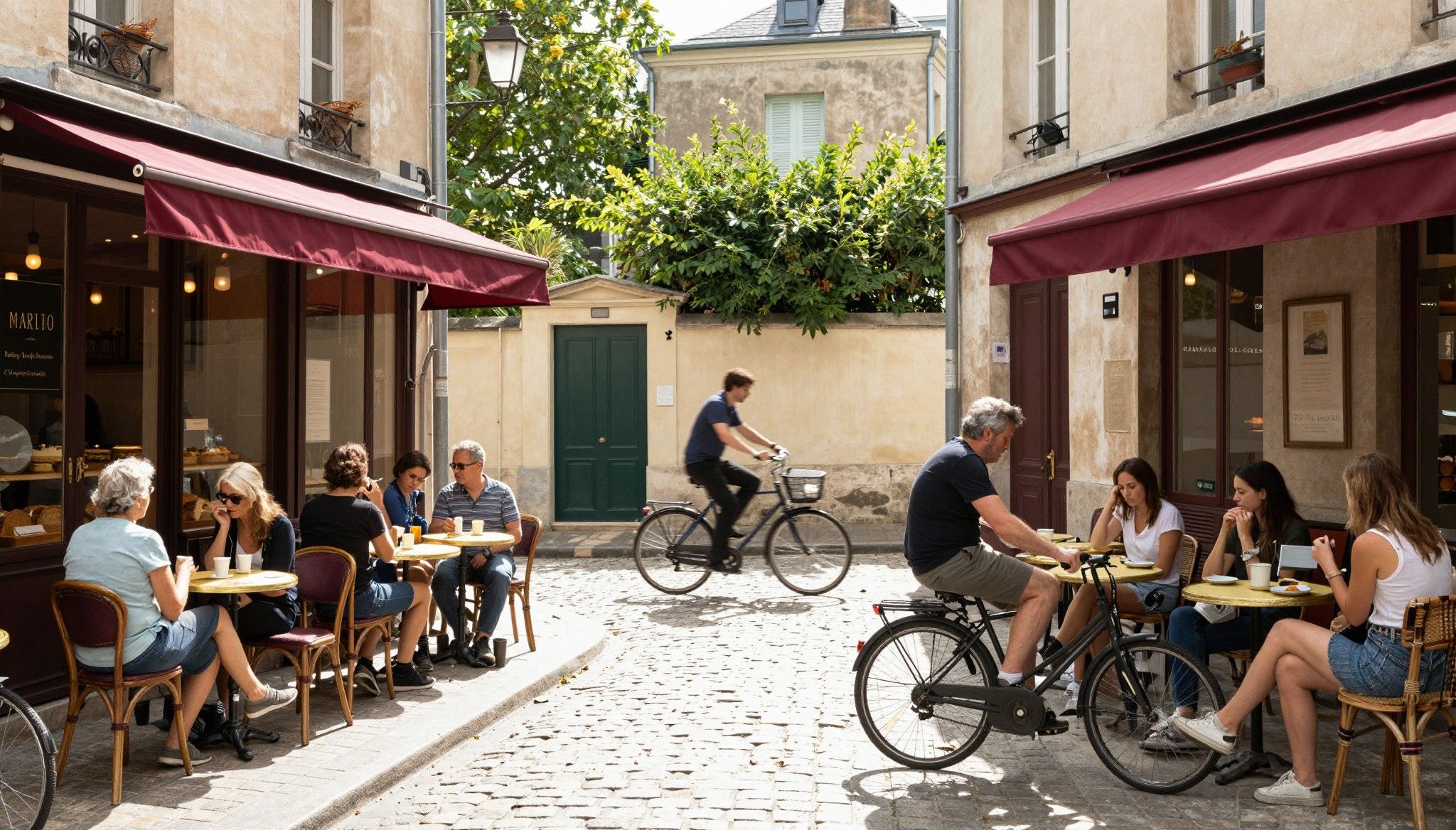
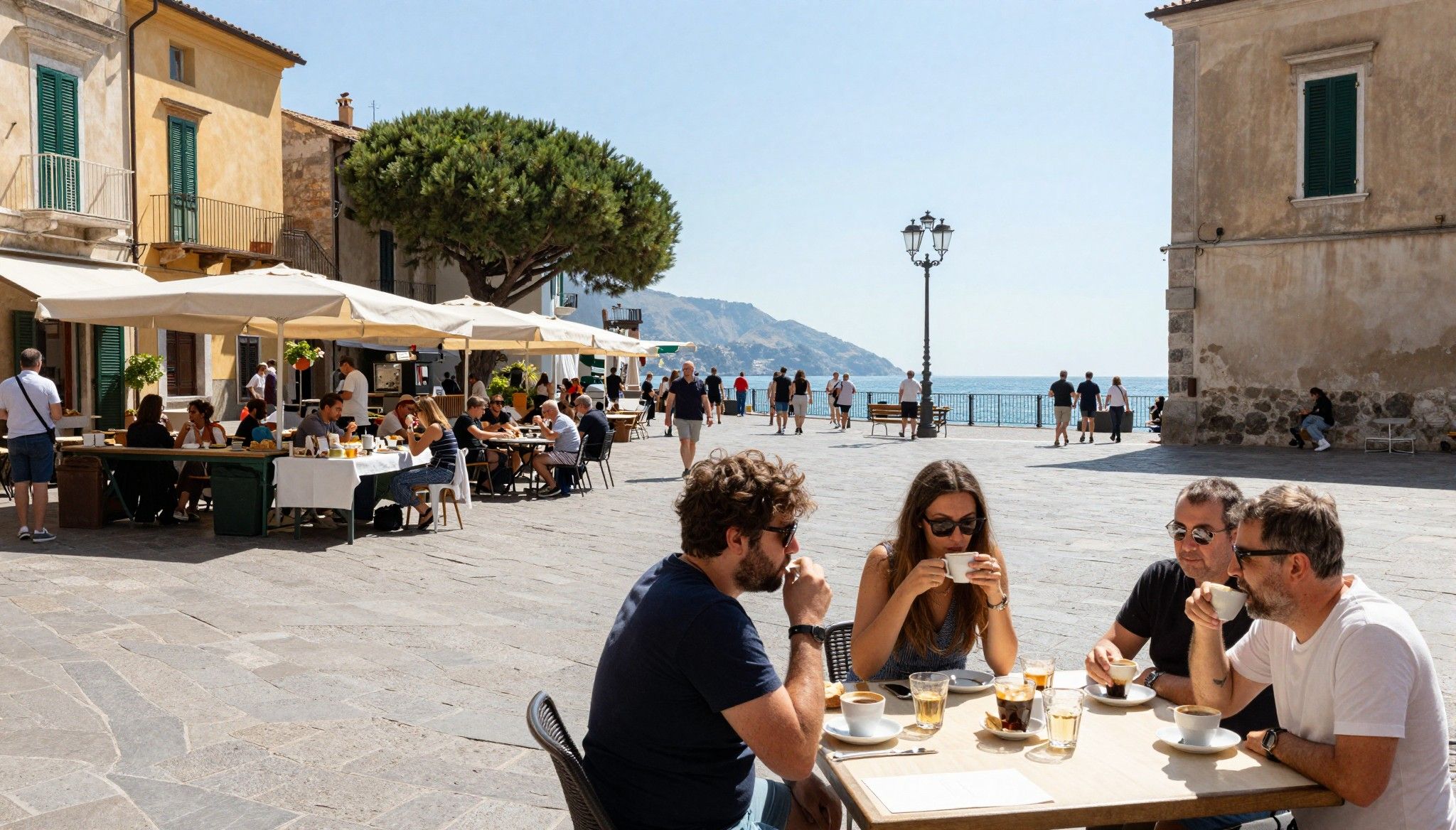
France is sensory: morning markets full of cheese and chatter, bicycles beneath plane trees, and long dinners that redefine time. Those everyday rhythms determine demand patterns — short‑term tourists cluster around Nice and Bordeaux in summer, students concentrate in Grenoble and Rennes, while long‑stay expats favour Lyon and Nantes. For investors, the lifestyle map is also a demand map: where people want to live shapes vacancy, rent resilience and tenant profiles.
Neighborhood spotlight: Parisian arrondissements vs. outer suburbs
Paris’s 6th and 7th have prestige but low gross yields and higher transaction friction; meanwhile Seine‑side and some inner‑ring suburbs (e.g., parts of Asnières, Montreuil) now offer better entry prices and stronger rental demand from young professionals. Post‑2024 price corrections tightened the gap — a 10% nominal change in central Paris since 2022 contrasted with near‑stable prices in several regional centres — so location selection must balance capital preservation with yield objectives.
Food, transport and market demand: small details, big payoff
A metro line, a weekday market, and a quality neighbourhood boulangerie influence tenancy more than a sea view for many renters. Cities with strong student populations (Toulouse, Rennes), dynamic tech clusters (Sophia‑Antipolis, Grenoble), or seasonal tourism (La Rochelle, Nice) show different rental seasonality and churn — and therefore different risk profiles for buy‑to‑let owners.
- Lifestyle highlights that reprice demand: Marché d'Aligre (Paris) — daily market footfall; Vieux‑Port (Marseille) — year‑round local life; Place du Capitole (Toulouse) — student & cultural demand; Cours Julien (Marseille) — creative rental market; Vieux‑Nice markets & summer rental strength; Nantes Ile de Nantes — tech and family demand.
Making the move: risk, sensitivity and what to model

Dreams meet spreadsheets when you model downside scenarios. National indices (INSEE, Notaires) show modest moves, but the right sensitivity analysis is local: simulate rental income shocks, vacancy spikes, interest rate rises and regulatory changes. Use property‑level variables (price per m², expected rent €/m², expected days vacant) and macro variables (regional price change, employment growth) to stress‑test returns.
Property types and their sensitivity profiles
Historic apartments (Haussmannian) have low maintenance surprises but high entry prices and regulatory constraints; newer builds (post‑2000) cost less per m² and attract professionals but may face higher supply in some suburbs. Rural second homes face extreme seasonality risk; student housing and co‑living show lower price sensitivity to macro shocks but higher operational complexity.
Working with local experts who quantify lifestyle risk
- Practical steps that blend life and risk modelling: 1. Map demand drivers: identify nearest transport links, universities and hospitals and quantify catchment population. 2. Run three rent scenarios: conservative (-10%), base, and optimistic (+5%) with corresponding vacancy assumptions. 3. Stress interest costs: model 100–300 bps increases in financing rates and their effect on net yield. 4. Check regulatory tail‑risk: local caps on short‑term rentals (e.g., city rules) and likely enforcement. 5. Validate exit liquidity: compare recent transaction volumes in the commune (data.gouv) to gauge saleability.
Insider knowledge: myths, red flags and contrarian pockets
Myth: Paris always protects capital. Reality: central Paris commands stability but low gross yields (often below national averages), while mid‑sized cities and certain coastal towns deliver higher gross yields and faster rent growth. Red flags include low transaction volumes, sudden tourism regulation changes, and properties with hidden co‑ownership (copropriété) debts.
A contrarian pick: look beyond coasts to secondary regional capitals
Markets in cities like Rennes, Nantes and Grenoble combine reasonable entry prices with strong tenant pools (students, tech workers) and increasing rents. Notaires data from 2026 shows regional price normalisation and pockets of renewed demand; for buyers focused on yield, modelling these secondary capitals often beats bidding wars in the centres of Paris or Nice.
- Immediate red flags to avoid when buying in France: • Low recent transaction volume in the commune (illiquid exit). • Unclear copropriété accounts or pending syndic claims. • Properties with restrictive short‑let permissions in tourist zones. • Overly optimistic rent assumptions unsupported by local listings.
Cultural and seasonal realities matter: winter in rural Alpine towns compresses rental markets; summer inflates yields on the Riviera but increases management costs and turnover. Expat buyers often underestimate French admin timelines (notaire process, diagnostics) and the importance of local neighbourhood rituals that actually keep tenants loyal — a reliable marché and a trusted boulanger both reduce churn.
What experienced buyers do differently
- A pragmatic checklist for risk‑aware international buyers: 1. Build a 5‑year cashflow model with conservative rents and vacancy assumptions. 2. Obtain recent copropriété financial statements and utility histories. 3. Commission independent diagnostics (ERNMT, DPE) and factor renovation cost overruns. 4. Use local letting agents to test achievable rents before purchase. 5. Maintain a 6–12 month reserve for unexpected regulatory or market shocks.
France’s appeal — market depth, diverse lifestyles and resilient institutions — remains strong. The trick for international buyers is not to buy the romance wholesale, but to buy the rhythm: align neighbourhood character with tenant demand, stress‑test returns using local data, and use trusted in‑market advisors who quantify lifestyle into variables your spreadsheet understands.
Next steps: start with local data (INSEE and DVF datasets), run a conservative sensitivity analysis, and shortlist 3 neighbourhoods that match your tenant profile. From there, commission local diagnostics and engage an agent experienced in investor‑grade dossiers to translate lifestyle into reliable cashflows.
British expat who moved to the Algarve in 2014. Specializes in portfolio-focused analysis, yields, and tax planning for UK buyers investing abroad.