Malta’s Micro‑Markets: Lifestyle Density vs. Yield
Malta’s compact lifestyle hides sharp micro-markets: low headline yields but strong capital growth in key pockets. Match neighbourhood choice to residency rules and intended use.
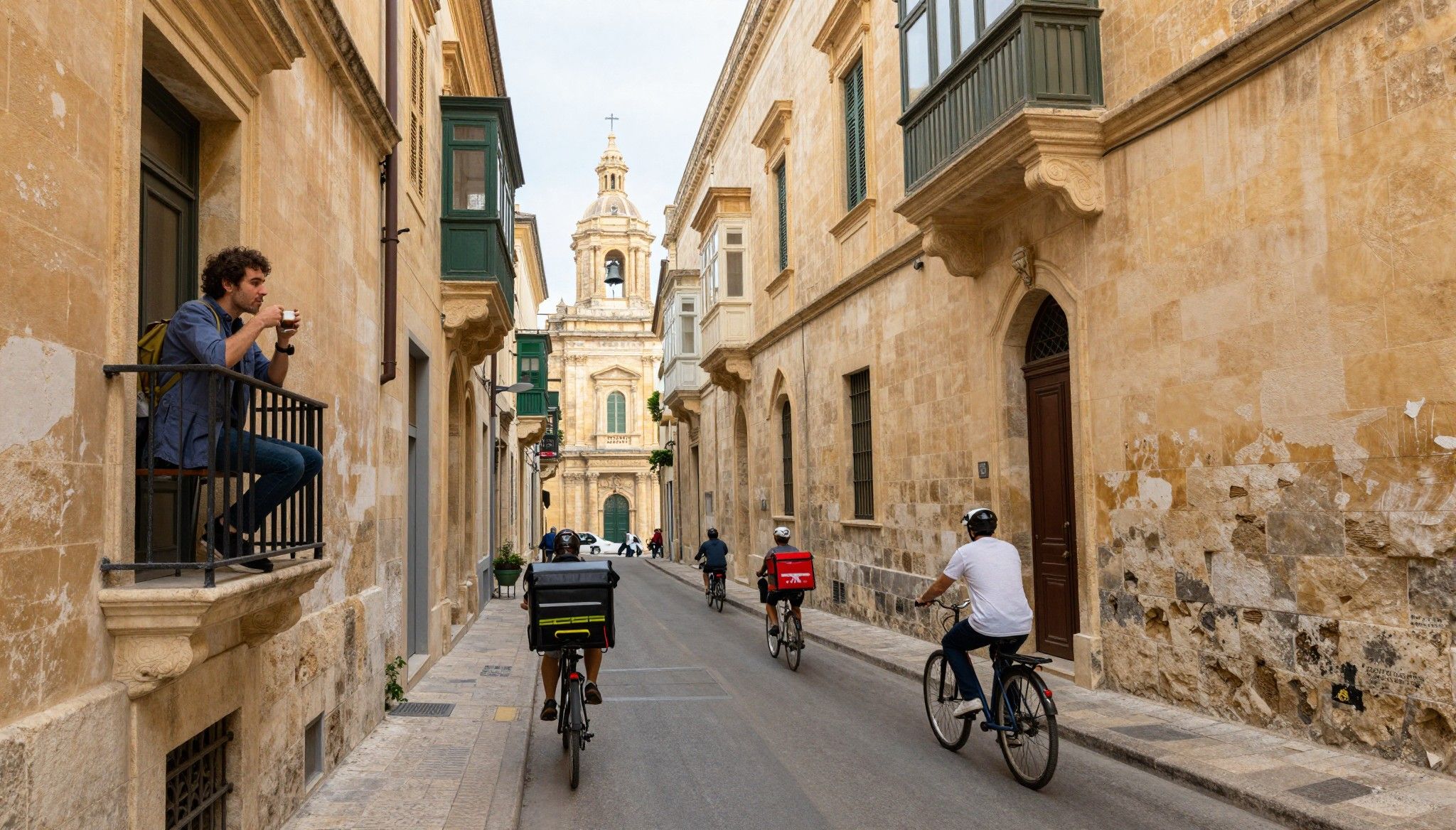
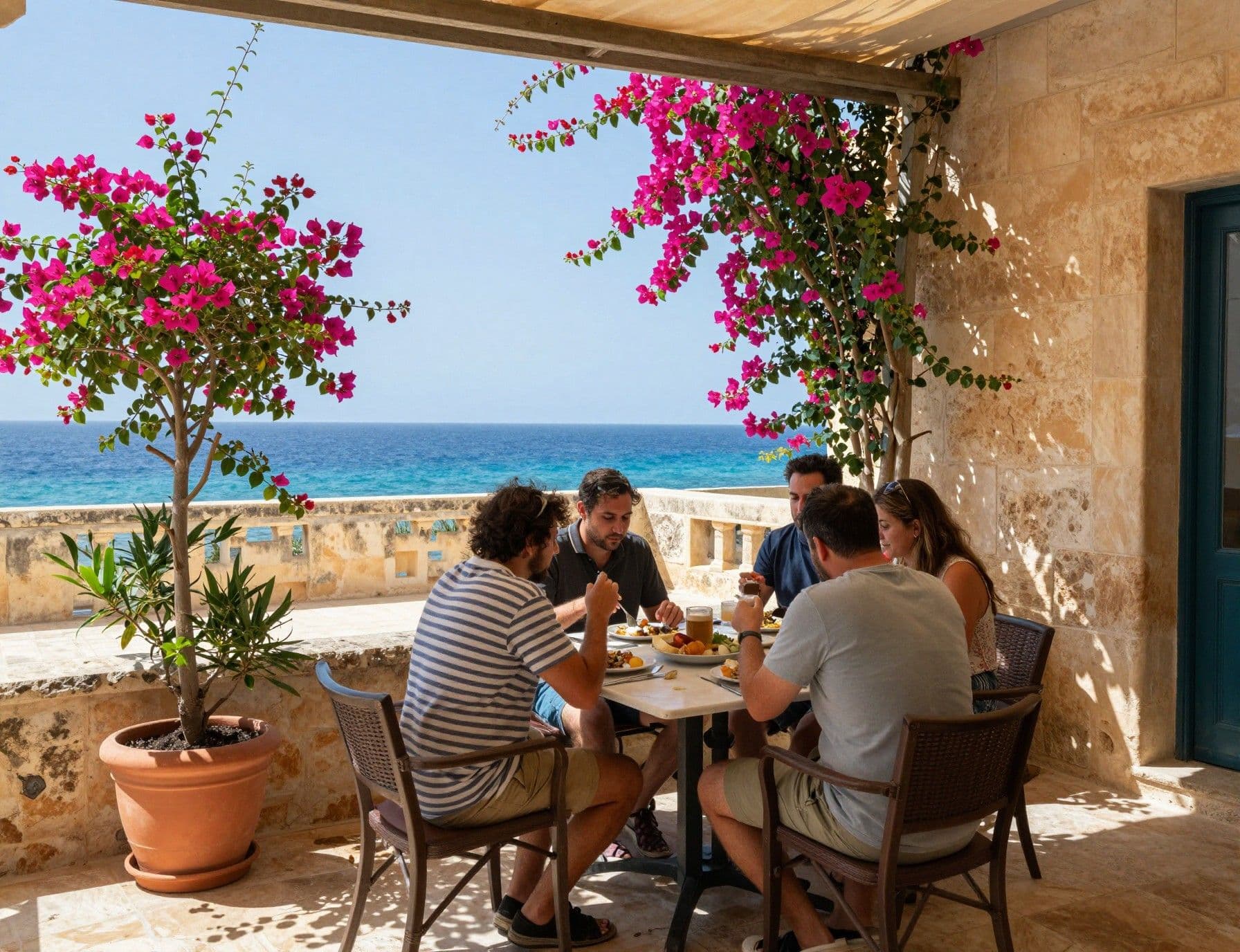
Imagine starting the day with an espresso on a limestone balcony in Sliema, then walking five minutes to a ferry that drops you into Valletta’s baroque heart. Malta is compact — eight islands’ worth of seaside rituals, late-night pastizzi runs and a distinct tempo where the workday can end with a swim. That proximity creates lifestyle density: cafés, coastal walks and historic streets sit cheek-by-jowl with short-term rental demand and a limited development footprint. For an international buyer that mix is appealing, but it also demands data-led tradeoffs between yield, liquidity and lifestyle.
Living Malta: daily rhythms and neighbourhood character
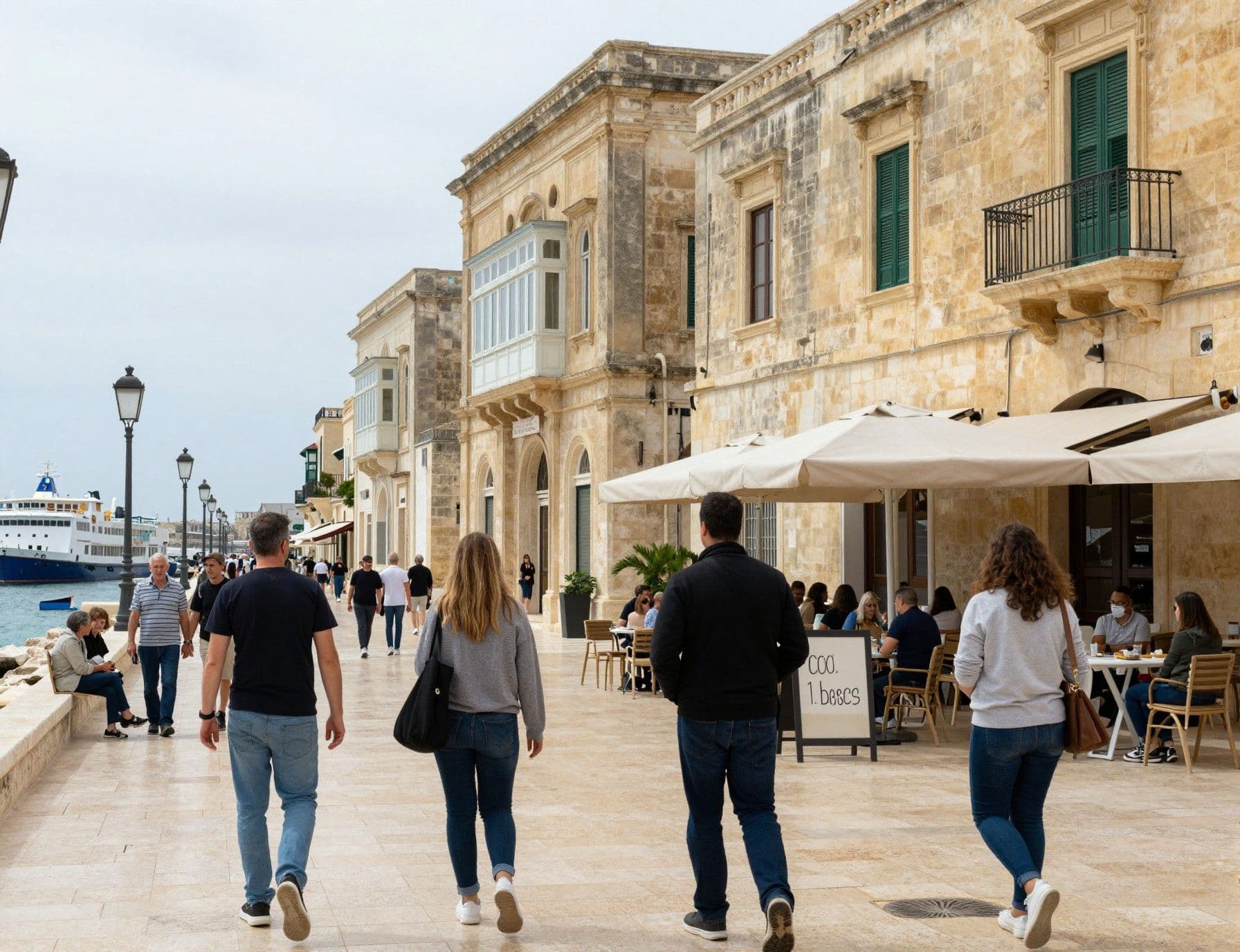
Malta moves at the scale of streets not suburbs: you’ll notice this in how mornings cluster around bakeries in Marsaxlokk and evenings stretch along St Julian’s promenade. The island’s English-speaking, Mediterranean culture means services, schooling and banking are familiar to many internationals, while transaction volumes remain modest — roughly 13,000–14,000 annual residential transactions in recent reporting, which concentrates liquidity into a few dense submarkets. That concentration underpins rental demand in tourism-adjacent spots but also produces sharp micro-market variance that investors must map precisely.
Valletta & Three Cities: history as an asset
Valletta and the Three Cities offer compact, high-demand stock: narrow streets, restored townhouses and short walking distances to boutique commerce. These areas command premium prices per square metre — central buildings often fetch above national averages — and perform well for high-end holiday rentals and boutique lettings. The tradeoff: higher entry price and often smaller internal floor area, which matters when modelling per-unit yield and operational costs.
St Julian’s & Sliema: liquidity and tenant pools
St Julian’s and Sliema combine international schools, co-working and dense rental demand from professionals and students. They are Malta’s most liquid submarkets for resale and short-let income, with steady tenant flows year-round, though prices reflect that competitiveness. For investors who prioritise occupancy and predictable cashflow, these neighbourhoods reduce vacancy risk but compress gross yields versus peripheral towns.
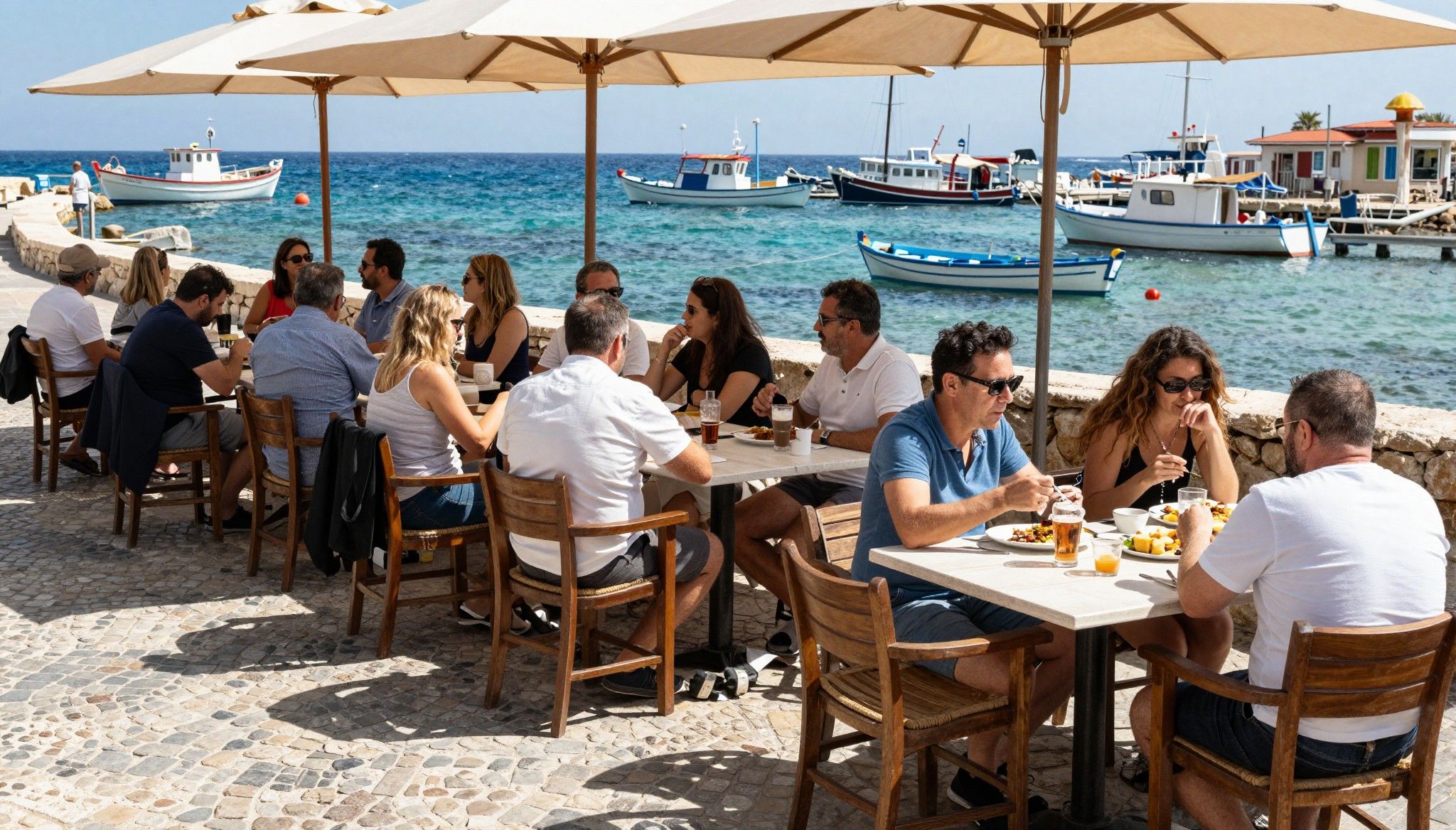
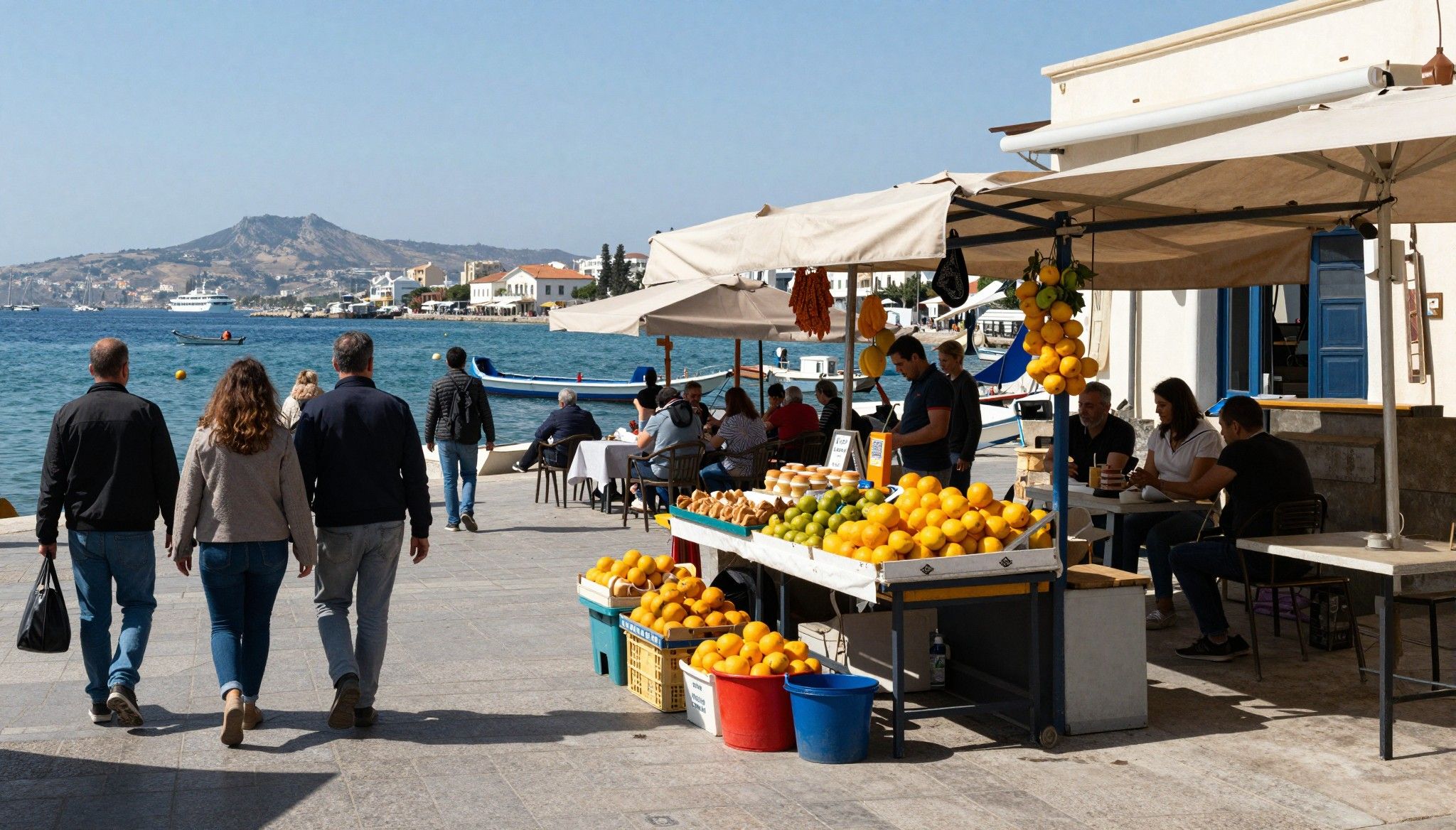
- Lifestyle highlights: Valletta cafés and theatre nights; Sliema promenade walks and ferries; St Julian’s nightlife and serviced lettings; Marsaxlokk fish market mornings; Golden Bay weekend swims; narrow historic terraces for restoration projects.
Making the move: practical considerations that preserve lifestyle value
Buying in Malta is straightforward for EU citizens but more conditional for many non-EU buyers: Acquisition of Immovable Property (AIP) permits and residence-linked programmes shape who can buy what, and where. Those rules create both friction and opportunity — permits constrain supply in certain bands while residency programmes link property thresholds to migration benefits. Practically, that means international buyers need legal clarity before making offers; a lifestyle wish (sea view, terrace) must be checked against permit eligibility and market liquidity.
Property types: what to buy for the life you want
Traditional townhouses suit owner-occupiers seeking character and rental upside on short-lets; modern apartments in new blocks suit professionals and families seeking convenience and year-round tenancy. Restoration projects in older cores can deliver capital appreciation but require renovation budgets and longer lets during works. Match type to intended use: short-let yield needs tourist-friendly location, while long-term rental income prefers proximity to schools and business nodes.
- Steps to align lifestyle with property selection: 1. Define primary use (owner-occupier, long-let, short-let) and model net yield accordingly. 2. Check AIP/residency implications for your nationality early with a Maltese solicitor. 3. Prioritise walkability and ferry/transport links if lifestyle depends on frequent access to Valletta or international transport. 4. Budget for service charges and renovation — older stock often hides structural works. 5. Stress-test cashflow: model 15% withholding tax on gross rent and vacancy of 5–10% depending on segment.
Insider knowledge: what expats wish they’d known
Expat investors often underrate seasonality and overrate headline yields. Malta’s gross yields sit in the low single digits — recent Q1 data indicate yields around 3.9% — but total return includes steady rent growth and capital appreciation in preferred pockets. Equally important: the island’s small scale means single buyers or programmes (residency-linked purchases) can influence local pricing dynamics quickly, so timing and precise location selection matter more than on larger markets.
Cultural & community notes
English is an official language and social integration is typically straightforward, but Maltese social rhythms value family, local business ties and festival calendars (festa season can alter noise, parking and short-let demand). Expats report that proactive engagement with neighbourhood associations and local tradespeople speeds renovations and tenancy setup. For many, the surprise is how quickly small conveniences — reliable ferries, local butchers, a favourite bakery — determine neighbourhood preference.
- What long-term residents recommend: engage a local notary and solicitor early; budget 5–10% of purchase for immediate works; prefer units with outdoor space for year-round living; validate short-let licensing if relying on tourist income; prioritise connectivity to Valletta for scholarships and professional services.
Malta can deliver a Mediterranean life that fits many international plans — EU mobility, English-language services, and concentrated cultural life — but treat the island as a precise micro-market, not a generic “Mediterranean” proxy. Lean on local market reports, confirm AIP or residence programme requirements for your nationality, and test rental assumptions with recent transaction and rental data. Do that and the island’s compact, convivial lifestyle maps cleanly onto a rational property allocation.
British expat who moved to the Algarve in 2014. Specializes in portfolio-focused analysis, yields, and tax planning for UK buyers investing abroad.