How Cyprus’ Rules Quietly Reprice Returns
How Cyprus's purchase rules, VAT vs transfer‑fee choices, and seasonality change net yields — lifestyle scenes meet regulatory strategy for international buyers.
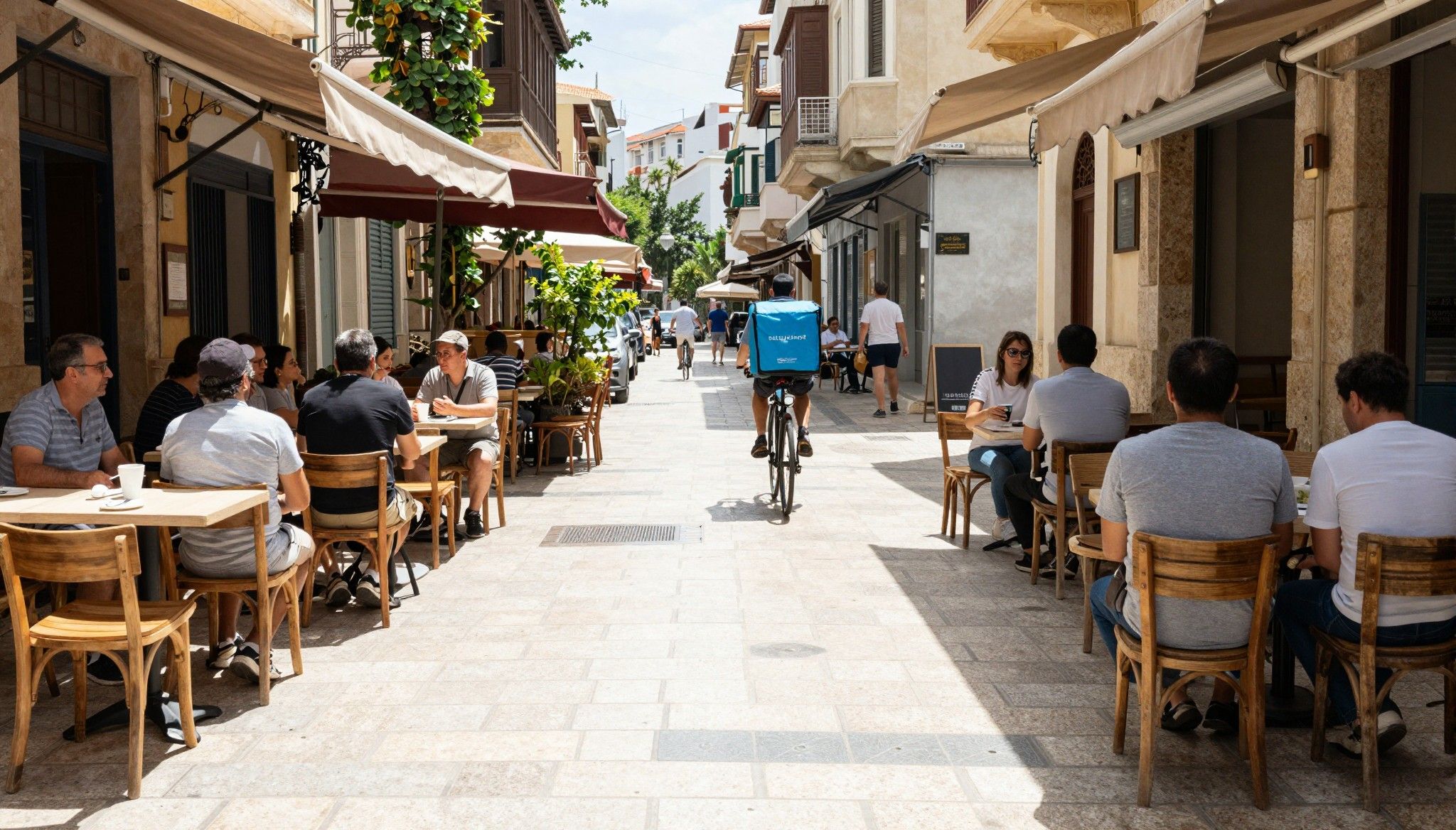
Imagine sitting at a small marble table in Limassol's old port, espresso steaming, as a contractor explains why a seaside apartment costs more per square metre than a similarly finished flat inland. Cyprus feels like that — sunlit cafés, slow afternoons in mountain villages such as Platres, and busy mornings in Nicosia offices — but recent regulatory shifts mean the price tag you see may not be the whole story. For international buyers, lifestyle and spreadsheets collide: regulations around foreign purchases, VAT treatment of new builds, and transfer‑fee rules can change net yield by several percentage points. This guide pairs the lived experience of the island with the specific regulatory levers that materially affect returns.
Living the Cyprus lifestyle
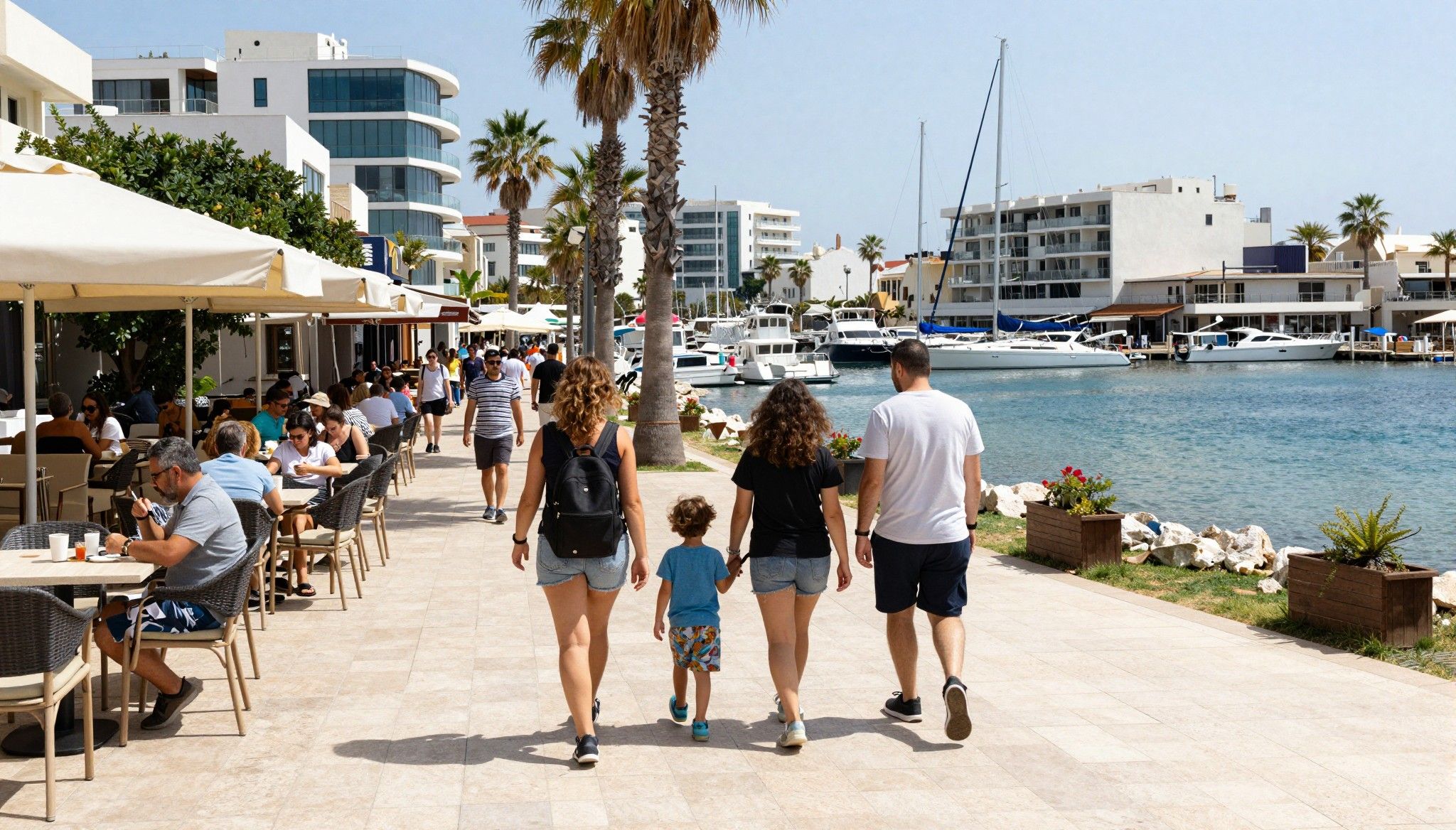
Cyprus compresses a lot of Mediterranean life into a compact island: seaside promenades in Limassol, the historic lanes of Nicosia, and sleepy tavernas up in the Troodos. Days follow a warm rhythm — market visits at dawn, slow lunches with halloumi and seafood, and late walks along beaches like Fig Tree Bay. For buyers, the appeal is real: year‑round sunshine reduces vacancy risk for holiday lets, while strong expat communities provide stable long‑term rental pools. Yet the very qualities that attract people — limited coastline, tourism pressure — are the same forces that attract regulatory attention, and that affects returns.
Neighbourhood spotlight: Limassol seafront vs. Aglandjia (Nicosia)
Limassol’s Molos and Akti Olympion areas are cinematic: new promenades, boutique cafes, and high‑end apartment blocks aimed at international renters. Prices per square metre here often command a premium but deliver strong short‑let demand in summer months and consistent corporate leases year‑round. Contrast that with Aglandjia in Nicosia — calmer streets, local cafés, better value per square metre, and a tenant base of long‑term locals and university staff. Your lifestyle choice (seaside buzz versus stable urban tenancy) should be modelled directly into yield forecasts; they create different regulatory and tax exposures, especially around short‑term rental rules.
Food, markets and weekend rituals
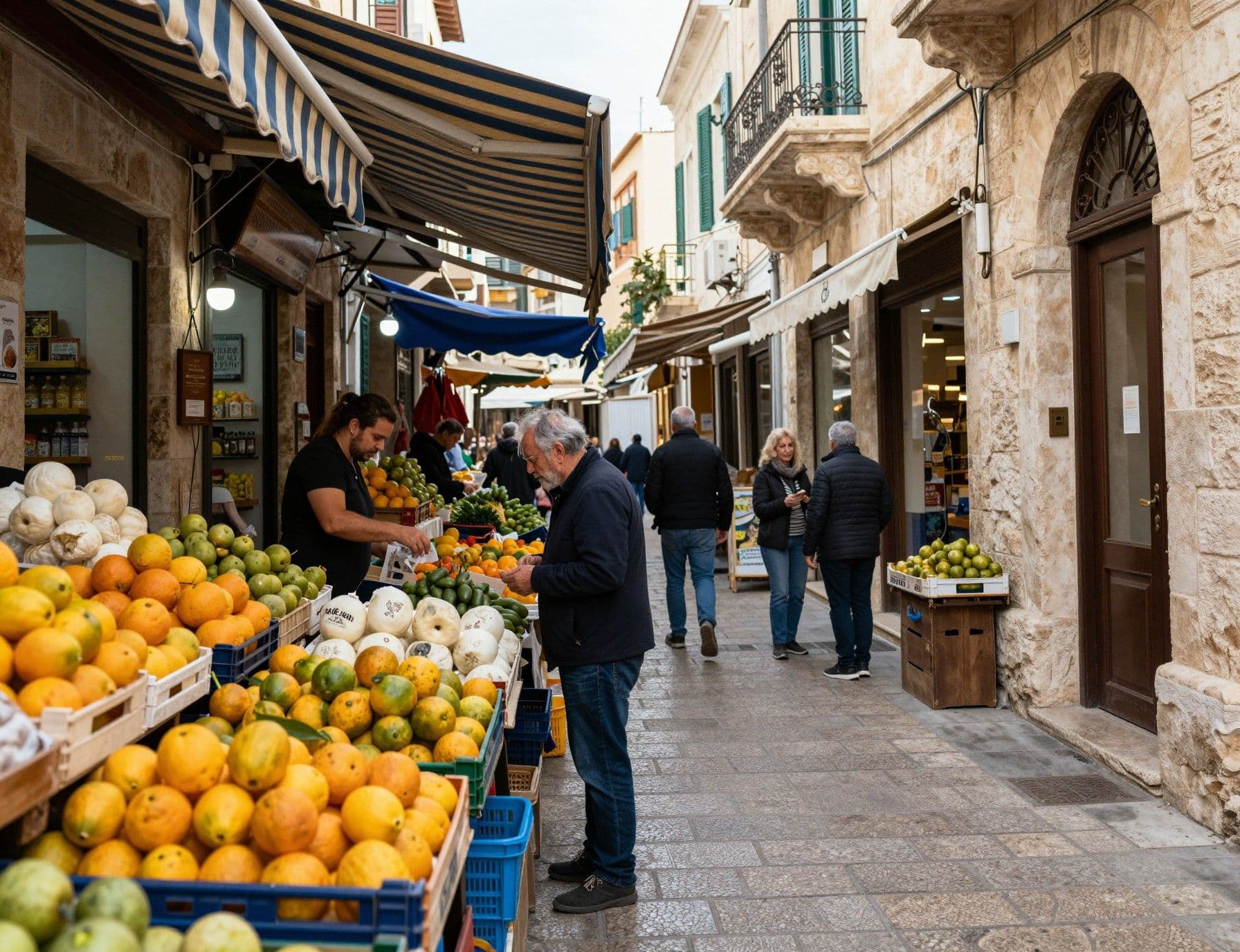
Weekends in Cyprus are lived outside: municipal markets brim with fresh halloumi, lemons, and local olives; tavernas spill onto shaded square tiles after siesta. These patterns shape property desirability: ground‑floor flats near weekly markets or squares keep steady long‑term demand from locals, while apartments near marinas find high seasonal occupancy. For international buyers planning a dual‑use strategy — owner visits plus rental income — mapping lifestyle attractions to tenant profiles is essential. A property’s proximity to authentic daily life often matters more for steady rent than a postcard sea view.
Making the move: practical considerations

Dreams meet contracts quickly in Cyprus. The Acquisition of Immovable Property (Aliens) Law requires non‑EU nationals to obtain permission for purchases in many cases, and official practices have tightened after scrutiny of residency schemes. At the same time, the Central Bank and land registry data show a stabilising market with price growth concentrated in coastal hotspots. Practically, this means foreign buyers must budget for regulatory approvals, model VAT versus transfer‑fee scenarios on new builds, and stress‑test yields against possible short‑term rental restrictions.
Property types and what they deliver
New builds on the coast typically attract VAT (standard 19%) but can be VAT‑advantaged (reduced 5%) for a buyer’s primary residence — a regulatory choice that alters effective cost and yield. Older stock avoids VAT but carries transfer fees (3–8%), and maintenance or renovation needs that can compress yields if underestimated. Apartments near marinas and tourist nodes show higher gross yields in high season but wider vacancy swings; inner‑city flats often provide lower gross yields but tighter occupancy and fewer management headaches. Match property type to your cash‑flow tolerance and the regulatory tax path you plan to follow.
Steps international buyers should model before an offer
- 1) Confirm whether your purchase requires Cabinet/District approval and estimate the timeline (weeks to months). 2) Calculate net acquisition cost: purchase price + transfer fees or VAT + legal fees + caveat registration. 3) Run two yield scenarios — conservative (long‑let, 3–5% gross) and aggressive (seasonal short‑let, 6–8% gross) — and stress test with 20–30% seasonal vacancy. 4) Factor in management, local insurance, and potential regulatory compliance costs for short‑term rental licensing.
Insider knowledge: what expats wish they'd known
Seasonality bites: many buyers overestimate year‑round short‑let income after a glamorous summer visit. Recent surveys show rental prices peaking and tightening across the island, but landlords who rely solely on July–August bookings face ischemic cashflow in low season. Expat owners later discover that local tenant demand — university staff in Nicosia, tech companies in Limassol — creates steadier returns and lower operating costs than high‑turn holiday lets. Knowing which tenant profile suits your property is as important as the paperwork.
Cultural and legal quirks that affect ownership
Two practical quirks are common: first, many municipal regulators expect local evidence of primary residence to qualify for reduced VAT rates, which can trap buyers who intended a blended use. Second, opaque structures — trusts or foreign companies — are frequently used to sidestep limits on land plots, but that increases scrutiny and potential legal risk. Experienced buyers prioritise transparent title chains, insist on up‑to‑date searches at the Lands Office, and budget an extra month for administrative steps.
Red flags and practical tips from locals
- • Avoid offers on plots without a clear development permit; changing planning rules can sink returns. • Demand a vetted breakdown of whether VAT or transfer fees will apply — both materially change closing costs. • Prefer properties with long‑term tenant potential (near hospitals, universities, business parks) if you need stable income. • Insist on a local property manager recommendation and a realistic operating budget, not aspirational occupancy rates.
Cyprus sells a lifestyle and a spreadsheet. If you want the coastal mornings and tavernas, budget the regulatory steps and model net yields under realistic vacancy and tax scenarios. Start locally: instruct a Cyprus lawyer experienced with foreign acquisitions, verify whether VAT or transfer fees apply, and commission a short market report comparing gross yields in your target micro‑area. When you pair the island's lived pleasures — sea breezes, market mornings, community squares — with careful regulatory mapping, you buy both a life and an investment with clarity.
Danish relocation specialist who moved to Cyprus in 2018, helping Nordic clients diversify with rental yields and residency considerations.