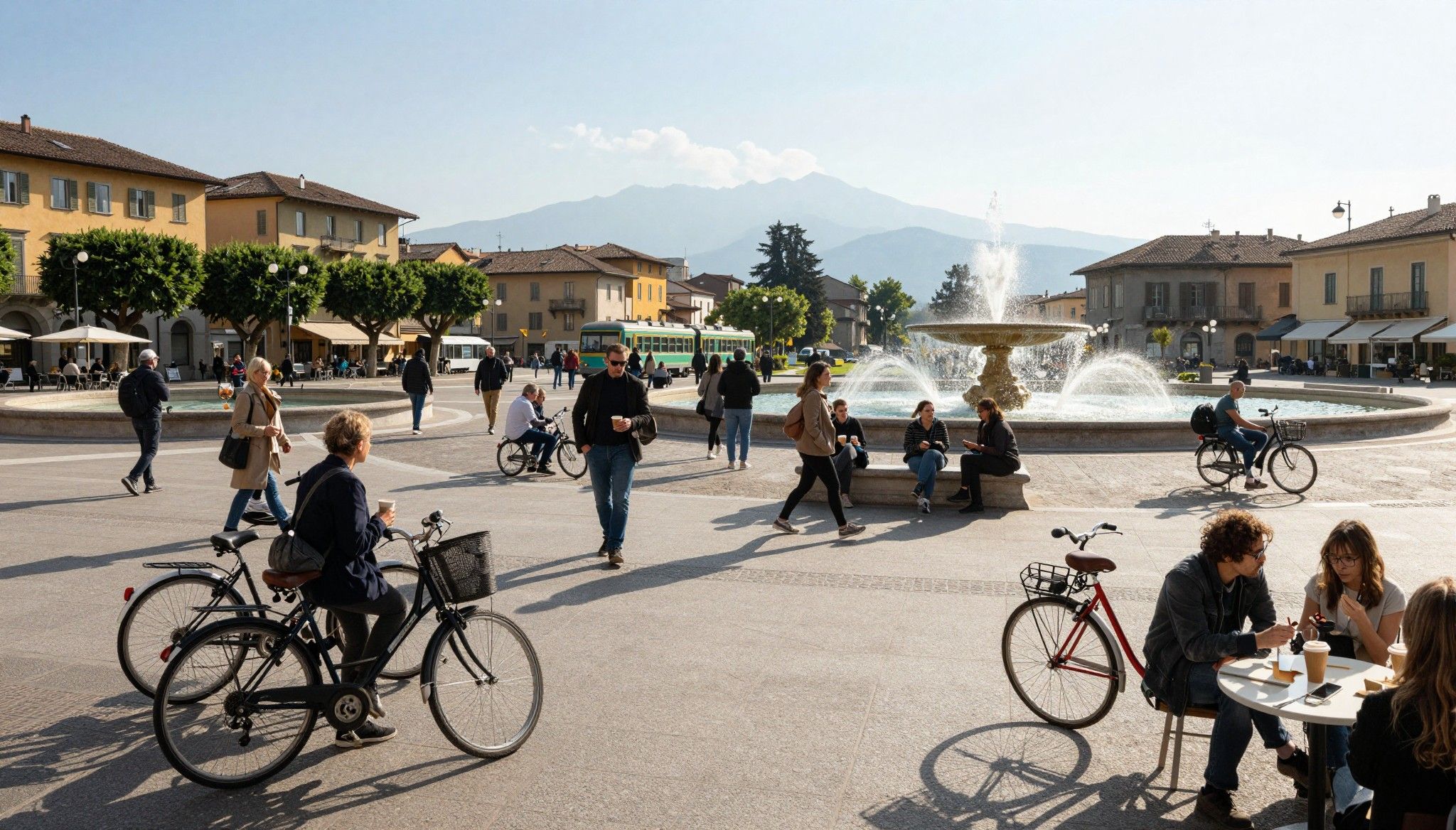
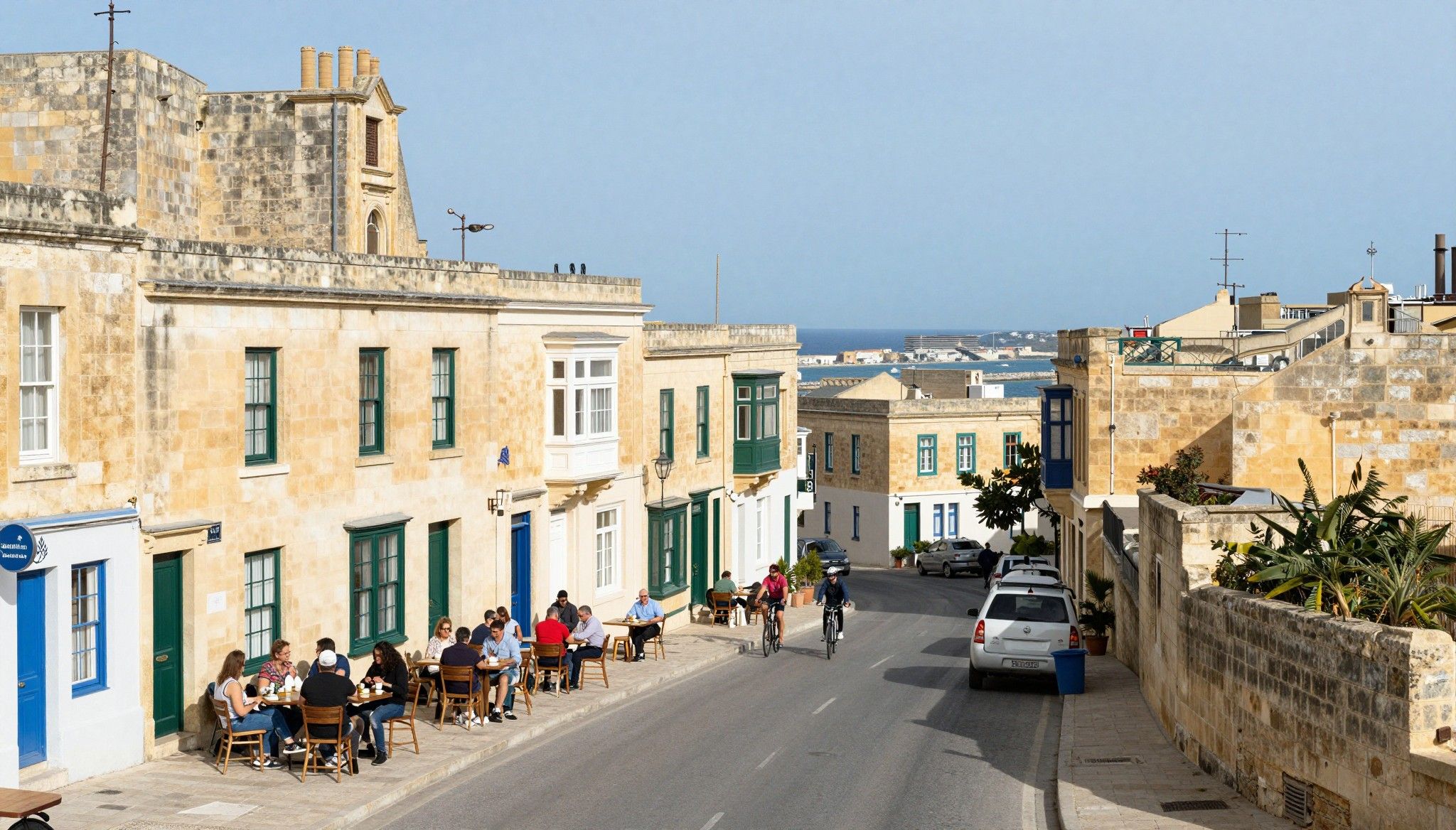
How Cyprus’ New Rules Quietly Reprice Yield
Cyprus’s sun and small‑scale lifestyle hide fast‑moving regulatory changes: zoning and foreign‑buyer approvals now directly reprice yields — act with local legal cover.
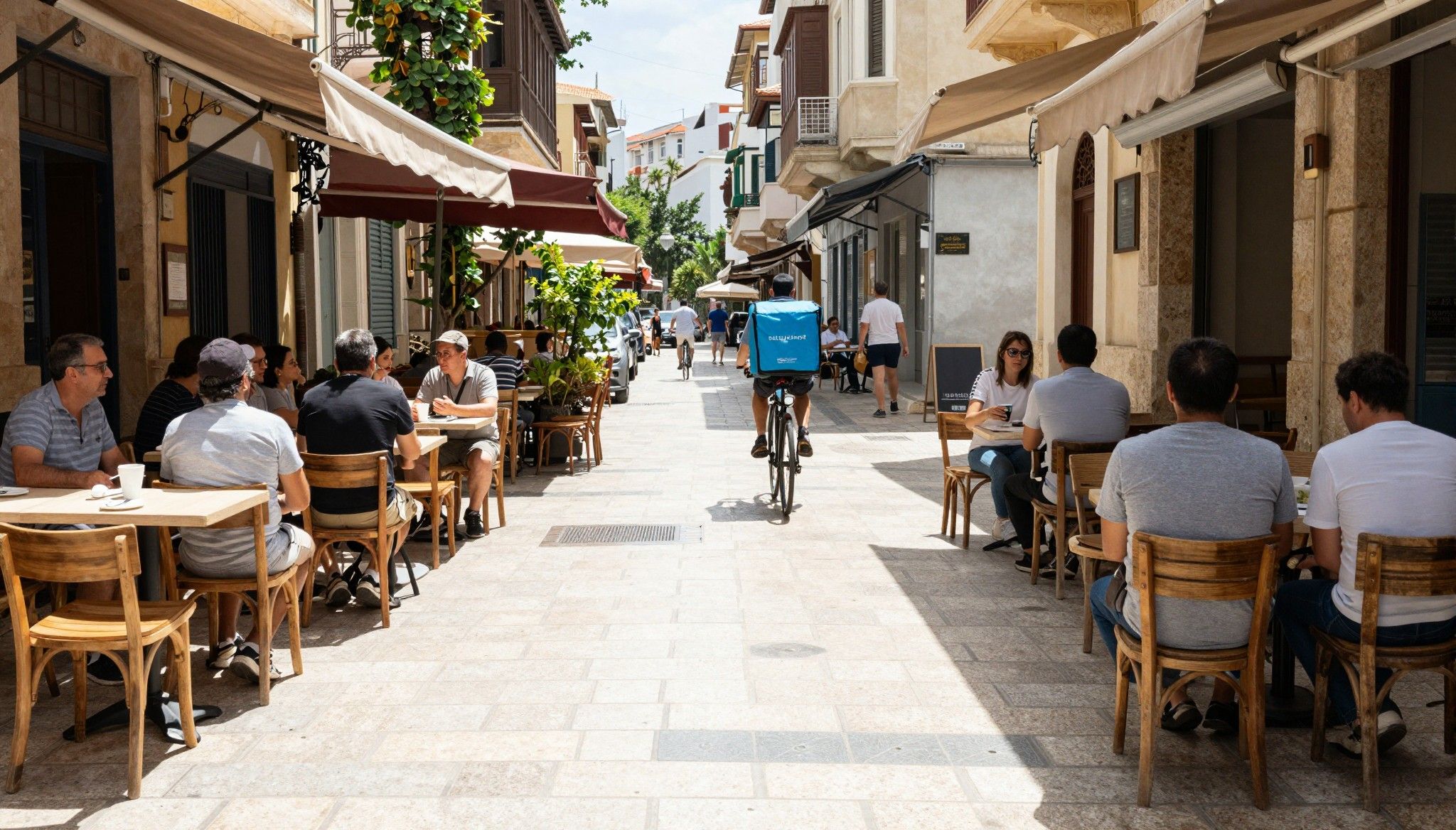
Imagine sipping an espresso on Nicosia’s Ledra Street at 09:00, then driving thirty minutes to a limestone cove in Paphos for an afternoon swim — that contrast is Cyprus. Its small size compresses Mediterranean village rhythms, beach life and capital‑city services into commutable distances, making it uniquely attractive to international buyers but also especially sensitive to regulatory shifts.
Living the Cyprus lifestyle
Cyprus feels like a string of neighbourhoods more than one continuous city. From Limassol’s marina promenades to Ayia Napa’s seaside bars, daily life is outdoors, seasonal and social — and that lifestyle pattern drives demand for short‑term rental product and two‑bed coastal apartments that appeal to digital nomads and retirees alike. Macro data show foreign buyers remain a material demand source: PwC recorded a notable rise in foreign purchases through 2025, concentrating interest in coastal and resort districts.
Neighbourhood snapshots: who lives where
Nicosia: compact apartments, late‑night tavernas and a steady demand from professionals. Limassol: luxury new builds, corporate rentals and international schools. Paphos: quieter coastal towns, strong holiday rental seasonality and family buyers. Larnaca: under‑the‑radar value, steady long‑term lets and the airport’s commuter catchment. Each area’s daily rhythm (cafés, markets, ferry of visitors) influences what tenants want — and thus rental yield profiles.
Food, climate and weekend life — why people stay
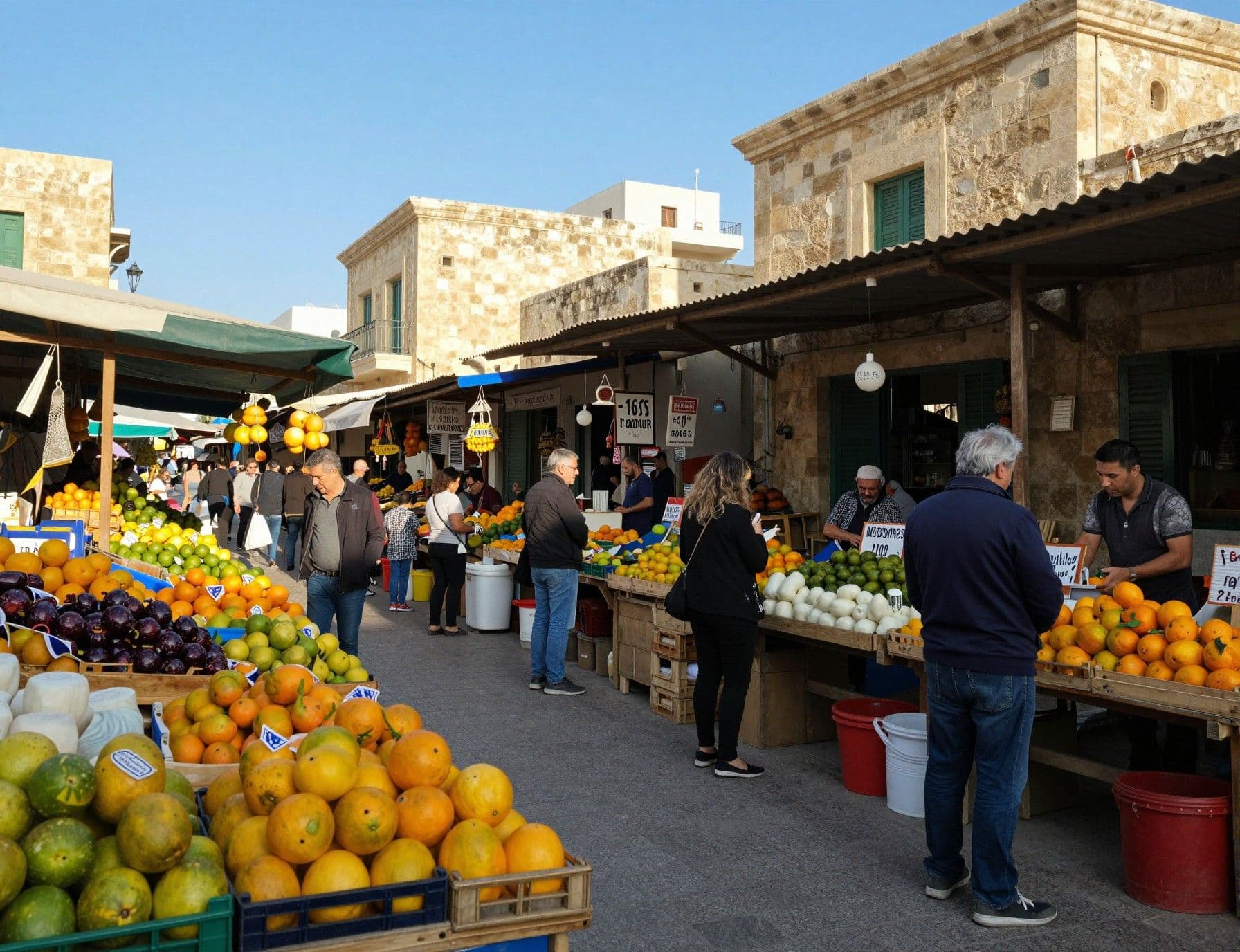
Weekends mean fisherman’s markets in Larnaca, mountain tavernas in Troodos, and beach BBQs in Coral Bay. The sun‑first climate extends the rental season for long‑stay tourists and remote workers, but also concentrates repair and maintenance cycles in late summer. These lifestyle rhythms matter financially: properties designed for outdoor living and easy maintenance perform better across Cyprus’s seasonal demand curve.
Making the move: practical considerations

The practical side is where romance meets regulation. Recent parliamentary proposals and administrative moves in 2025–2026 target foreign purchases more tightly — proposals range from acreage and zone limits to strengthened Council of Ministers oversight. For buyers, this means the timeline (pre‑contract deposits, Council approvals, and Land Registry filings) and conditionality of an offer now carry more legal risk than they did three years ago.
Property types that match Cyprus life (and cashflows)
Short‑term rental‑oriented apartments near marinas yield seasonally high returns but require active management and compliance with local tourism licensing. Family villas in Paphos or Limassol produce steadier long‑let income but lower headline yields. New builds near transport hubs command premium prices; older town centre apartments often deliver higher gross yields after renovation.
How local experts protect lifestyle value
Good local advisers translate lifestyle wants into legally secure assets: they check permitted use, confirm planning and title, model tax and service costs and structure ownership to preserve rental eligibility. Expect to pay for thorough due diligence; non‑EU buyers may still require Council approvals and specific structuring to avoid post‑sale headaches.
Insider knowledge: regulations that reprice yield
Three concrete regulatory vectors are reshaping returns: tightened approval gates for non‑EU buyers (heightening deal conditionality), zoning limits for sensitive coastal or agricultural plots (reducing available inventory for overseas purchasers), and fiscal updates that alter transaction economics (for example, the stamp‑duty repeal that changed closing costs). Each can compress gross yields or lengthen time‑to‑title, and data suggests foreign demand has been a clear price driver through 2025.
Practical checklist: regulatory red flags
Before signing: confirm whether the plot or building lies in restricted zones; verify whether the buyer’s nationality triggers extra approvals; demand evidence of valid planning and tourism licenses (if marketed as holiday rental); require a timeline clause tying deposit release to Land Registry transfer; budget for longer approval queues and legal restructuring costs if you are a non‑EU buyer.
Numbered steps to reduce regulatory risk
1) Pre‑offer: commission a title and zoning report. 2) Offer stage: include conditionality for Council approvals and deposit protection. 3) Contract stage: mandate seller warranties on permits. 4) Closing: confirm Land Registry acceptance and register promptly.
What expats wish they’d known
Buyers underestimate how quickly political sentiment can become regulation. Conversations in municipal offices matter; neighbourhood councils influence approvals; and the ease that once accompanied buying in Cyprus is changing. Expats who treated the market as transactional faced delays — those who treated it as relational (local counsel, proactive disclosure, patient timelines) protected yield and lifestyle outcomes.
Long‑term lifestyle and portfolio considerations
Treat Cyprus as a tactical allocation within a diversified portfolio: balance coast vs inland, short‑let vs long‑let, and newer builds vs restorations. Regulatory changes can turn a high‑yield holiday flat into a less flexible asset overnight; diversify across product types and use contractual protections to preserve projected cashflows.
Conclusion — Cyprus sells a life as much as it sells square metres. To protect that life and the returns that pay for it, marry the lifestyle brief (which neighbourhood fits your daily routine?) with regulatory due diligence (who must approve the sale; is the plot in a restricted zone?). Work with a lawyer who files early, an agent who knows local council dynamics, and a property manager who converts the lifestyle into consistent income. That three‑way team is the practical path from imagining Ledra Street mornings to owning an income‑producing asset that survives regulatory cycles.
British expat who moved to the Algarve in 2014. Specializes in portfolio-focused analysis, yields, and tax planning for UK buyers investing abroad.