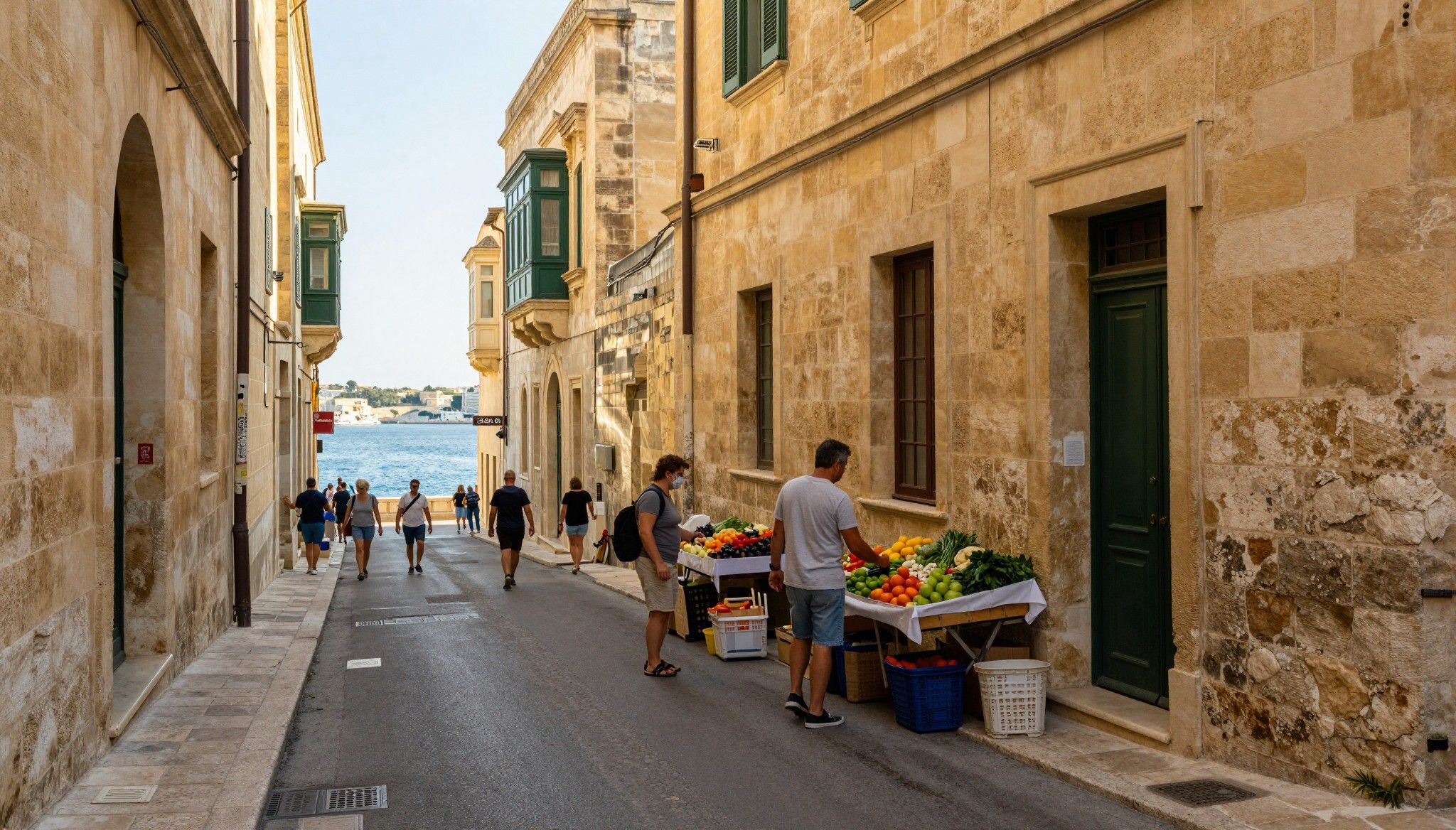
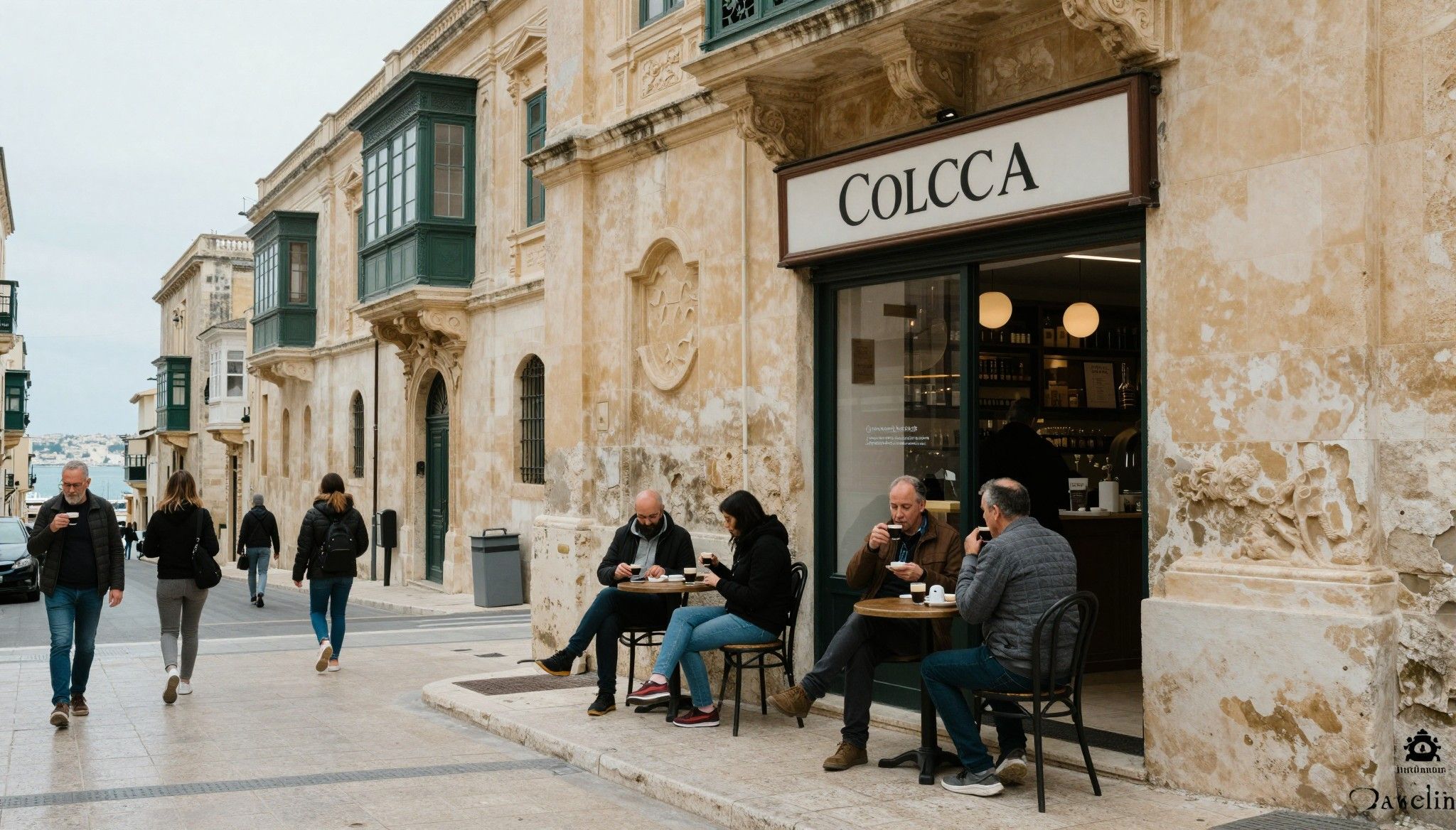
Where France’s 'Low‑Yield' Label Misses the Point
France’s low‑yield reputation hides pockets of resilient returns. Pair street-level DVF comps, INSEE trends and local agency insight to match lifestyle with realistic net yields.
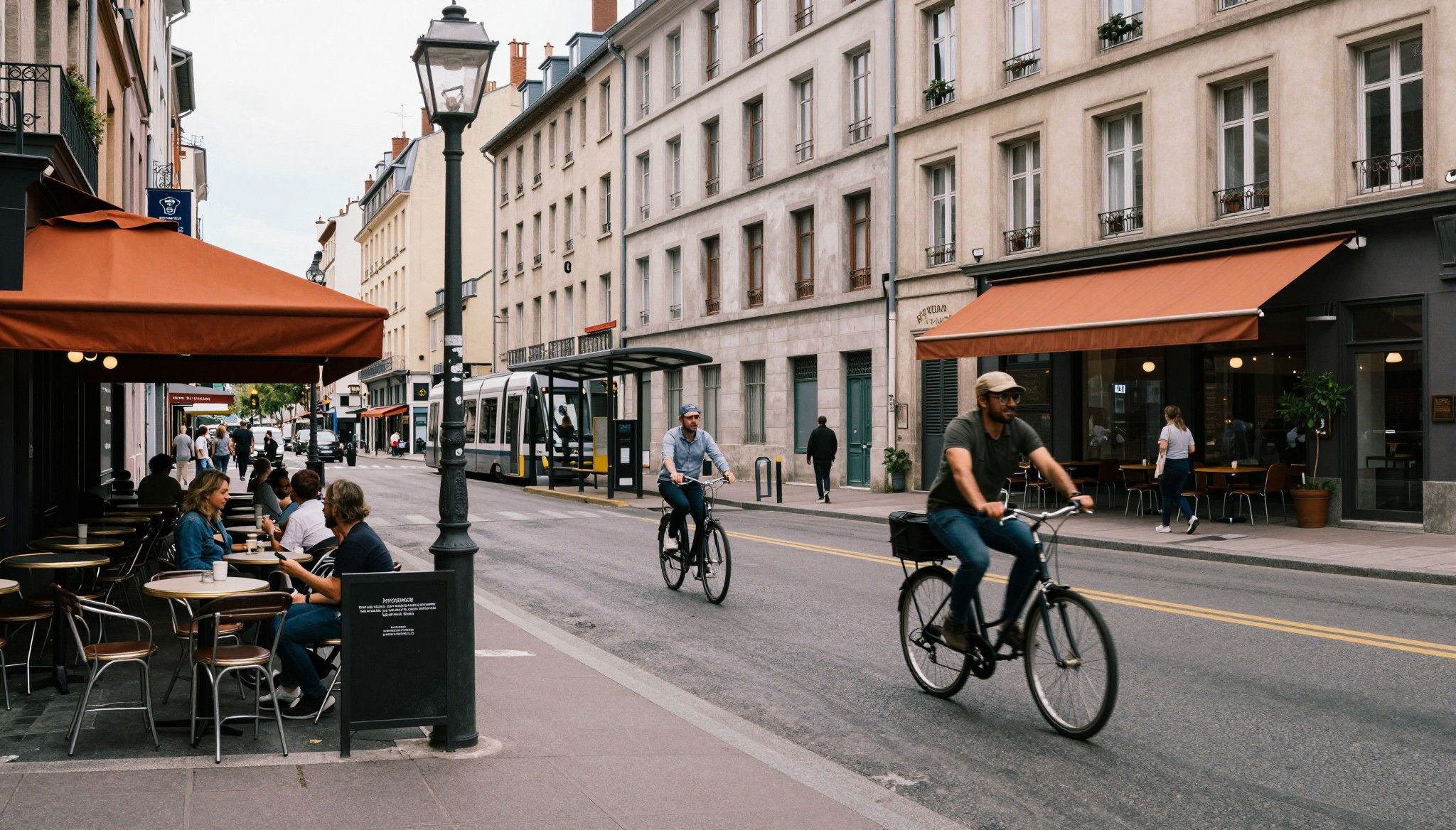
Imagine mornings at a marché on Rue Cler in Paris, afternoons tasting rosé in Bandol, and weekend bike rides along the Loire — France feels like a patchwork of lived-in streets, not a single headline. Yet for international buyers the country is often pigeonholed as “low-yield, high-price,” a label that flattens regional nuance. This guide overturns that shorthand: we marry the smells, sounds and rhythms of French life to the precise metrics that matter to investors — price per m², gross and net yields, vacancy risk and cost-to-hold — so you can love the place and still buy with a spreadsheet. For baseline market context see recent INSEE data on price dynamics.
Living France: Places that make you stay
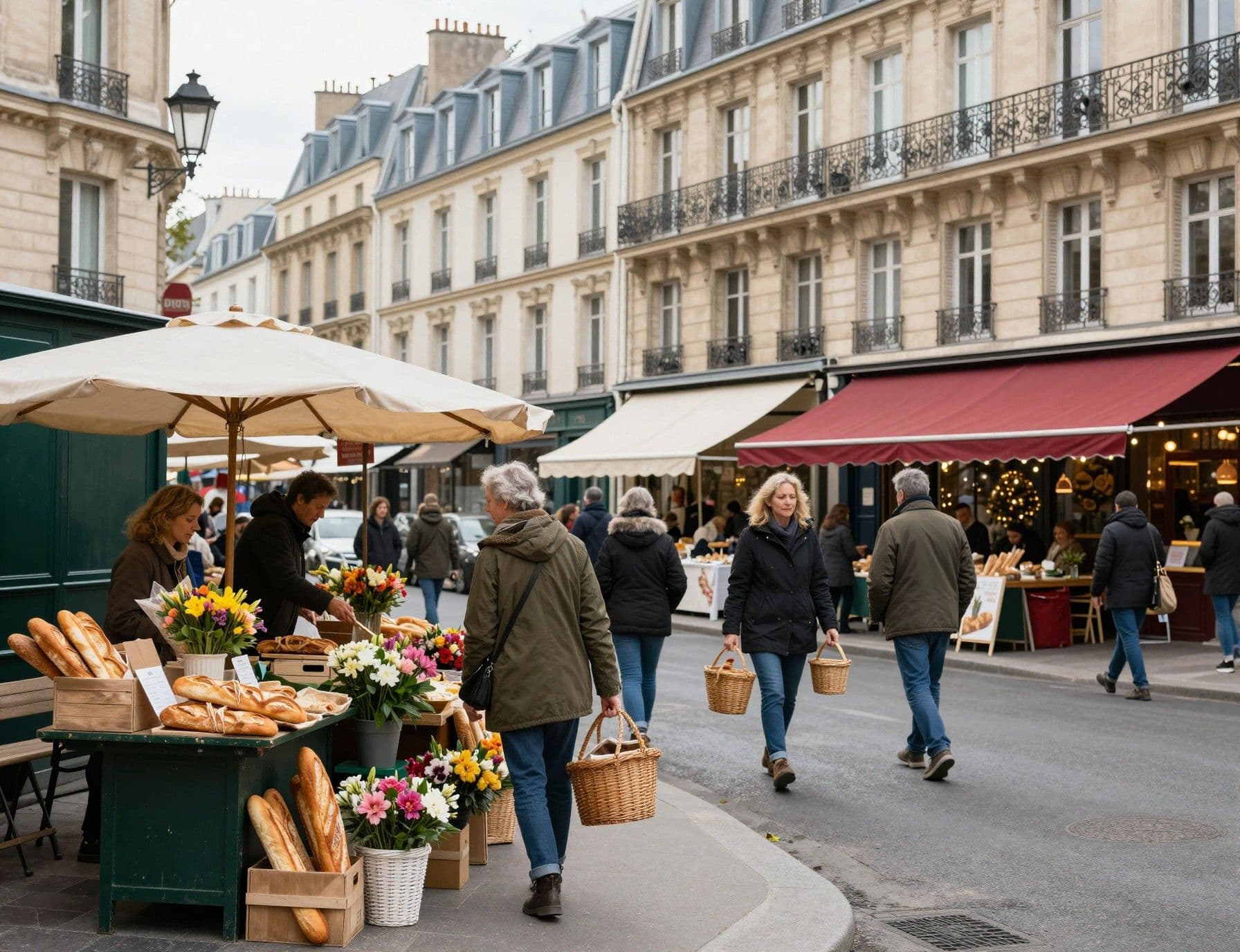
France is not one market but dozens. Paris mornings are architected around café counters and métro rhythms; Lyon’s Presqu’île hums with culinary clusters; Biarritz and Nice reframe year-round outdoor life; Nantes and Rennes attract remote workers with bikeable centres and new co‑working nodes. These differences matter for returns because tenant demand aligns closely with daily life: students and young professionals chase central amenities, retirees prioritise quiet sunny terraces, and seasonal leisure markets drive short-term rental peaks on the Riviera and Atlantic coast.
Neighbourhood spotlight: Paris — not a single story
Paris is often used as shorthand for France but it contains divergent micro-markets. Le Marais and Saint-Germain remain premium for long-term capital growth, but working-class outer arrondissements such as 18th (Clignancourt) and 20th (Père Lachaise) show stronger gross yields and higher turnover. For international buyers, that means sacrificing a “central-insta” address can materially improve yield without losing urban lifestyle — you still get cafés, markets and transport links within a short ride.
Coast vs. hinterland: The Riviera, Atlantic and hidden pockets
Côte d’Azur prices skew towards ultra-premium, but yield opportunities exist in nearby towns and inland villages where tourists skim the surface of demand. On the Atlantic coast, towns like La Rochelle and Biarritz command lifestyle premiums but also year-round rental activity thanks to surfers, remote workers and families. Look beyond Nice and Cannes to towns within 20–40 minutes by train — you often trade a smaller price per m² for comparable rental demand and lower vacancy risk outside peak season.
Making the move: Price, yield and what the numbers hide
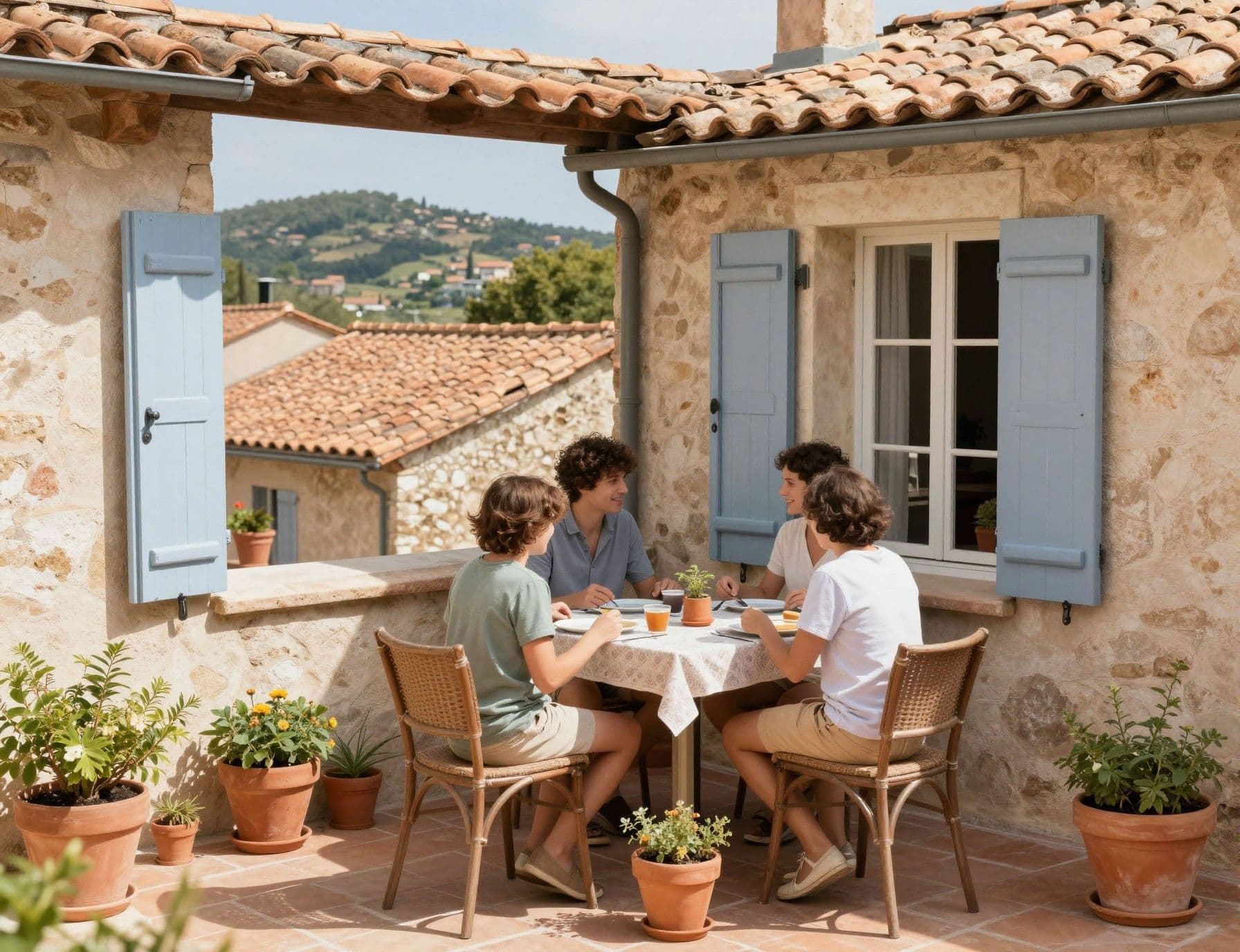
National statistics smooth over local pockets where yield and price trajectories diverge. National sources show year-on-year price stabilisation and modest declines in some quarters, but city-level DVF transaction data reveals median prices per m² that vary dramatically across regions. Gross rental yields in France cluster around mid‑4% in recent aggregations, but individual cities and property types swing widely from sub‑3% (Paris) to mid‑4% or higher in provincial university towns and coastal secondary markets. Use national indices for macro direction and DVF for street-level calibration.
What 'gross yield' really tells you
Gross yield is annual rent divided by purchase price; it is a first-pass liquidity and demand signal but ignores vacancy, taxes and maintenance. In France those adjustments are non-trivial: taxe foncière, syndic fees on copropriétés, and the administrative burden of short‑term letting reduce net returns by 1–3 percentage points. For buy‑to‑let investors, always convert advertised gross yields to an expected net yield scenario using local cost assumptions and conservative occupancy rates.
How price per m² informs neighbourhood choice
Price per m² is the most actionable input for cross‑market comparison. A €3,500/m² apartment in Nantes will often produce a materially higher net yield than a €9,500/m² one in Paris even with lower absolute rents, because entry cost is lower and tenant demand remains stable. Consult DVF or municipal sale registries to benchmark specific streets; sellers and agents will reference averages, but sold‑price datasets reveal recent realised values that define realistic negotiation anchors.
Working with local experts who match lifestyle to returns
Buying in France is as much about local intuition as it is about numbers. Local notaires, agency teams specialising in exportable inventory (student lets, long-term family rentals, seasonal second homes) and property managers who understand regional tenancy laws are essential. Choose partners who supply street-level comps from DVF, transparent fee schedules, and clear renovation cost estimates so you can model total cost of ownership before signing any compromis de vente.
Property types and their investor profiles
Studios and one-bed flats in university towns and central transport nodes suit yield-focused investors because of steady tenant turnover and lower per-unit maintenance. Larger family apartments or houses near good schools and green space attract longer leases and lower vacancy, suiting capital preservation. Short‑term holiday lets demand active management and seasonality planning but can inflate gross yields; factor in management fees and tourist tax when modelling returns.
- Practical steps when engaging an agency (mixing lifestyle & finance)
- 1. Request DVF-based comps for the exact street and past 12 months; 2. Ask for a yield model showing gross and net scenarios; 3. Confirm typical vacancy and rent indexation locally; 4. Obtain a written estimate of short-term renovation and ongoing holding costs; 5. Review local tenant profile (students, tourists, families) and its seasonality impact.
Insider knowledge: what expats wish they'd known
Expat investors often underweight administration friction and local norms. Copropriété (co-ownership) rules determine both monthly costs and renovation pathways; in older buildings these can be surprisingly restrictive. Many buyers also underestimate the value of proximity to tram or TER links — a 20‑minute improvement in commute often raises both rental demand and liquidity at resale. Use DVF and municipal planning portals to check recent works, and budget an explicit 8–12% of purchase price for immediate adaptation or compliance work in older properties.
Cultural and seasonal realities that change returns
Seasonality defines short‑term rental risk and local living patterns: coastal markets may double occupancy in July–August but flatten for six quieter months, whereas university towns show opposite seasonality. Social customs — strong tenant protections, local syndic governance, and administrative timelines for repairs — influence holding cost and turnaround times. Incorporate a seasonality-adjusted occupancy rate and a conservative maintenance reserve in your pro forma to avoid overstating returns.
Tips to reduce purchase friction
- • Secure a French bank pre-approval or international mortgage broker before bidding; • Ask the notaire for a full charge sheet and copies of copro bylaws early; • Use local trades for quotes to validate renovation budgets; • Insist on historical syndic charges for the past 3 years to spot future calls.
France offers a rare combination: places that feel curated and markets that behave like assets when you treat them as such. If you love the idea of morning markets, river walks and evening aperitifs, you can buy properties that sustain those routines while meeting disciplined yield targets. Start with street-level DVF comps, model gross-to-net scenarios, and partner with a team who knows both the local café and the syndic ledger — then your French life will be supported by numbers, not wishful thinking.
Swedish financier who guided 150+ families to Spanish title deeds since relocating from Stockholm in 2012, focusing on legal and tax implications.