Where Malta’s Real Rental Yields Actually Live
Malta’s small size hides huge micro‑market differences: model street‑level rents, seasonality and building readiness to turn lifestyle demand into reliable rental yield.
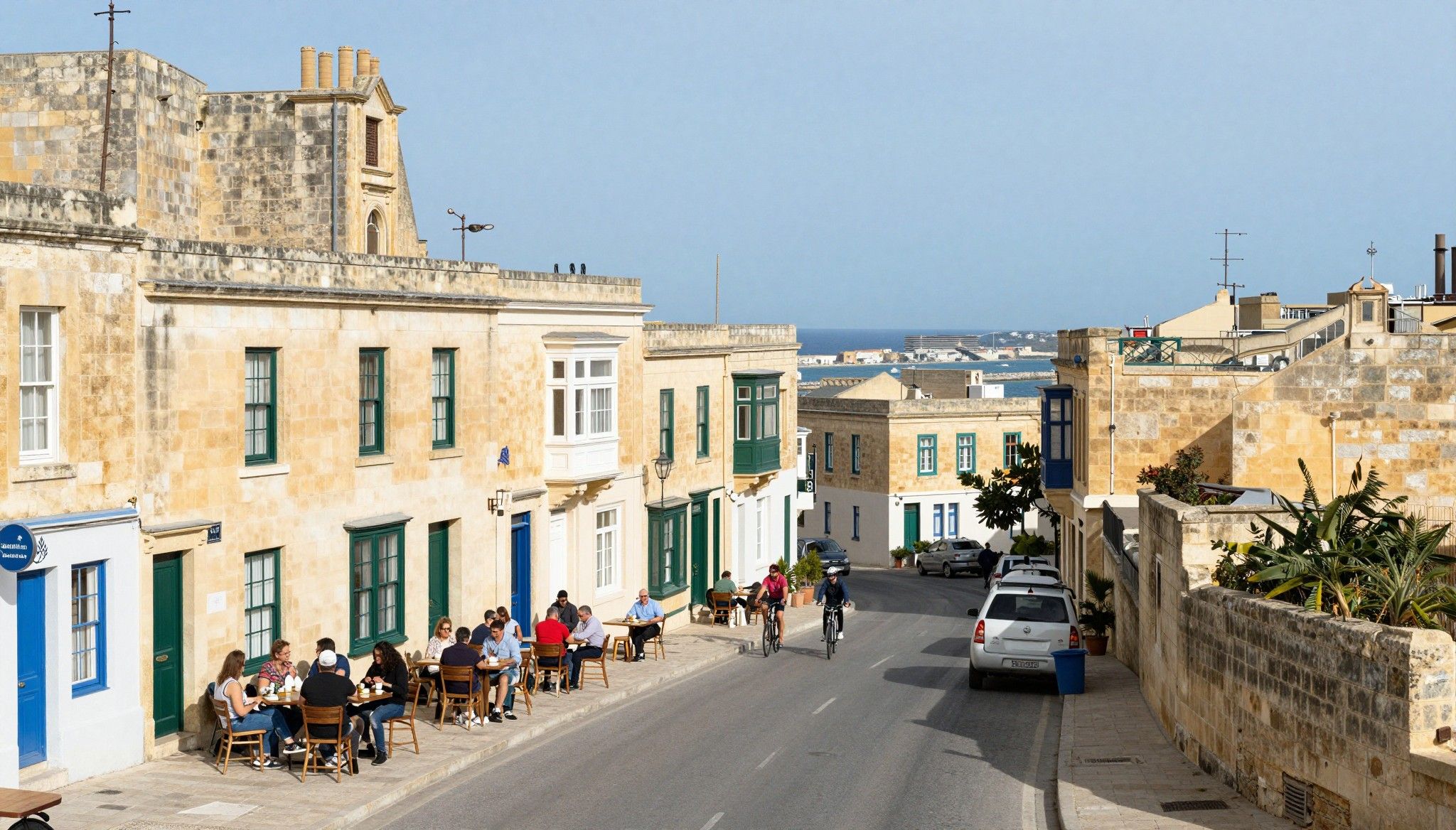
Imagine sipping a robust espresso on a sun-warmed pavement in Sliema, then walking ten minutes to a waterfront apartment where short‑let bookings pulse through the summer and steady expat tenancies cushion the winter. Malta’s compact geography makes neighbourhood choice decisive: a single street move can flip your expected rent and your tenant profile. For international buyers who think Malta is “just a holiday market”, the reality is layered — tourism amplifies demand, but long‑term yields live in the cross‑section of location, building type and tenancy mix.
Living the Malta lifestyle: why place matters
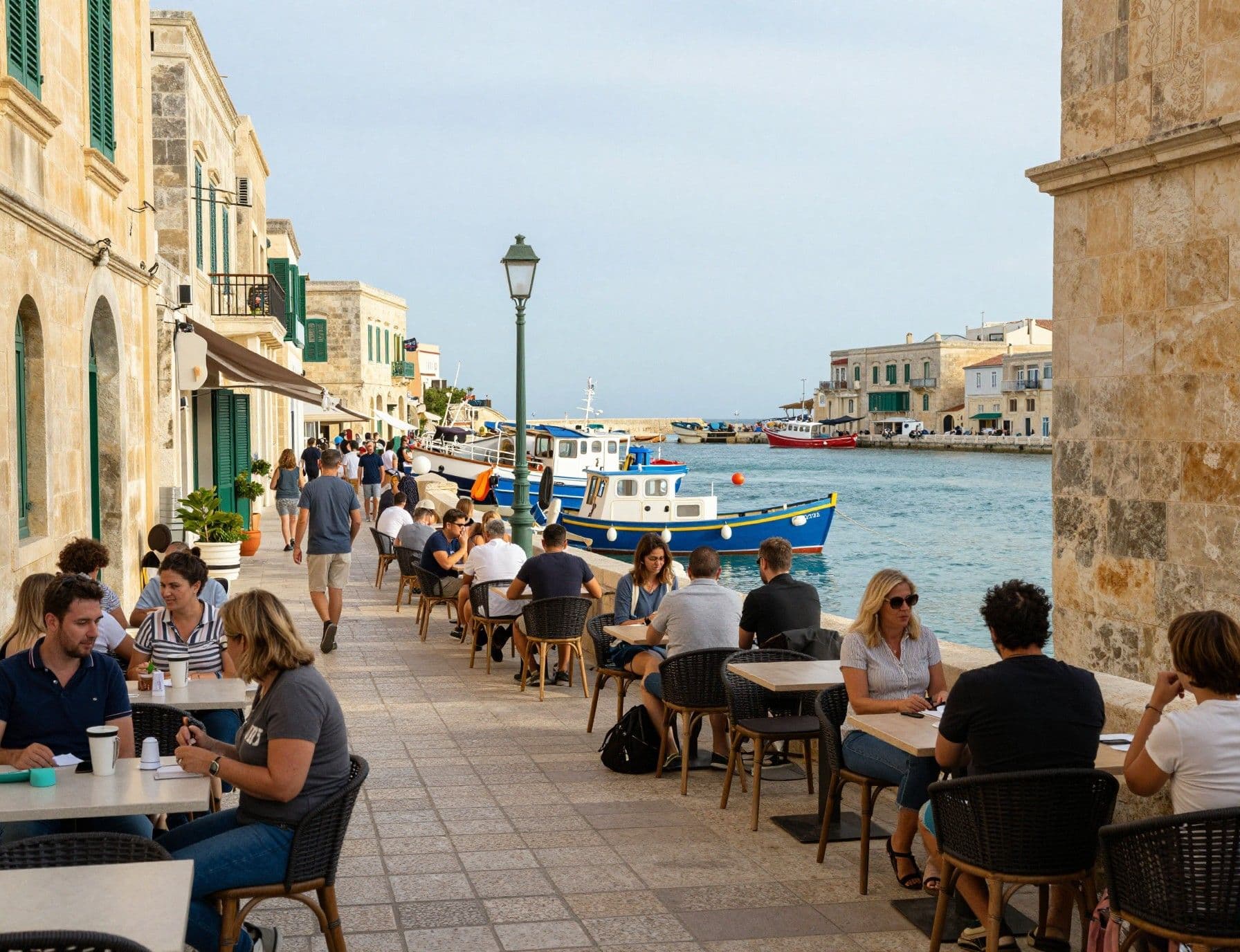
Malta compresses Mediterranean living into a 27 x 14 km experience: mornings at Valletta’s cafés, afternoons on Mellieħa Bay, evenings around Spinola Bay. Tourism returned strongly in 2024, bringing more than three million visitors and higher short‑let demand in core coastal towns, but that demand is sharply seasonal. Which means lifestyle buyers must balance summer footfall with year‑round tenants if they want resilient rental income.
Sliema, St Julian’s and the coastal corridor
Sliema and St Julian’s are Malta’s financial and leisure spine: cafes, co‑working hubs, and the iGaming workforce concentrate here. Expect premium rents and intense competition for well‑appointed 1–2 bed apartments; turnover is higher but so are headline yields in good stock. The premium comes with operational demands: furnished units, fast internet, and active property management.
Valletta, Gżira and the three‑cities: culture meets yield
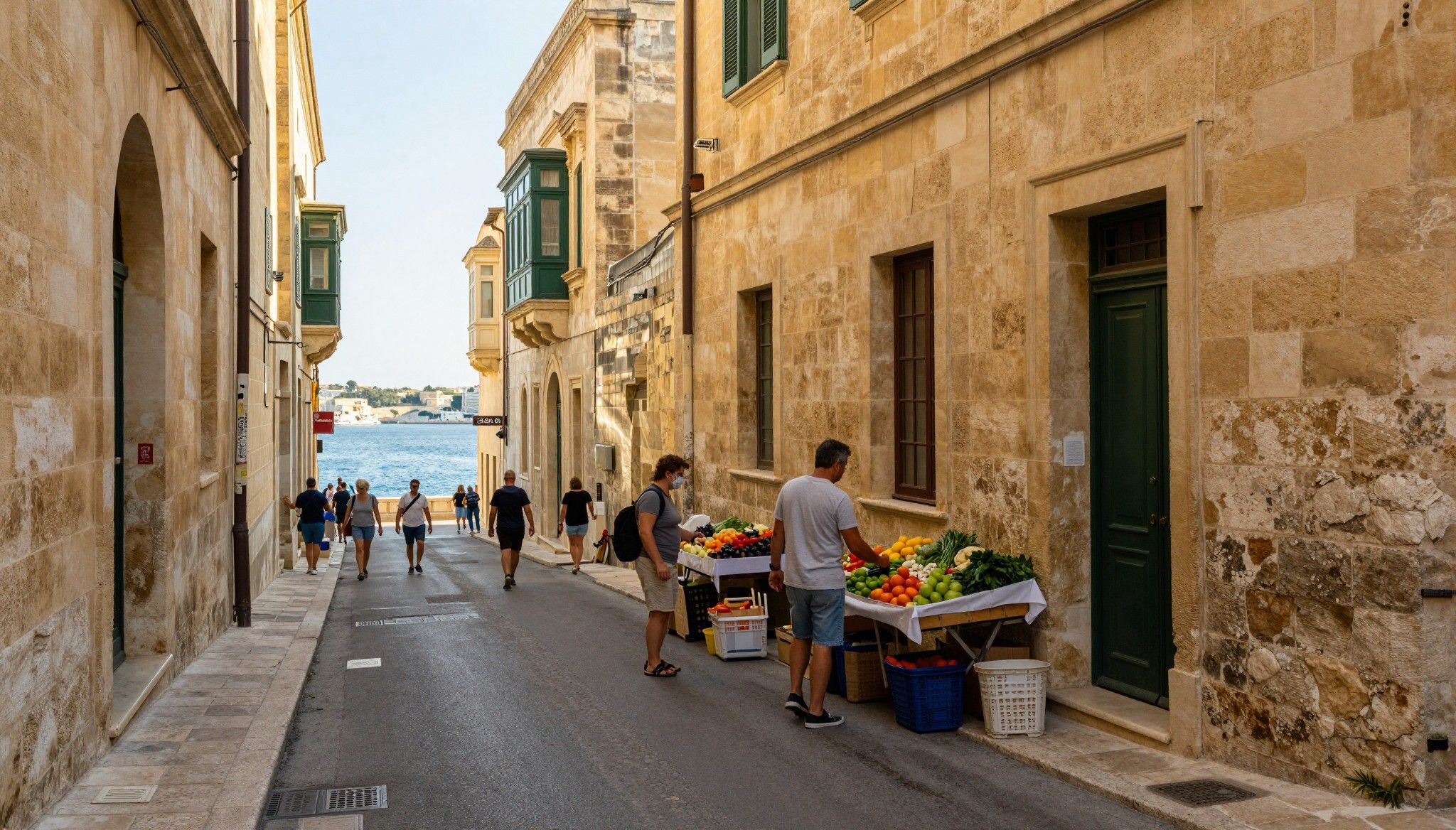
Valletta and Gżira present a different proposition: historic character, walkable streets and mid‑range rents that often yield better net returns after purchase price is considered. The Three Cities and older waterfront quarters can offer lower entry prices and good long‑term rental demand from families and local professionals. If you prize steady occupancy over high seasonal spikes, these neighbourhoods deserve modelled underwriting.
Making the move: practical realities that protect yield

Gross rental yields in Malta sit in the low single digits at national averages, but location and product selection create meaningful dispersion. National-level figures (gross yields around 3.9% as of Q1 2026) hide pockets where net yields after costs and vacancies can exceed expectations. For investors this means underwriting with microdata — street‑level rents, realistic operating costs and seasonal vacancy assumptions — not national averages.
Property styles: what tenants actually pay for
Modern, well‑insulated apartments with outdoor space and reliable fibre command the best long‑term rents; older townhouses sell on character but require CapEx for rental readiness. Short‑let friendly features — sea views, terraces, parking and proximity to cafes — push peak night rates, but increase management intensity and regulatory exposure. Credit tenancy (corporate lets to iGaming firms) can stabilise income but requires precise lease structuring.
Six underwriting steps to protect yield
1) Source 12–24 months of actual rental receipts for the building or adjacent comparables; 2) Apply a +10–20% vacancy stress to short‑let heavy projections; 3) Model management fees (12–20%) and maintenance reserves; 4) Price in utility pass‑through limits and municipal rates; 5) Confirm planning rules for short lets with the local council; 6) Run a 5‑year cashflow with conservative growth (1–3% real) and a terminal cap‑rate scenario.
Insider knowledge: what expats wish they'd known
Expats often underestimate Malta’s seasonality and the micro‑markets inside its tiny geography. Local customs — late dining, Sunday closures in smaller towns, and high summer foot traffic — influence tenant expectations and amenity prioritisation. Data from the NSO shows tourism and regional mobility underpinning letting patterns; use those reports as demand proxies when stress‑testing short‑let strategies.
Cultural integration, language and community
English is an official language, which lowers the barrier for international landlords managing lettings and contractors. Building rapport with local agents and tradespeople shortens renovation timelines and reduces surprise costs. Joining expat networks in areas like Swieqi and Pembroke helps identify reliable property managers who understand both investor yield targets and tenant expectations.
Red flags that quietly destroy returns
• High transaction premiums in Sliema/St Julian’s that compress long‑term net yields • Buildings lacking Title Deeds or with disputed common areas (legal delay = lost rent) • Units dependent on short‑let income without planning confirmation • Poor insulation and single glazing increasing maintenance and vacancy risk • Overpaying for sea‑view premiums when operational costs outweigh revenue gain
Malta rewards buyers who translate lifestyle appeal into defensible cashflows: buy the street, not the photo. Start with granular rent evidence, model seasonality against NSO tourism flows, and prioritise neighborhoods where long‑term demand complements peak tourist months. Work with licensed local agents and managers to convert lifestyle advantages into measurable yield.
Next steps: visit neighbourhoods at different times (weekday morning, Saturday evening, off‑season), request historical rental ledgers from agents, and run the six underwriting steps before making offers. If you want an investment that feels like a Mediterranean life rather than a summer postcard, target properties with year‑round tenant appeal and an operations plan that respects Malta’s seasonality.
Danish relocation specialist who moved to Cyprus in 2018, helping Nordic clients diversify with rental yields and residency considerations.