Street Rhythm to Yield: Italy’s Lifestyle‑Driven Returns
Italy blends ritual and returns: match neighbourhood rhythms to tenant profiles, model IMU and rental tax impacts, and prioritise local experts to turn lifestyle appeal into reliable yield.
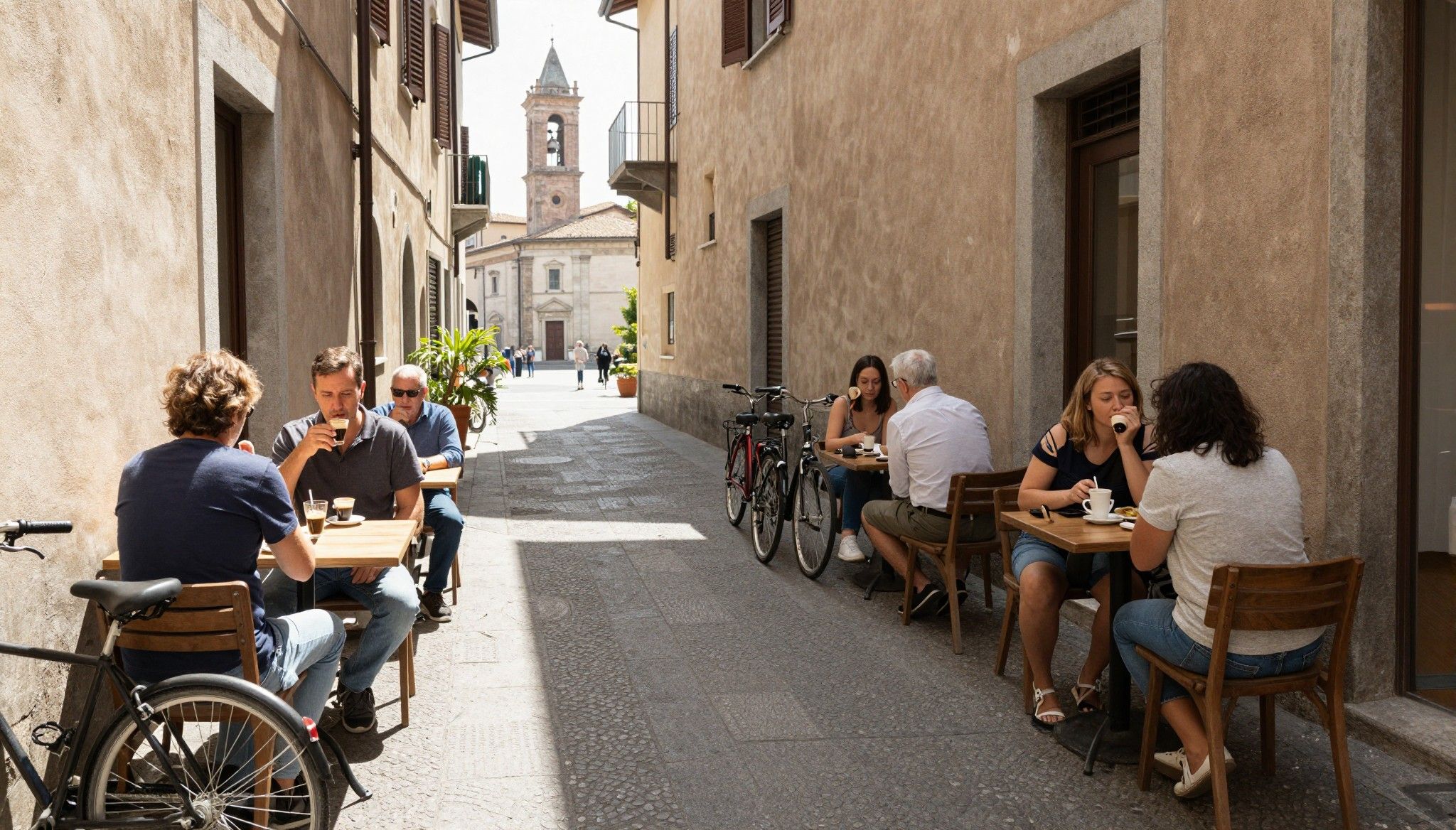
Imagine sipping espresso on Via dei Coronari in Rome at 9am, then driving two hours to a sunlit farmhouse in Umbria by noon. Italy asks you to trade convenience for ritual: slow breakfasts, weekly markets, and a town square that double-checks your calendar. For international buyers, that rhythm is the investment opportunity—and the operational headache—you’re buying into.
Living the Italian lifestyle (and what it means for investors)
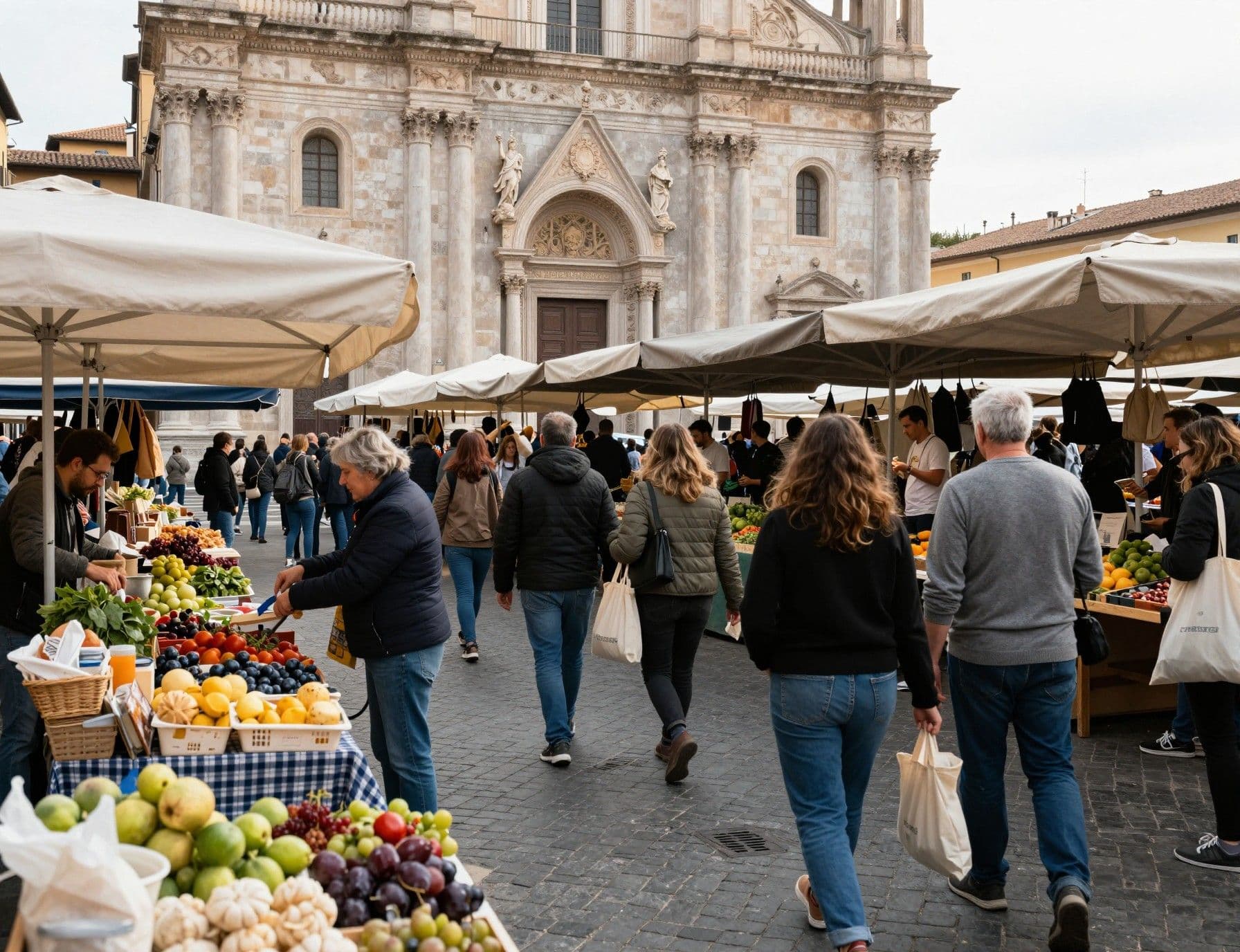
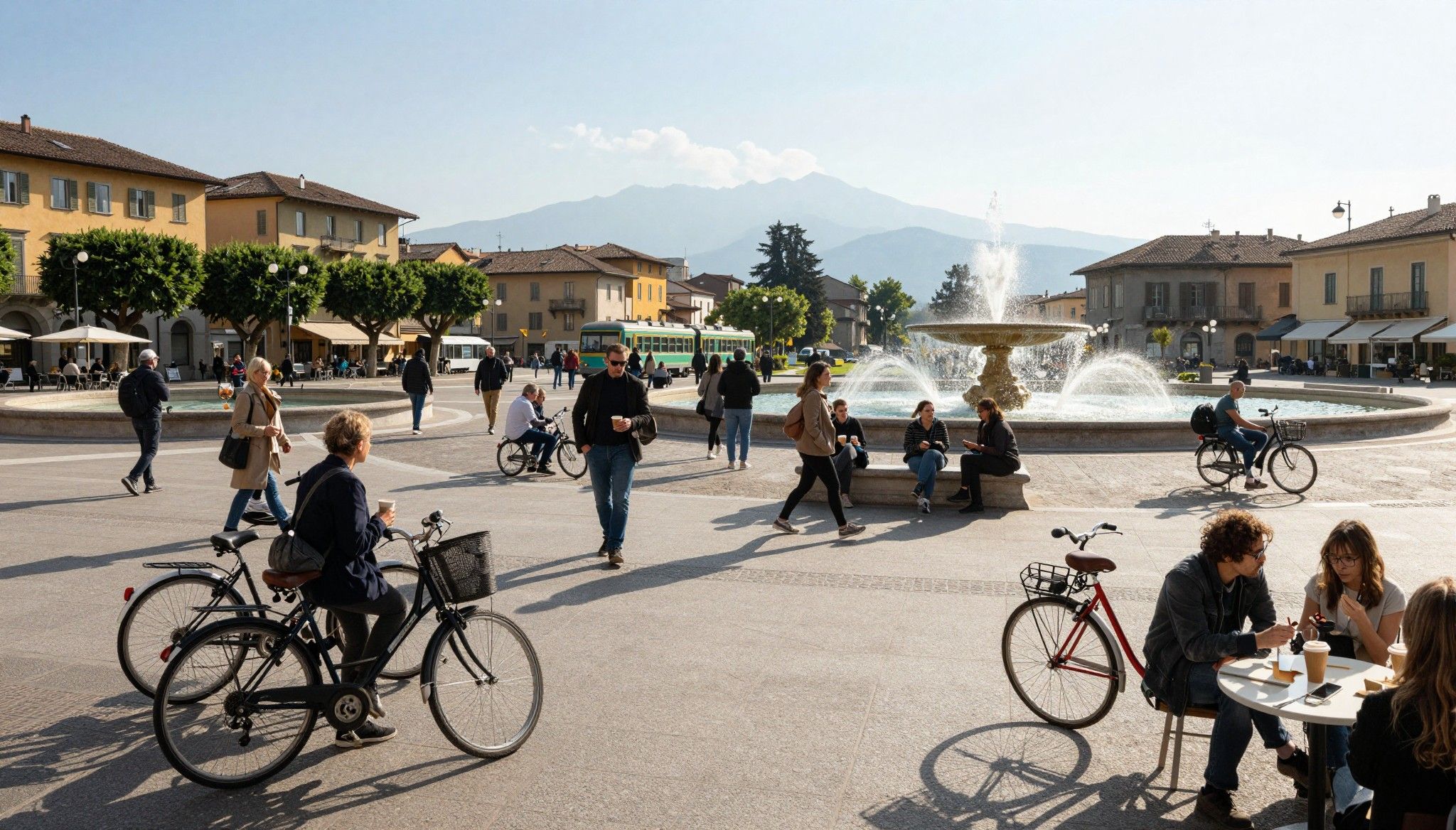
Street life matters in Italy—and it affects returns. High‑street cafés, morning markets and walkable piazzas create rental demand that’s predictable but seasonal. Recent market studies show gross rental yields in many Italian cities remain in the mid‑single digits while smaller towns often display higher headline yields, reflecting different tenant pools and seasonality. Practical implication: buy where the lifestyle matches your tenant profile. ([globalpropertyguide.com](https://www.globalpropertyguide.com/Europe/Italy/Rental-Yields?utm_source=openai))
Rome — history as amenity
Picture Trastevere at dusk: narrow lanes, student flats, and restaurants that hum. For investors this translates to stable long‑term rental demand, but higher purchase prices per square metre—often €3,000+ in central pockets—so expect lower entry cap rates than in smaller cities. Milan, by contrast, trades on job density and international tenants, driving higher prices and lower gross yields. ([globalpropertyguide.com](https://www.globalpropertyguide.com/Europe/Italy/Price-History?utm_source=openai))
Coastal towns & hill villages — seasonality equals opportunity
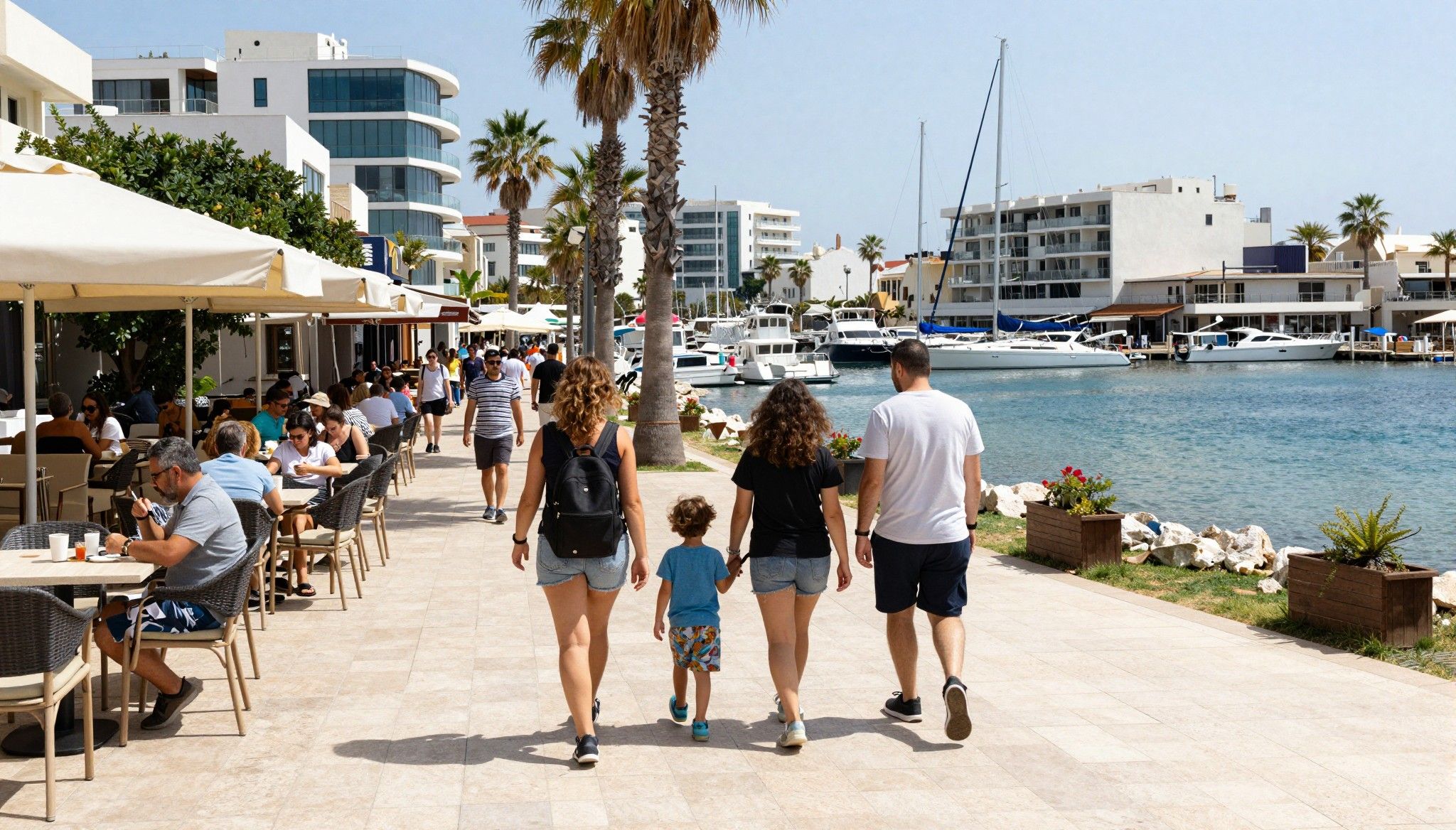
Think Cinque Terre, Amalfi or Bolgheri: tourism concentrates income into summer months. That’s an asset if you aim for short‑term holiday lets; it’s a liability if you need steady monthly cashflow. For buy‑to‑let investors targeting mid‑term rentals (six months+), lesser‑known coastal towns or university cities like Pisa and Siena often strike a better balance between lifestyle appeal and occupancy stability.
- Lifestyle highlights to map to investment strategy: Trastevere cafés (Rome); Navigli aperitivo lanes (Milan); Mercato Centrale (Florence); Lungomare beaches (Naples); Oltrarno artisan streets (Florence).
Making the move: practical rules that shape returns
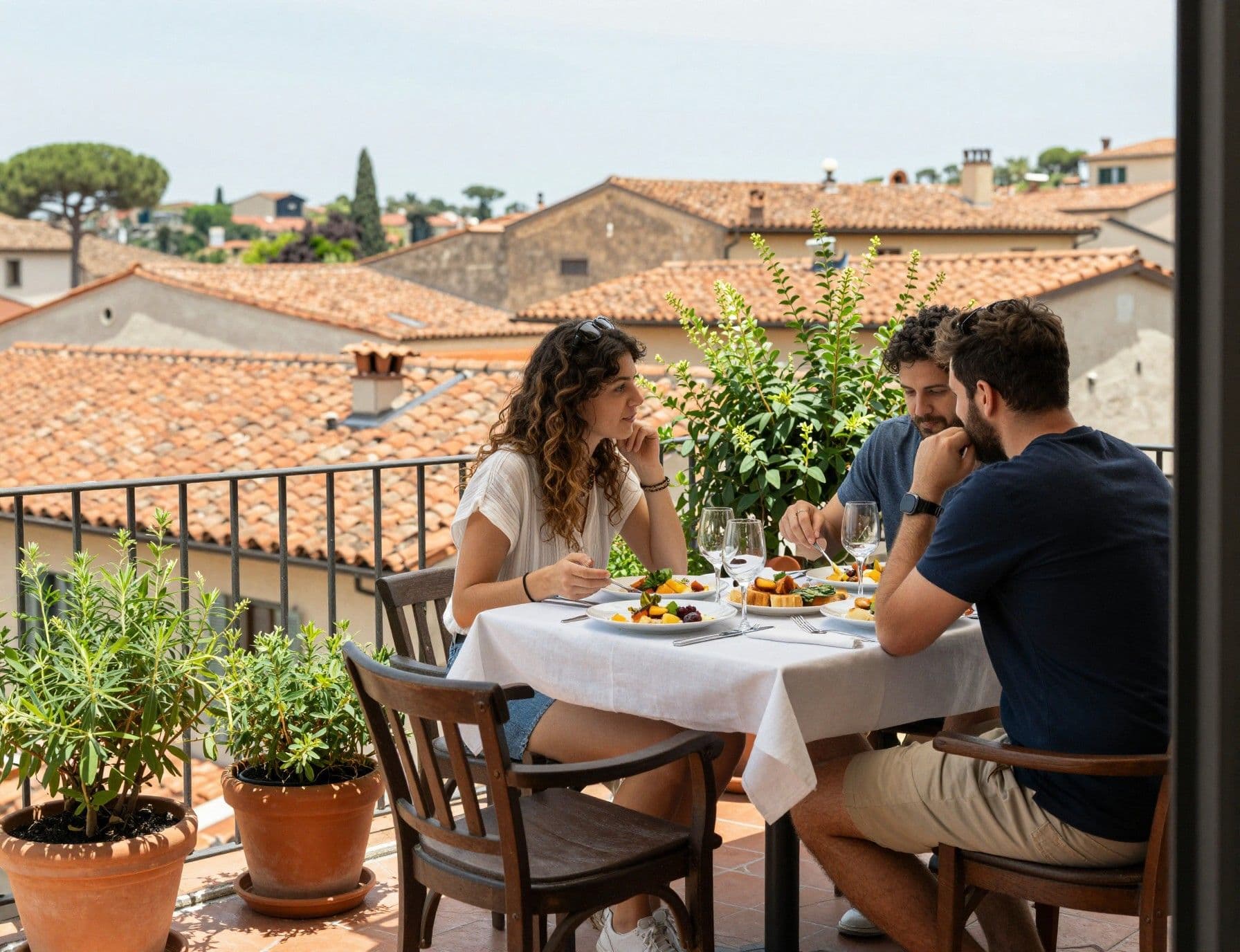
Italy’s tax architecture materially alters net yields. Non‑resident owners typically face higher transfer taxes and must budget for IMU (municipal property tax), TARI (waste tax) and income tax on rental receipts. Some reliefs (e.g., “cedolare secca” flat tax on rental income) are available but conditional. Before pricing a deal, model net yield after these fiscal items rather than relying on headline gross returns. ([italiantaxes.com](https://www.italiantaxes.com/articles/tax-obligations-for-owning-property-in-italy-as-a-non-resident?utm_source=openai))
Property styles and how they affect operating costs
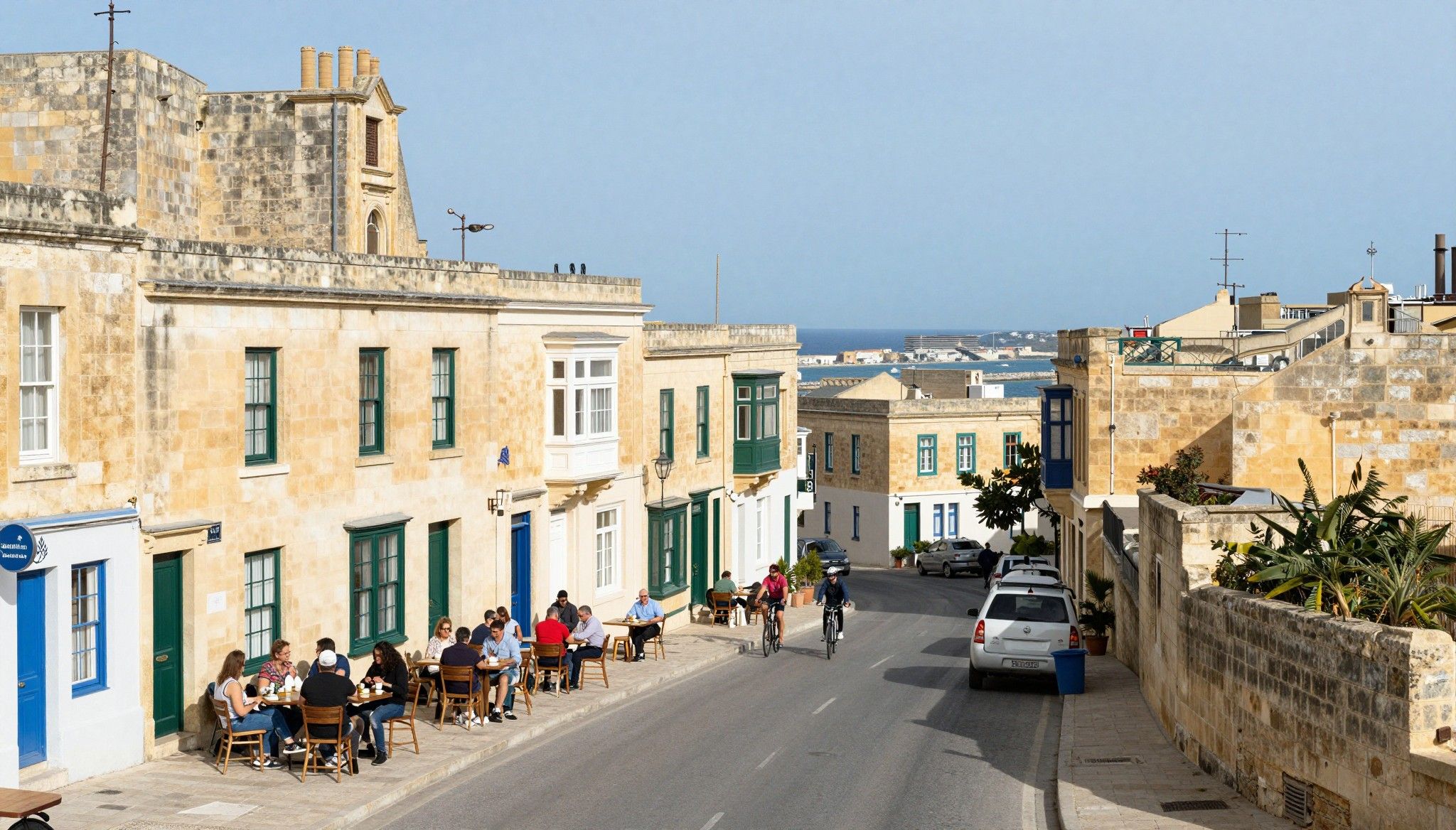
Historic centre apartments offer strong lifestyle marketing but often carry higher restoration and condominium maintenance costs: old roofs, shared boilers, and stricter heritage rules. New builds in peripheral zones cost more per sqm to buy but typically deliver lower capex and simpler co‑ownership management. Recent Nomisma research highlights modest but broad price recovery—factor that into renovation budgets and capex timelines. ([nomisma.it](https://www.nomisma.it/press-area/presentato-il-1-osservatorio-sul-mercato-immobiliare-di-nomisma/?utm_source=openai))
Working with local experts
- 1. Hire a local notaio (notary) early — they control title transfer and ensure no hidden liens. 2. Use an accountant familiar with non‑resident filings to model IMU, TARI and rental tax regimes. 3. Partner with an agency that demonstrates agency fees, expected maintenance, and realistic seasonal occupancy. 4. Ask for a dossier: utility bills, condominium minutes, building permits and energy certificates before making offers.
Insider knowledge: what expats wish they’d known
Short lists of lived experience: utilities sometimes switch slowly when you’re non‑resident, local condominium boards can block renovations, and tourist hotspots have idiosyncratic municipal rules. Student housing, for example, has shown strong rental resilience in university cities—an often overlooked segment for predictable income. Be pragmatic: lifestyle headlines (sea view!) must be stress‑tested against local rules and seasonal vacancy. ([colliers.com](https://www.colliers.com/-/media/files/emea/italy/report-2025/snapshot_pbsa_2025.ashx?sc_lang=en-it&utm_source=openai))
Cultural integration, language and neighbourhood fit
Learning a few basics of Italian pays dividends: landlords who speak Italian navigate condominio meetings and tenant disputes faster. Neighborhoods like Florence’s Oltrarno or Bologna’s Santo Stefano reward relational capital—local shopkeepers, building porters (portieri) and municipal offices that know you by name. That social capital reduces friction and often preserves value better than cosmetic upgrades.
Long‑term lifestyle and portfolio considerations
- When modelling Italy as part of a portfolio: focus on diversification by region, include contingency for municipal tax changes, explicitly model seasonality and vacancy, prefer cashflow scenarios over optimistic appreciation, and value local agency relationships as operational hedges.
Conclusion: Italy sells a lifestyle and a set of predictable cashflows—when you align the neighbourhood rhythm with the tenant profile and model taxes, seasonality and maintenance explicitly, you convert romance into repeatable returns. Start with a focused brief (target yield, tenant type, renovation tolerance), then engage a notaio, local accountant and a neighbourhood‑savvy agent who can quantify lifestyle drivers. Buy the street, not the sunset. ([globalpropertyguide.com](https://www.globalpropertyguide.com/europe/italy/buying-guide?utm_source=openai))
Swedish financier who guided 150+ families to Spanish title deeds since relocating from Stockholm in 2012, focusing on legal and tax implications.