Cyprus: Lifestyle Rhythms That Drive Returns
Cyprus’s appeal is lifestyle-led but returns are data-driven: model seasonality, prioritise transport-connected neighbourhoods, and convert tourist flows into reliable rental income.
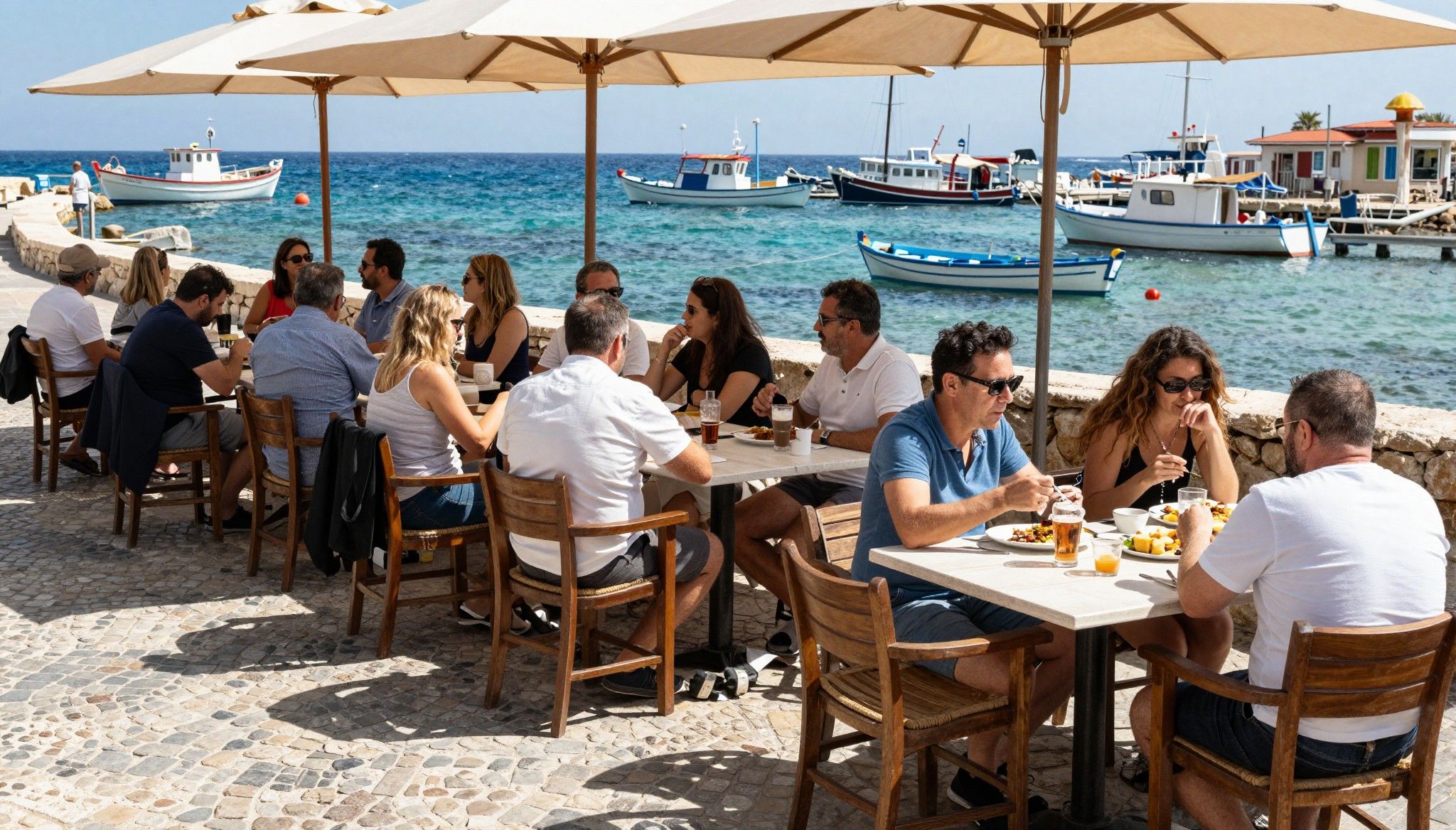
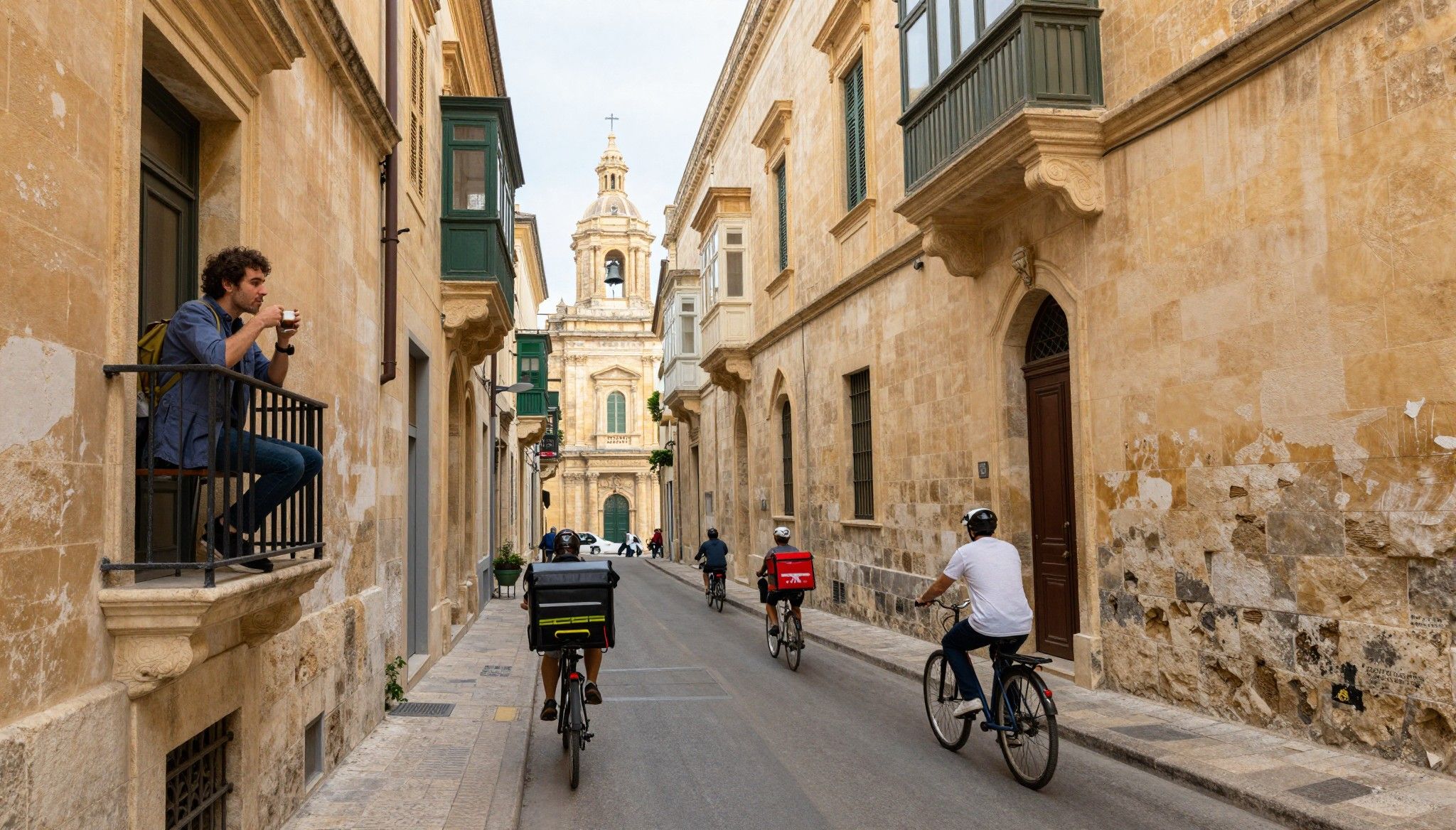
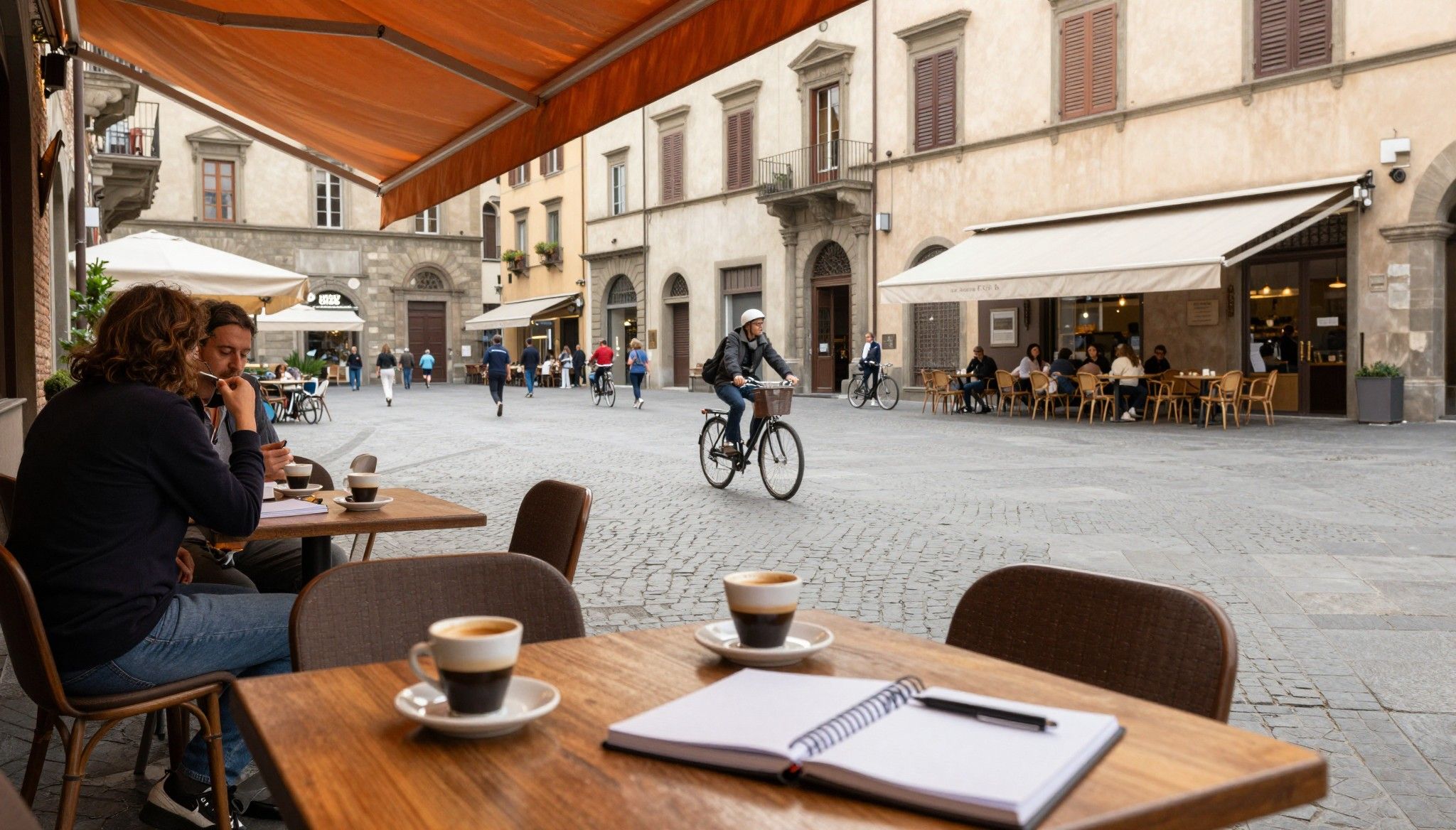
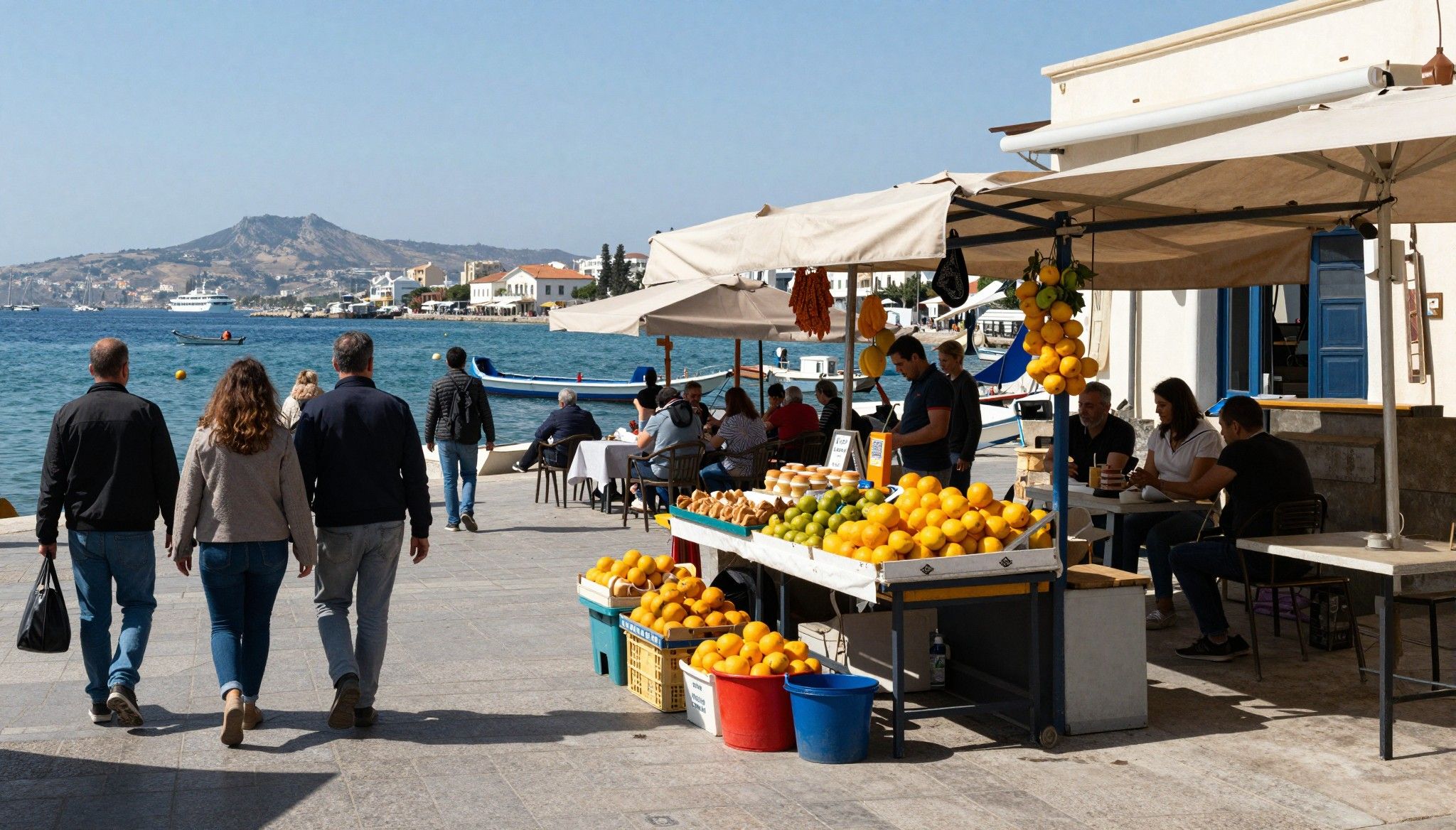
Imagine sipping an espresso on a shaded terrace in Limassol’s old port as delivery scooters thread between fishermen and boutique galleries. Cyprus moves at a Mediterranean tempo — sea breeze mornings, buzzy tavernas at dusk, and calmer mountain villages where time dilates. That sensory first impression hides a market logic: compact urban catchments, tourism-driven rental demand and steady post‑pandemic price growth that together define where returns actually live. This guide pairs that lived experience with the macro forces — tourism flows, price indices, and yield bands — that should shape any international buyer’s thinking.
Living Cyprus: daily rhythms that shape demand

Daily life in Cyprus is intrinsically seasonal and location-specific, and those rhythms drive short-term occupancy and long-term buyer behaviour. Coastal towns like Limassol and Paphos hum during high season with tourist and short-term rental demand, while Nicosia’s steady government and services employment creates year-round needs for longer lets. Tourism volume recovered strongly in 2024–25 (4.53m arrivals in 2025), which underpins demand for professionally managed rentals in coastal zones and vacation-focused neighbourhoods. For investors, understanding which months see volume spikes — and which neighbourhoods convert visitors to tenants — matters more than chasing headline price growth.
Limassol’s dual identity: corporate hub and summer town
Limassol functions as two markets at once: luxury seafront and mid-market apartment blocks near business nodes. The port and Germasogeia strip generate high short‑term demand, while Agios Tychonas and Katholiki attract families and longer leases. That mix elevates transaction volumes and supports both capital appreciation and higher absolute rents, but it also raises entry prices — expect lower gross yields there than in secondary coastal towns.
Paphos: tourist peaks and surprisingly high yield pockets
Paphos combines UNESCO heritage sites with robust seasonal tourism. That seasonal profile produces short-term letting pockets where gross yields can beat national averages — in some micro‑zones Paphos has recorded gross yields north of 6% for holiday-ready apartments. But seasonality creates cashflow variance: a high gross yield headline can hide long vacancy months and elevated management costs during off-season.
Economic drivers: the data that quietly move prices and yields

Three macro forces matter for Cyprus returns: tourism inflows, financing availability and local wage/employment trends. Tourism recovered to pre-pandemic scale in 2025, supporting short‑term letting and holiday-resale markets. Mortgage supply and interest-rate cycles feed transactional liquidity: recent upticks in mortgage originations suggest easier entry for buyers when borrowing costs soften. Finally, public investment and corporate relocations concentrate demand in Nicosia and Limassol, stabilising rents for medium-term lets.
Tourism volumes become rental demand — but not evenly
Inbound tourism is concentrated by source market (UK ~34% in 2024), which affects seasonality and tenant profiles: UK visitors skew long‑stay summer bookings and repeat seasonal renters. That concentration means risk: a shock to one source market reduces short‑term occupancy more than a diversified tourism base would. Smart investors map origin markets to neighbourhood profiles before pricing expected short‑term revenue.
Price momentum, affordability and yields
Residential prices have shown steady annual growth through 2024–25 with the Central Bank’s RPPI reporting positive year‑on‑year rises into late 2025. Average gross rental yields across Cyprus cluster around 4.5–5.5% depending on property type and city; net yields are lower after taxes, fees and management. That gap between headline and net yields is the key arbitrage investors must model — a 5.5% gross yield can compress to ~3.5% net once all costs are included.
Making the move: property types, local expertise and a practical checklist
Your lifestyle brief should map to a property archetype that delivers the income profile you need. Coastal holiday apartments trade higher seasonality and management overhead for stronger peak rents; Nicosia flats trade steadier occupancy but lower headline rents. Working with a local agency that understands both the lifestyle micro‑markets and yield math prevents costly mismatches between expectation and cashflow reality.
Property styles and how they match investor goals
New‑build seafront developments appeal to buyers seeking turnkey short‑term income and easy management, but they carry higher acquisition prices and HOA fees. Traditional stone houses in Troodos or rural villages offer lower entry prices and capital appreciation potential tied to lifestyle migration, but they need renovation and active management. Evaluate yield sensitivity: model both optimistic (high occupancy, peak rents) and conservative (off‑season vacancy) scenarios before committing.
How local experts translate lifestyle into metrics
A proficient local agency brings street-level data: typical seasonal occupancy, average management fees, realistic rent expectations and tenant profiles. They can show historical booking calendars for comparable units, advise on renovation costs that materially lift rent, and quantify property taxes or municipal levies that affect net yield. For international buyers, that local mediation converts romantic lifestyle choices into defensible financial forecasts.
- Run this 5‑step checklist before offer: 1) Build a 12‑month cashflow model with seasonality; 2) Get local comparables for both sale prices and achievable rents; 3) Factor in management, utilities, insurance and HOA; 4) Request historical occupancy/booking data for short‑term assets; 5) Verify title, planning and any coastal setback rules with a local lawyer.
Insider knowledge: what expats wish they’d known sooner
Expats commonly underestimate three things: the fragility of seasonal cashflow, the true cost of professional property management and the diversity between neighbourhoods that look similar on a map. A Limassol block two streets from the sea may perform differently from the next block depending on noise, access and rental demand from corporate relocations. Local nuance — the café that fills a street in winter or a bus route that connects to employment nodes — often matters more than sea views when modelling long‑term returns.
Cultural and practical integration: quick truths
English is widely spoken in business and tourism, which simplifies property management and tenant sourcing for many international owners. Still, small administrative processes and municipal interactions run smoother with a local fixer or bilingual agent. Socially, neighbourhoods cluster around familiar life routines: morning coffee at a local kafenio, late family dinners in tavernas, and weekend markets that bring neighbours together — those rhythms determine which streets attract long‑term residents versus transient visitors.
Longer-term lifestyle evolution to watch
Look for pockets where infrastructure and corporate relocations meet lifestyle — those are the areas most likely to convert local demand into stable rental pipelines. Examples include Limassol nodes near business parks and Nicosia neighbourhoods close to universities and hospitals. Over a 5–10 year horizon, appreciation in such micro‑markets tends to outpace headline growth because they feed stable, year‑round tenancy rather than purely seasonal visitor demand.
- Practical quick wins for international buyers: • Prioritise proximity to transport or employment hubs over sea view for steadier yields • Insist on 12‑month rent data, not peak season snapshots • Budget 10–15% of gross rental income for professional management on short‑let units • Compare gross vs net yield scenarios across at least three neighbourhoods • Use a local lawyer and agent who can provide verifiable booking or tenancy histories
Cyprus offers a vivid lifestyle and multiple investment pathways, from holiday apartments in Paphos to family flats in Nicosia and premium seafront condos in Limassol. The winning approach blends that lifestyle vision with disciplined financial modelling: treat every property as a cashflow asset, stress-test seasonality, and validate assumptions with local data. If the idea of Mediterranean mornings and slow afternoons appeals, pair it with the analytics above — and enlist a local agency to convert where you want to live into how you will get paid.
Dutch investment strategist who built a practice assisting 200+ Dutch clients find Spanish assets, with emphasis on cap rates and due diligence.