Italy: Map the Lifestyle to Real Yield
Italy offers irresistible lifestyle variety; align that romance with data (ISTAT, Immobiliare.it) to model yields, seasonality and realistic ownership costs.
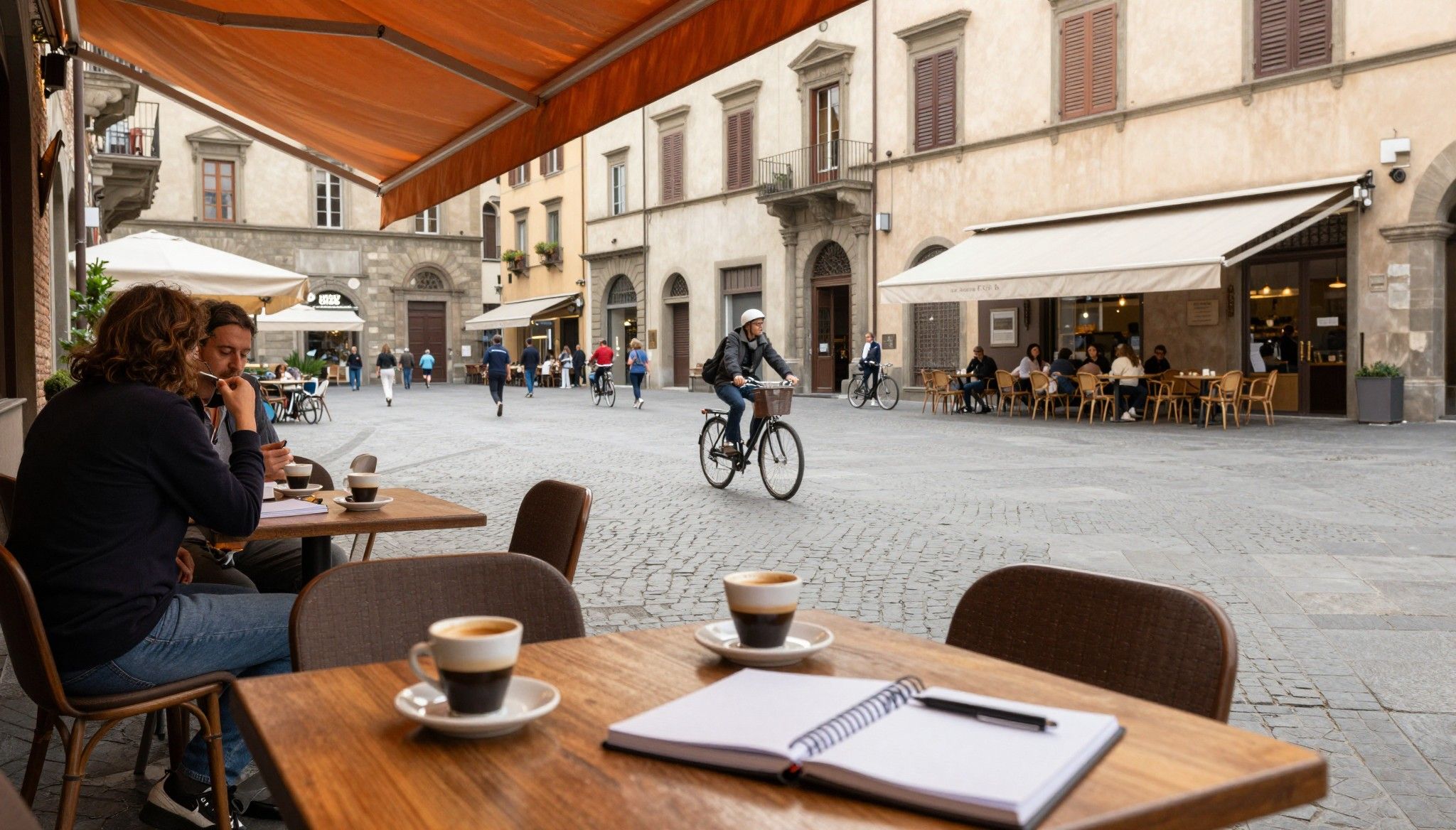
Imagine stepping out at 9 a.m. in a Roman neighborhood: espresso steam, delivery scooters, and a piazza already humming with conversation. In Italy daily life is a choreography of markets, aperitivi, weekday rituals and seasonal festivals — a rhythm that changes from Milan’s efficient mornings to Puglia’s slow coastal afternoons. That lived reality determines not only where you want to live but what kind of property makes sense for income and long-term returns. Below I blend sensory, hyperlocal scenes with hard market signals so you can fall in love without losing sight of yield.
Living the Italy lifestyle: daily rhythms that shape property choices
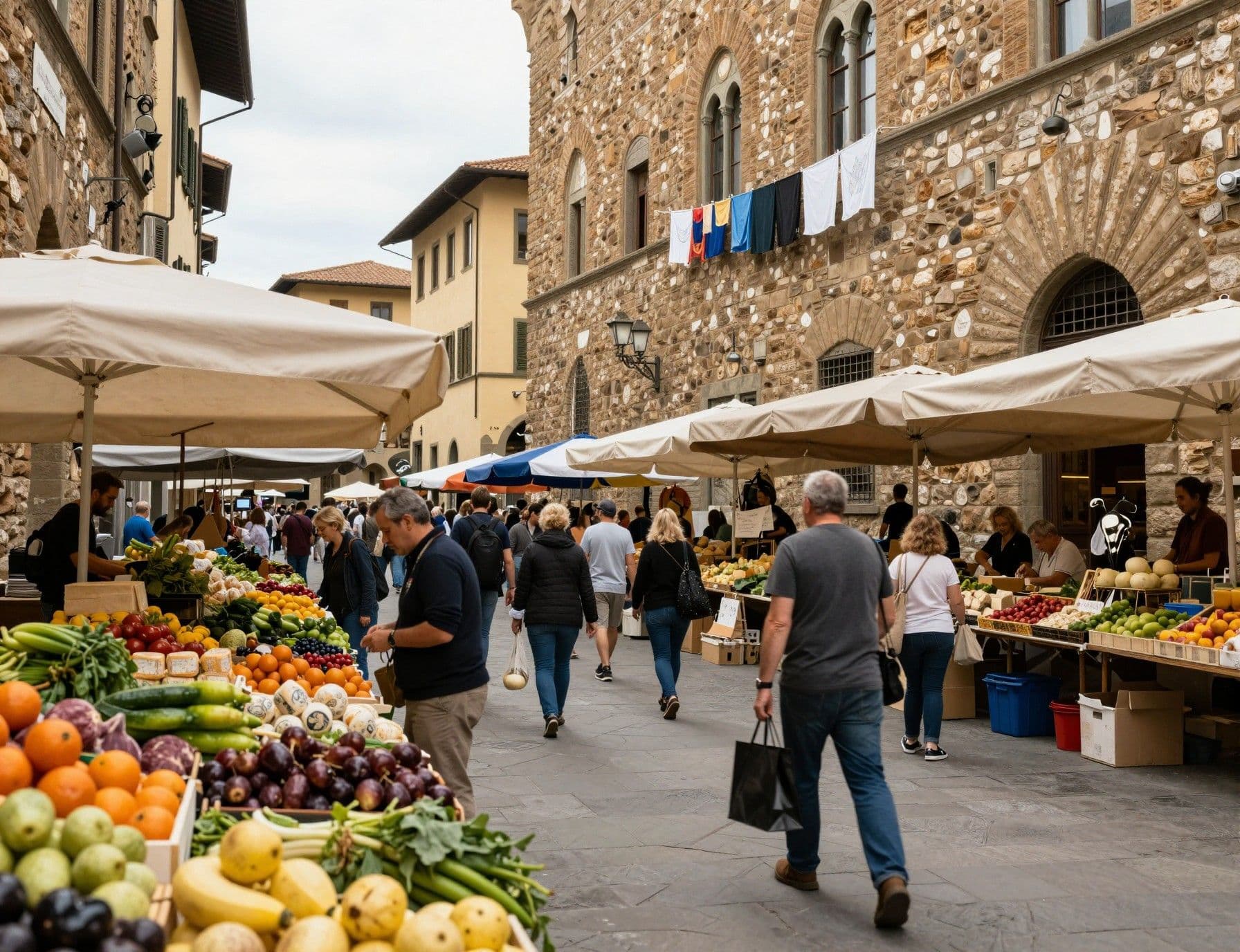
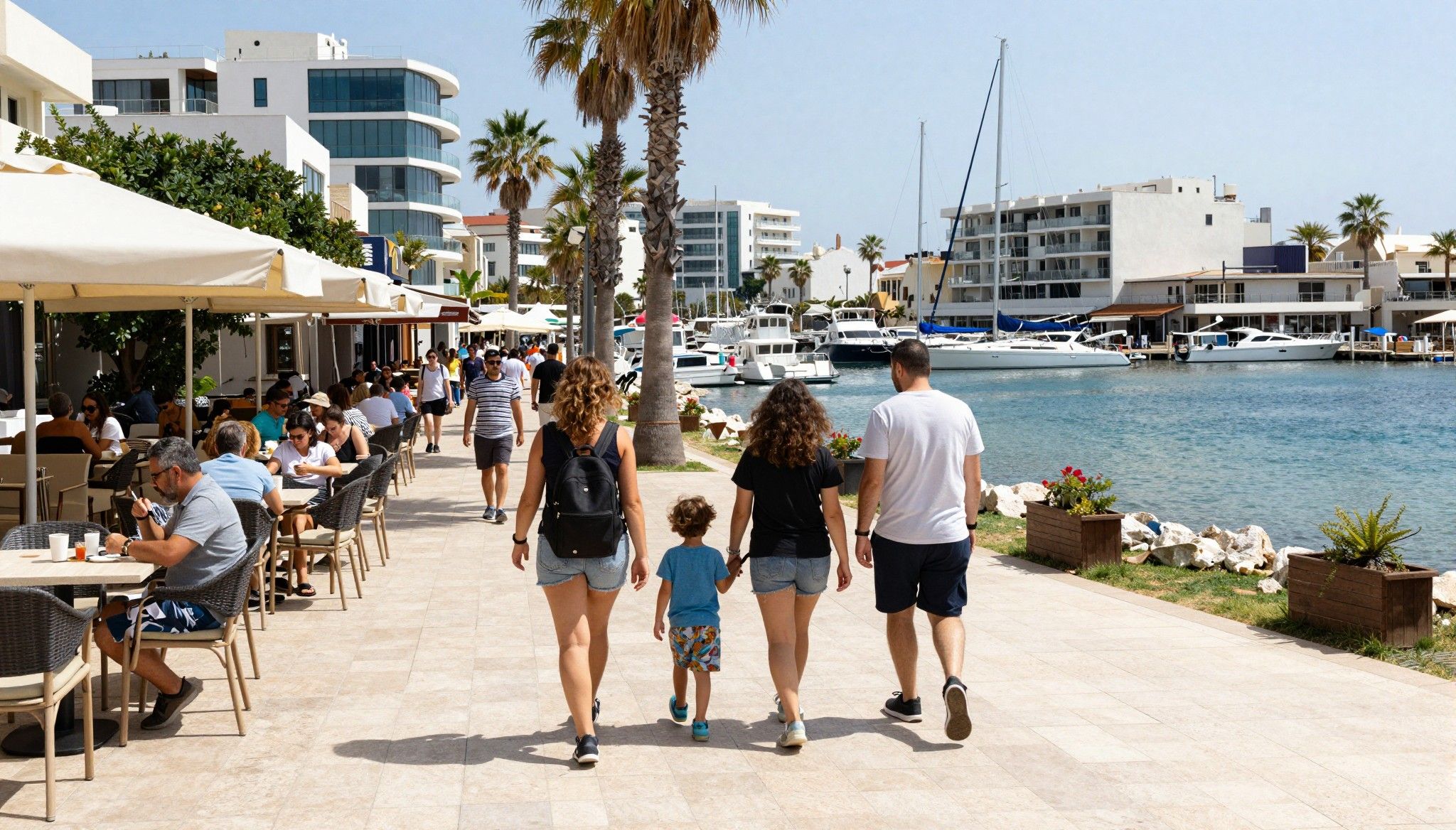
Italy’s appeal is geographically diverse: historic centro storicos, Alpine villages, and long coastlines host different daily rhythms and rental demand profiles. Cities pulse year-round with long-term tenants and professionals; coastal towns spike in summer and during festival weekends, driven by tourism flows that recovered strongly through 2024–25. For buyers this means the lifestyle you crave (market cafés, nearby markets, sea access) must map to an income profile — steady urban rents versus seasonal holiday premiums. Market data from national statistics shows tourism remains a backbone of local rental demand, particularly in coastal and cultural hotspots.
Neighborhood spotlight — Trastevere (Rome) and Navigli (Milan)
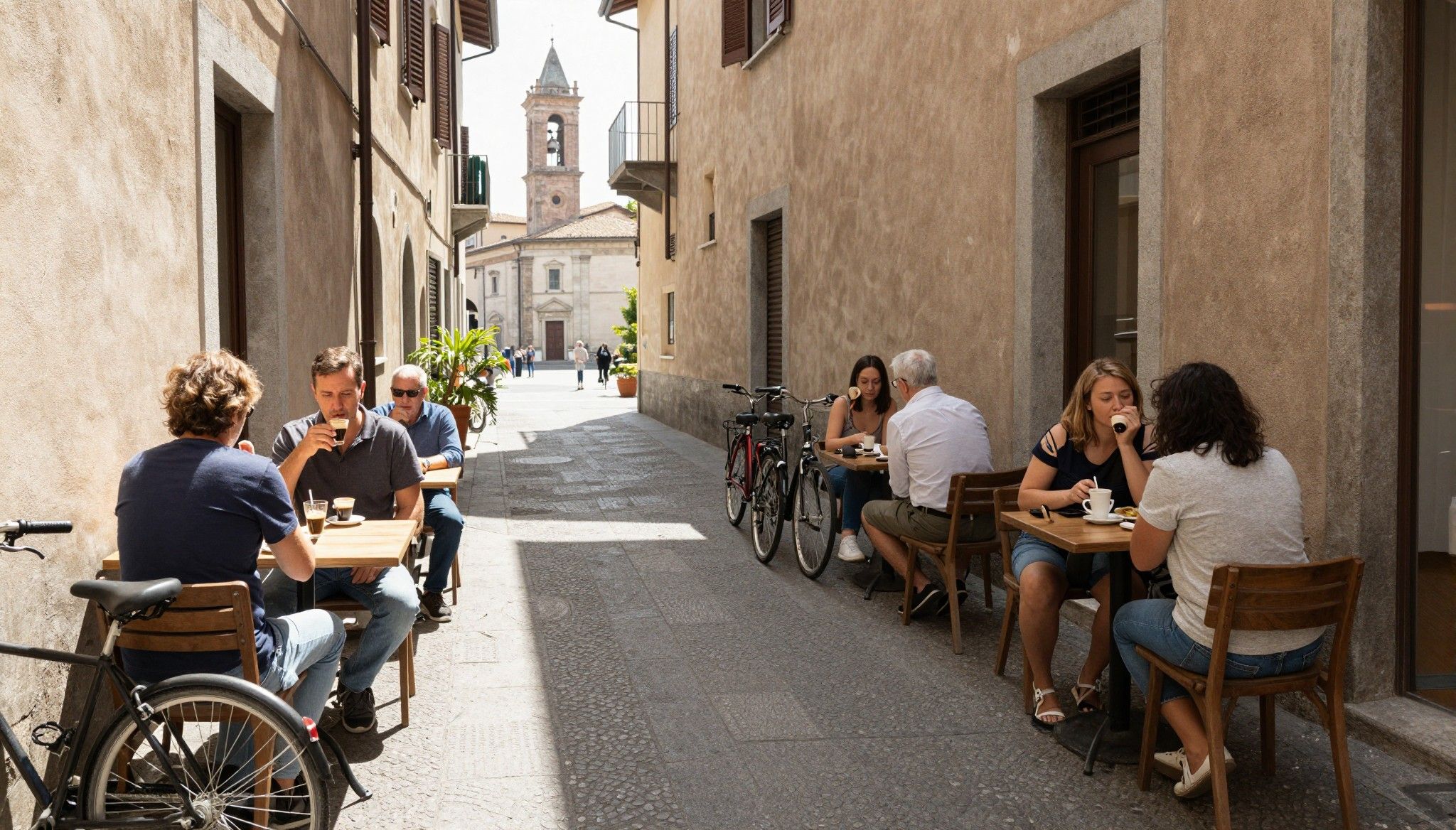
Take Trastevere: narrow cobbled lanes, evening trattorie and a strong short‑stay appeal that attracts tourists and younger renters. Contrast that with Navigli in Milan — canals, design bars and a professional rental base that supports higher year‑round yields. The difference is palpable in noise, footfall and tenant expectations: Trastevere properties need flexibility for short‑term management, while Navigli buyers prioritise insulation, efficient layouts and stable leases. Those lifestyle differences translate directly into property specs, furnishing budgets and projected occupancy.
Food, markets and the seasonal calendar
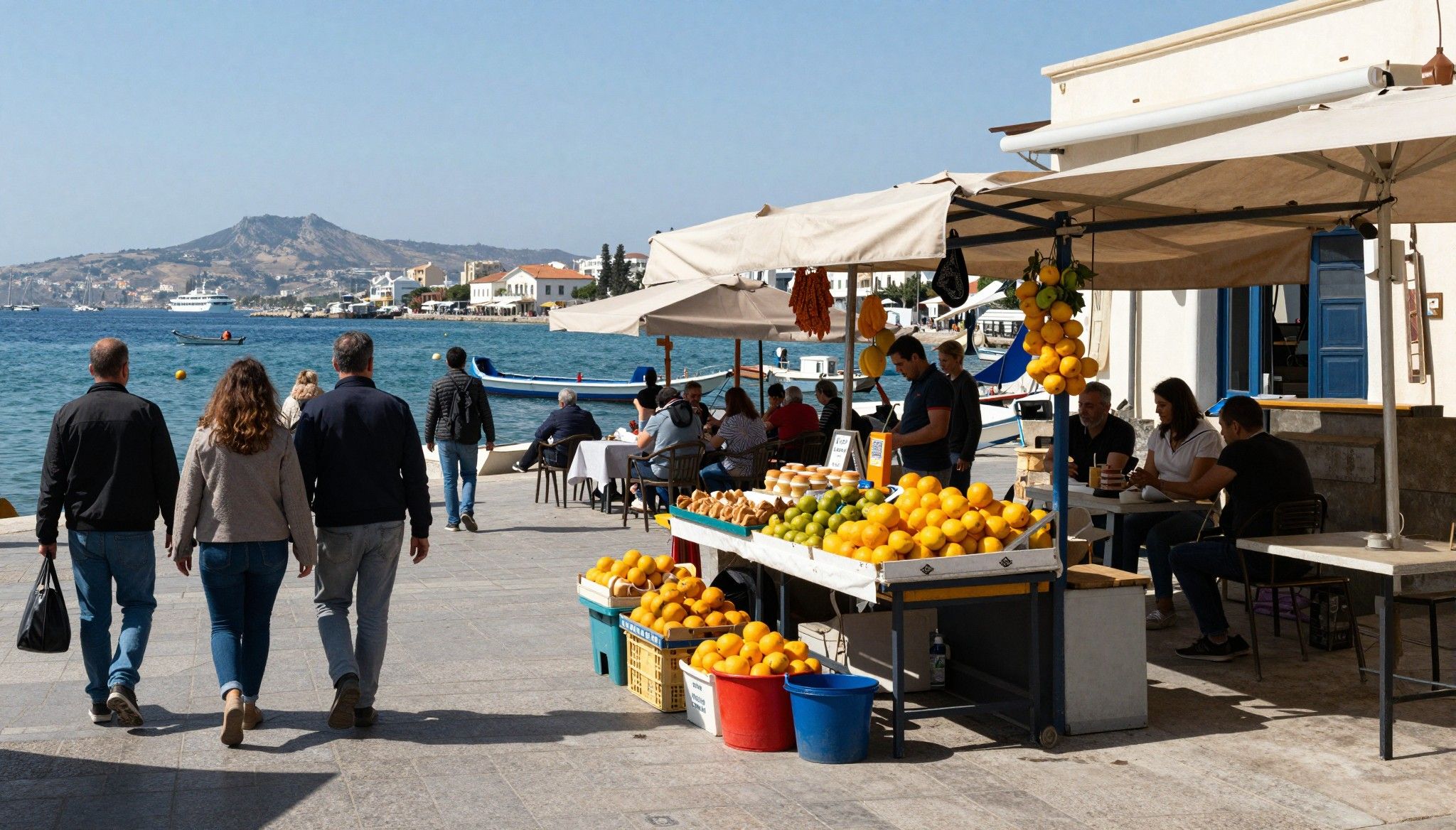
Mornings often begin at the market: fishmongers in Palermo, fruit stalls in Florence, morning cafés in Verona — those patterns affect when residents cook, dine out and expect storage/terrace space. Festival and harvest seasons (truffle fairs in Piedmont, vendemmia in Tuscany) create local demand spikes that feed short-term rentals and boutique hospitality. For investors, proximity to weekly markets or a recognised festival circuit can lift occupancy without changing the core asset class. National tourism and central bank reports confirm tourism-driven seasonality remains material across regions.
Making the move: property realities that match the romance
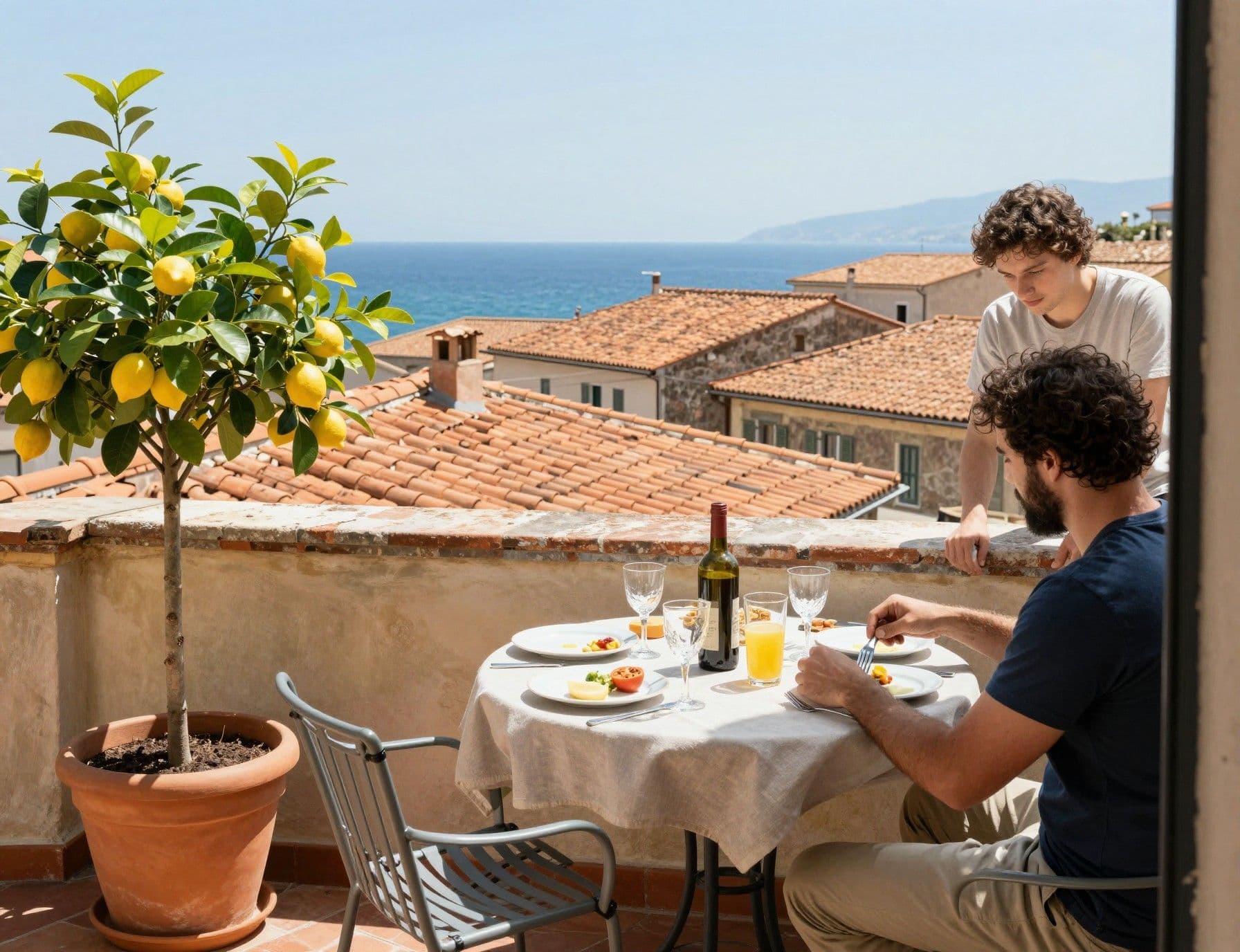
The romance meets the spreadsheet at price per square metre, local rent levels, and expected yield. National average asking prices hover around €2,100–€2,200/m² in 2026, but urban micro‑markets diverge substantially: Milan and central Rome command multiples of national averages while inland and southern regions remain materially cheaper. House price indices reported by ISTAT show steady national growth (low‑single digits year‑on‑year), but pockets of stronger appreciation exist where infrastructure and tourism converge. Match your lifestyle wish list to a local yield profile before making emotional offers.
Property styles and how they change life (and returns)
Historic centro apartments offer instant atmosphere — high ceilings, terrazzo, proximity to culture — but they often carry higher renovation complexity and maintenance costs. Newer builds and conversions near transport hubs deliver easier management, better energy efficiency and broader tenant appeal, improving net yields. Rural villas provide land and privacy but require active maintenance and often rely on seasonal demand for good returns. Choose a style that supports tenancy expectations: students/professionals prefer compact, connected apartments; holiday renters want character plus convenience.
Working with local experts who know both life and law
A local agent who understands tenant profiles, municipal short‑let rules, and condo customs is invaluable — they translate lifestyle fit into lease terms, furnishing needs and capex plans. Not all agencies are equal: prioritise firms with verified rental management experience and transparent fee structures. Ask for comparable occupancy rates and the agency’s actual realised rents, not aspirational listings. For investment clarity, combine an agency’s neighbourhood knowledge with market reports and public statistics.
Insider knowledge: expat realities and unglamorous truths
Expats often romanticise slow living but underestimate mundane frictions: bureaucracy, variable winter heating, and neighbourhood quiet hours that limit short‑stay rotas. Language matters in tenancy enforcement and renovation permitting; relying solely on English can slow transactions and increase risk. Data shows tourism and overnight stays have rebounded strongly, but local regulations — especially in historic centres — can restrict short‑term lets and change projected income. Real expat success stories pair emotional fit with rigorous local counsel.
Cultural integration: how the social script affects where you buy
Community life in Italy happens in streets and small shops, not online marketplaces; integrating means attending markets, supporting local cafés, and respecting seasonal rhythms. This matters for landlords: buildings with active owner associations (condomini) often enforce rules that impact rentals and renovations. Local customs around noise, refuse collection and shared spaces can affect tenant satisfaction and turnover. Be prepared to adapt your management style to local expectations rather than imposing foreign norms.
Long‑term lifestyle plus: what changes after year three
After three years many buyers report a shift: the novelty fades, community ties deepen, and predictable costs (condo fees, maintenance, heat) dominate. Markets also reprice with infrastructure — a new rail link or restored heritage site can uplift local values and rental demand. For investors, plan a three‑ to five‑year cashflow projection that includes realistic vacancy, maintenance and management costs rather than assuming perpetual premium occupancy. That discipline preserves the dream while protecting returns.
Lifestyle highlights to model into your investment thesis:
Weekly market proximity (e.g., Mercato Centrale, Florence) — supports urban long‑stay tenants and culinary short‑breaks
Nearby festival/harvest calendar (Piedmont truffle season, Siena Palio) — drives predictable seasonal demand
Transport links (regional rail, airport access) — converts lifestyle appeal into higher occupancy and lower management friction
Local rental management availability — critical where you’ll be remote and want hands‑off income
Steps to align lifestyle with investment (practical process):
1) Define target tenant type (professionals, students, holiday guests) and map to at least three neighbourhoods.
2) Source local comparables and credible occupancy data from agencies and national statistics (ISTAT).
3) Validate total cost of ownership — taxes, condominium fees, insurance, realistic refurbishment — and model net yield.
4) Test management options: local agency with reporting, hybrid short/long split, or dedicated long‑let strategy.
Conclusion: Italy sells a way of life — piazzas, markets, and seasonal rituals — but profitable ownership requires aligning that life with realistic market mechanics. Use national data (ISTAT), market portals (Immobiliare.it) and experienced local agents to quantify yields, seasonal occupancy and expected maintenance. Begin with a neighbourhood trial — rent first, manage locally, and then buy when you can model three‑year cashflows with confidence. The right local partner turns lifestyle aspiration into a predictable income asset.
Danish relocation specialist who moved to Cyprus in 2018, helping Nordic clients diversify with rental yields and residency considerations.