How Cyprus’ Regulatory Shifts Reprice Lifestyle Returns
Cyprus’s sun and streets charm buyers — but VAT, AML tightening and the post‑CIP capital shift now reshape net yields; model higher costs and longer holds.
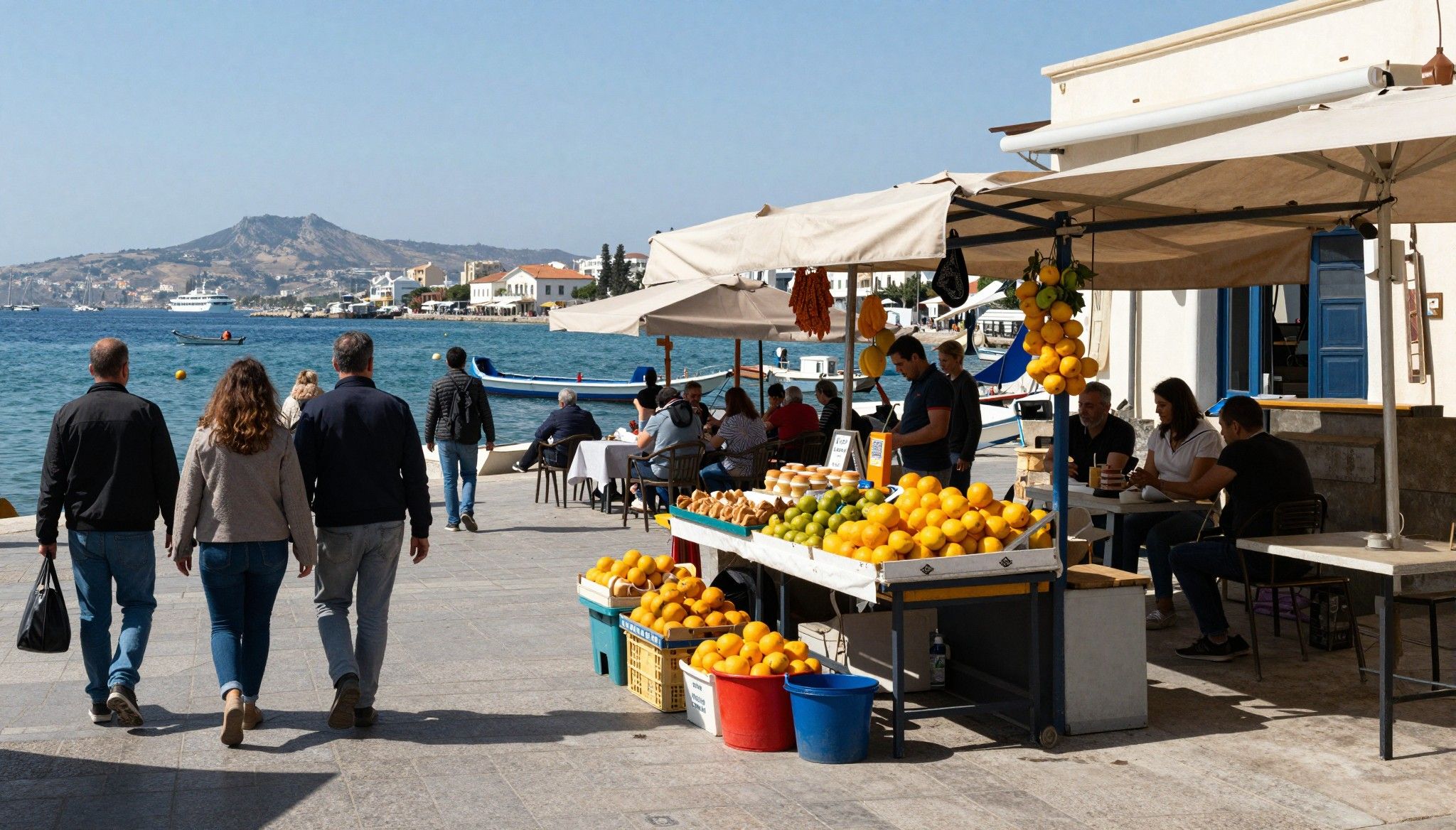
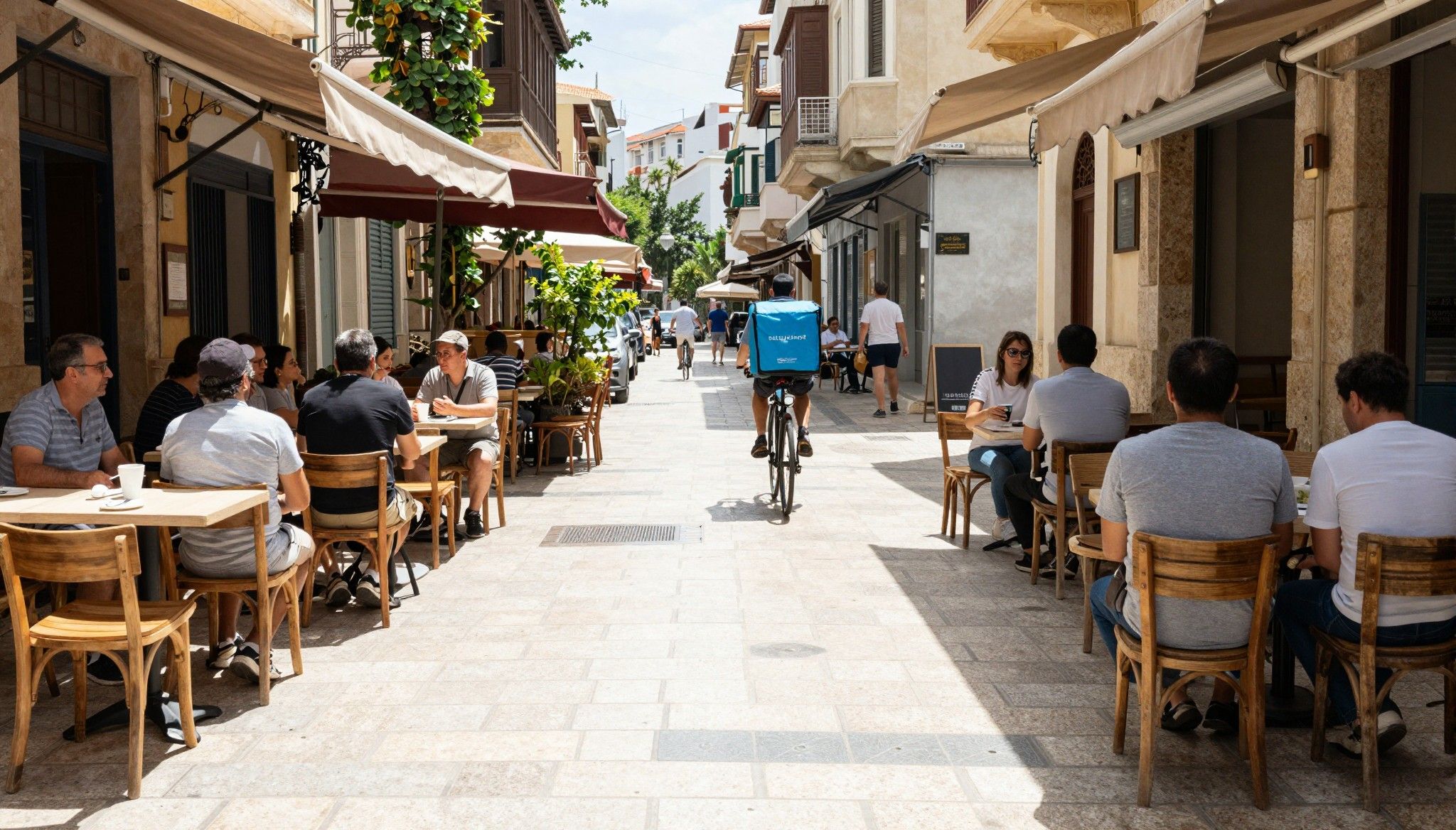
Imagine waking on a narrow street in Limassol, espresso in hand, shutters opening onto a sea of terracotta and blue — and then opening your laptop to check rental demand data. Cyprus feels small-scale and sunlit, yet recent policy shifts and fiscal adjustments mean that the sunny lifestyle you buy into now will be measured in net yields and regulatory certainty. This guide pairs those daily scenes — cafés on Anexartisias, fishing boats in Larnaca harbour, village markets in Paphos — with the concrete legal changes that reshape returns for international buyers.
Living Cyprus: the day-to-day that sells the market
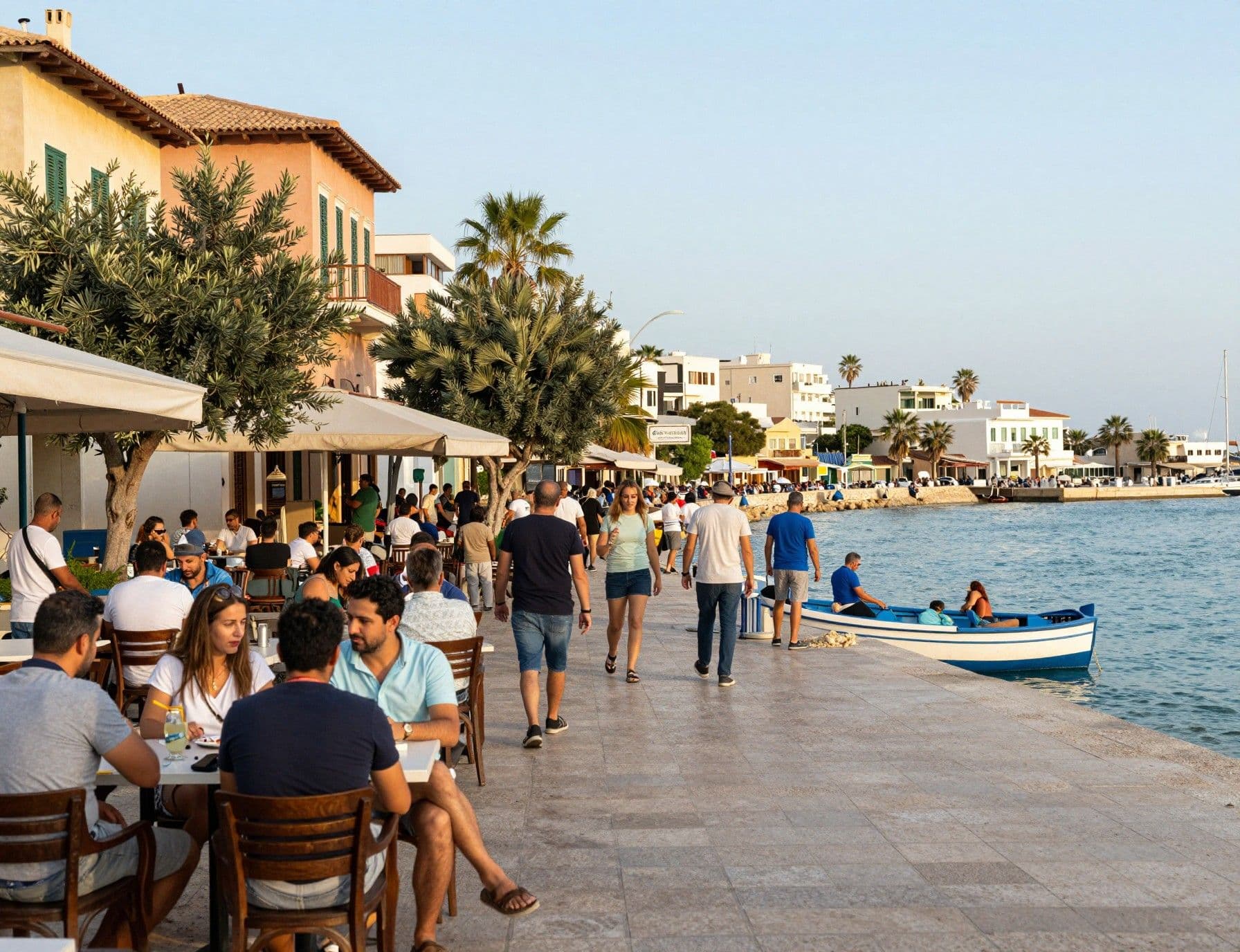
Cyprus is compact enough that neighbourhood character matters. Limassol hums with coastal cafés, boutique gyms and gated developments suited to expatriate families; Nicosia’s old town offers courtyard life and administrative convenience; Paphos combines tourism-season rental peaks with quieter winter months that appeal to long-stay tenants. Those variations are not just lifestyle: they map directly to occupancy patterns, seasonal rental premiums and maintenance realities you must model into yield forecasts.
Limassol & Molos: coastal life with institutional demand
Walk the Molos promenade and you’ll see short‑stay visitors, corporate tenants and families all in one afternoon. Limassol’s mix produces higher gross rents but also higher service charges and tourist-season volatility; for investors this means modeling conservative occupancy and factoring in elevated running costs. Expect steadier capital growth in central streets like Anexartisias and the Old Port precinct, while peripheral new‑builds deliver stronger initial yields but greater dependence on management quality.
Paphos & Larnaca: seasonality versus steady rental markets
Paphos is driven by holiday lets in summer and expatriate retirees in winter; Larnaca is quieter but benefits from airport connectivity that supports year‑round short‑ and medium‑term lets. Both require realistic seasonality adjustments in cash‑flow models and different furnishing standards to hit tenant expectations. If you want low vacancy, prioritize proximity to transport, international schools or the marina rather than headline sea‑view premiums alone.
- Lifestyle highlights to price into your investment thesis: Limassol Molos promenade; Anexartisias shopping street; Larnaca Finikoudes beachfront walks; Paphos harbour and market stalls; Kouklia wine trails and Agios Nikolaos village weekends; Nicosia old‑town courtyard cafés.
Making the move: how regulatory changes reprice returns

The bright lifestyle is underpinned by a compact set of regulatory decisions that materially affect net yields. House price indices and transaction volumes reported by the Central Bank of Cyprus show modest but persistent price growth; overlay that with tightened AML checks, VAT clarifications and the end of the citizenship‑by‑investment route and you get a market where capital appreciation and transaction friction are moving in opposite directions. For an investor, that means lower transactional churn but the need to model longer holding periods.
Key legal changes that matter right now
Recent trends to model: (1) continuing price growth in 2024–25 measured by official indices, which compresses initial yields; (2) stronger AML and source‑of‑funds scrutiny that lengthen transaction timelines and increase legal costs; (3) VAT and tax clarifications around short‑term rentals which can shift net income profiles for furnished lettings. Together these changes lower net yields by increasing holding costs and operational complexity — not by reducing headline rents immediately, but by raising effective cost bases.
How the end of CIP changed capital flows
The Cyprus Investment Programme (CIP), formally suspended in 2020, removed a rapid channel for foreign capital into high‑end property. That shift reduced speculative demand at the ultra‑luxury end and redirected investor appetite toward income‑producing apartments and mid‑market villas. For buyers this means pricing is now more correlated with rental fundamentals than with pass‑through citizenship demand, which favors attainable yields over trophy‑asset speculation.
- Practical steps to protect yield when regulations change: 1) Re‑run yield models with a 5–10% higher operating cost buffer to reflect VAT/tax compliance and AML-related delays; 2) Prioritize properties with clean title history and immediate rental-readiness to reduce time-to-income; 3) Budget for legal and compliance fees equal to at least 1.5%–2% of purchase price; 4) Favor locations with year‑round demand (airport proximity, schools, business centres) to smooth seasonality.
Insider knowledge: what expats wish they’d known before buying
Expat owners often talk about the friction between 'Cyprus life' — slow mornings, tavernas, neighbourly courtyards — and the paperwork that actually secures that life. Expect delays from permit approvals, a need for robust source‑of‑funds documentation, and variable municipality services depending on district. These practicalities don’t ruin the lifestyle, but they change the cash‑flow math: delayed tenancies, higher management fees and occasional municipal arrears are real line items.
Language, local practice and property management realities
English is widely used in transactions, but municipal rules and vendor expectations often require Greek documents and local intermediaries. Use a locally licensed lawyer and a property manager who understands VAT on short lets and tax circulars for accommodation income. Good management reduces vacancy and enforces contracts, turning regulatory complexity into a competitive moat rather than a recurring drain on yield.
Long‑term lifestyle sustainability and regulatory risk
Look five years ahead: demographic trends, infrastructure projects and tourist strategy will determine whether a neighbourhood’s café culture becomes an appreciating asset or an overbuilt, low‑yield zone. The safe play is diversification across district types — one coastal apartment, one inland family home — to smooth seasonality and regulatory surprises. Model multiple exit scenarios and assume holding periods of 5–10 years when pricing Cyprus assets today.
- Red flags and due‑diligence checklist: Clear title and building permits; up‑to‑date tax clearance and municipal debts; documented source of funds for all parties; manager with VAT/short‑let experience; contingency for 3–6 months of operating expenses.
Conclusion — Cyprus sells a lifestyle that’s tangible: sea air, neighbourhood baking shops, weekend wine routes — but that lifestyle now trades on regulatory clarity. Treat Cyprus properties as income assets first and lifestyle second: stress‑test yields for VAT changes, AML friction and seasonality, hire local experts to convert cultural texture into reliable cash flow, and plan for multi‑year holds. If you balance the island’s everyday pleasures with disciplined modelling, Cyprus can be both a place you love and a portfolio that performs.
Norwegian market analyst who relocated from Oslo to Mallorca in 2016, guiding Northern buyers through regulatory risk, currency hedging, and rentability.