Buy Where Locals Rent: Malta’s Overlooked Yield Pockets
Malta's best rental returns hide in neighbourhoods where locals rent — not necessarily the sea‑view listings. Model yields with seasonality and street‑level demand.
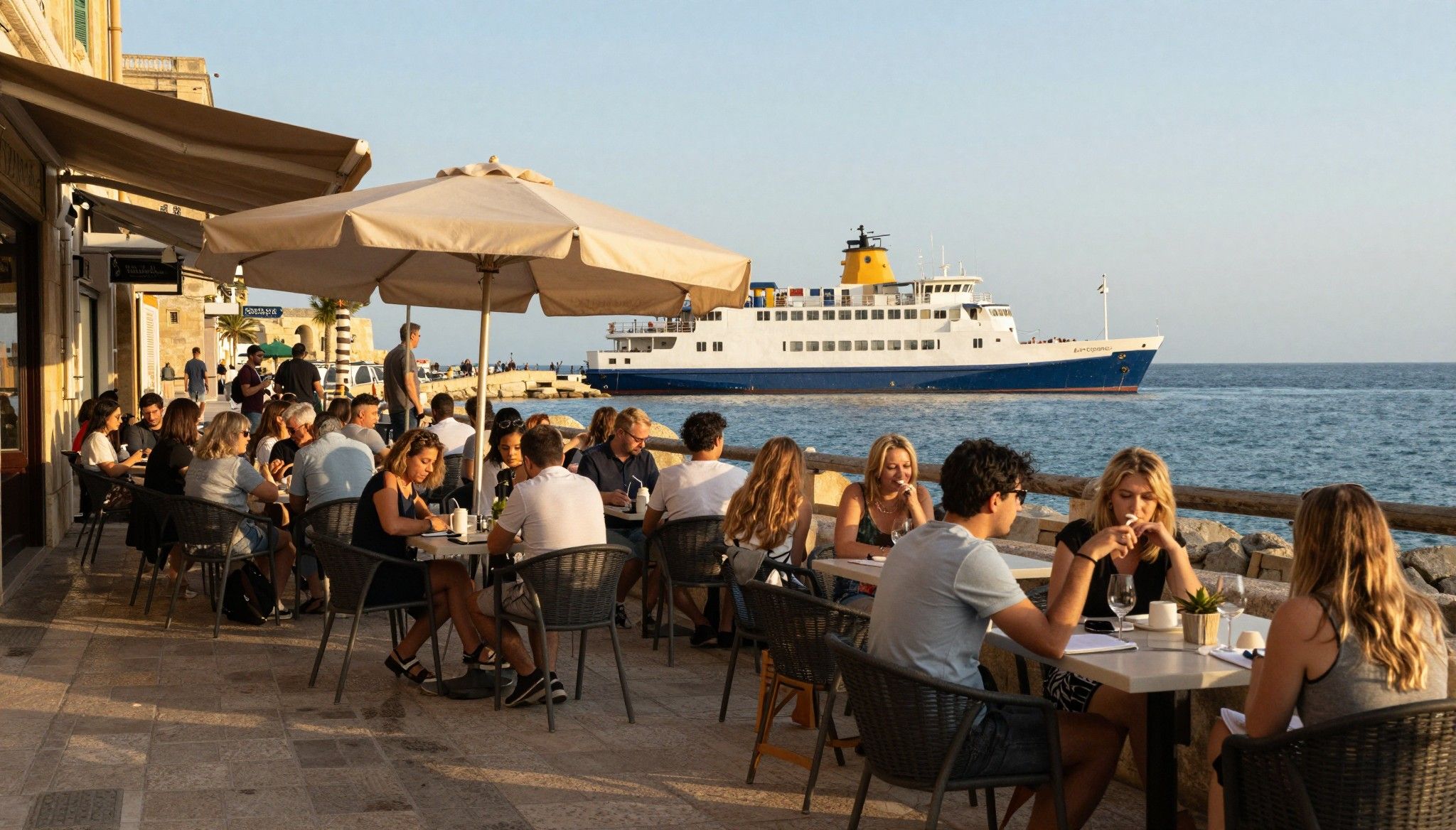
Imagine sipping a morning espresso on Republic Street, Valletta — limestone facades warming under a clear Mediterranean sun, delivery scooters weaving past a handful of early commuters, and short‑term let guests already planning their ferry to Gozo. That sensory rhythm — heritage, cafes, constant tourist turnover — is what makes Malta feel compact and busy, and what quietly reshapes rental demand. For investors, lifestyle and yield are inseparable: where locals live and where visitors move each season creates micro‑markets with different income profiles. This piece argues a contrarian point: the highest gross yields in Malta often sit where locals rent, not where listings promise sea views.
Living the Malta lifestyle: dense, social, solar
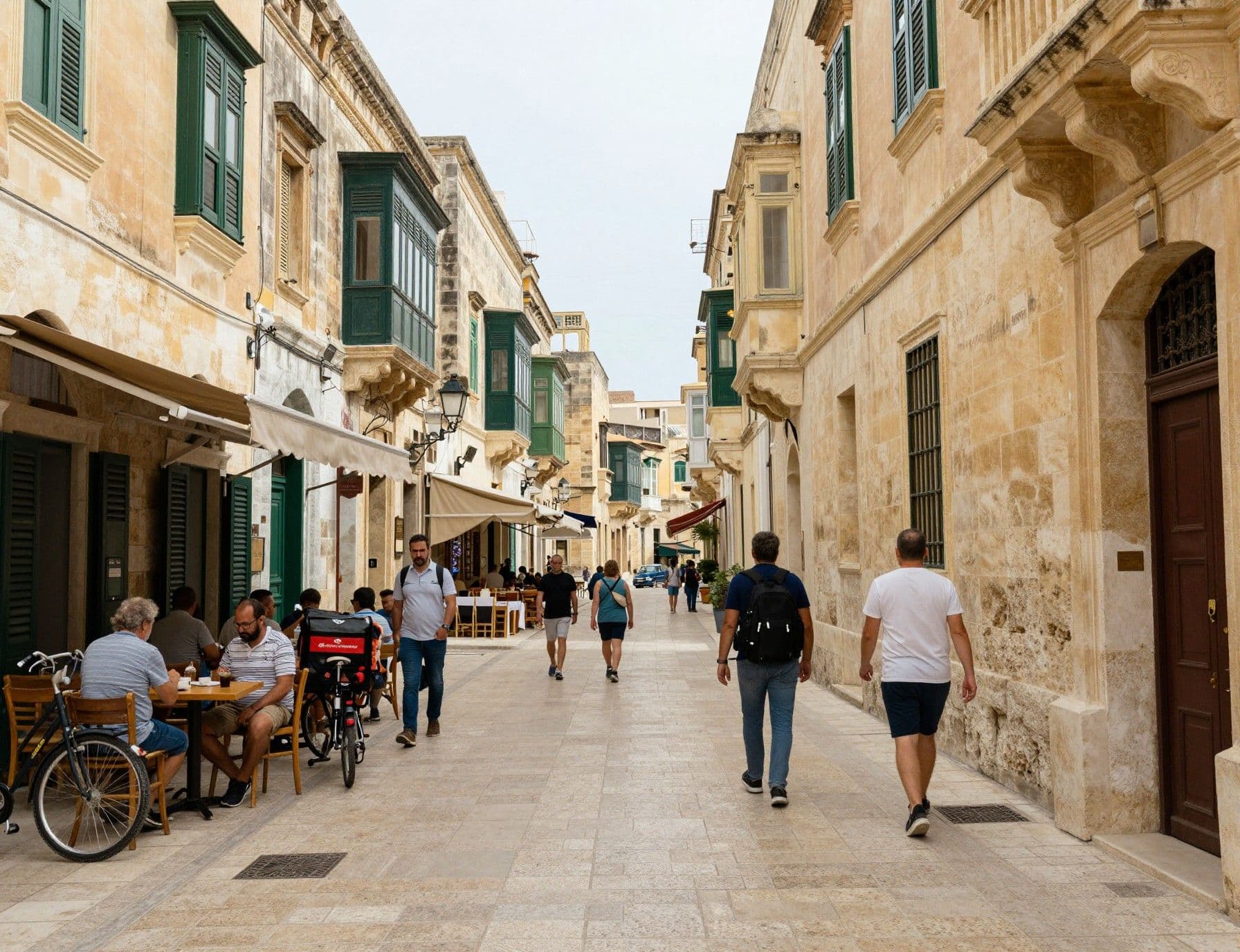
Life in Malta compresses outdoor living, history and daily routine into a walking radius. Mornings are market‑led — fruit stalls and pastizzerias — afternoons pivot to beaches or apartment terraces, and nights revolve around small bars and family restaurants. That compact social life concentrates rental demand into a few neighbourhood archetypes (historic centres, commuter suburbs, coastal resort belts), and those patterns are visible in transaction and price data reported by national agencies. Understanding that social geography is the first step to pairing lifestyle with reliable rental income.
Neighborhood spotlight: Valletta and neighbouring Floriana
Valletta's UNESCO core attracts cultural tourism year‑round; Floriana acts as a quiet spillover with longer‑term tenants working in government and tourism support services. Short‑term demand in Valletta spikes around festival dates, but long‑term occupancy in nearby streets like St. Paul’s Street provides steadier cashflow for landlords. If tourism drives headline numbers (Malta saw 3.56 million inbound visitors in 2024), local worker and student populations are what stabilise gross yields between tourist seasons.
Commuter suburbs: Sliema, Gzira and the rental commuter premium
Sliema and Gzira blur local life with tourist amenities; they command higher asking rents because of connectivity to jobs, cafes and ferry links. These areas show strong mid‑term rental demand from expatriate professionals and digital nomads who prefer furnished apartments with fast internet. For investors targeting stable yields, proximity to transport nodes and coworking hubs matters as much as sea frontage.
Making the move: property types that match Maltese life
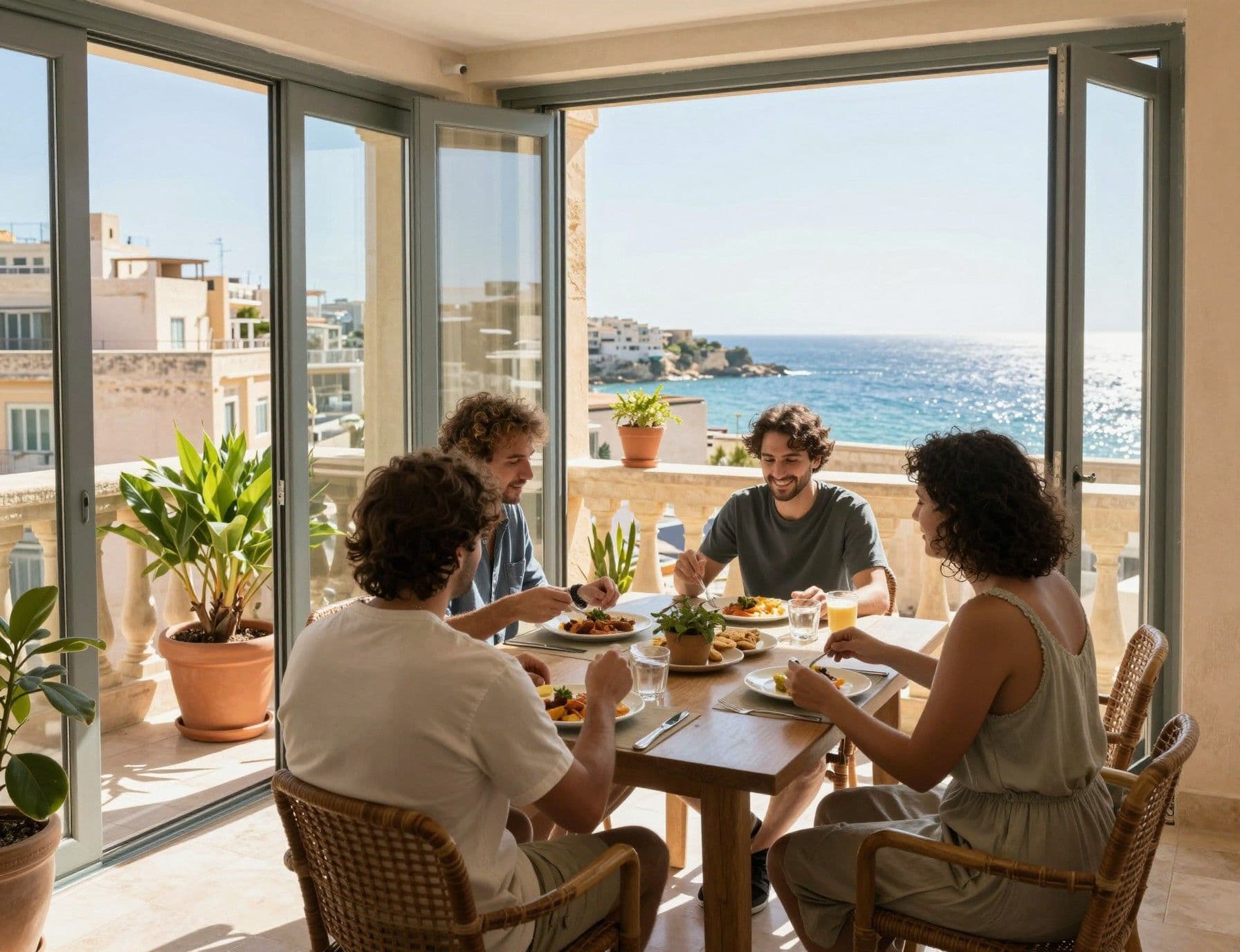
Malta's headline gross yields are modest relative to some EU peers — recent surveys put average gross yields around 3.9–4.1% — but averages hide pockets that outperform because of tenant mix and turnover. Think in terms of product fit: small, well‑furnished one‑bed flats close to transport suit expatriates and yield more per sqm than larger, unfurnished maisonettes targeted at locals. The right product in the right street can lift a gross yield materially above the country average.
Property styles: maisonette, apartment, converted palazzo
A ground‑floor maisonette with courtyard appeals to local families and commands lower vacancy; a restored palazzo apartment sells on charm but often needs higher capex to meet modern tenant expectations. New builds target higher purchase prices but offer lower maintenance and immediate compliance with rental standards. Match your target tenant (student, expat professional, family, tourist) to the property form before modelling yields — small design choices such as a reliable AC unit or fast internet will change effective rent and occupancy.
Working with local agents who understand demand rhythm
Local agents provide the microdata you need: street‑level rents, realistic vacancy timelines and tenant profiles that national indices cannot. They also flag regulatory quirks — short‑term letting licensing, annual occupancy taxes, or planning conditions on alterations — which affect net yields and exit options. Use agents for sourcing and initial screening, then validate via independent rental comparables and contract review.
Insider knowledge: what expats wish they'd known
Expat landlords often underestimate seasonality and tenant churn. High summer footfall pushes short‑term rates, but without year‑round occupancy strategies (longer leases, corporate lets, student contracts) income can be volatile. Taxes and maintenance on older stone buildings tend to be higher than marketed, and neighborhoods with vibrant day life may have noise or street access issues that lengthen void periods if not priced correctly.
Cultural and practical cues: how Maltese life affects tenancy
English is an official language and widely used in business, which simplifies tenant screening and management for international owners. Social life centers on family, cafes and seaside rituals; properties that support balcony dining and efficient kitchens are preferred by long‑term tenants. Expect frequent local festivals and summer nightlife in certain pockets — assess whether your target tenant tolerates that rhythm.
Long‑term lens: how to keep the lifestyle sustainable for your investment
Plan for upgrade cycles: heat pumps, insulation and modern electrics will be the next generation of value drivers as Malta adapts to climate and regulatory standards. Diversify tenancy types across your portfolio to smooth seasonal dips — combine a tourist‑friendly apartment with a longer‑let maisonette. Finally, track visitor and resident data: rising tourist arrivals boost short‑term rental opportunity but also increase planning scrutiny and competition for housing stock.
- Where to look first (practical shortlist): Valletta historic cores for premium short‑term demand; Sliema/Gzira for expatriate professionals; Pembroke/Mosta for family lets with lower volatility; inner suburbs for student and worker rentals.
- A three‑step check before you buy: 1) Model net yield using conservative occupancy (70–80%) and include service/maintenance, 2) Confirm tenant profile and typical lease length with two local agents, 3) Budget 5–10% of purchase price for immediate upgrades to be rental‑ready.
Conclusion — fall in love, then stress‑test the romance. Malta's compact streets, seaside rituals and English‑friendly life sell the dream; returns come from matching that dream to disciplined product selection and realistic yield modelling. Start with micro‑markets where locals rent, validate with on‑the‑ground agents, and use conservative occupancy assumptions tied to the island's seasonality. When lifestyle meets spreadsheet, Malta is not just a place to live — it can be a dependable income asset if you buy where demand actually is.
Norwegian market analyst who relocated from Oslo to Mallorca in 2016, guiding Northern buyers through regulatory risk, currency hedging, and rentability.