How France’s New Rules Reprice Rental Yield
France’s new rental rules (DPE bans, short‑let enforcement) are reshaping yields—buyers who model renovation costs and match property type to local rhythms protect net returns.

Imagine waking up to a boulangerie’s first batch of pain au levain on Rue de la Roquette, then walking to a light-filled apartment where the windows still rattle in winter. That sensory certainty — good cafés, reliable markets, rhythm of the week — is why buyers fall for France. But over the past three years, regulatory shifts (especially energy rules for rentals and tighter tourist‑rental oversight) have quietly rewritten which properties produce steady returns and which become liabilities. This guide pairs the life you crave with the legal realities that will determine net yield and resale ease.
Living the France life — what you actually buy

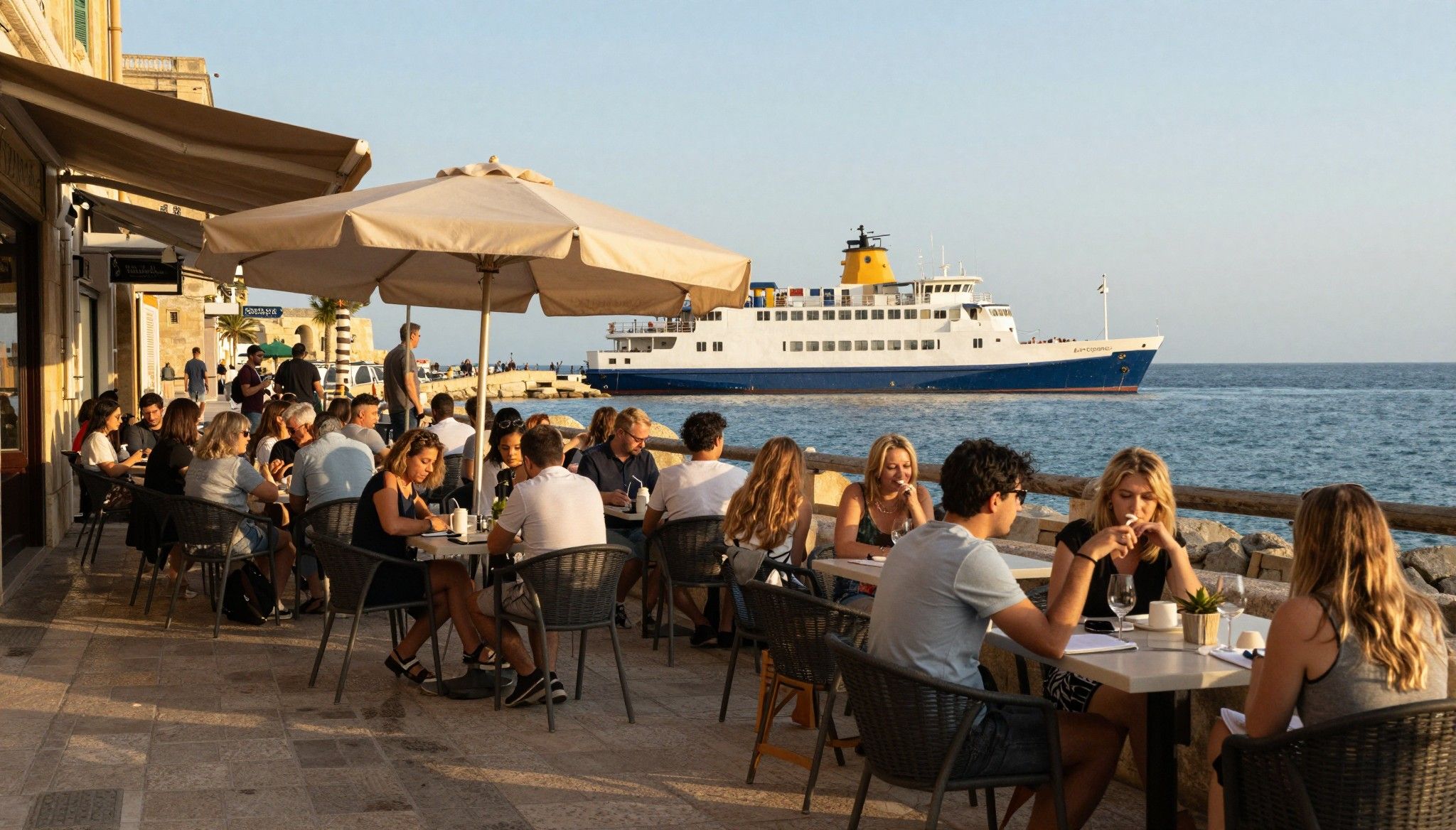
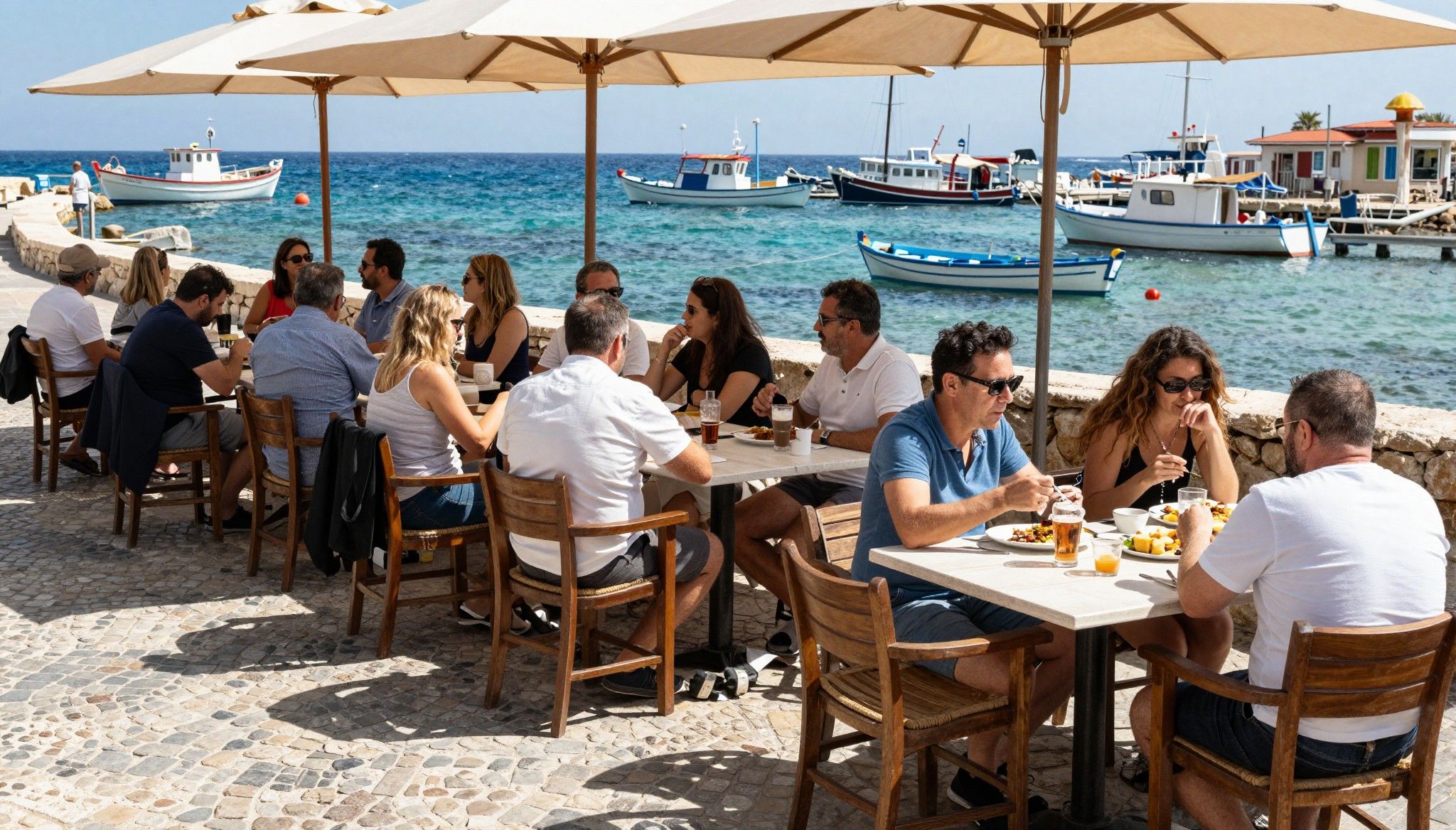
France is not a single rhythm; it’s a patchwork of daily lives. In Paris, five‑minute cafés, markets like Marché Bastille and early‑morning boulangeries shape micro‑habits. In Provence, Saturdays mean marché visits in Aix and tomatoes ripening on window sills. On the Côte d’Azur, life orients around small ports, local beach clubs and a summer cadence that compresses commerce into a few intense months. Understanding these patterns helps you match a property’s rental profile to realistic demand — and anticipate regulation that targets those exact revenue streams.
Neighborhood spotlight: Paris — Le Marais to 20th arrondissement
Le Marais still attracts long‑stay tenants who value centrality, boutique shops and strong public transport; yields here skew lower but vacancy risk is minimal. Contrast that with the 20th (Ménilmontant/Père Lachaise), where smaller prices per m² and rising café culture produce better gross yields for furnished lets aimed at young professionals. For investors this means balancing price‑per‑m² expectations with regulation: central neighbourhoods face stricter short‑term rental enforcement, while outer arrondissements offer urban rental demand with fewer tourist‑rental restrictions.
Food, markets and rhythm: a lifestyle that rents
The best rental performance often follows neighbourhoods with weekly markets, good bakeries, and accessible transport. Think Place du Capitole in Toulouse for market life or Cours Mirabeau in Aix for café culture. Seasonal pockets — ski towns, Riviera resorts — deliver high peak rates but narrow occupancy windows. Matching property type to local rhythms is essential: small renovated flats near markets attract steady year‑round demand; beach villas produce volatile but high summer yields.
- Lifestyle highlights that drive tenant demand:
- Weekly marchés (e.g., Marché Forville in Cannes; Marché d'Aligre in Paris)
- Direct train links (TGV or TER stations) that shorten commutes and attract remote workers
- Proximity to international airports (Nice, Lyon, Bordeaux) for business travellers and short-term lets
Making the move: practical considerations where regulations change returns

Lifestyle sells the dream, but regulations now shape which properties remain rent‑able and which become stranded assets. The biggest near‑term regulatory shift is the progressive ban on renting energy‑inefficient homes based on the Diagnostic de Performance Énergétique (DPE): G‑rated homes were barred from new leases from January 1, 2025, and F/E bans are scheduled through 2028–2034. That timeline directly reduces the effective pool of rentable stock and raises renovation costs, altering net yields for many older properties.
Property styles and what they mean for yields
Haussmann‑era flats in Paris command high price per m² and predictable tenant demand but limited upside after purchase costs and taxes. Post‑war apartments in Lyon or Bordeaux often offer higher gross yields because entry prices are lower. Rural stone houses deliver lifestyle appeal yet face longer vacancy and higher renovation costs — and now, higher compliance costs to meet DPE standards. Choose a property type after modelling net yield post‑renovation, not just gross rent.
Working with local experts who know both lifestyle and law
Experienced local agents and notaires do more than show pretty interiors: they quantify DPE risk, estimate renovation timelines, and know municipal short‑stay registrations. For example, Paris enforces strict tourist‑rental registration and penalties; cities like Nice and Marseille have tightened rules ahead of major events. An agent experienced in dossier‑driven sales will produce realistic cashflow models that include renovation timelines and compliance costs.
- Due diligence checklist (practical steps before offer):
- Obtain an up‑to‑date DPE and estimate upgrade costs with a certified energy auditor.
- Request recent condominium (copropriété) minutes to spot planned major works and potential special assessments.
- Model net yield after: notary fees (~7–8% for resale), income tax scenarios for non‑residents, and any expected renovation to reach at least DPE C (if planning long‑term rental).
Insider knowledge: expat realities, red flags and regulation‑driven opportunities
France’s social rhythms — language at the café counter, banks that close at lunch, and tight municipal rules — matter for day‑to‑day management. Expat landlords often underestimate the time and legal paperwork required for furnished contracts, taxe d'habitation transitions, and tenant protections. The regulatory push on energy performance, however, creates an opportunity: buyers willing to invest in sensible renovations can reduce operating costs, attract higher‑quality long‑term tenants, and protect yields as less compliant stock is forced out of the market.
Cultural integration and finding community
Learning basic French opens doors to local contractors, neighbourhood associations (comités de quartier) and better rental placements. Markets, local clubs and school networks are where real social capital forms; they also double as informal vetting channels for tenants and caretakers. For owners who plan to be absentee, reliable property managers who speak French and understand copro rules are essential — they convert local knowledge into lower vacancy and cleaner returns.
Long‑term lifestyle sustainability and investment implications
Regulation timelines make renovation a strategic investment rather than a cost. Properties upgraded to DPE B–C levels will enjoy larger tenant pools and lower turnover. Municipal enforcement of short‑stay rules can dampen peak yields but stabilise neighbourhoods, improving long‑term capital appreciation. For investors, the core question becomes: pay now to secure steady net yield, or accept higher short‑term income with regulatory and enforcement risk.
- Red flags to avoid when buying in France:
- An old DPE without supporting energy audit or quotations for works
- Condo rules that ban short lets or have large pending special assessments
- Properties in top‑tourist zones without proper local registration (risk of fines and forced closure)
France still offers a rare combination of stable legal systems, predictable market data and lifestyle density that tenants value. But the next decade will be about compliance and thoughtful upgrades more than buying postcards. Model returns after renovation, partner with agents who produce cashflow scenarios, and prioritise neighbourhoods whose daily rhythms match your tenant profile.
Next steps: commission a DPE and energy‑upgrade estimate, ask your notaire for full copro minutes, and ask agents for a three‑year net yield model that includes renovation and compliance. With the right analysis, France’s daily life becomes an investment thesis: reliable rents, durable capital value and a culture tenants will pay to be inside.
British expat who moved to the Algarve in 2014. Specializes in portfolio-focused analysis, yields, and tax planning for UK buyers investing abroad.