France Micro‑Markets: Where Lifestyle Meets Yield
France’s charm hides micro‑markets where yields outperform—model long‑let vs. STR, factor energy upgrades and local regs, and prioritise walkable, transit‑linked streets.

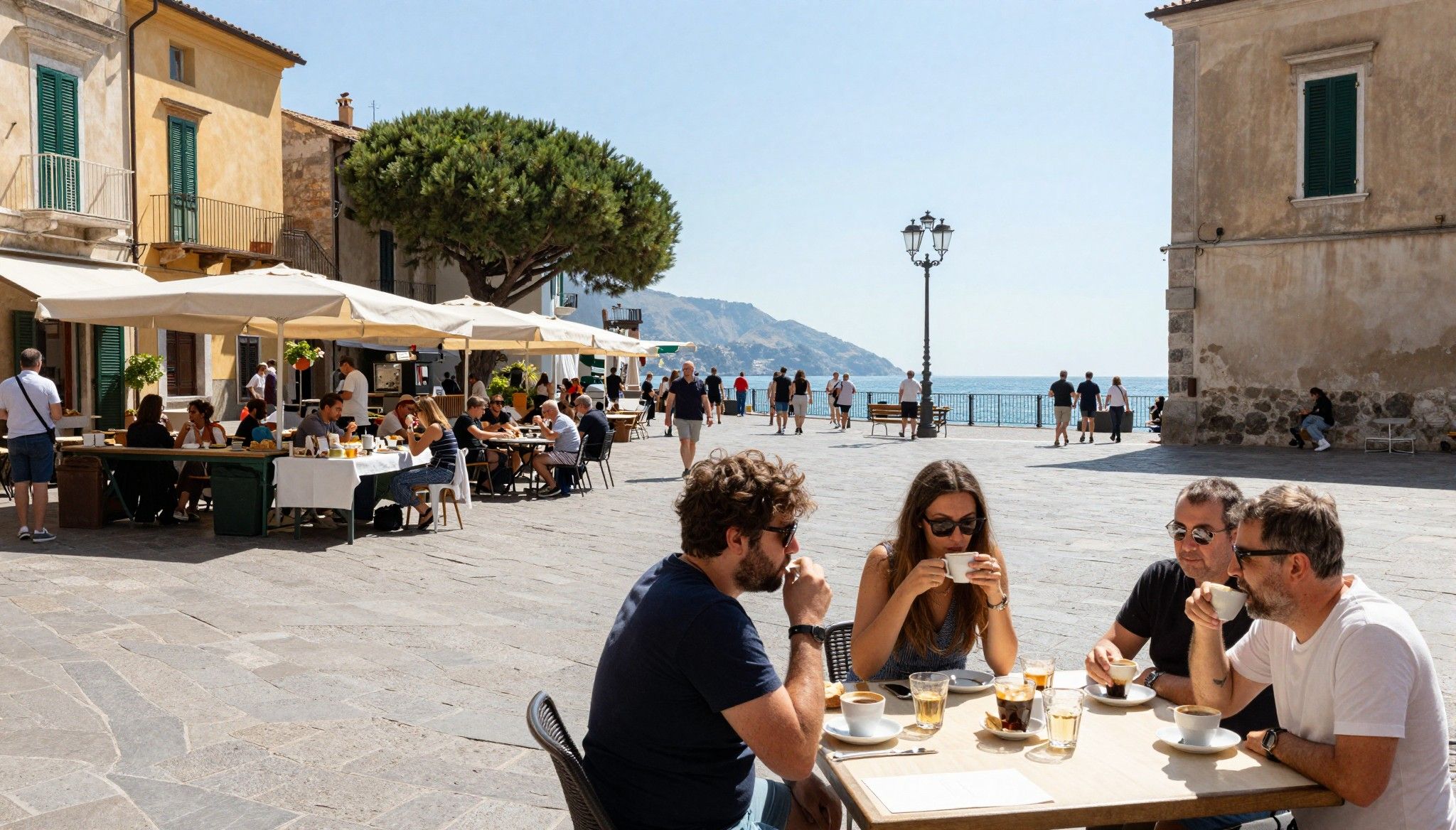
Imagine sipping an espresso at a window table in Le Marais, then stepping into a courtyard of 17th‑century stone where long‑term tenants outnumber tourists. France can feel timeless and intensely local—and that rhythm shapes returns. Despite headlines about Paris prices and Riviera luxury, data shows pockets where yields beat expectations. This guide blends the lived experience of French neighbourhoods with market metrics you can model.
Living France: the rhythms that matter to returns

France’s everyday life — morning markets, mid‑afternoon cafés, late dinners — concentrates neighbourhood value in walkable streets, good transit and local commerce. National indices show near‑stability in overall prices, but that masks strong divergence between high‑demand urban cores and undervalued commuter towns. The result: lifestyle quality and yield do not always move together.
Paris and the lag between prestige and yield
Paris remains world‑class for capital preservation but delivers compressed gross yields versus regional cities. Notaires‑INSEE reports show Parisian €/m² significantly above national medians, while rental yields sit below national averages in prime arrondissements. If you prize steady capital and low vacancy, central Paris works—if you need cash flow, look elsewhere.
Provincial life: where lifestyle and yield align
Cities like Lyon, Nantes, Montpellier and select coastal towns combine strong local economies, tourism seasonality and lower entry prices. These markets offer higher gross yields for apartments and better upside when local demand (students, professionals, tourists) is steady across seasons.
- Lifestyle highlights that map to investor outcomes:
- Morning markets (Marché d'Aligre, Paris) — signals of neighbourhood resilience and year‑round footfall.
- University quarters (Lyon 7e, Grenoble) — stable long‑let demand and tenant turnover management.
- Coastal secondary towns (La Rochelle, Biarritz surrounds) — seasonal rental premiums plus off‑season local demand.
Making the move: property types, timing and yield mechanics

Start by separating asset roles: capital preservation (historic Parisian apartments, coastal villas) versus income generation (student blocks, central‑zone studios outside Paris, small multi‑units). Net yields in prime residential assets have been tracked around the low‑to‑mid 4% range in Europe; modelling France requires adjusting for local taxes, management costs and vacancy patterns.
Property styles and what they actually deliver
Historic apartments: low capex, strong capital preservation, modest gross yields (often 2.5–4% in prime urban cores). New builds: better energy efficiency and tenant appeal, but higher entry prices and developer margins. Small blocks/multiples: operational complexity but scale advantages that can lift net yields into investor‑grade territory.
How timing, season and regulation change yield profiles
France’s tightening of short‑term rental rules and phased energy‑performance requirements for tourist lets changed arithmetic for STR strategies. Where platforms once promised outsized seasonal returns, new compliance costs, registration and DPE (energy) requirements reduce net yields and favor long‑let strategies in many towns.
- Practical steps to align lifestyle and yield (4 actions):
- Model two scenarios per asset: conservative long‑let net yield and optimistic short‑term rental peak season. Use local occupancy and DPE upgrade costs in both.
- Prioritise transit/walkability metrics: a 10–15 minute walk to stations or universities materially reduces vacancy and management friction.
- Request anonymised historical rent rolls and utility bills from the vendor or managing agent to validate income seasonality.
- Build a 5‑year capex schedule for DPE and compliance work; in many French towns, energy upgrades are the largest near‑term expense that alters yields.
Insider knowledge: what expats and investors often miss
Expats fall in love with street life, then discover French housing rules and seasonality bite. The single largest surprise is regulatory friction around tourist letting and energy rules; the second is that micro‑locations—specific streets and proximity to markets—often out‑perform broader city averages for rental resilience.
Cultural and operational nuances that affect returns
French tenancy norms favour long‑term stability: fixed‑term leases are common in student and professional segments, and eviction protections are comparatively strong. Expect slower turnover and plan for formal documentation — a local notaire and a bilingual property manager will save time and money.
Long‑term lifestyle sustainability: how life changes after you buy
Within three years buyers typically trade tourist novelty for routine: favourite boulangeries, the same market stall and neighbours. That social stickiness reduces vacancy risk but increases expectations for property condition and community fit—factors that show up as maintenance costs in your yield model.
- Red flags local agents will (sometimes) underplay:
- Unregistered tourist use of flats — legal risk and fines that wipe out a year’s profit.
- Poor DPE rating in regions with phased bans on low‑performance rentals.
- Overreliance on peak tourism weeks without verified off‑season demand.
Conclusion: France is not a single market; it is hundreds of micro‑markets where lifestyle and yield intersect unevenly. If you want capital preservation with cultural immersion, prime city apartments deliver safety but low cash flow. If you want income, look to university corridors, commuter towns near strong transport links, and carefully regulated coastal towns where compliance is priced into the yield. Work with a notaire, require audited rent histories, and stress‑test energy upgrade scenarios before you sign.
Dutch investment strategist who built a practice assisting 200+ Dutch clients find Spanish assets, with emphasis on cap rates and due diligence.