Buy the Connector: Greece’s Infrastructure That Reprices Returns
Greece’s transport and port upgrades — not sea views — are quietly re‑pricing neighbourhood returns; model commute times, not postcards, to find predictable yields.
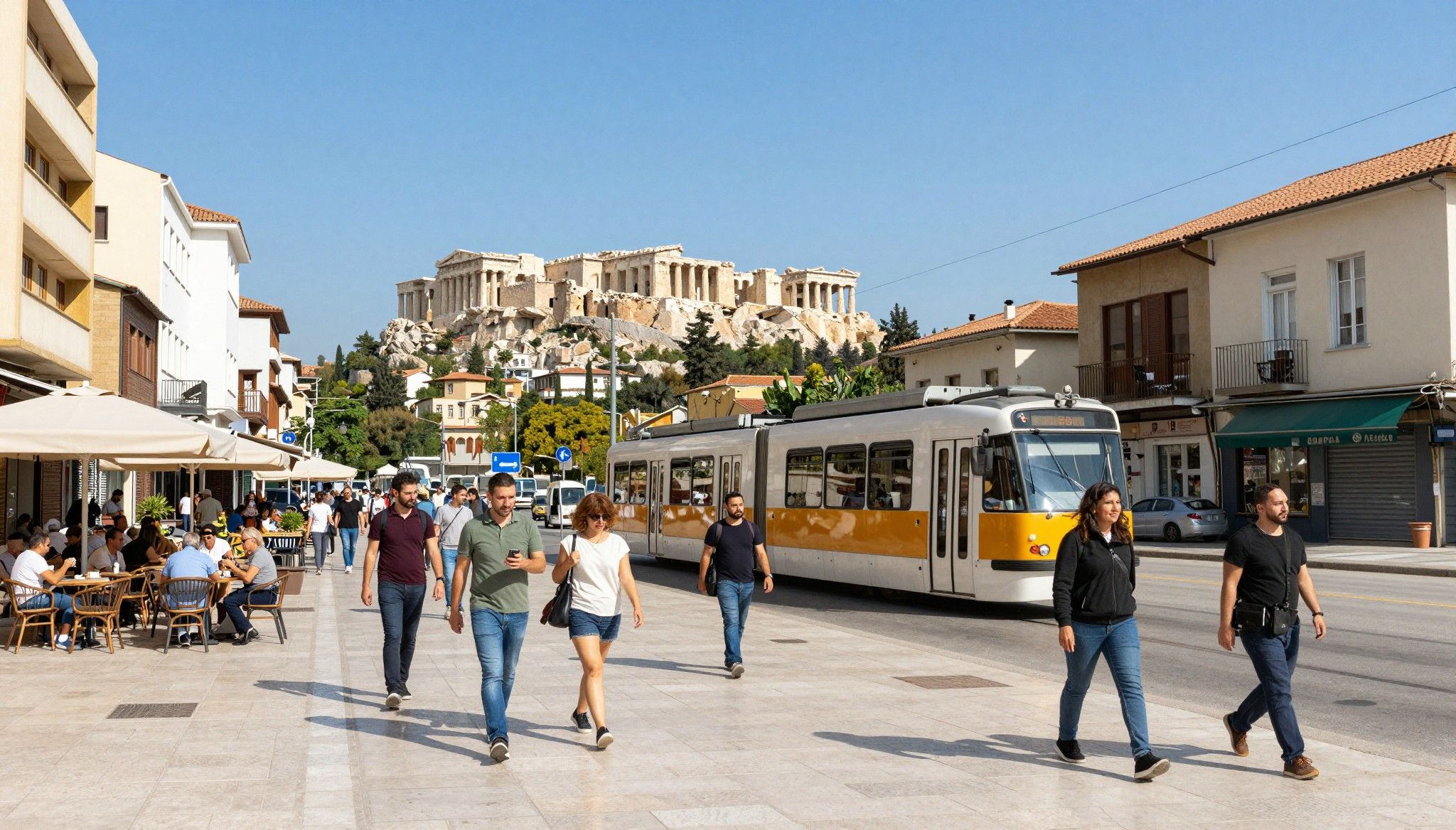
Imagine finishing your morning espresso on a sun-drenched balcony in Exarchia, hearing a tram bell in the distance and knowing the airport is a 35‑minute express away — not a tourist fantasy but the new reality reshaping Greek neighbourhood returns.
Living the Greece lifestyle — streets, markets, rhythms
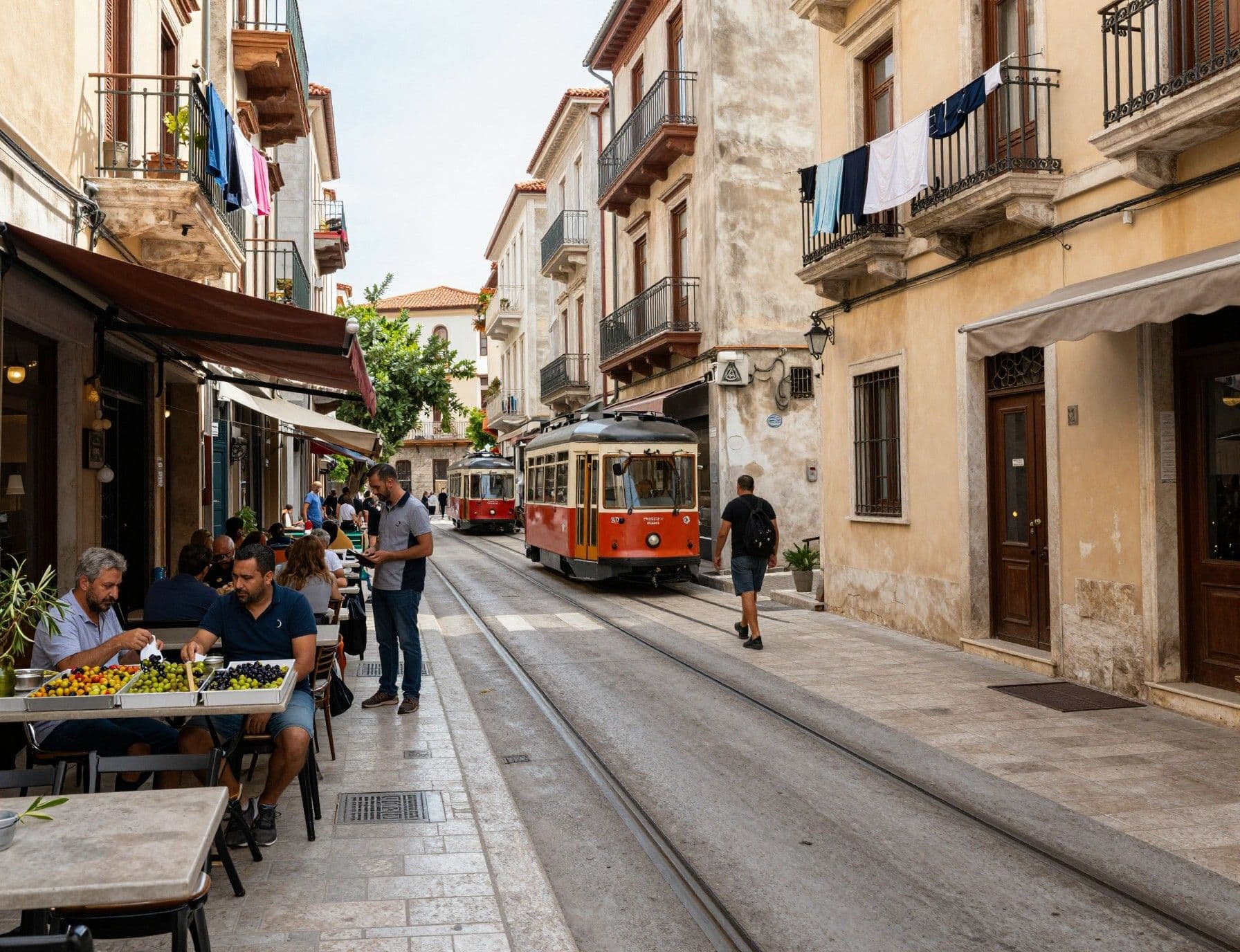
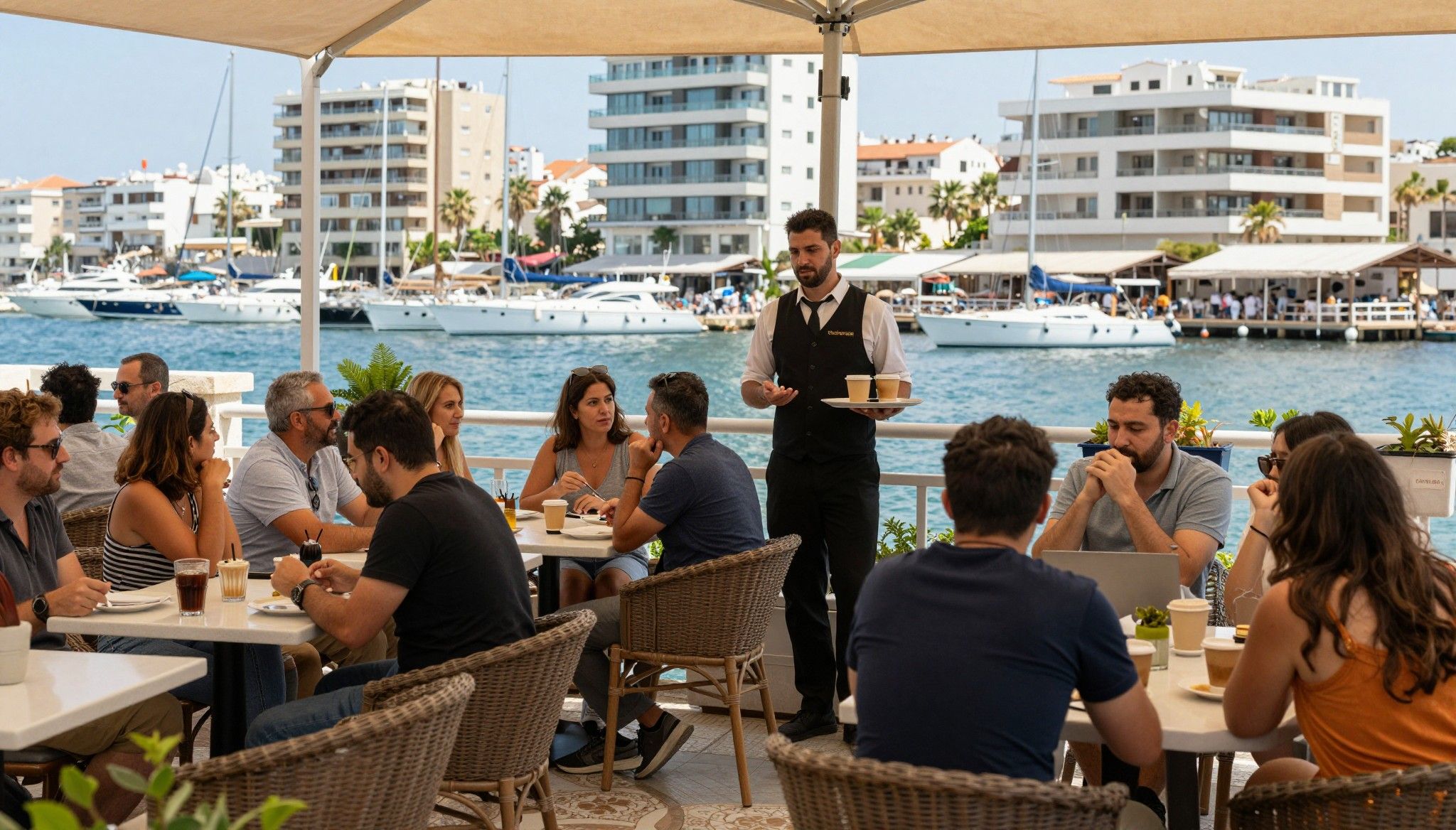
Greece is tactile: market tomatoes, midday church bells, and cafes that become coworking tables by day and conversation salons by night. Cities pulse differently — Athens alternates between long, productive weekday rhythms and compressed, vibrant weekend sociability; island towns move on island time, with summers amplified by tourism and winters that reveal tight-knit communities.
Athens neighbourhoods: where connectivity meets culture
Walk from Kolonaki’s coffee bars to Pangrati’s soccer fields and you see why buyers prize short commutes and rich street life. Exarchia offers intellectual energy and rental demand among students and creatives; Koukaki and Mets feel restored yet rental-friendly because of proximity to the Acropolis and improved tram links.
Islands & secondary cities: diverse seasonality and real demand
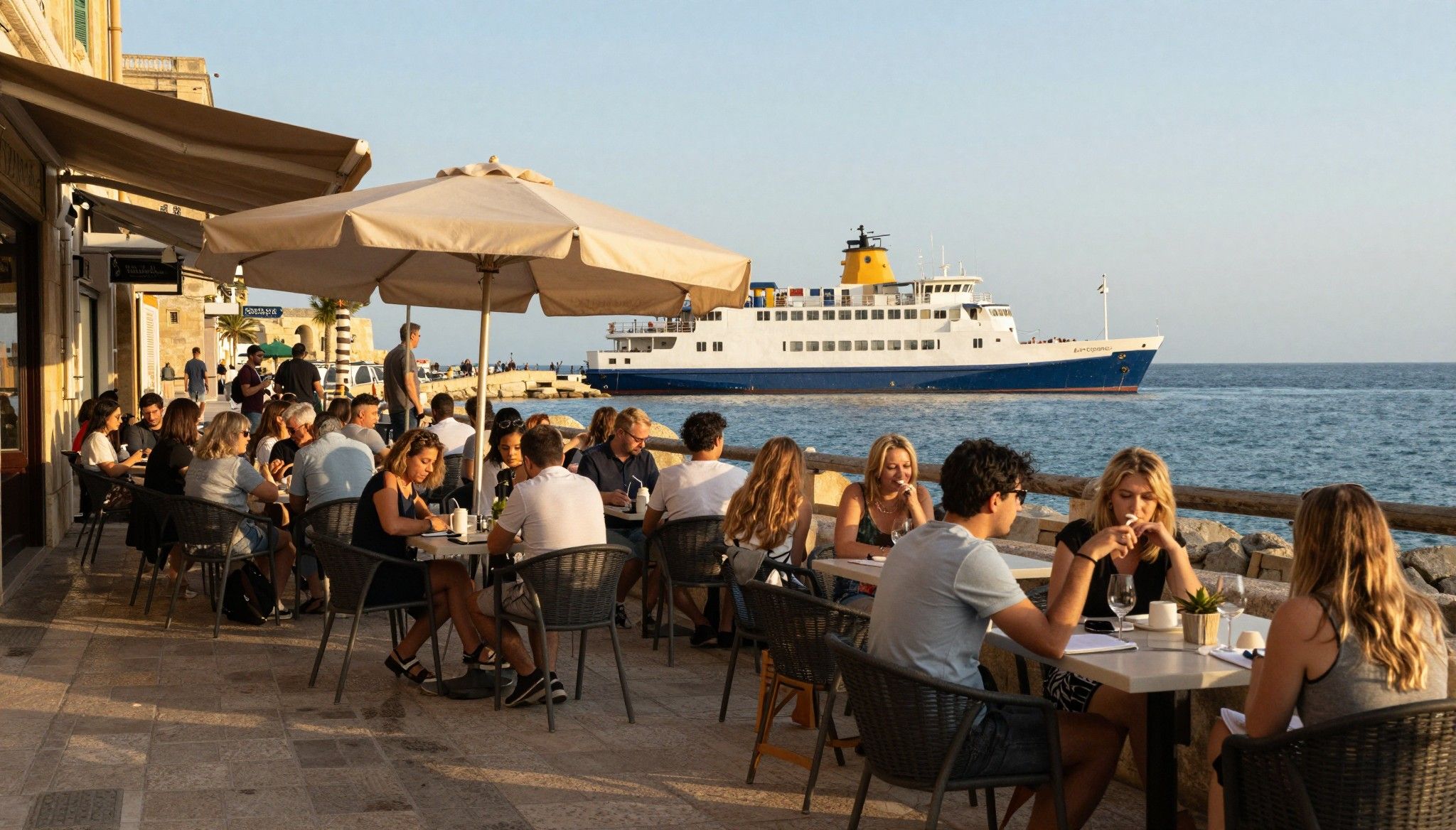
Summer islands like Mykonos or Santorini attract short-term premiums, but places such as Chania (Crete) and Naxos combine year‑round communities with improving ferry and air links, producing steadier rental floors. Tourism numbers recovered strongly in 2023–24, supporting rental demand beyond the peak months. (See ELSTAT travel figures.)
Making the move: infrastructure that actually revalues property
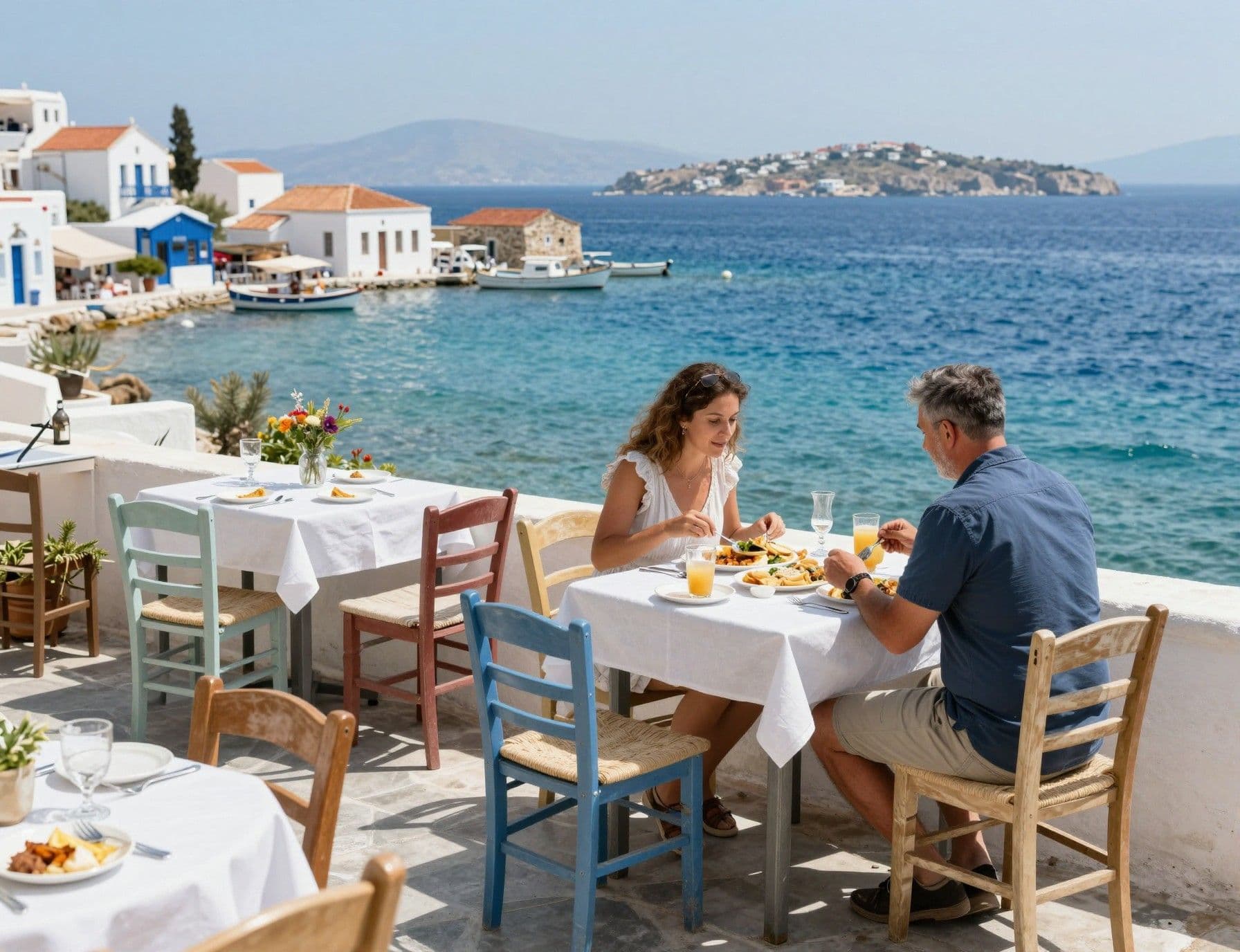
Greece’s recent infrastructure push — financed through EU Recovery funds and national investment — is not glamourous, but it changes travel times, commuter catchments and rental catchment areas. Rail upgrades, port modernisation and regional airport investment reprice neighbourhoods by expanding who can commute and when.
Why transport links beat sea views for predictable yields
Air connectivity is a multiplier. Athens International Airport handled north of 28–31 million passengers in 2023–24, improving international access and raising long‑stay rental demand in well‑connected urban districts. For investors, a reliable transport hub expands the addressable tenant pool more than a seasonal sea view does.
Property styles that match infrastructure-led value
Renovated walk-up apartments near a tram stop, small modern flats within new mixed‑use blocks, and compact houses close to intercity rail depots outperform because operating costs for tenants (time, travel) fall. Bank of Greece data shows apartment prices rose in 2024; buyers who buy where connectivity improves tend to capture both capital uplift and steadier rental occupancy.
Insider knowledge: what expats and investors underestimate
Expats often romanticise island summers and Athens heritage streets. The overlooked factor that determines returns is everyday convenience: reliable ferries in winter, fast intercity trains, and frequent flight schedules. Where these systems are improving, neighbourhoods that previously looked risky become investable.
Cultural and seasonal realities that affect occupancy
Greek life slows in January: many businesses close and islands quiet. That seasonality reduces short‑term rental floors but increases long‑stay tenant availability—students, remote workers, teachers—if the property supports heating, co‑working space and reliable Wi‑Fi.
Local agency expertise: what to demand from your partner
Work with agents who map transport timelines, not just street names. Ask for catchment analyses (commute times, flight schedules, ferry frequency) and comparable yields from neighbourhoods before and after infrastructure upgrades.
- Demand from agents: commute-time heatmap, seasonality occupancy rates, tenant-profile studies, operating-cost estimates.
Practical steps: how to size up a Greek neighbourhood quickly
Don’t rely on aesthetics alone. Combine three checks: transport (frequency & travel time), services (year‑round grocery, healthcare, schools) and tenancy (existing long‑stay demand). If two of three are improving, you’re looking at asymmetric upside.
A six-step quick due‑diligence
- 1. Map commute times to major demand generators (airport, university, hospital). 2. Confirm scheduled infrastructure projects and EU funding. 3. Review recent yield and price trends for the micro‑area. 4. Inspect utilities and winter services. 5. Model conservative occupancy (60–70%) for islands, 75–85% for cities. 6. Get local tenancy contract examples.
Example scenario: Athens inner‑ring vs Athenian suburbs
An investor buying a 50 sqm flat in Kallithea (close to ferry and tram upgrades) may accept a slightly lower price/sqm than central Kolonaki but achieve higher net yield because improved ferry and tram timetables expand tenant pools and reduce vacancy — a pattern visible after recent passenger growth at Athens’ airport and transport investments.
- Key investment signals to watch:
- • New or upgraded rail links and tram frequency increases. • Airport route expansions and passenger growth. • Ferry schedules stabilising in shoulder seasons. • Local service upgrades (clinics, supermarkets, schools).
Risks that data flags for Greece buyers
Rising prices across 2023–24 increase entry costs; regulatory changes around residency and tax can alter net yields. Use Bank of Greece reporting to calibrate price growth assumptions and stress-test rental income under slower tourist seasons.
Conclusion: buy the connector, not the postcard. In Greece, incremental infrastructure improves daily life and compresses vacancy risk more reliably than seasonal glamour. Start with commute-time analysis, demand profiling and agency partners who quantify transport-driven upside. Then bring the balcony espresso.
Dutch investment strategist who built a practice assisting 200+ Dutch clients find Spanish assets, with emphasis on cap rates and due diligence.