Cyprus: How Lifestyle Rhythms Reprice Yields
Cyprus offers lifestyle allure and diverse yield profiles; map neighbourhood rhythms and tourism data to realistic yield models before buying.
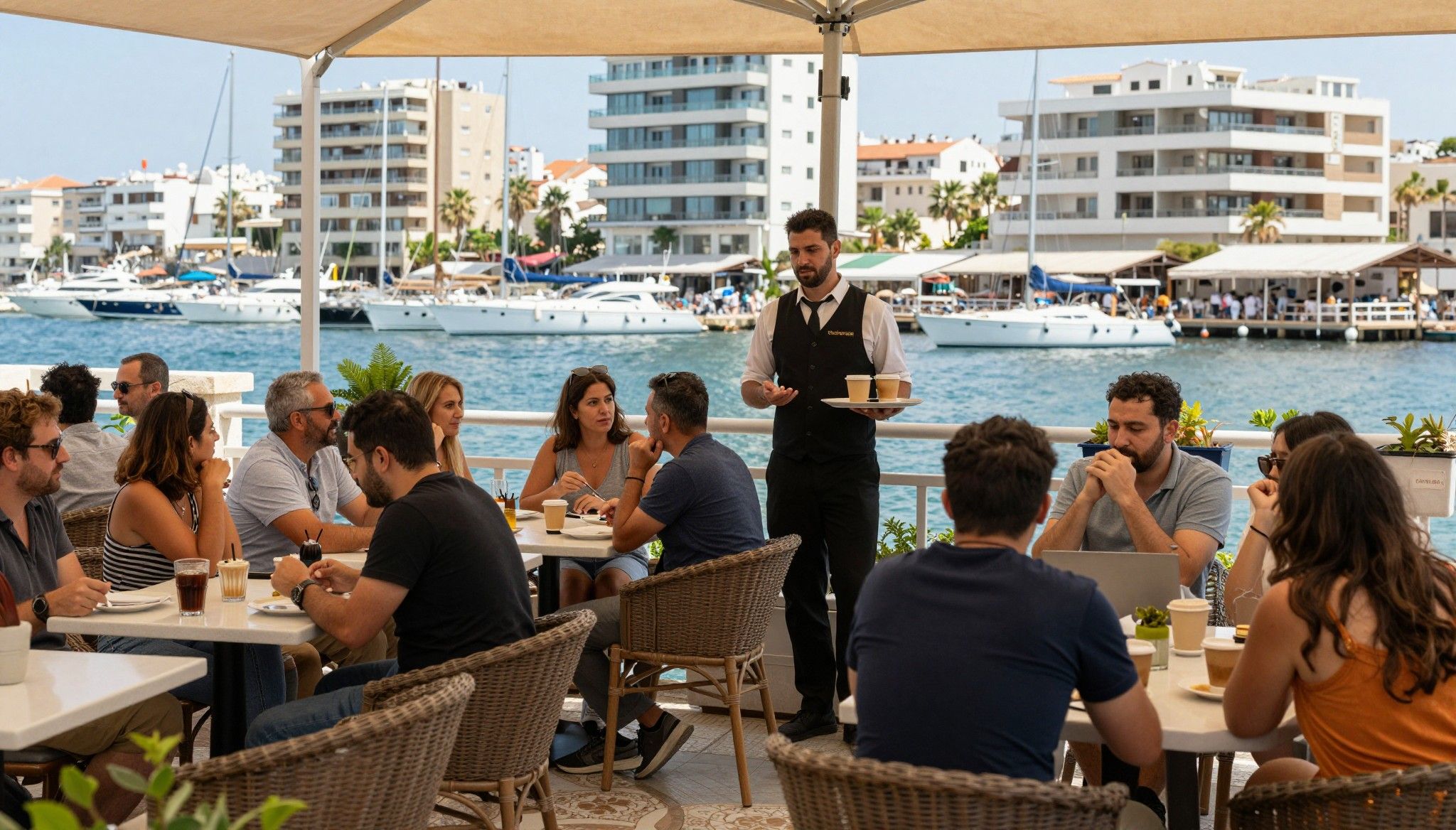
Imagine sipping espresso on a shaded verandah in Larnaca, the harbour’s fishing boats nudging the light, while a few streets over a landlord checks a booking calendar on their phone. That split—leisure by the water, spreadsheets on the table—is Cyprus in miniature: a place where lifestyle sells the dream but macro forces write the returns. We open with a scene because, for international buyers, understanding Cyprus begins with living there, then modelling the cash flow.
Living Cyprus: light, rhythm and real neighbourhoods
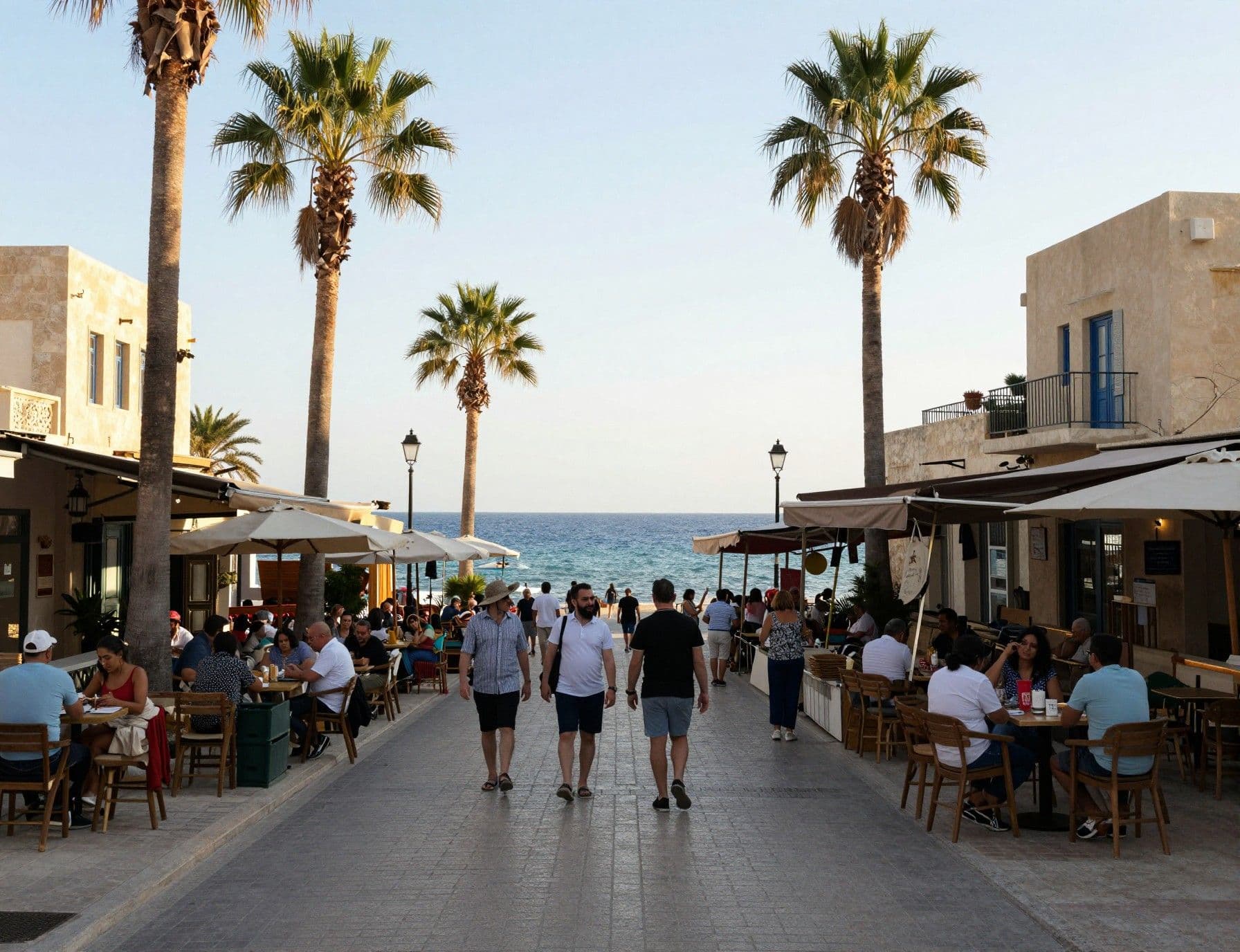
Daily life in Cyprus is paced by daylight, markets and the sea. Coastal towns pulse from late-morning cafés to relaxed evening tavernas; inland villages hum around weekly markets and church festivals. Tourism is not seasonal noise here—it underpins demand for short-term lets and service jobs year-round, with arrivals rebounding strongly in recent years and supporting rental occupancy across coastal and airport-linked markets.
Limassol and the coastline: business, beaches and premium stock
Limassol feels like a small Mediterranean financial centre — high-end promenades, yachts, boutique hotels and purpose-built apartment blocks. Prices here lead national averages and are more volatile; the Central Bank’s residential price indices show urban apartment segments growing faster than rural stock. For lifestyle buyers who want premium short-let demand, Limassol delivers—but expect higher entry prices and thinner gross yields compared with provincial alternatives.
Larnaca, Paphos and Nicosia: tradeoffs between yield and lifestyle
Larnaca is the pragmatic compromise: airport edge, improving infrastructure, and neighbourhoods where local rental demand—airport staff, teachers and hospital workers—supports steady occupancy. Paphos trades higher lifestyle cachet with family‑oriented tourism; Nicosia is driven by employment and education demand. Each city offers a distinct mix of lifestyle and cashflow: choose commensurate with whether you prioritise capital appreciation or dependable rent rolls.
- Lifestyle highlights to map to investment needs: Limassol marina promenades; Larnaca’s Finikoudes beachfront cafés; Paphos Old Town tavernas and archaeological park; Nicosia’s University Quarter and weekday rental pool.
Making the move: lifestyle choices that change returns

Your choice of neighbourhood, property type and tenancy model materially alters yield. A beachfront apartment used as a holiday let has different operating costs, vacancy patterns and regulatory friction than a two‑bed city flat rented to long-term tenants. Tax and residency rules—especially non‑dom incentives—can change net returns; use precise residency modelling rather than rules-of-thumb when forecasting after‑tax cashflow.
Property styles and the lifestyle‑yield tradeoff
New-build apartments near marinas command premiums and attract holiday renters and expatriate tenants; older village houses offer value but higher renovation and maintenance budgets. From a financial perspective: newer stock reduces capex risk, older stock can raise gross yields but increases management overhead. Align property type to your operational appetite—hands-on landlord, third‑party manager or hybrid.
Work with agencies that understand both life and ledger
- 1. Ask agents for anonymised occupancy and utility cost data for comparable units to model true net yield. 2. Request historical short‑let performance (gross revenue, average nightly rate, occupancy) for similar coastal apartments. 3. Require clear disclosure on permitted use—confirm whether your unit faces seasonal or regulatory restrictions. 4. Insist the agency introduces a local lawyer and property manager for a three‑party due diligence handoff.
Insider knowledge: myths, missed details and expat realities
Myth: "Cyprus is only summer tourism." Reality: steady inbound travel, growing remote work stays and airport connectivity flatten seasonality for many neighbourhoods. Local expats note that community life—weekend markets, midweek cafés, municipal festivals—creates year‑round demand pockets that can stabilise long lets and reduce vacancy risk compared with purely coastal holiday markets.
Cultural and tenancy nuances that affect returns
Language is not a barrier—English is widely used in business and real estate—but social norms matter: local contracts, deposit expectations and landlord–tenant relations often differ from Anglo‑Saxon defaults. Short‑let platforms are active but municipal regulations and community tolerance vary by street; consult local managers before switching use-case. Tourism rebounds documented by national statistics underpin demand but also invite regulatory scrutiny in dense coastal zones.
Red flags that lifestyle buyers often miss
- Unpaved promises: incomplete planning permissions for rooftop terraces; opaque service-charge arrangements in boutique developments; streets that look lively in summer but fall silent off‑season; units marketed as ‘airport-close’ without clear transport links; management agreements that exclude subletting.
If you want to convert lifestyle excitement into investment performance, quantify every assumption: nightly rates, vacancy by month, cleaning and utility turn costs, council licence requirements, and realistic refurbishment schedules. Where possible, obtain historical ledgers and insist on contingency buffers in your financial model.
Three practical next steps
- 1. Model two scenarios (long‑let and short‑let) for the same unit and compare net yields after management and tax. 2. Commission a local lawyer to confirm non‑EU purchase permissions and permitted use. 3. Contract a local property manager for a 6‑month pilot and review real occupancy and expense data before committing to a scale-up.
Conclusion: Cyprus sells the life—sun, sea, small‑city calm—but returns belong to the buyer who models the mechanics beneath the postcard. Start with neighbourhood-level data, stress-test your income assumptions, and partner with agencies that translate cafés into cashflow. Live the verandah moment; keep the spreadsheet on the table.
Dutch investment strategist who built a practice assisting 200+ Dutch clients find Spanish assets, with emphasis on cap rates and due diligence.