France: Where Streets Reprice Your Yield
France’s romance and returns diverge by street; national price indices show stability, but yields vary—use DVF and Notaires data to model realistic net returns.

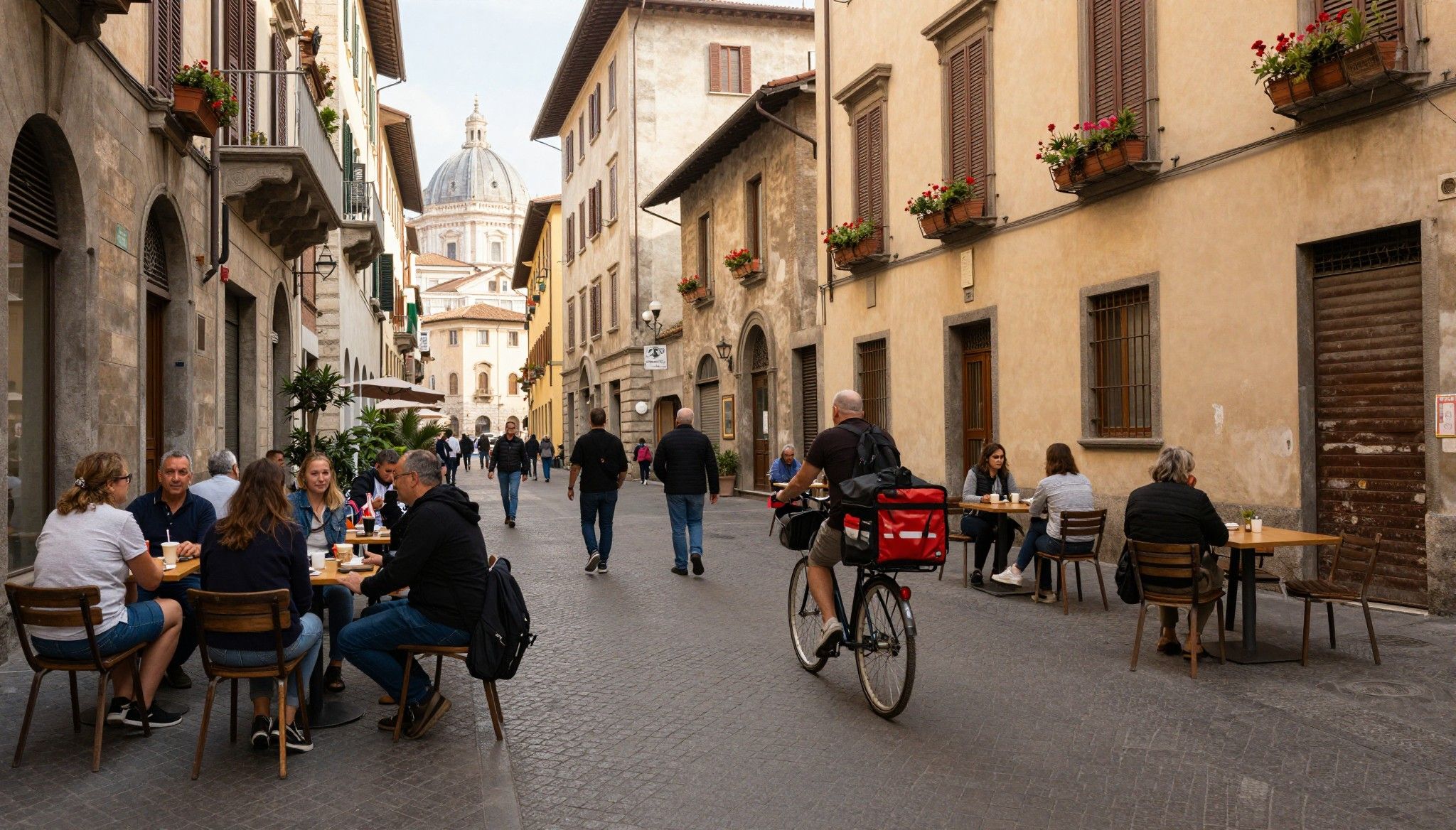
Imagine sipping a café allongé on a worn wooden table in Le Marais, then walking five minutes to find a stone rental building whose courtyard hums with tenants and tourists in summer. That contrast — polished Parisian arrondissements and quieter provincial streets — is the lived reality of France. For international buyers the question is not only “where do I want to live?” but “where does the spreadsheet meet the siesta?” Recent market data shows prices stabilising after the swings of 2023–24 and pockets of re-acceleration in 2025; this piece pairs the sensory (streets, markets, seasons) with price-and-yield facts you can act on. (Sources cited below.)
Living the France lifestyle — streets, seasons, society

France is many countries in one: brisk mornings at Marché d'Aligre, Provençal lavender on rail journeys between Aix and Avignon, and beach rhythms along the Côte d’Azur where terraces are offices in June. Daily life is built around neighbourhood amenities — boulangeries that open before dawn, mid‑day closures in small towns, and apero culture in the evenings. These routines shape demand: compact, well‑served apartments near markets and transport remain resilient for both long‑term tenants and short-season holiday income. Understanding the living patterns is the first step to modelling rental demand and realistic yields.
Neighbourhoods that matter: not just Paris
Paris commands headlines, but investment geography in France is granular. Inside Paris, arrondissements diverge widely — prime central quarters can be 2–3x pricier than working‑class districts a few metro stops away. Beyond Île‑de‑France, mid‑sized cities such as Nantes, Rennes, Bordeaux and Toulouse show strong tenant demand from students, tech workers and local companies. Coastal pockets — Biarritz, La Rochelle, Nice — combine seasonal rental upside with ownership premiums; inland towns often offer higher entry yields but weaker capital growth prospects. For buyers, the micro‑street matters more than the city headline.
Food, markets and the weekly rhythm — why lifestyle drives tenancy
The weekly market calendar and local services anchor resident choice. Tenants prioritise a morning market or reliable delivery services as much as a nearby tram stop — small lifestyle assets that keep vacancy low. International buyers often underestimate the impact of seasonal rhythm: university towns pulse in September, resort towns in July–August. These patterns translate into occupancy rates and peak-season pricing you must model into cashflow forecasts, not just wishful thinking about capital appreciation.
- Lifestyle highlights that shape investment demand
- Marché d'Aligre (Paris) — daily footfall and nearby rental units that attract young professionals.
- Cours Mirabeau (Aix‑en‑Provence) — cultural calendar and terrace economy that support short‑term lets.
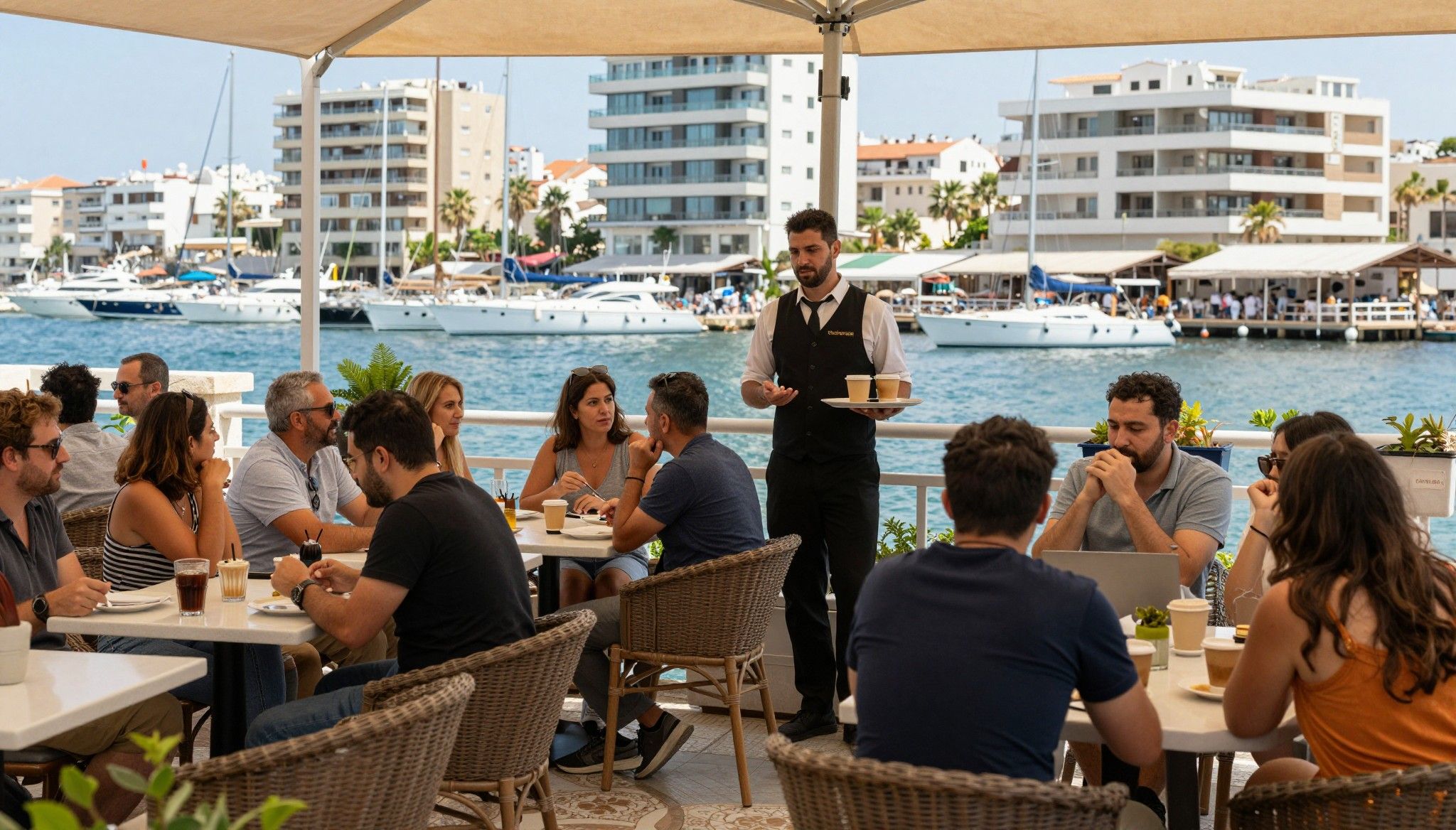
- Port de La Rochelle — year‑round marina services and winter residents who keep long‑term rental demand steady.
Making the move: practical, yield‑first considerations
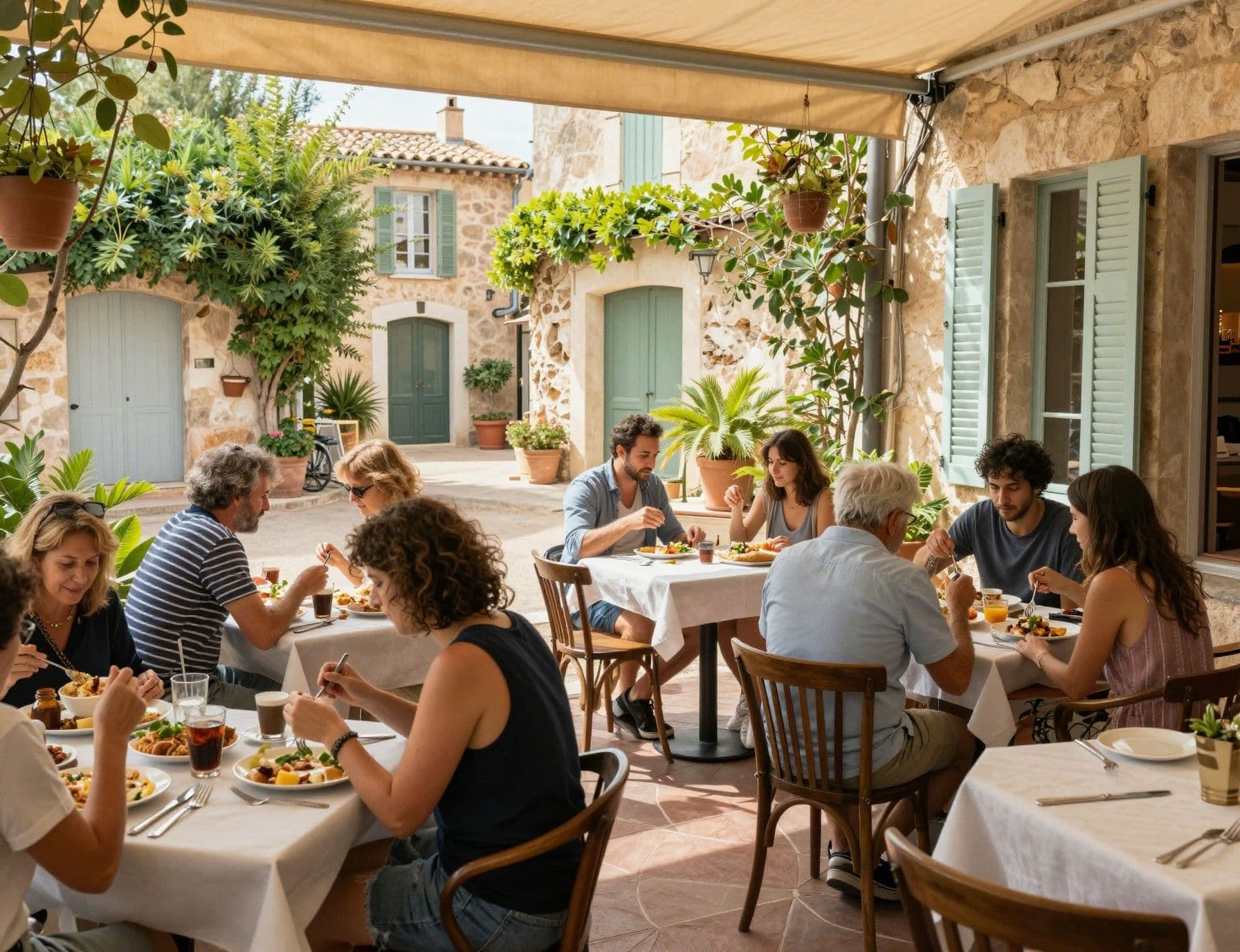
Lifestyle sells the dream; yields justify the purchase. On average France’s gross rental yield sits below many European peers, around the mid‑4% range nationally — but national averages hide wide dispersion by city and property type. Price indices from INSEE and the Notaires show national prices stabilising through 2025 while regional differences persist; Paris remains expensive per square metre but rental yields there compress, pushing yield‑focused buyers to select peripheral arrondissements or second cities. Use official price indices to set realistic purchase and exit assumptions before you sign.
Property types that balance lifestyle and returns
Studios and one‑bed flats in city centres often deliver higher gross yields but need active management and tenant turnover planning. Two‑bed units near universities or business hubs strike a balance: longer tenancies and wider tenant pools. In resort towns, consider smaller inventories with strong short‑let seasons — calculate realistic vacancy and management fees; the headline summer rent may double average monthly returns but average annual yield will be much lower after costs. For country villas, prioritise maintenance reserves and insurance in your model — beauty can be costly to preserve.
- Steps to test a property's yield thesis
- Gather comparable rent and sale transactions: use DVF (Demande de Valeurs Foncières) data and local agent comparables to calculate true gross yield.
- Adjust for costs: subtract management (10–20% for short lets), insurance, repairs, local taxes and mortgage servicing to estimate net yield.
- Stress‑test seasonality: model occupancy scenarios (high/medium/low) and run sensitivity on interest rate moves and regulatory changes such as short‑let restrictions.
Insider knowledge: what expats and investors quietly learn
The common rookie mistake is buying the view and ignoring the street. We repeatedly see buyers who spend a premium for a Seine view only to find weak rental demand because the unit is two flights up with tiny rooms. Local expats emphasise practicality: a livable kitchen, reliable heating, and walkable groceries beat photogenic facades for tenancy. Another lesson: French micro‑markets change by metro stop or even by street — consult local notaires’ transaction maps and the DVF database before committing.
Language, community and the long game
Practical fluency in French speeds everything — negotiating with a syndic (building manager), understanding lease clauses and local tax notices. That said, many areas have competent English‑speaking notaires and agents; hire them for due diligence but still learn basic vocabulary for inspections. Community ties matter: small towns often prefer long‑term residents and will favour tenants who integrate. Think five‑year horizon not just the Instagram moment — the best returns come from holdings that match local life rhythms, not disrupt them.
Red flags and quick checks
- Unexplained long vacancy history — ask the syndic and request past occupancy records.
- Large upcoming co‑ownership works (rénovation) — these can double monthly charges and crush net yield.
- Questionable short‑let legality — local communes and recent rules can limit holiday rental options.
Data snapshot: national price indices from INSEE and Notaires show stabilisation in 2025, while yield surveys put gross yields in the mid‑4% range nationally with wide city dispersion. Paris offers low yields but strong capital preservation; secondary cities deliver higher entry yields and potential rental growth if local economies expand. Use official DVF sales records, Notaires’ reports and INSEE indices as your primary sources for price per square metre and transaction trends before you model expected returns.
Conclusion — what to do next
Fall in love with France for the markets and the mornings, but buy with a spreadsheet. Start by selecting two micro‑markets (one income‑focused, one lifestyle‑focused), pull DVF comparables, and run three occupancy scenarios across a 5‑year horizon. Engage a bilingual notaire and an agent with investor references, and model net yields using conservative vacancy and maintenance assumptions. If you want, we can run a template yield model for a target city and show where lifestyle and returns intersect.
Norwegian market analyst who relocated from Oslo to Mallorca in 2016, guiding Northern buyers through regulatory risk, currency hedging, and rentability.