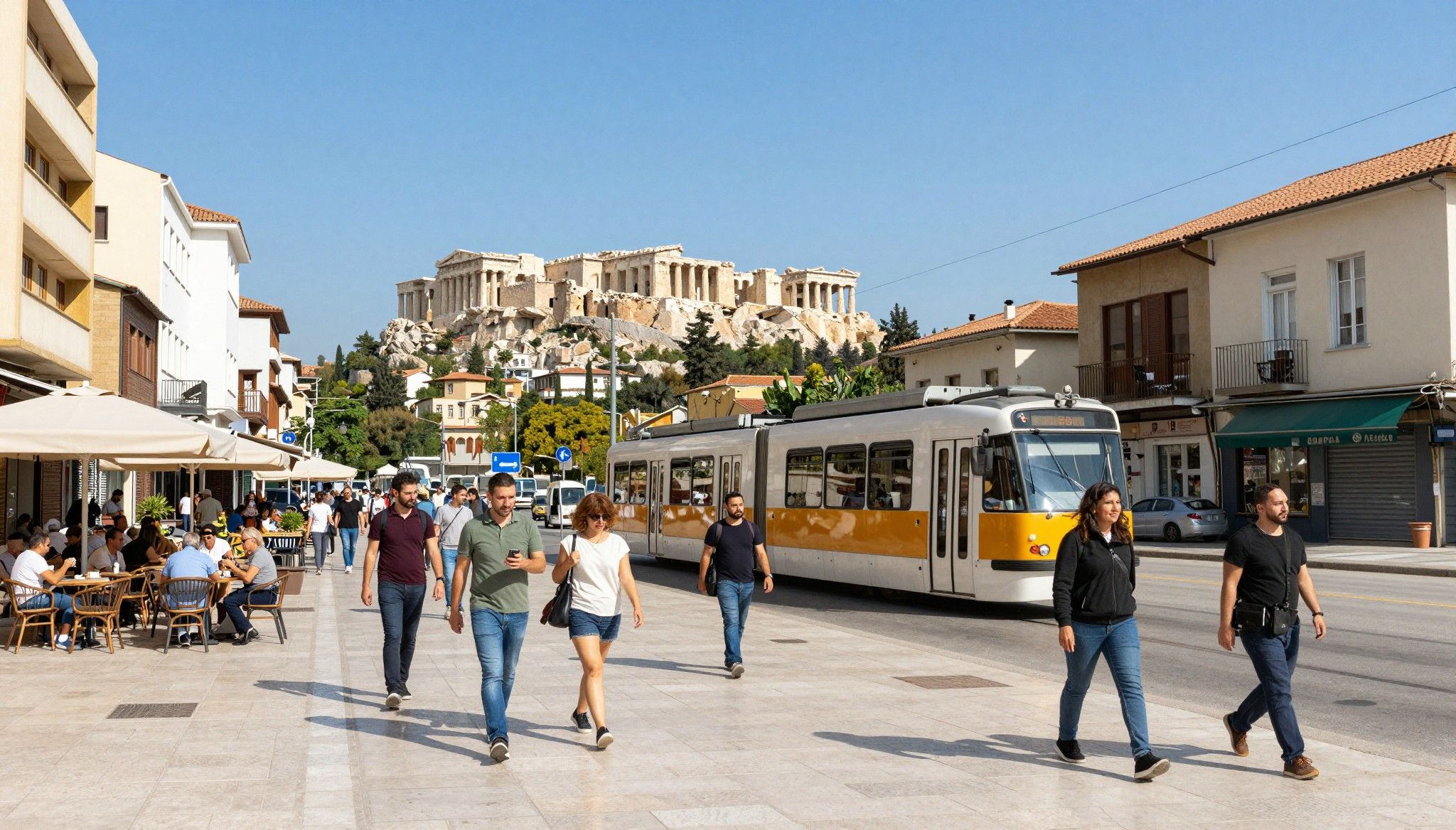
Italy: Lifestyle Romance vs. Tax Reality
Italy’s romance meets a complex tax architecture: cadastral-value transfer taxes, municipal IMU and residency rules change net yields—model resident vs non‑resident scenarios early.
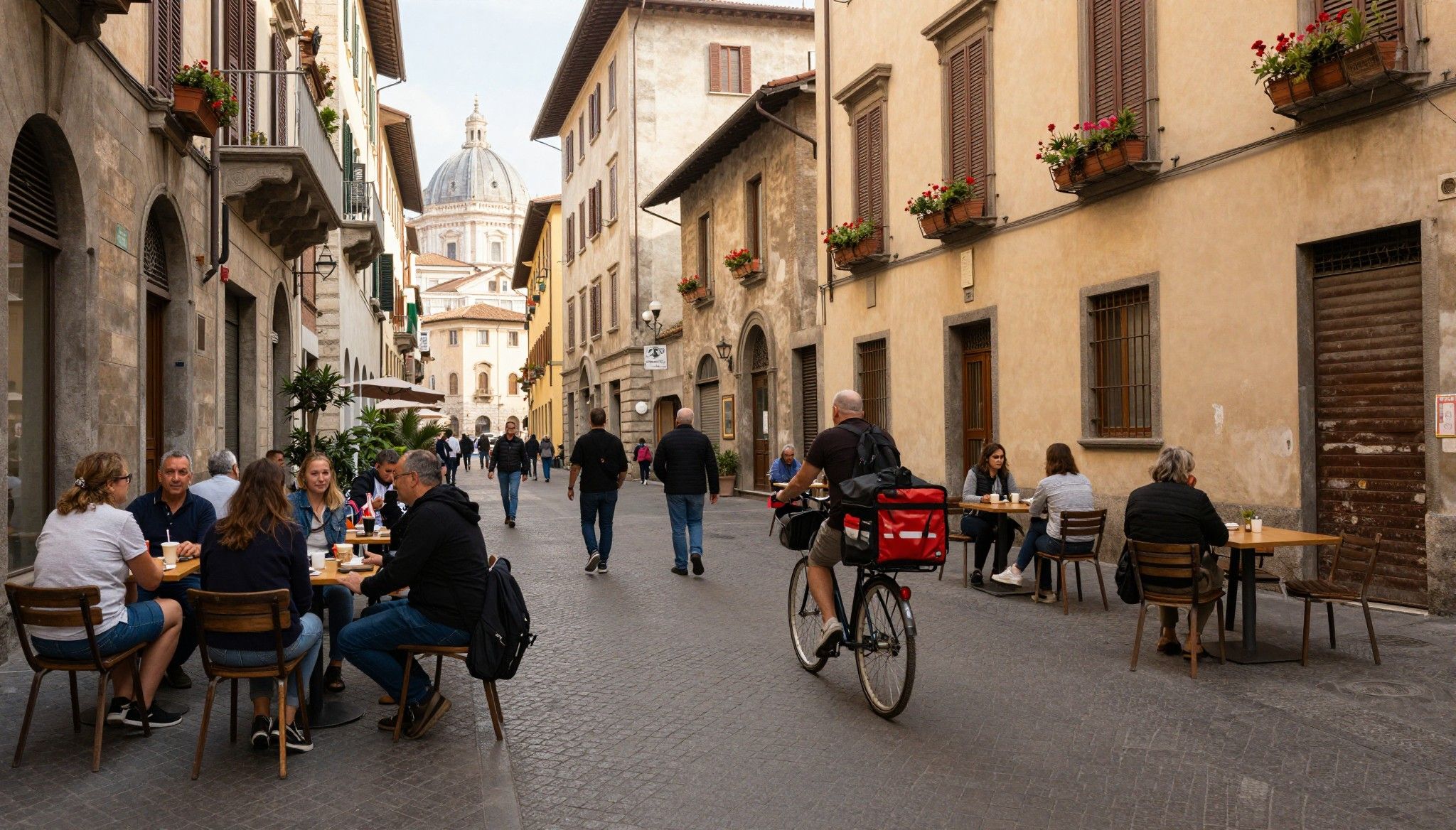
Imagine stepping out at 9am in Trastevere for espresso, or wandering cobbled lanes in Puglia where a rented Fiat pulls up beside a mercato overflowing with figs. Italy lives in morning light on a piazza, in seasonal rituals — spritz at sunset, weekend food markets, and the slow hum of neighbourhood life. For international buyers that romance must pass a second test: taxes, local rules and realistic yields. Recent market analysis shows the cadastral system and local IMU rules materially change purchase economics for foreigners, so the dream and the spreadsheet must meet early.
Living the Italy Life — what you actually buy into
Italy is many Italies: city-centre apartments in Rome and Milan; olive‑grove farmhouses in Puglia; hilltop Borgo houses in Tuscany; and coastal townhouses on the Amalfi coast. Each offers a different daily rhythm — compact market-run mornings in the centro storico, beaches and aperitivo culture on the coast, or long, quiet winters inland. Your property choice changes how you live: a small apartment means access to cafes and culture; a restored farmhouse means land, upkeep and seasonal work.
Neighborhood spotlight: Trastevere, Oltrarno, Navigli
Choose Trastevere in Rome for narrow streets, early cafes and a tourist pulse that never quite sleeps; Oltrarno in Florence for artisan workshops and river views; Navigli in Milan for nightlife and canal-side markets. These micro-neighbourhoods have distinct rental markets — short-stay demand is high in Trastevere and Navigli, long-term professional lets dominate Oltrarno — which affects yield, management intensity and tax exposure.
Food, seasons and social life that shape property choices
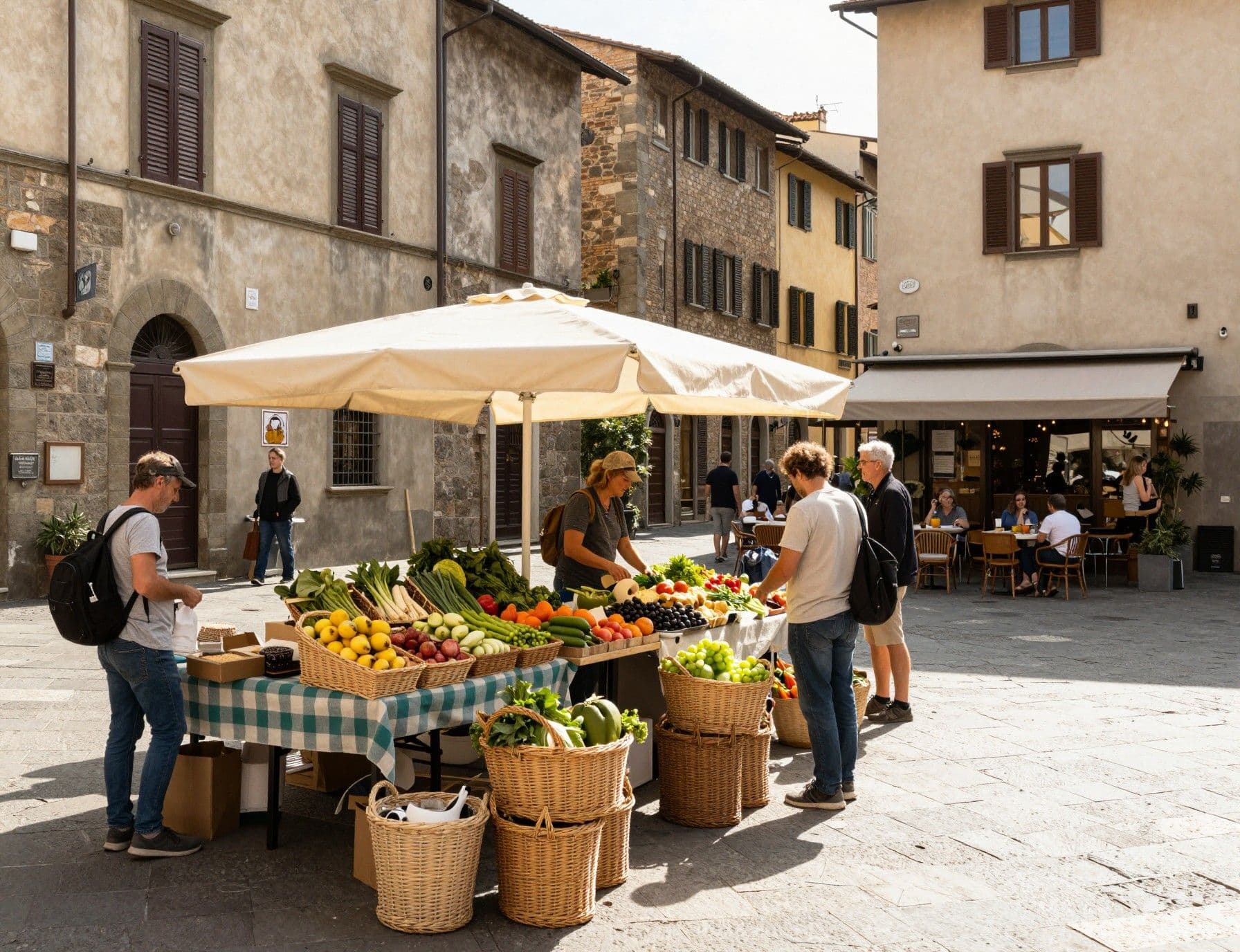
Picture Saturday markets in Bologna’s Quadrilatero, summer festivals in Siena, harvests in Langhe: seasonal life drives when and how properties earn. Coastal towns spike in July–August for short lets while university cities like Bologna and Padua provide stable academic demand. Understanding these cycles tells you whether to structure for short-term holiday income or long-term leases — and that choice feeds directly into tax treatment and local obligations.
Making the move: practical rules that reshape returns
Italy’s taxation on property pivots on a structural quirk: transaction taxes are calculated on the valore catastale (cadastral value), not the market price. That can work for buyers — a lower tax base reduces purchase transfer taxes — but it also creates complexity for investors because tax benefits (for example prima casa rates) require residency or specific declarations. You must model tax cashflows alongside expected rent and vacancy to determine net yield.
Key taxes that change the numbers
When buying from a private seller, expect registration tax (imposta di registro) typically at 9% of the cadastral value for second homes, or reduced to 2% for prima casa if you meet residency and other criteria. Fixed charges (imposta ipotecaria and catastale) are commonly €50 each in many transactions. Annual ownership costs include IMU (municipal property tax) which varies by municipality and property class — budget for 0.4–0.8% of cadastral value as a starting assumption.
Practical tax facts to model before you bid:
Registration tax usually based on cadastral value (2% prima casa or 9% ordinary).
Fixed mortgage/cadastral fees often €50 each when applicable; notary fees typically 1–2.5% of price.
IMU (municipal tax) applies to second homes and non-occupied properties; rates and exemptions are municipal.
Tax residency (183-day rule and centre of vital interests) alters income tax obligations — model both resident and non-resident scenarios.
Property types, local agents and the spreadsheet you actually need
A restored stone farmhouse in Puglia will offer land and lifestyle but higher maintenance, seasonal vacancy and different tax allowances than a Milan apartment geared to young professionals. Local agents who specialise in the micro-market — a Rome centro storico expert versus a Sardinian coastal specialist — reduce acquisition risk and spot regulatory traps (heritage restrictions, seismic classes, energy certification obligations).
How to structure your acquisition (step-by-step)
1) Pre-screen target communes for IMU rates and building restrictions; 2) Obtain a rendita catastale-based tax estimate from a notary or tax lawyer; 3) Decide between prima casa benefit (if you plan residency) or investment purchase; 4) Factor in management, insurance, and seismic/energy upgrade costs into net yield models.
Why local expertise matters
An experienced local notary (notaio) and a tax lawyer can verify cadastral classifications, detect undeclared alterations, and structure a purchase to optimise transfer taxes. For investors, a local property manager’s forecasting of seasonality, rental competence and local utility costs will change the yield by several percentage points compared to a naive gross-rent assumption.
Insider knowledge: myths, red flags and what expats wish they’d known
Myth: "Italy is always more expensive per sqm than its neighbours." Reality: cadastral valuation and regional variance mean hidden value pockets exist — inland hill towns and some Southern provinces offer lower entry prices but require stronger asset management. Red flags include mismatched cadastral class vs. actual use, missing building permits (condono issues), and properties with seismic class problems that trigger expensive upgrades.
Cultural and practical integration — the soft costs
Language, municipal bureaucracy and local community norms affect everything from utilities switching to qualifying for prima casa benefits. Expats often under-budget for time spent obtaining ATC (certificato di agibilità) or energy performance certificates (APE). Factor two to four months of administrative lead time into move-in and rental start dates.
Expat red flags to check early:
Unregistered renovations or extensions.
Mismatch between advertised use (guesthouse/BB) and zoning or licence requirements.
High IMU or local surcharges in specific municipalities.
Sourcing authoritative local data early — cadastral records, municipal IMU schedules, and a notary’s preliminary tax calculation — prevents post-offer surprises and preserves yield.
Conclusion: Italy’s lifestyle is seductive; its fiscal architecture is idiosyncratic. For a realistic investment case, marry sensory research (neighbourhood visits, markets, cafés) with hard numbers (cadastral-based transfer taxes, IMU, maintenance, vacancy). Work with a notaio, a tax lawyer and a local manager. If you model both resident and non-resident tax treatments up front, you keep the romance and protect the return.
Swedish financier who guided 150+ families to Spanish title deeds since relocating from Stockholm in 2012, focusing on legal and tax implications.