Italy: Where Lifestyle Signals Reprice Rental Yield
Pair Italy’s irresistible lifestyle with forensically modelled rental returns: where seasonality, tenant profile and local rules reprice yields — and how to buy accordingly.
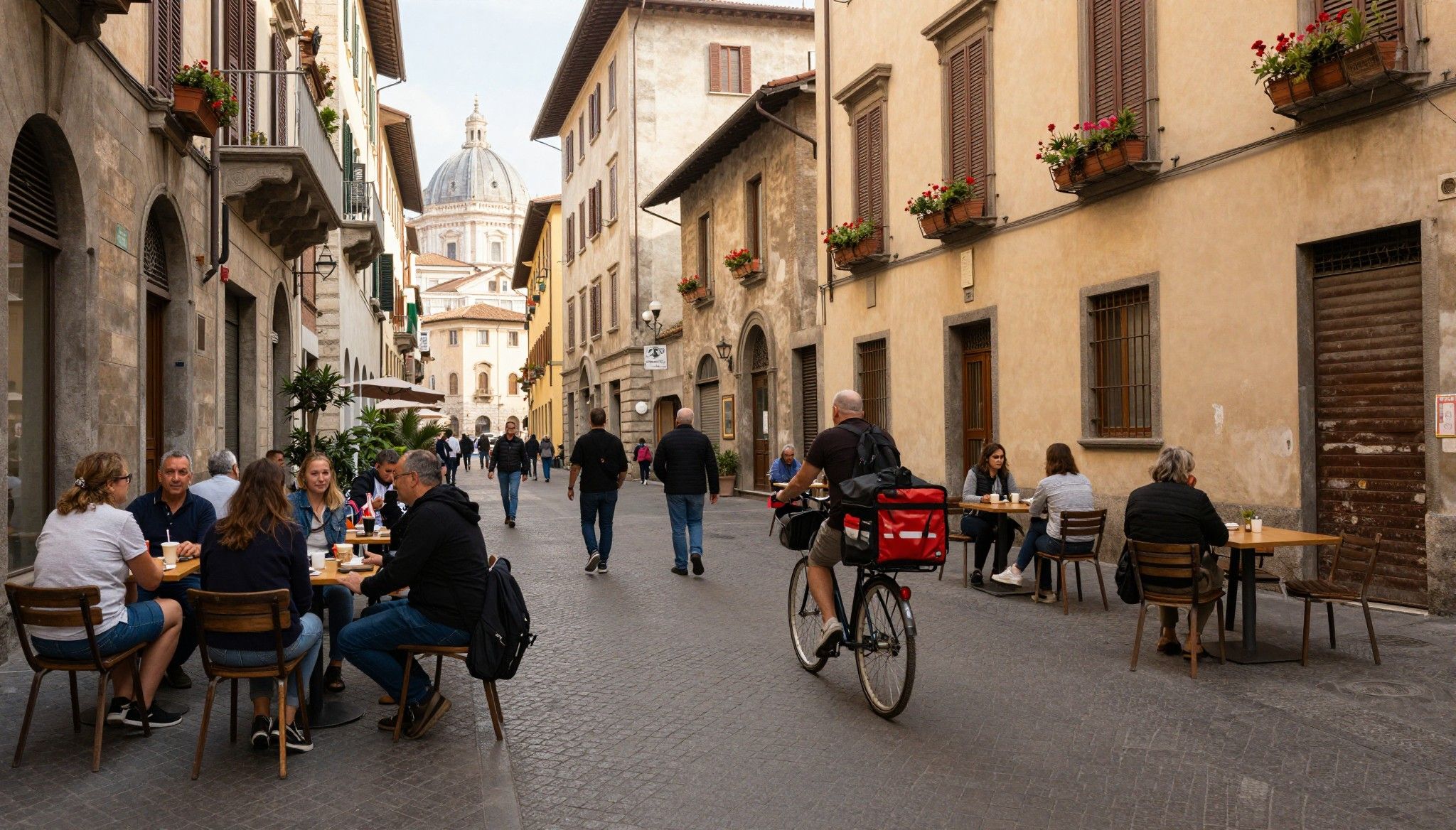
Imagine waking to the clatter of espresso cups in a corner bar on Via Cavour, spending Saturday morning at Campo de' Fiori’s market, then signing a purchase offer over aperitivo — Italy is daily life lived in public: food, light, neighbours and history. For the international buyer the romance matters, but so does whether a two-bedroom in Trastevere can actually pay for itself. This piece pairs the lived-in Italy with the hard numbers international investors need to compare rental demand and yield, and shows where lifestyle and returns line up — and where they don’t.
Living the Italy lifestyle
Italy’s lifestyle is variable by street rather than by region: seaside promenades, hilltop piazzas and tram-lined boulevards each come with a distinct daily rhythm. Tourism and local routines drive rental demand — ISTAT reports continued strength in tourist nights and a rising house price index, evidence that both short-stay demand and capital value have momentum. Use those rhythms to match a neighbourhood’s character to the tenant profile you want to attract.
City cores: Rome’s Trastevere to Milan’s Brera
In historic cores the soundscape is coffee, footfall and tourist groups — tenants are a mix of professionals, students and short-stay visitors. Prices per square metre are higher in Milan and parts of central Rome; Nomisma’s reports show modest but stable price growth. For investors chasing steady long-term rents, these areas offer lower gross yields but lower vacancy and stronger capital upside.
Coast, islands and seasonal towns: Amalfi, Sicily, Puglia
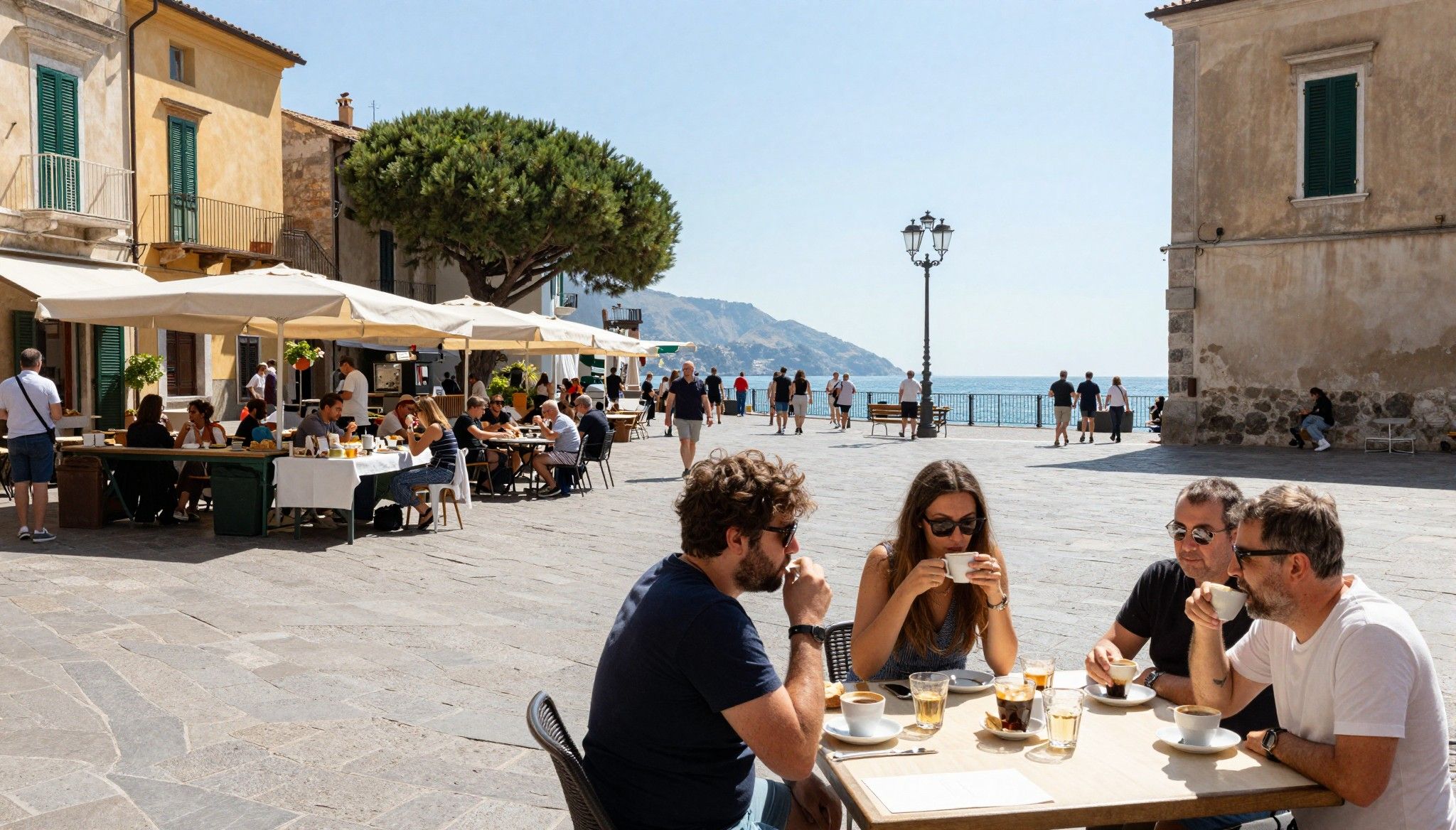
Coastal towns and islands deliver concentrated seasonality: high occupancy in summer, quieter winters. ISTAT and ENIT show that non-resident nights dominate coastal demand and that summer months capture most arrivals. That creates strong short‑term revenue potential but also price volatility and operational complexity for year-round landlords.
- Lifestyle highlights (what living here actually feels like)
- Morning espresso on a bar stool (Rome: Bar San Calisto, Trastevere)
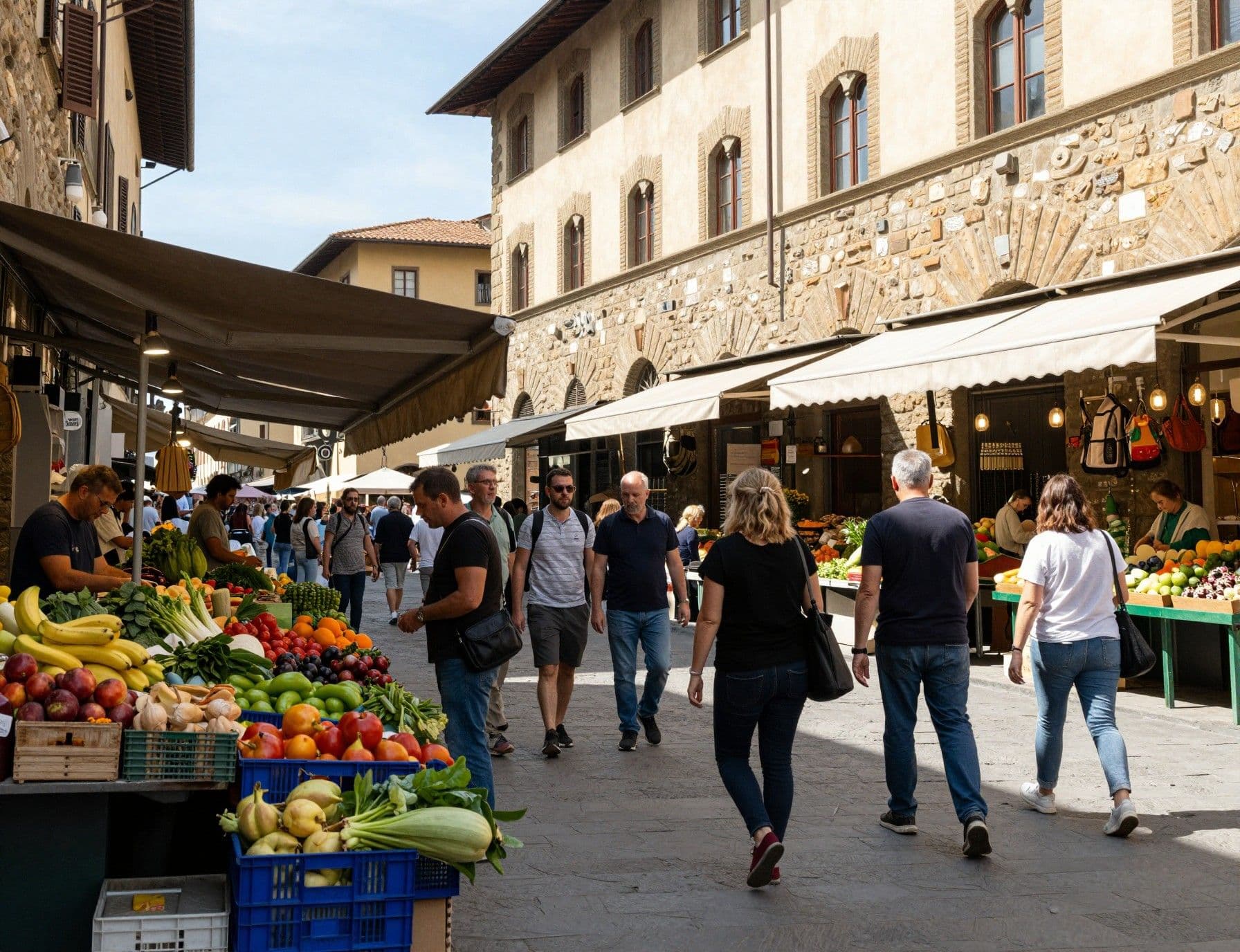
- Weekend produce markets (Florence: Mercato Centrale; Palermo: Ballarò)
- Sea swims and aperitivo on a terrace (Sicily’s Cefalù or Puglia’s Polignano a Mare)
Making the move: practical considerations that preserve lifestyle and yield

Romance without numbers is risk. Translate lifestyle into tenant demand profiles (students, digital nomads, families, tourists) and then map those profiles to metrics: price per square metre, expected monthly rent, vacancy risk and operating costs. Italy’s market shows rising prices nationally, but yields vary regionally — measure returns against local rent levels and realistic occupancy assumptions.
Property types and the tenant they attract
Historic centre apartments: appeal to tourists and short‑let tenants; expect lower gross yields (~5–6%) but high occupancy in peak months. Suburban flats and small-town houses: better gross yields (often 7–10% in southern cities or secondary towns) and stable long lets for locals. Villas and refurbished farmhouses: lifestyle premium — higher price tags, specialized tenant profiles, and variable yields depending on location.
How local experts convert lifestyle into investment filters
- Work with agencies that overlay lifestyle signals onto data: 1) Ask for real occupancy records and tenant mix by season; demand that they show actual bookings, not theoretical forecasts. 2) Require historic rent roll or comparable long‑let comps for a minimum 24‑month period. 3) Verify utility and condominium costs — seaside homes often face higher maintenance and insurance. 4) Match property features to tenant needs (air‑conditioning and outdoor space for southern rentals; elevator or ground-floor access in historic cores).
Insider knowledge: what expats wish they’d known
Expat buyers frequently underrate two things: seasonality’s operational cost, and the difference between headline gross yield and net yield after taxes, management and vacancy. Local customs — from summer shop closures to municipal tourist regulations — affect income. Talk to property managers and check municipal rules on short‑let licensing before assuming easy Airbnb cashflows.
Language, community and day‑to‑day life
Learning basic Italian opens doors to local tenants, artisans and municipal offices. Community life often centers on the local bar and market; integrating into those networks reduces operating friction and uncovers off‑market bargains. The best agencies are those that help you bridge language and local practice, not just show properties.
Long‑term lifestyle sustainability (how life evolves after you move)
Expect life to shift from novelty to routine: markets mature, tenant mixes stabilise, and the best long‑term investments are close to services and transport. Immobiliare.it and listing portals show that properties near transport hubs and university districts retain tenant demand even when tourism ebbs.
- Red flags to watch for before you buy
- Municipal short‑let regulations or past fines on the property
- High condominium fees versus advertised rent (check recent statements)
- Seasonal occupancy concentration above 60% (means operational risk)
- A practical buying checklist (step-by-step) 1) Define target tenant profile and realistic occupancy by month. 2) Request 24 months of rent roll / booking data and recent utility/condo statements. 3) Model net yield (gross yield minus taxes, management, vacancy, maintenance). 4) Confirm local short‑let rules with the municipality and a lawyer. 5) Arrange property management and a contingency fund for seasonal repairs.
Italy’s promise is not just in its vistas but in streets you can know: markets where vendors remember your name, cafes that double as co‑working hubs, and neighborhoods that age gracefully. For the investor who values both the daily pleasure of place and disciplined returns, Italy rewards careful matching of lifestyle to tenant demand and rigorous modelling of net yields.
Danish relocation specialist who moved to Cyprus in 2018, helping Nordic clients diversify with rental yields and residency considerations.