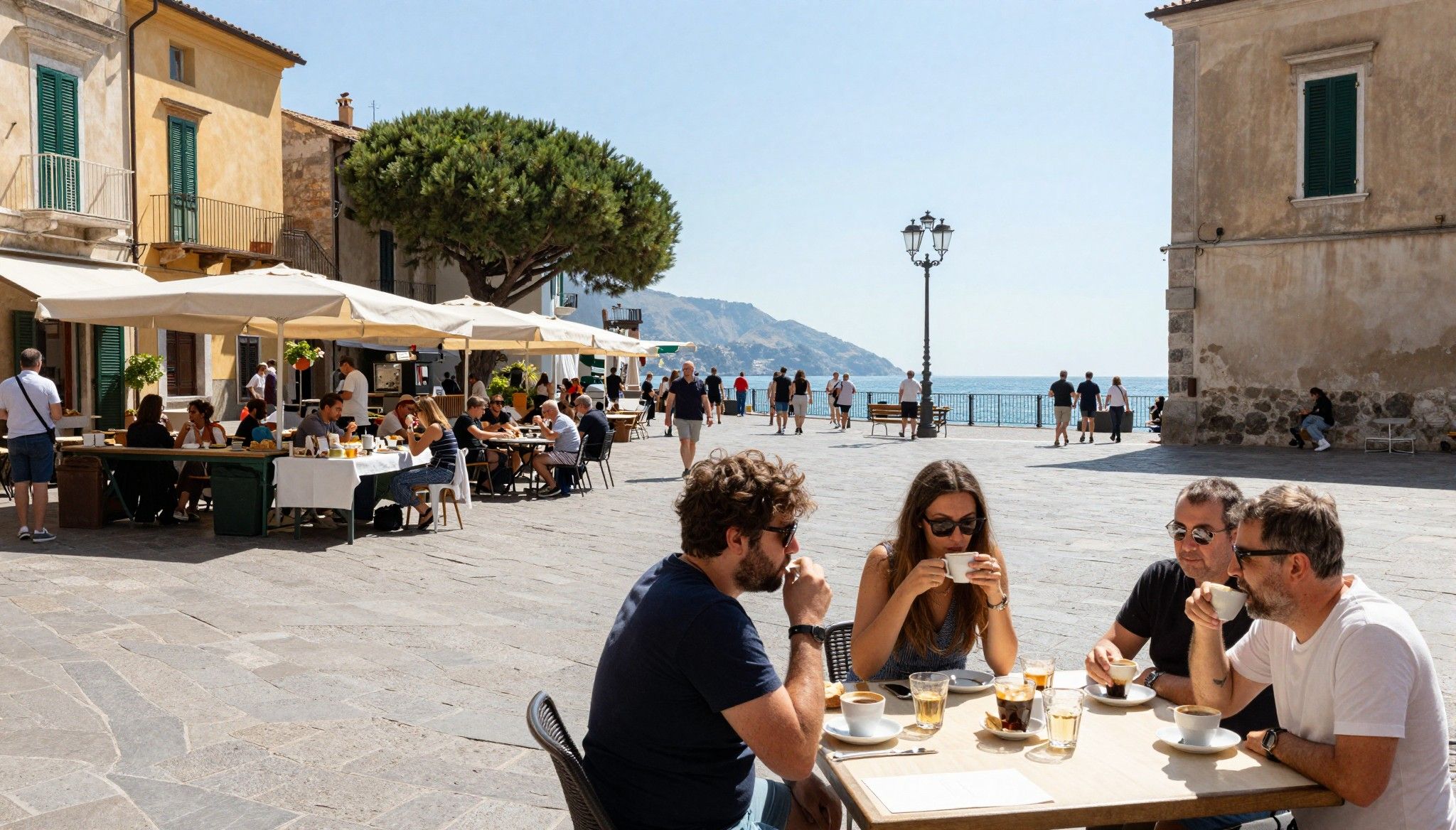
Buy the Street, Not the Sea: Italy’s Yield Contrarian
Italy’s charm masks a practical truth: coastal glamour often underperforms inner‑city streets on yield. Match neighbourhood rhythms to explicit net‑yield targets.
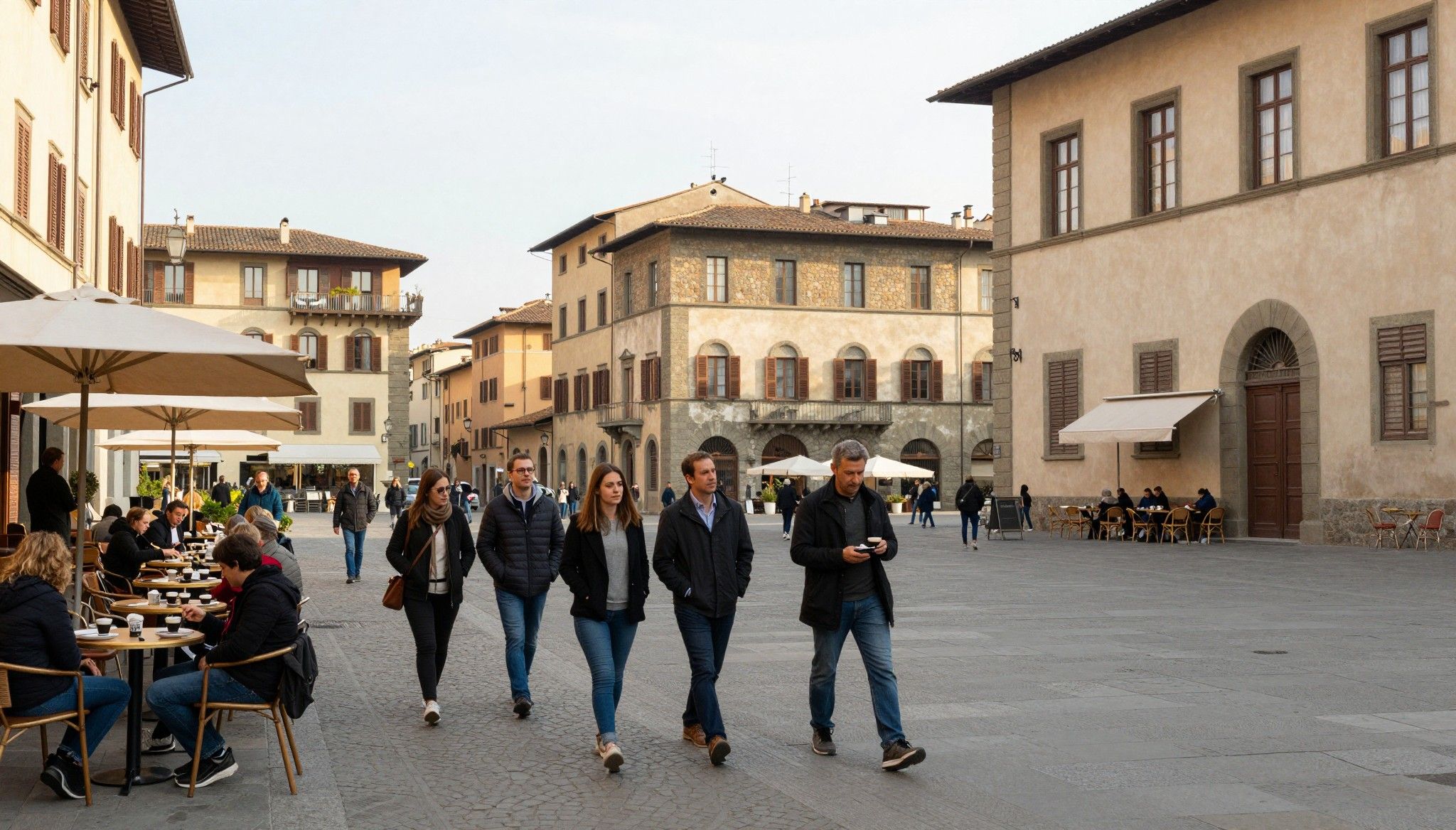
Imagine sipping espresso on Via dei Coronari in Rome at 9 a.m., then stepping into a two‑bedroom flat a five‑minute walk away that rents easily to short‑term visitors — and yet costs half the per‑square‑metre of a seafront apartment in Amalfi. Italy is full of these contrasts: historic centres that outperform coastal fantasies on yield, and quiet inland towns where renovation economics beat headline city prices. This piece mixes the romance of place with transaction‑level thinking so you can love where you live and still hit target returns.
Living the Italy lifestyle: sensory primer

Italy moves at two paces at once: the slow, neighbourhood rhythm of bar‑stool chat and market bargaining, and the swift, seasonal pulse of tourism and festivals. Mornings mean espresso and fresh bread, afternoons melt into passeggiata, and evenings are about long dinners and community squares. For buyers, those rhythms define demand patterns — a central Roman palazzo draws year‑round long‑let interest from professionals, whereas a coastal villa spikes for short‑term returns in summer.
Neighborhood spotlight: Trastevere, Rome and the rental microeconomy
Trastevere combines medieval lanes, daytime markets and a dense short‑let stock that keeps occupancy high outside peak months. Apartments under 70 m² in streets like Via della Lungaretta command steady demand from professionals and tourists seeking authentic experience. For investors, that translates into higher turnover but consistent gross yields if management and compliance for short lets are handled correctly.
Coastal counterpoint: Cinque Terre vs. Ligurian hinterland
A property on Monterosso’s seafront will appreciate for lifestyle reasons, but seasonal occupancy compresses effective annual yield. Move 10–20 minutes inland to Vernazza’s lesser‑known hamlets or Levanto’s periphery and you often find lower entry prices with year‑round rental demand from remote workers and families. The tradeoff: slightly less glamour but better cash flow stability.
Market signals: prices, volumes and what they mean for buyers

Official indices show nuanced recovery: ISTAT recorded positive year‑on‑year residential price growth in 2025, while the Agenzia delle Entrate’s OMI noted transaction volume rebounds into late 2024 and 2025. Macro‑data point to a market where price growth and transaction dynamics vary strongly by micro‑market — central city quarters, university towns and well‑connected provincial hubs outperform many leisure hotspots on rental metrics. Use these datasets to calibrate entry price versus expected rent.
Where headline averages mislead
National averages smooth over district‑level realities. Prime coastal areas show low yields driven by high capital values; academic towns (Pisa, Padua) and inner‑ring neighbourhoods of Milan and Bologna show stronger rental-to-price ratios. Reports from Knight Frank and sector research remind investors to model yields at neighbourhood level — not at country or city average.
Making the move: property types, agency roles and the numbers
Translating lifestyle into an investment brief demands three practical moves: define target net yield, set acceptable capex for renovation, and map tenant demand by seasonality. Local agencies should provide comparable rents, occupancy curves and tenant profiles; insist on agency‑provided historical P&L for similar units. This is where romantic preference meets spreadsheet discipline.
Property styles and how they affect living costs
Historic apartments (palazzi) offer location and character but often need seismic upgrades, energy retrofit and condominium consent — all material to total cost of ownership. New‑builds in provincial hubs deliver lower maintenance and higher EPC ratings, which attract long‑let tenants and reduce vacancy. Quantify renovation timelines and permit risk before assuming premium rents.
Steps to align lifestyle goals with yield targets
1) Select target net yield (example: 4–5% net for long‑let city dwellings). 2) Filter neighbourhoods by tenant profile (students, professionals, holiday guests). 3) Request 3 years of comparable rent and occupancy data from agencies. 4) Add renovation and compliance reserves (10–20% of purchase price). 5) Stress‑test returns against 6‑month vacancy and higher financing costs.
Insider knowledge: cultural rules, red flags and expat lessons
Local customs change transaction mechanics: condominium boards (condominio) can block renovations, vendors commonly sell 'as is', and bilingual notaries control timing. Expat buyers frequently underprice the timeline for permits and overestimate short‑let legality. Learning these social and institutional rhythms is as important as understanding price per m².
Language, neighborhood integration and social capital
Speaking basic Italian accelerates due diligence: from asking neighbours about noisy hours to clarifying historical building constraints. Local social capital — the barber, the cafe owner, the Comune clerk — smooths practical life and can surface off‑market opportunities. For long‑term lifestyle value, invest in community integration as much as in walls and roofs.
Red flags to watch for during viewings
• Missing or partial building plans; • Unresolved condominium disputes; • Clearly deferred maintenance (roof, structure) without quantified capex; • Unclear short‑let permissions in tourist towns; • Discrepancy between advertised and cadastre (catasto) size.
Conclusion: Italy is both romance and rigour. Walk its squares to fall in love, then run the numbers to justify the purchase. Start with neighbourhood‑level data from ISTAT and OMI, work with an agent who supplies historical P&L and permit intelligence, and structure reserves for renovation and seasonal vacancy. If you match the street rhythm to your yield target, Italy can be a durable, diversified holding in an international portfolio.
British expat who moved to the Algarve in 2014. Specializes in portfolio-focused analysis, yields, and tax planning for UK buyers investing abroad.