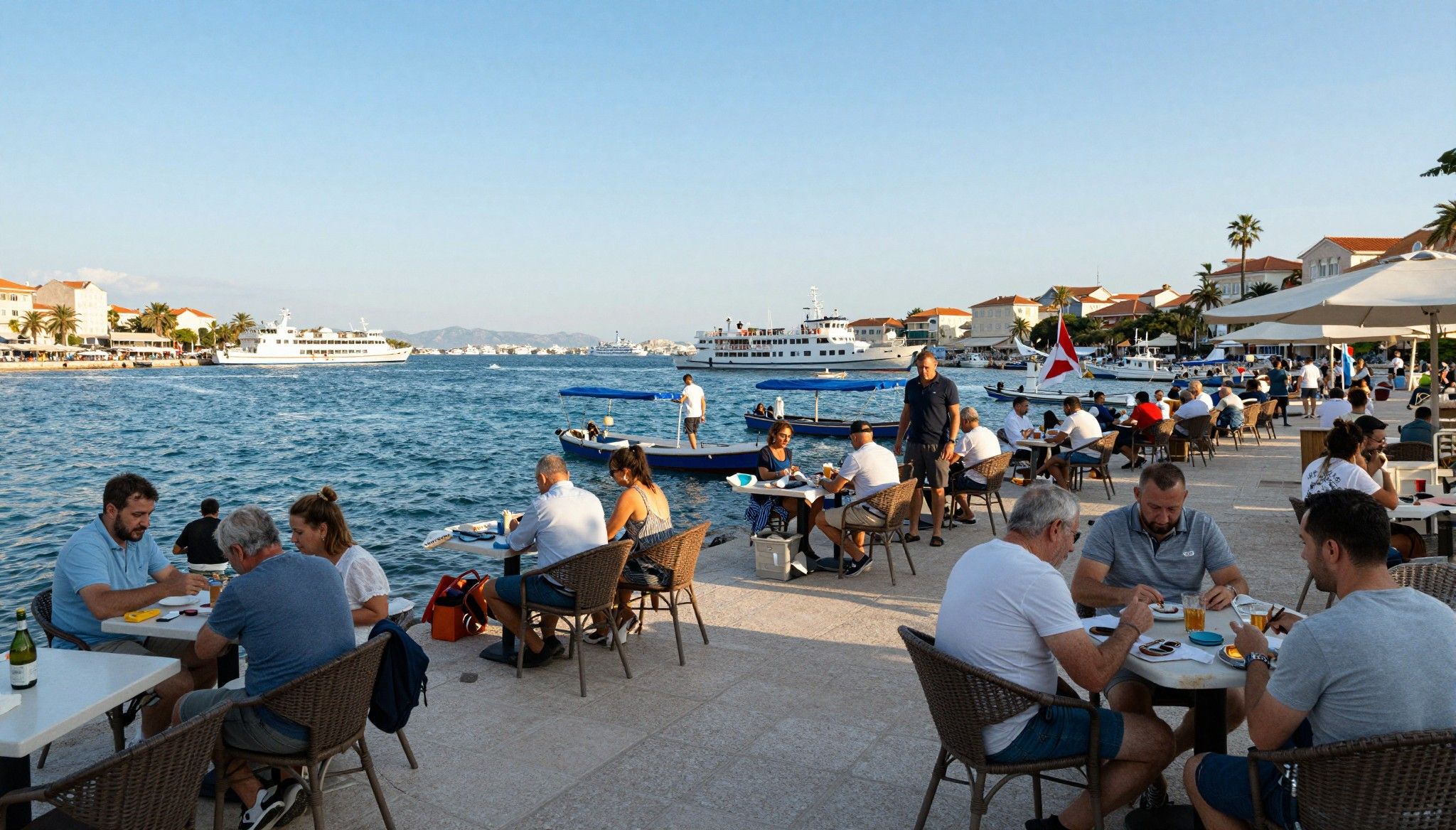
Terraces to Title Search: Greece’s Lifestyle vs. Rules
Greece blends irresistible lifestyle with specific regulatory levers — match neighbourhood rhythm to tax, permit and residency rules to protect returns.
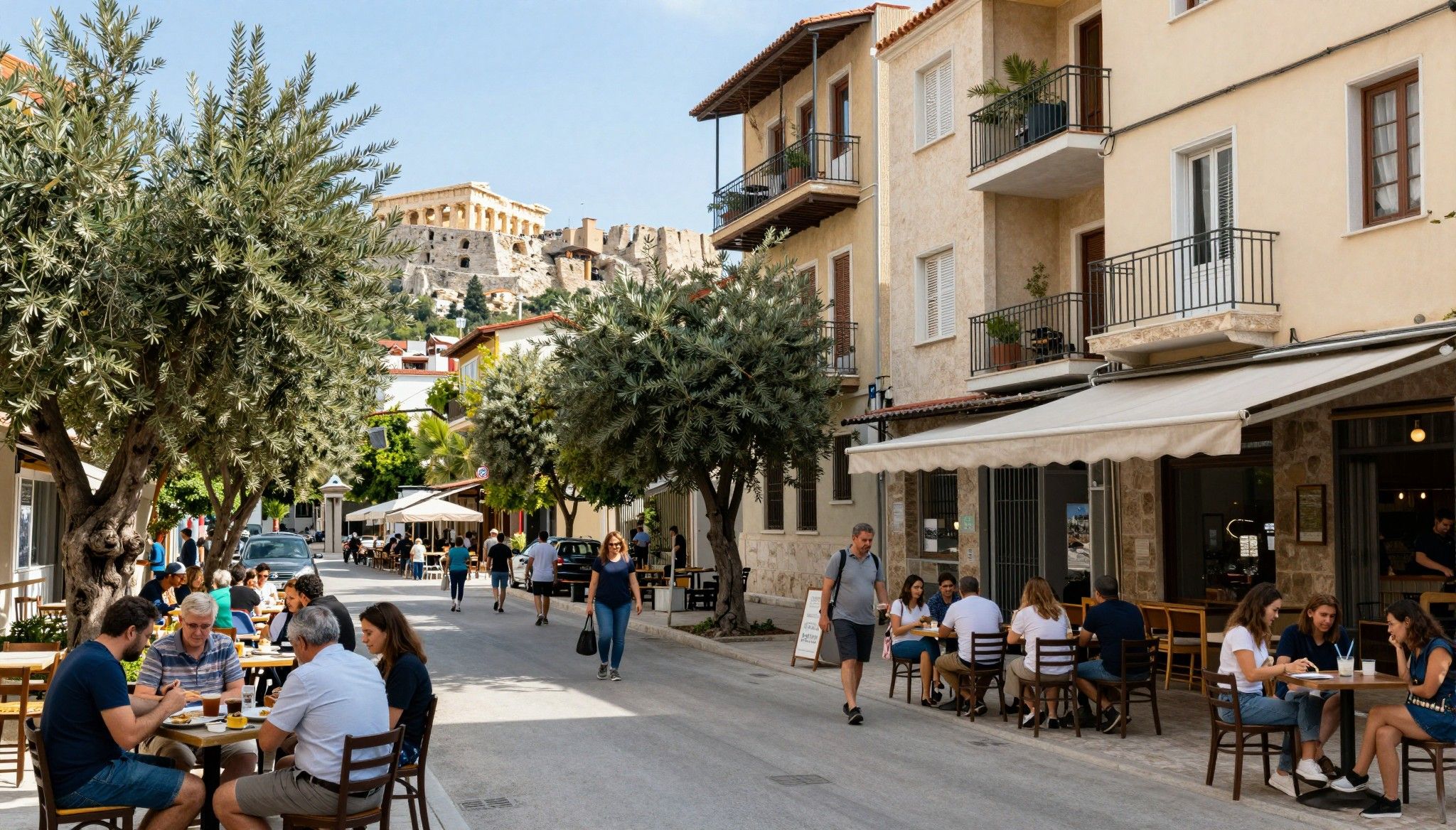
Imagine sipping a strong Greek espresso at a sunwashed kafeneio in Koukaki, then walking five minutes to a neoclassical building where the balcony overlooks olive‑dotted rooftops and the Acropolis. That contrast — effortlessly liveable streets and pockets of serious investment math — is Greece. For international buyers the country sells a lifestyle first, but the returns and regulatory details determine whether that dream pays off as an investment.
Living the Greece lifestyle
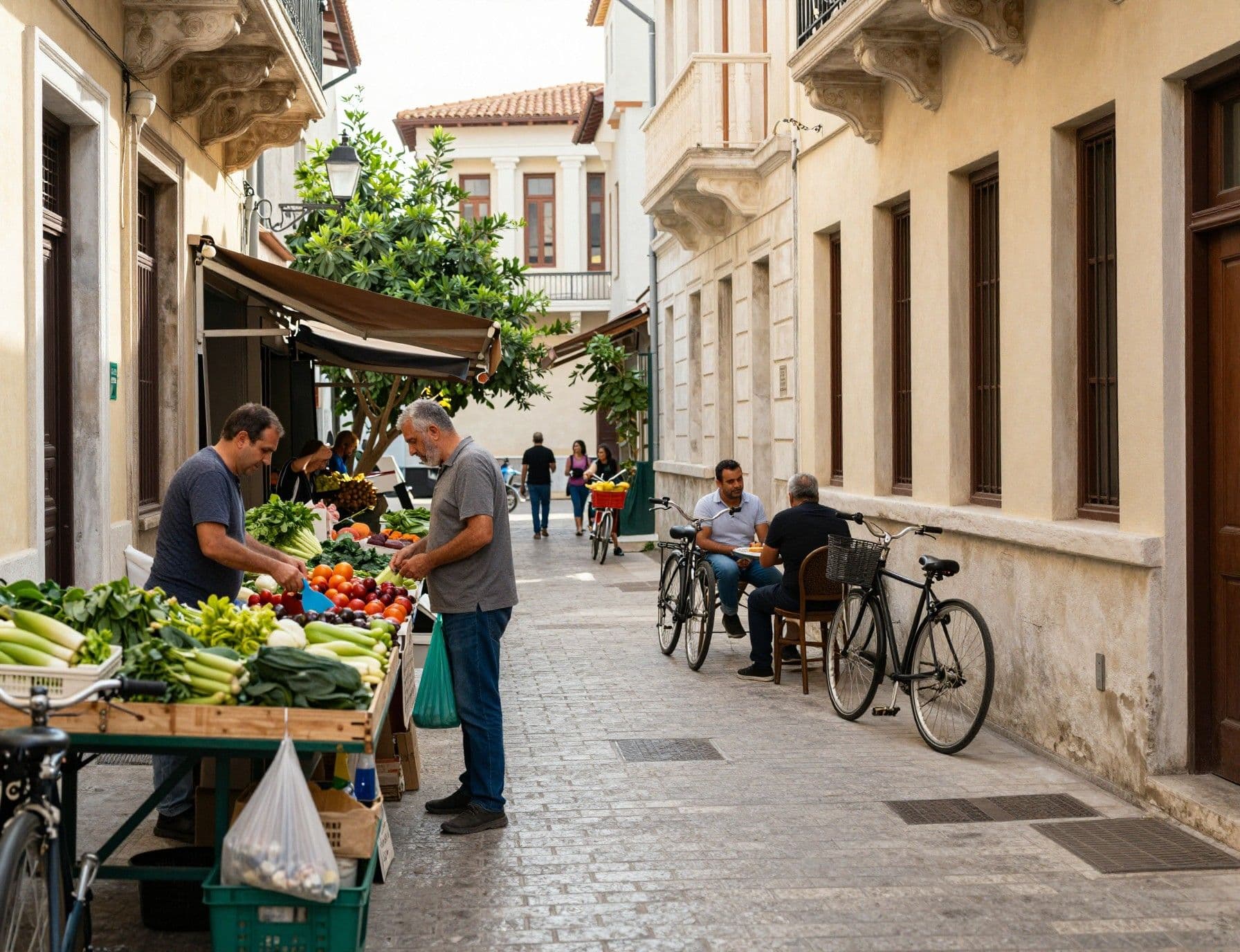
Greece moves at a tempo that changes by the hour: morning markets brim with vegetables and kopanisti cheese, afternoons drift toward long lunches and siestas in smaller towns, and evenings concentrate in squares where families and friends meet. The built environment — narrow alleys in Plaka, whitewashed Cycladic houses, modern apartments near Voula beach — shapes everyday choices: outdoor terraces for long seasons, shops that close mid‑day, and neighbourhood cafés that double as community centres.
Neighbourhood spotlight: Athens — Koukaki, Pangrati, Glyfada
Koukaki and Pangrati are compact, walkable, and feed off local life: bakeries at dawn, tavernas at dusk, and compact apartments that attract long‑stay tenants. Glyfada on the Saronic coast offers a different rhythm — seaside promenades, marinas and modern blocks that appeal to families and professionals. Each neighbourhood’s cadence affects rental demand: studio apartments in Koukaki perform differently to three‑bedrooms in Glyfada during summer and winter cycles.
Food, markets and weekend life
Weekends mean farmers’ markets (laiki) where buyers haggle over fish, figs and local cheeses — a sensory shortcut to neighbourhood life. Islands like Naxos and Paros combine fresh markets with seasonal tourist demand; meanwhile Thessaloniki’s food scene drives year‑round rental interest among young professionals. For buyers, proximity to markets, ferry ports or municipal squares is a lifestyle win and a rental demand signal.
Making the move: lifestyle meets regulation

The romance of terraces and tavernas meets a compact set of rules: foreigners can buy most properties but some border and restricted areas require approvals, annual property tax (ENFIA) applies, and recent legal changes have reshaped residency‑by‑investment options. These rules are not just paperwork — they alter total cost of ownership, acceptable financing structures, and the appeal of short‑term vs long‑term letting.
Property types and what they mean for your daily life
Neoclassical apartments in central Athens deliver immediate lifestyle access but often need upgrades for modern heating, insulation and rental standards. New builds come with warranties but can attract VAT or special levies; island stone houses offer charm and high seasonal rents but higher maintenance. Match property type to intended use: year‑round rental, summer holiday lets, or owner‑occupancy because each path changes yield, operating costs, and renovation needs.
How local experts turn lifestyle vision into investment reality
1. Ask agents for historical rental records and occupancy by month; look for multi‑year data, not a single high season. 2. Use a local notary and lawyer: property deeds (vigla) and title search (kyriotes) avoid surprises and link to ENFIA clearance. 3. Factor in transaction costs: transfer tax, notary, registry fees and agency commissions — these typically add 8–12% to purchase price. 4. Build a maintenance and management budget: island properties often need higher reserve funds for storms, septic systems and seasonal vacancies.
Insider knowledge: red flags, timing and unexpected advantages
Expats consistently tell the same lessons: check zoning and archaeological overlays, never rely on verbal promises about permits, and respect seasonal demand swings. Because Greece has many protected heritage zones, renovation timelines and costs can balloon unless you confirm permissions up front. Conversely, recent suspensions of capital gains taxation have altered short‑term selling economics — always confirm current status before modelling exits.
Practical red flags to watch for
Unpaid ENFIA or utility debts that block sale registration; archaeological or protected‑status constraints; properties without a legal building permit (kataxorisi) or with irregular additions; reliance on short‑term rental projections without considering off‑season occupancy; unclear estate‑planning consequences where Greek inheritance law differs from your home country.
Seasonality and timing: when buying in Greece is smarter (and when it isn’t)
House‑hunting in high summer looks beautiful but misleads on year‑round demand; island rentals spike from June–September while Athens has steadier occupancy. Buying in late autumn or winter often yields better negotiations and clearer inspections; developers and agents are more flexible off‑season. For residency‑by‑investment plans, recent law changes tightened area thresholds and documentation — time purchase actions to align with those legal requirements.
Two practical next steps: get a local lawyer to run title and zoning checks, and request a 12‑month rental and expense history for any income projection. These two moves will transform dreamy lifestyle assumptions into defensible yield estimates.
Conclusion: love the terraces, respect the rules
Greece rewards buyers who balance lifestyle taste with regulatory discipline. Buy where local life fits your long‑term plan, and build legal certainty into the purchase so the Acropolis view stays a headline, not a headache. If you want a next step, commission a localized cash‑flow model and a legal title search — both will tell you whether that favourite kafeneio is an amenity or an expense.
Danish relocation specialist who moved to Cyprus in 2018, helping Nordic clients diversify with rental yields and residency considerations.