Greece: Life-First Buying, Tax Rules That Matter
Greece blends irresistible lifestyle with predictable legal costs: factor transfer tax (≈3%), ENFIA, and Golden Visa tiers (€400k–€800k) into yield models to align romance with returns.
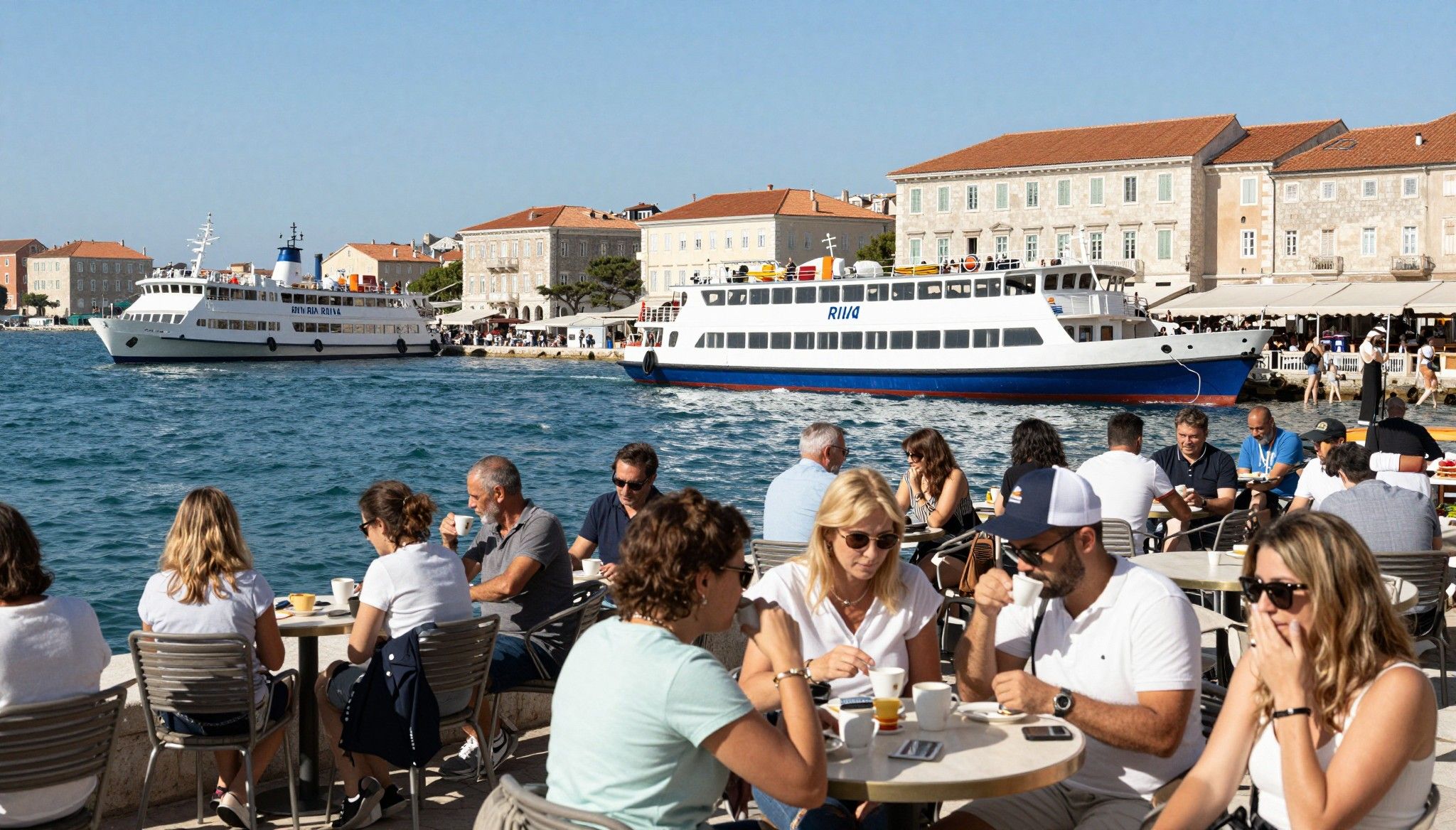
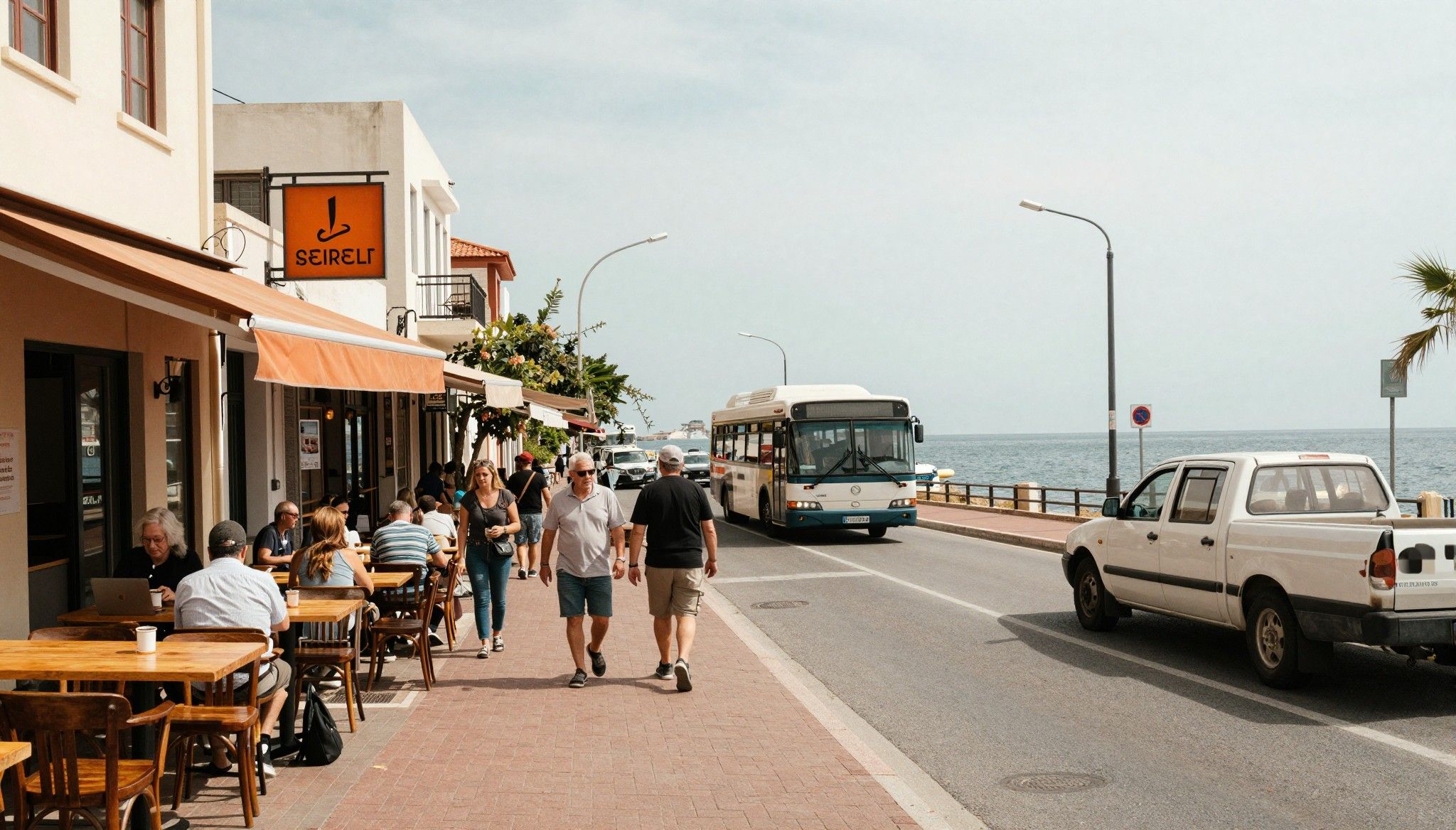
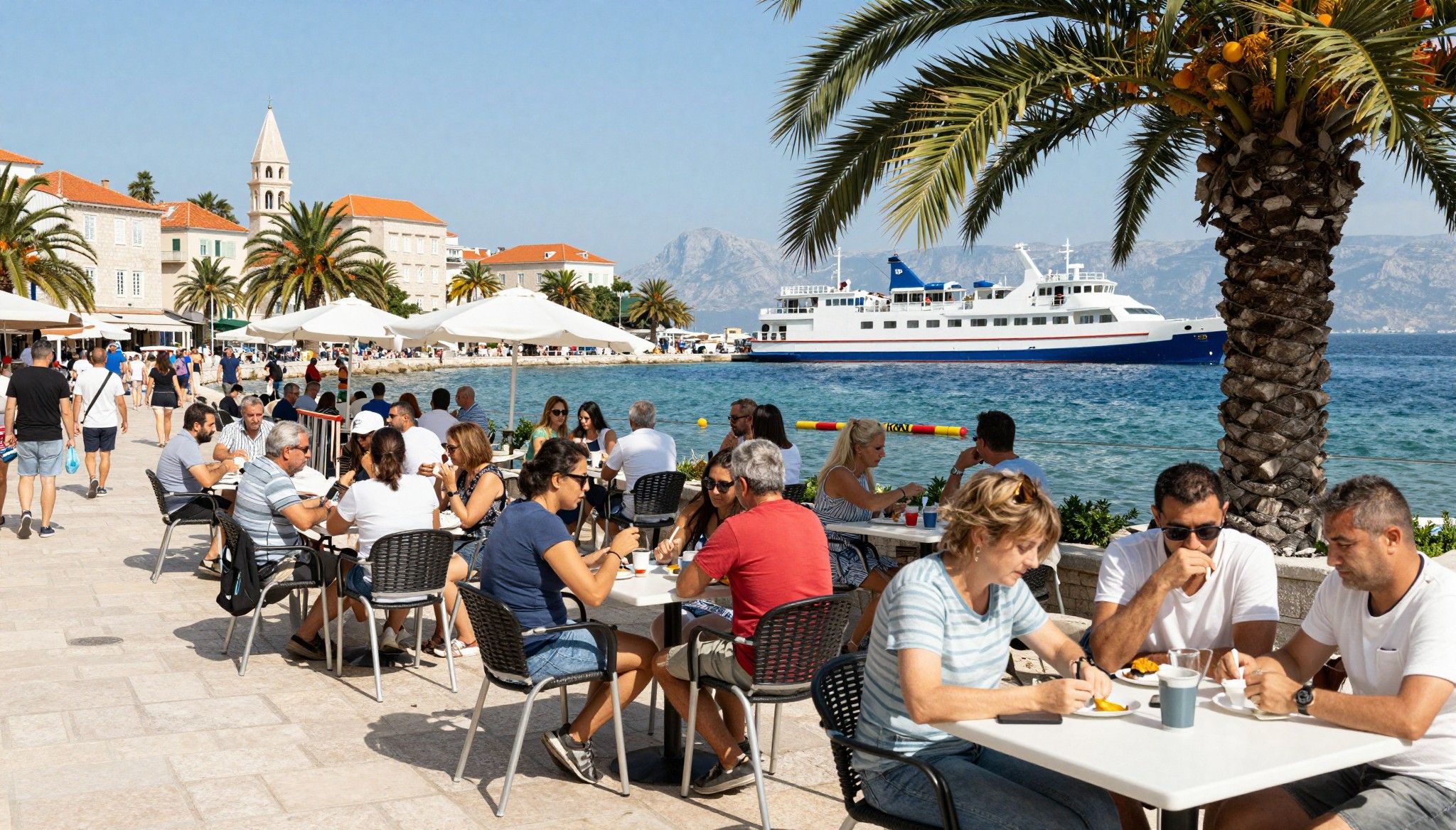
Imagine waking to the clatter of a Thessaloniki kafeneío, or taking a sunrise walk along the marble steps of Plaka before the tour buses arrive. Greece is sensory—sea-salt air, citrus trees, a market that smells of thyme and frying cheese—and that daily texture reshapes investment priorities in ways spreadsheets often miss. Yet lifestyle romance and regulatory detail must live together: buying here means balancing sun-soaked living with transfer taxes, ENFIA charges, and changing residency rules. This article blends local scenes with hard rules so you can love the place and still model returns accurately.
Living the Greek life — what it actually feels like

Daily life in Greece recalibrates priorities. You trade extra living room for a terrace, or a short commute for a neighbourhood where tavernas still know your name. That rhythm matters for investors: properties that perform as rentals are the ones that match local life—compact, outdoor-oriented, and near good bakeries and transport. At the same time, the buyer pays a one-off transfer tax (generally 3% of the taxable value) on purchase, a predictable cost you must fold into acquisition modelling. See official transfer tax guidance for buyers.
Athens, Plaka to Pangrati: city contrasts you can live in
Walk from Plaka's tourist cobbles into Pangrati's coffee lanes and you see why micro-location drives return. Central Athens yields demand from long-term renters (locals and digital nomads) and short-term tourists; islands like Naxos attract family holidayers craving quieter summers. The capital's resale market is deep, while some island markets are shallow and more volatile—an important distinction for liquidity and exit modeling. Recent studies show policy changes (including Golden Visa reforms) shifted investor flows back toward mainland markets, which can compress cap‑rate spreads between regions.
Food, markets and seasons: how Greek life shapes property use
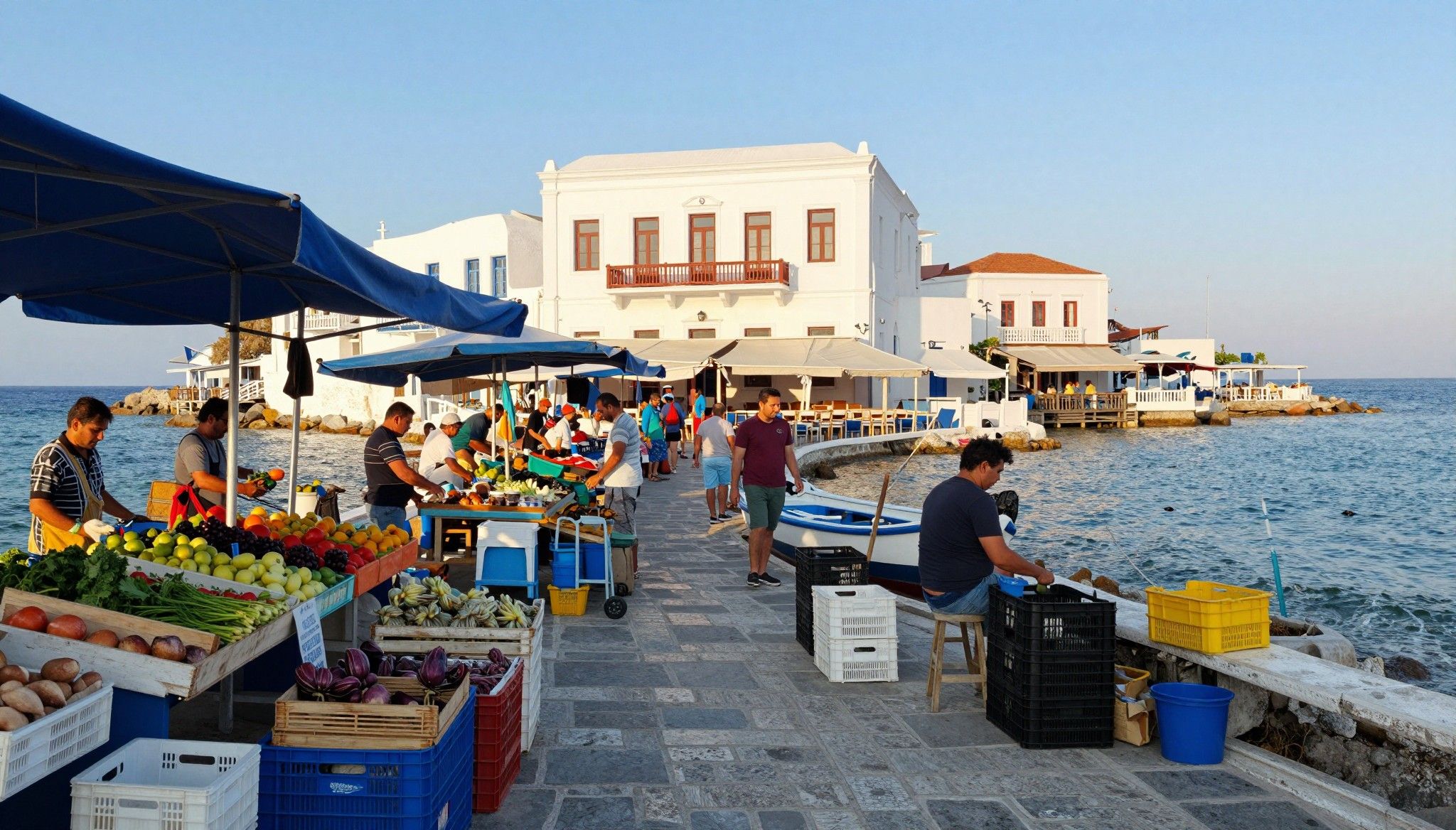
Picture Saturday at Varvakios Market in Athens or the morning fish market in Chania: neighbourhood footfall like this sustains year-round rentals more than island peaks. ENFIA (annual property tax) is charged on cadastral/zonal values and varies by property type and zone, making accurate tax forecasts essential for net yield calculations. Summer inflates perceived demand, but bakeries, markets and schools determine stable tenancy; invest where daily life endures beyond July and August. Use official ENFIA tables when forecasting holding costs.
- Lifestyle highlights that materially affect returns: - Morning market routines (Varvakios, Chania) that sustain neighbourhood commerce - Tram and metro corridors in Athens improving year-round rental appeal - Island micro-seasons: high summer demand, low winter occupancy - Outdoor dining culture that increases value of terraces and courtyards - Local festivals (Easter week, Panigiria) that spike short-term demand - Proximity to regional airports that supports off-season travel
Making the move: key regulatory and fiscal steps

Translating lifestyle choices into a purchase plan means understanding three practical items: acquisition costs, residency implications, and ongoing taxes. Greece’s Golden Visa thresholds were restructured in 2024 with geographic tiers (roughly €800k for prime zones and €400k elsewhere), which changed where certain investors look for assets. Factor these thresholds into demand forecasts: zones subject to high-threshold demand can sustain higher prices and liquidity but may compress yields. Use legal advisories on Golden Visa rules when modelling visa-driven demand.
Property styles and how they meet lifestyle needs
Stone townhouses on Crete, neoclassical flats in Thessaloniki, and modern Athens apartments all support different income profiles. Renovation projects (restorations of heritage units) can unlock lower purchase thresholds for residency schemes but require additional compliance and cost buffers. New builds may be VAT‑able; older resale stock usually triggers the transfer tax. Match property type to tenant profile: families prefer multi-bedroom apartments near schools, digital nomads prefer compact apartments with reliable internet near cafés.
Working with local experts who preserve the lifestyle promise
A Greek lawyer and a tax adviser are non-negotiable: they check encumbrances, confirm cadastral values, and ensure tax clearance certificates before transfer. Local agents who know specific streets—Aghios Nikolaos in Chania or Koukaki in Athens—translate a lifestyle brief into actionable search criteria and realistic price bands. Work with professionals who provide itemised acquisition cost estimates (transfer tax, notary, lawyer, registration fees) so you can compute true cash-on-cash and IRR for the deal.
- Steps to marry lifestyle and legality when buying in Greece: 1. Define lifestyle brief: neighbourhoods, transport, year-round amenities. 2. Instruct a Greek lawyer for title search and tax clearance. 3. Request an itemised acquisition calculator including 3% transfer tax and ENFIA estimates. 4. Model net yields under conservative occupancy and seasonal adjustments. 5. Close with escrow arrangements and register title at the Land Registry (Ktimatologio).
Insider knowledge: red flags, myths and expat realities
Myth: 'Islands always outperform the mainland.' Reality: islands can deliver spectacular summer occupancy but weak off-season liquidity and higher maintenance costs. Red flag: properties without clear cadastral registration or outstanding tax debts; these create delays and unexpected costs. Expat lesson: learning a few Greek phrases smooths daily life, but for legal and tax work you need professionals who write in English and Greek and provide certified translations of documents.
Cultural notes that change how you use a property
Community ties in Greece matter: a local association (sillogos) can decide festival usage of shared courtyards, and neighbours expect participation in communal maintenance. That social capital affects long-term tenancy and the cost of managing communal areas in apartments (koinoxristes). Understand HOA norms before you buy; they affect both living happiness and operating expense assumptions.
Long-term picture: how lifestyle choices age with the property
If you plan to live in Greece long term, consider the Non-Dom regime: a flat annual tax option on foreign-sourced income that can materially improve tax efficiency for high-net-worth individuals. That choice affects whether you hold property personally or via holding structures, and it changes the after-tax yield calculus. Always run a 5–10 year after-tax cashflow model including ENFIA, municipal levies, insurance and likely maintenance for Greek masonry and coastal exposure.
- Practical red flags to watch (quick checklist): - Missing cadastral (ktimatologio) registration or unclear boundaries - Unpaid municipal taxes or utility liens - Properties in restricted border/strategic zones requiring permits - Overreliance on seasonal holiday rents in islands with low off-season demand - Sellers requesting unusual escrow arrangements or large cash payments
Conclusion: Greece rewards investors who pair romance with rigor. Seek neighbourhoods where daily life supports year-round demand, fold transfer tax (3%), ENFIA and realistic maintenance into your models, and use local lawyers and tax advisers to defend title and forecast post-purchase costs. If your brief values terraces, markets and easy access to regional airports, those lifestyle choices map directly to more resilient returns. When you’re ready, local advisors can convert that lifestyle brief into a measurable acquisition plan—so you get both the life and the numbers to back it.
Norwegian market analyst who relocated from Oslo to Mallorca in 2016, guiding Northern buyers through regulatory risk, currency hedging, and rentability.