How Croatia’s New Rules Reprice Coastal Yields
Regulatory shifts — EU STR registration, clarified foreign‑buyer rules, and tax updates — are reshaping Croatian returns; model yields with a compliance buffer and local counsel.
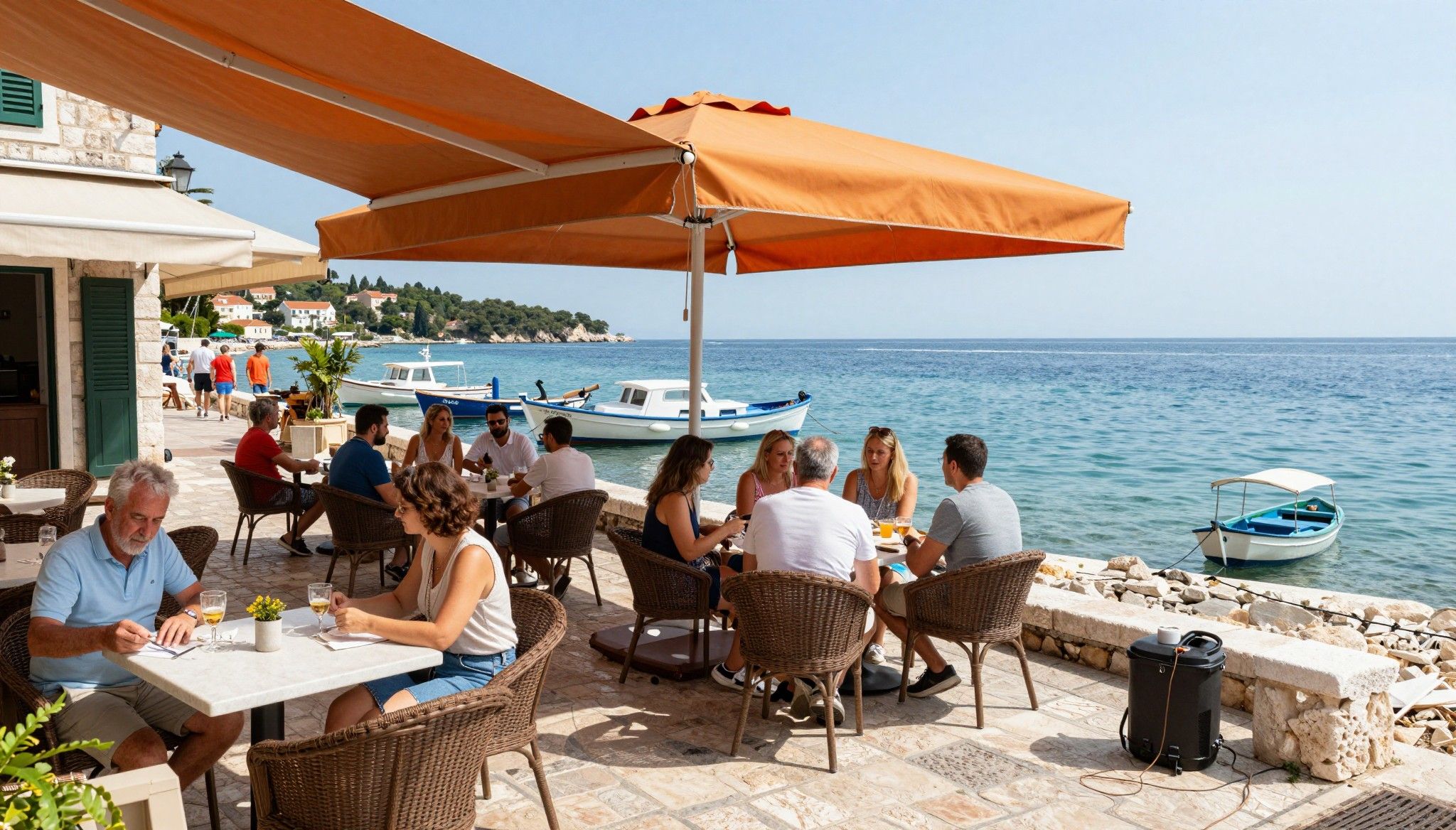
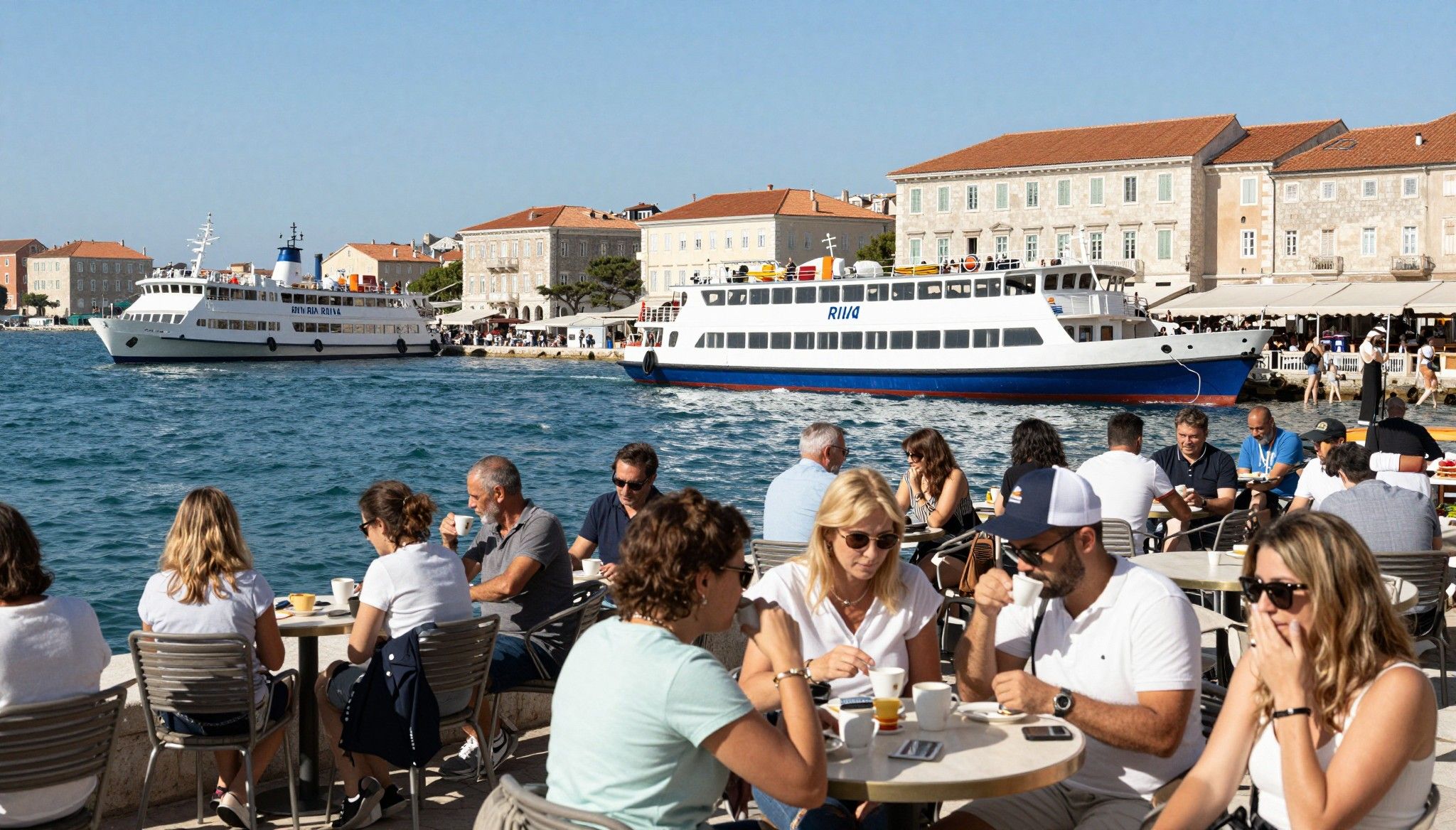
Imagine sipping an espresso on Split’s Riva at 09:00, then signing a purchase contract in a stone office by 14:00 — life in Croatia moves between slow coastal rituals and tightly regulated paperwork. Recent regulatory shifts — from harmonised EU short‑term rental rules to clarified foreign‑buyer procedures and updated tax guidance — are already reshaping returns and ownership risk. This guide mixes the scent of the Adriatic with the legal fine print you’ll need to make a confident purchase.
Living Croatia: daily rhythms that sell the place
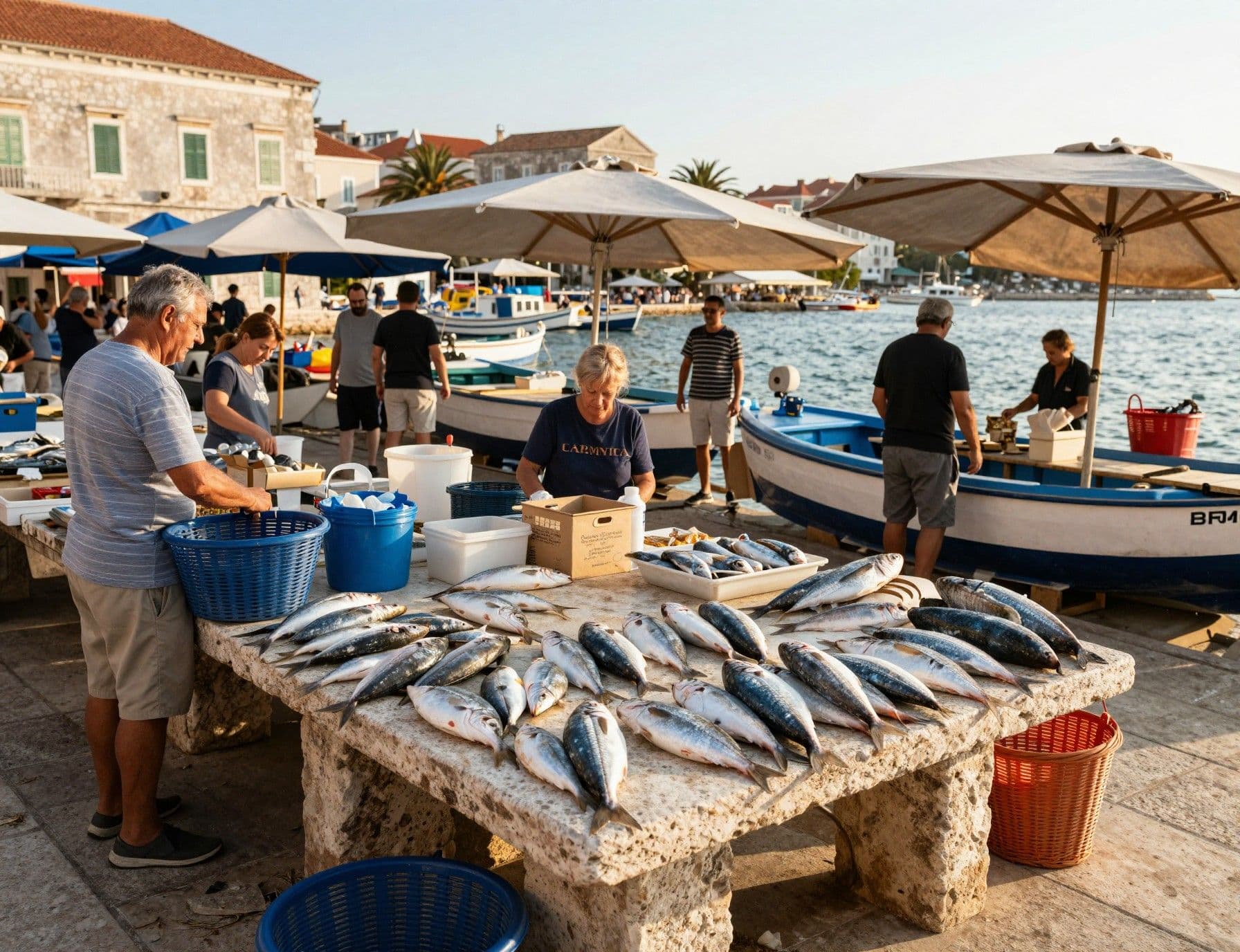
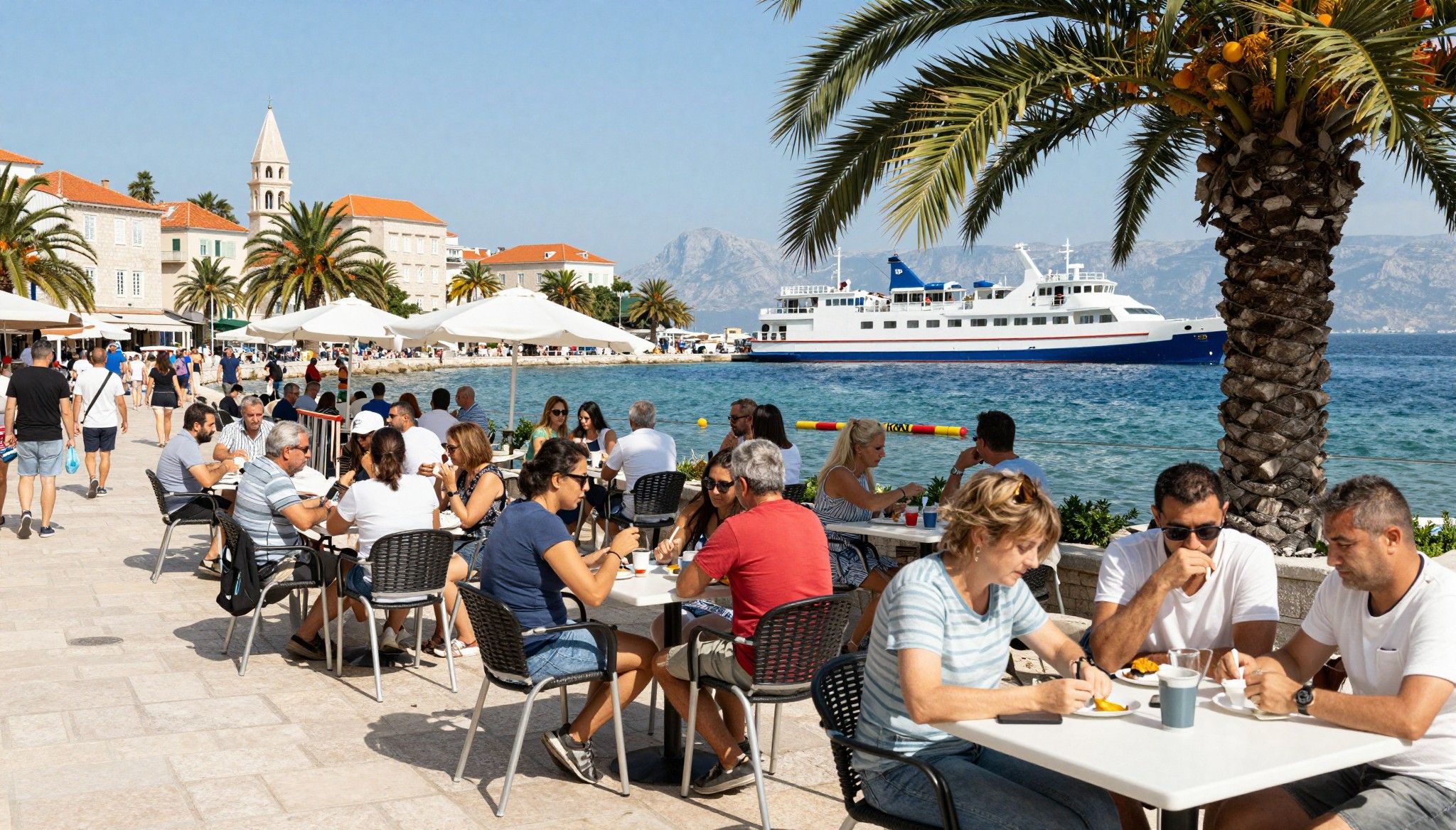
Croatia is a mosaic: medieval cores (Dubrovnik’s limestone streets), working harbours (Rijeka, Split) and sleepy island villages (Hvar’s inland hamlets). Days are often paced by markets — fishmongers hauling the morning catch, bakers with fresh burek — and evenings gather around small family tavernas (konoba). For an investor, the lifestyle translates into strong seasonal rental demand on the coast but steadier, underpriced year‑round demand in regional university towns such as Rijeka and Osijek.
Neighborhood spotlight — Split: Varoš to Bačvice
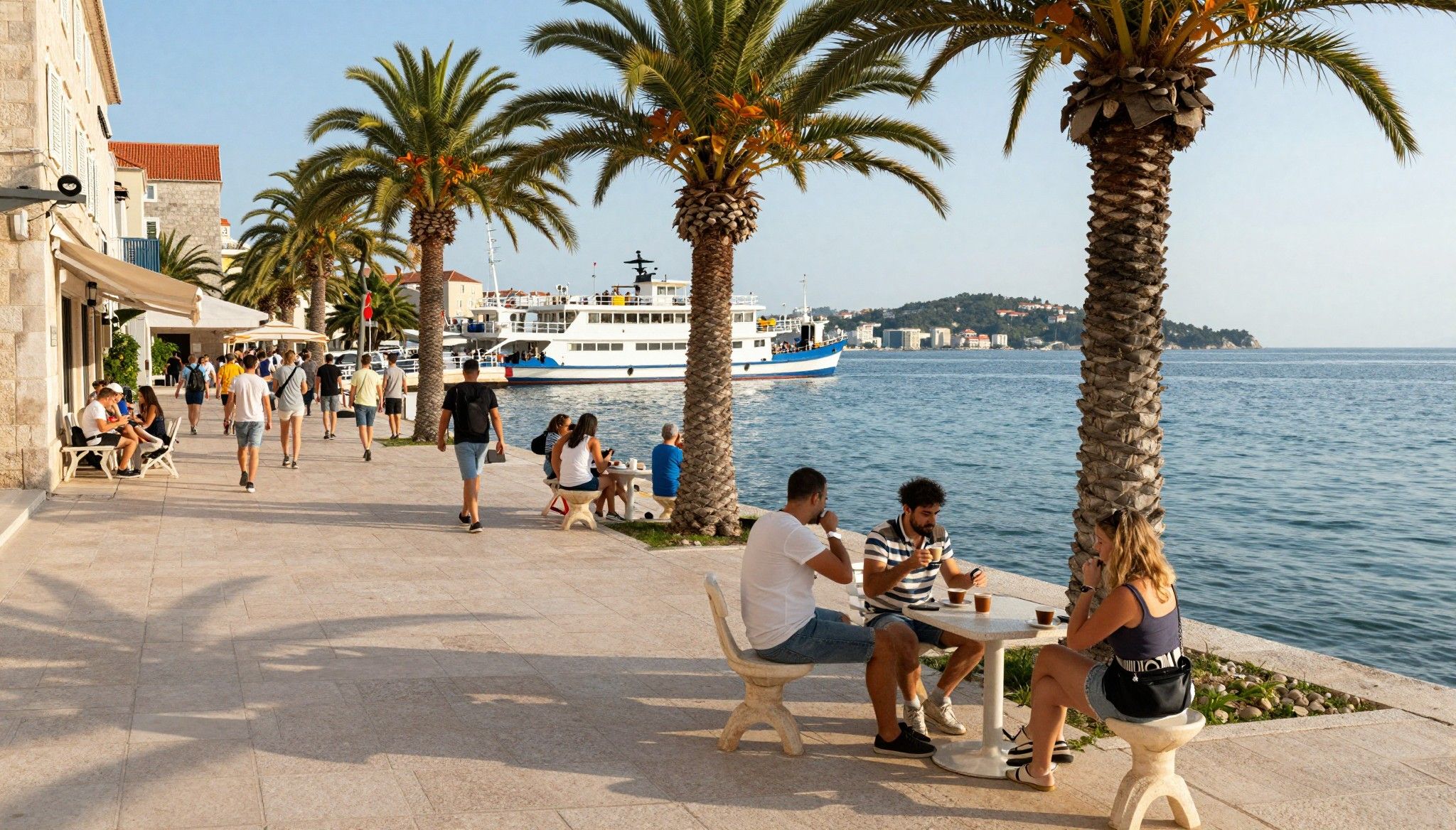
Walk Varoš and you see narrow lanes, 18th‑century houses and renters who prize proximity to the ferry and cafés; Bačvice offers beaches and an all‑season nightlife. A small two‑bed in Varoš converts easily between mid‑term student lets in winter and high‑yield short‑term bookings in summer — but regulatory changes to short‑term hosting mean you must now consider compliance overhead as part of yield calculations.
Food, ritual and seasonality — what really drives demand
From konoba dining in Istria to island olive‑oil festivals, Croatia’s calendar creates predictable rental peaks. But starting in 2027 hosts will need registration numbers and must report listings to national registers under EU Regulation 2024/1028, increasing compliance costs and enforcement risk for casual hosts. Treat festivals and truffle season as yield accelerators — not substitutes for compliant operations.
- Lifestyle highlights that impact investment thesis:
- Morning fish market in Split (Pazar) — reliable demand for central apartments.
- University semesters in Rijeka and Zagreb — winter student occupancy stabilises cash flow.
- Annual festivals (Dubrovnik Summer, Motovun Film) — short windows of price premiums that require compliant listings.
Making the move: regulatory changes that reprice returns
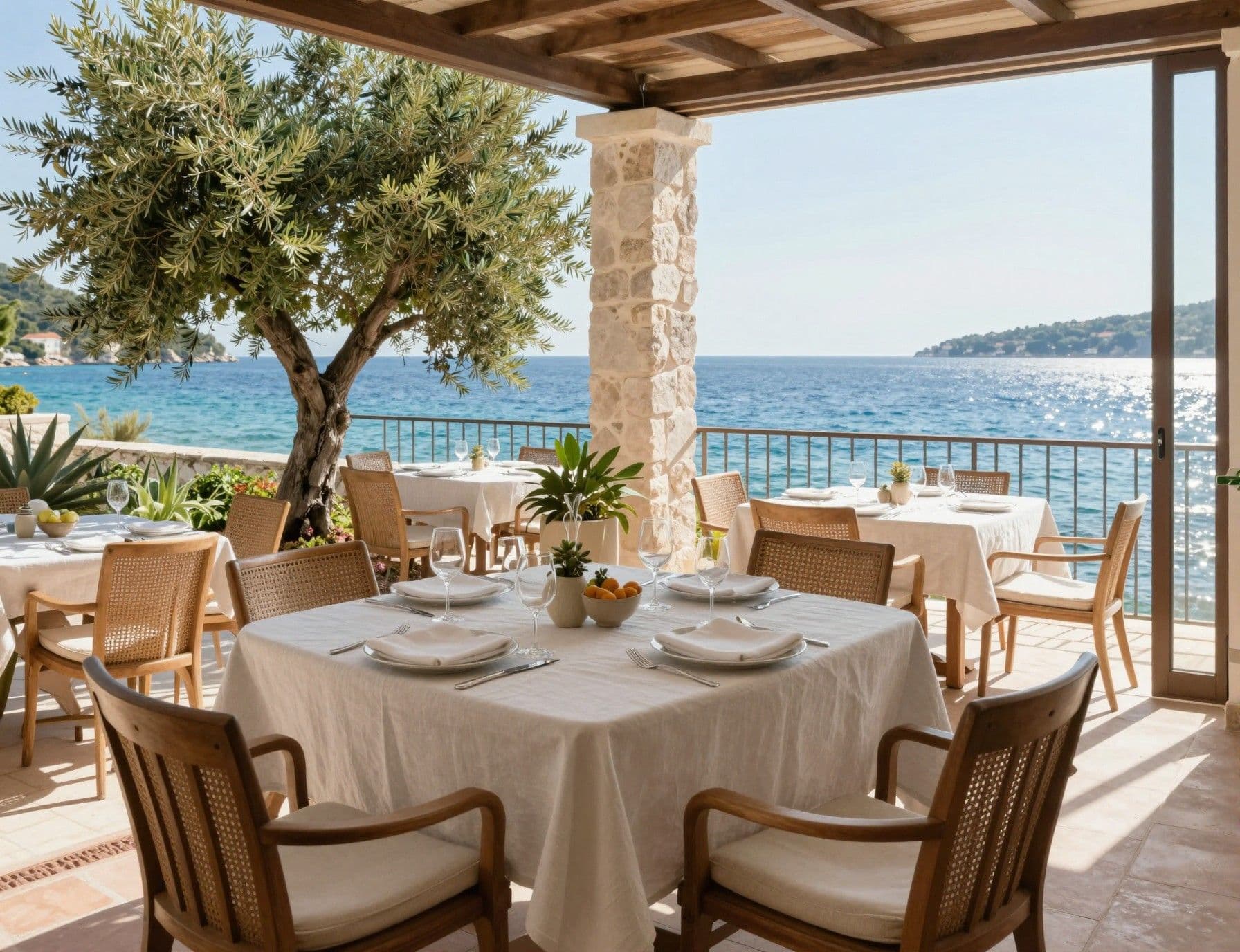
Recent clarifications from Croatian authorities and EU coordination mean three practical changes for buyers: (1) EU citizens generally acquire property under equal terms but restricted zones remain; (2) harmonised short‑term rental registration will force hosts to register and report listings; (3) transfer and capital gains tax treatments are clarified and, in some cases, indexed or refunded for certain buyers. Each change affects net yield and operational risk differently.
Who can buy — and where the hidden exclusions live
EU citizens and entities from EEA states can buy on essentially equal footing, but restrictions persist for non‑EEA nationals and for properties in strategic locations or agricultural land. Ministerial consent procedures still apply in edge cases; don’t assume 'open market' equals unconditional access — check parcel classification and defence‑sensitive maps before bidding.
Short‑term rentals: compliance costs that subtract from headline yields
EU Regulation 2024/1028 requires member states to introduce host registration and data sharing. Croatia plans a national registration number system (eTourism) and local rules (co‑owner consent in recent building management law) that can make listing condominium units administratively impossible without neighbours’ approval. Model yields should therefore subtract expected compliance and enforcement costs (licenses, local fees, potential fines).
- Checklist to translate lifestyle into a compliant yield model:
- 1) Confirm buyer eligibility for the exact parcel via public registers and, if non‑EEA, check ministerial consent timelines (allow 6–12 months).
- 2) Model yields with a compliance buffer (typically 8–15% of gross short‑term revenue) to cover registration, administrative reporting, and possible neighbourhood restrictions.
- 3) For coastal flats in holiday hotspots, run a dual scenario — STR (seasonal high, six months occupancy) vs long‑term lease (stable year‑round) — and stress test on off‑season vacancy.
Insider knowledge: what expats wish they'd been told
Expat owners often underestimate neighbourhood governance. Co‑ownership rules can block short‑term letting even when national law permits it. They also overestimate summer rates as a proxy for annual returns. Local networks, a bilingual lawyer and an agency that understands municipal nuance are not luxuries — they are yield preservation tools.
Cultural realities that change where you buy
Communities value reputation and long‑term neighbours; loud short‑term operations can prompt local restrictions. Properties on small islands may offer spectacular summers but face prohibitive winter maintenance and connectivity costs. If you want both lifestyle and dependable yield, prioritise towns with year‑round employment (Zagreb suburbs, Rijeka, Pula) over tiny island hamlets.
Longer‑term trends to watch (policy and demand)
Look for three policy vectors: municipal limits on tourist density, national tax adjustments affecting capital gains and transfer taxes, and EU data‑sharing enforcement that tightens short‑term rental markets. These will favour professionally managed portfolios and diversified holdings (mix of coastal seasonal and inland long‑term assets).
- Practical next steps for data‑minded buyers:
- Engage a Croatian tax advisor to build a post‑tax yield model that includes transfer tax (3% typical) and potential capital gains exposure.
- Request municipality confirmation about co‑owner consent rules and any planned local tourist caps before offer.
- Factor registration timelines for non‑EEA buyers (ministerial consent) into closing dates and financing plans.
Conclusion: Croatia sells itself through sea and stone, but the returns you expect come from paperwork as much as place. Treat regulatory change — EU short‑term rental harmonisation, clarified buyer rules, and evolving tax guidance — as a re‑pricing event: one that rewards disciplined modelling and local expertise. If the lifestyle is why you fell in love, let rigorous due diligence preserve the yield that will keep you here.
Norwegian market analyst who relocated from Oslo to Mallorca in 2016, guiding Northern buyers through regulatory risk, currency hedging, and rentability.