Why Croatia’s Summer Illusion Reprices Risk
Why the summer‑heavy demand that powers Croatian coastal prices can leave international buyers exposed — run sensitivity tests that cut peak income by half.
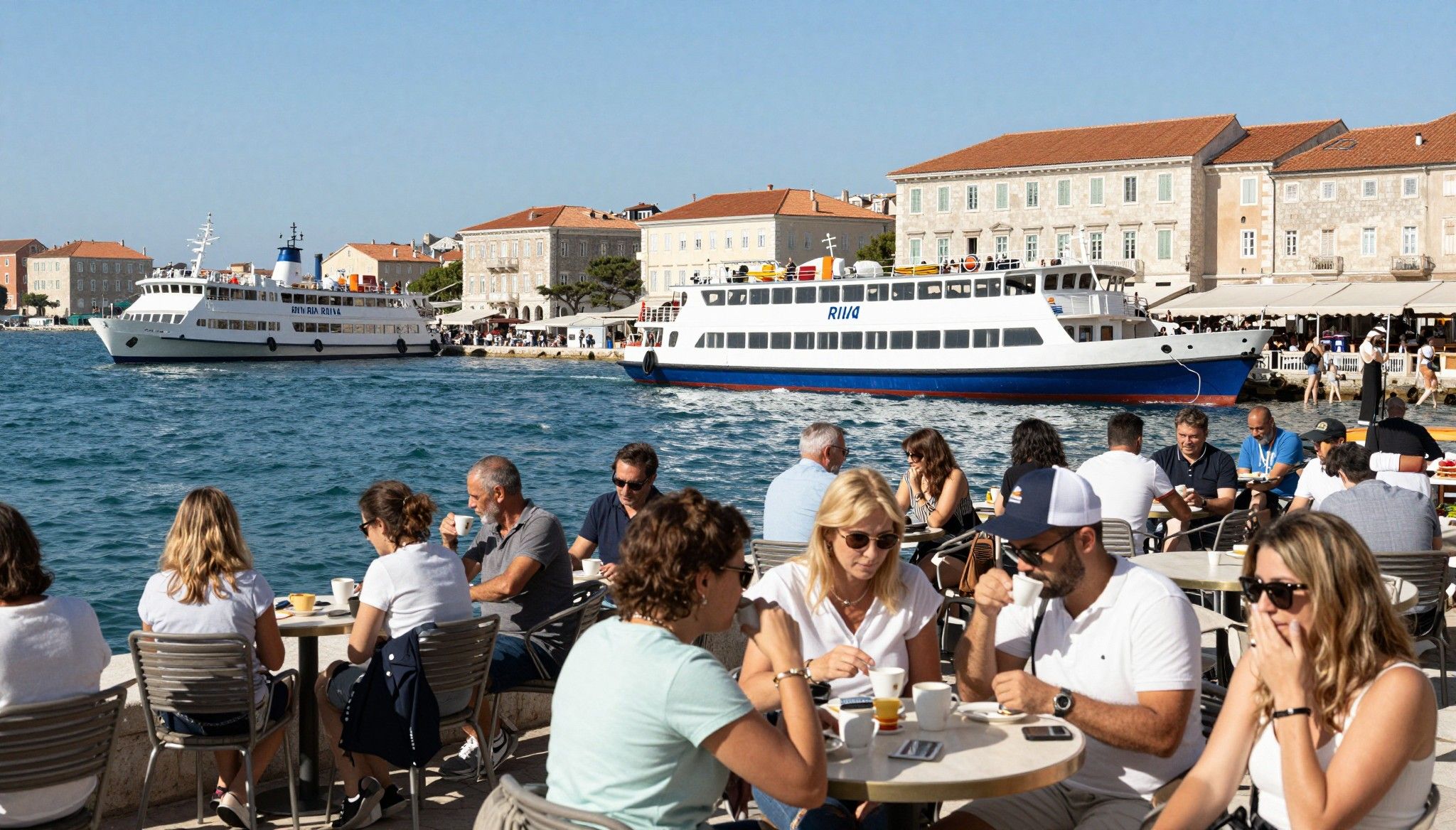
Imagine sipping espresso at Split’s Riva at 8am, then signing an offer on a stone apartment by lunchtime — that contrast between laid‑back coastal life and brisk, data‑driven property decisions defines Croatia. Recent market analysis shows fast coastal price growth, heavy seasonality and measurable yield compression, so the dream needs a disciplined risk plan. We unpack how the summer illusion — high tourist demand and inflated short‑term rental projections — can reprice returns and create material downside for international buyers if sensitivity to seasonality and regulatory shifts is ignored.
Living the Croatia lifestyle

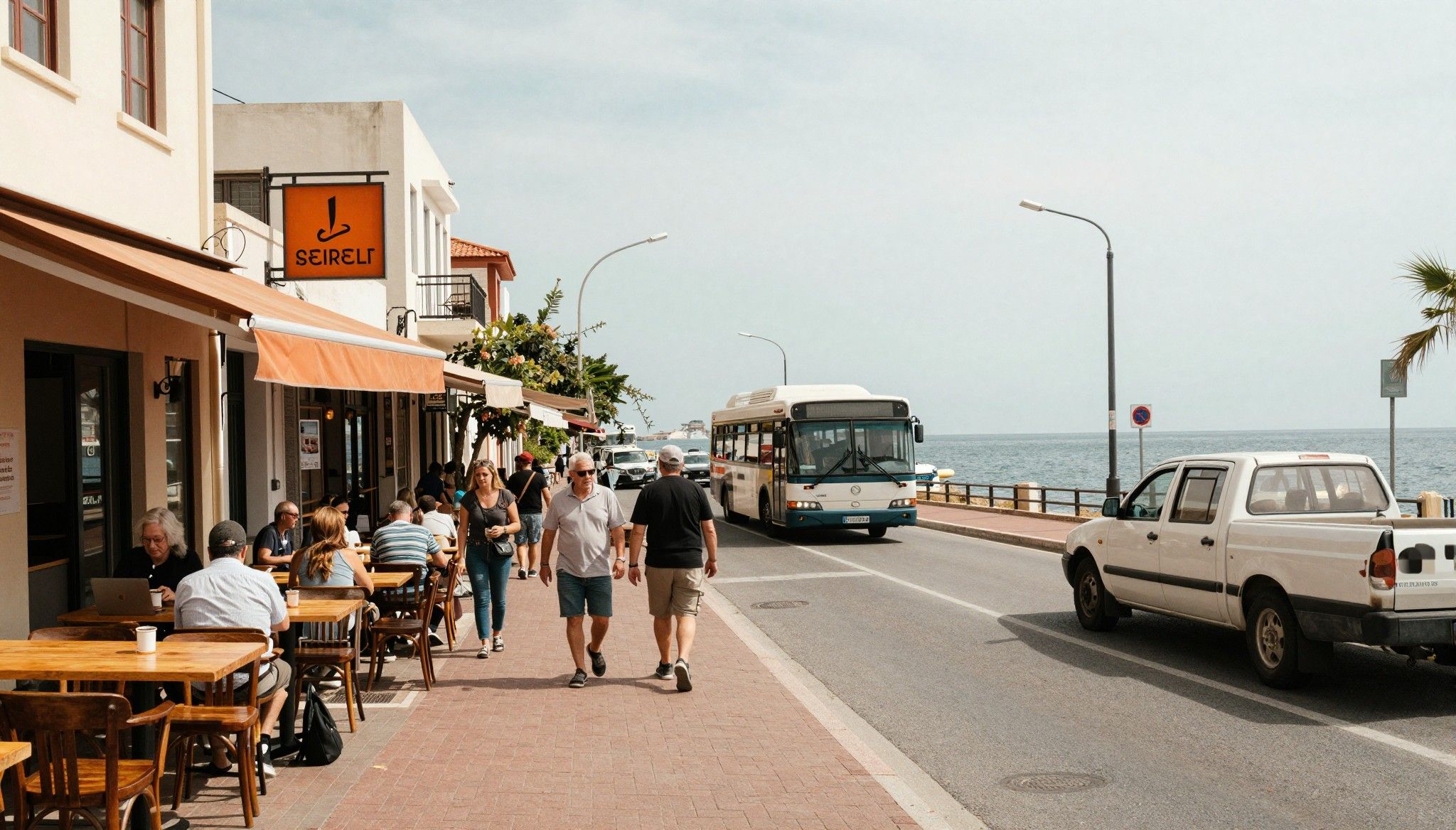
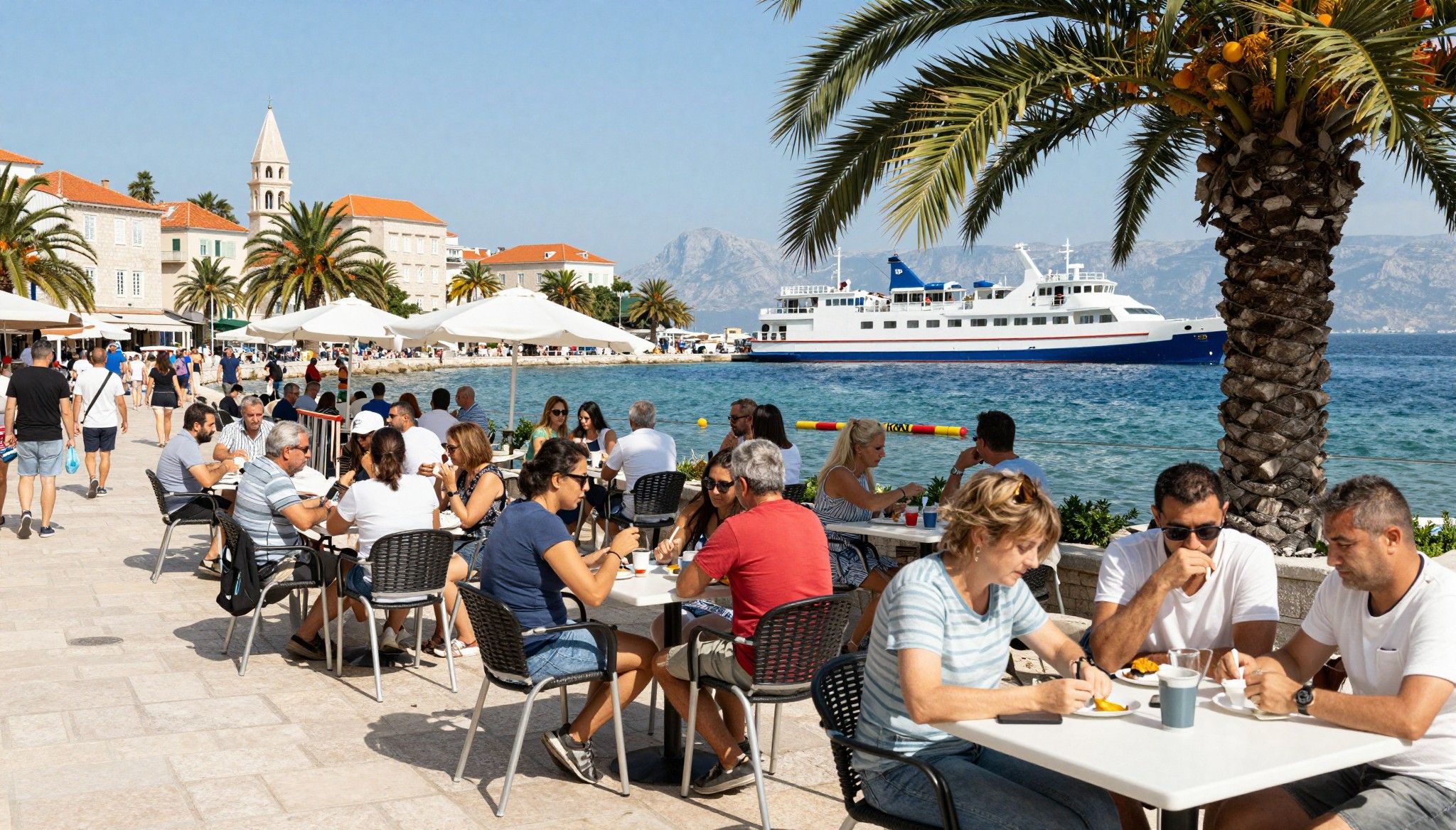
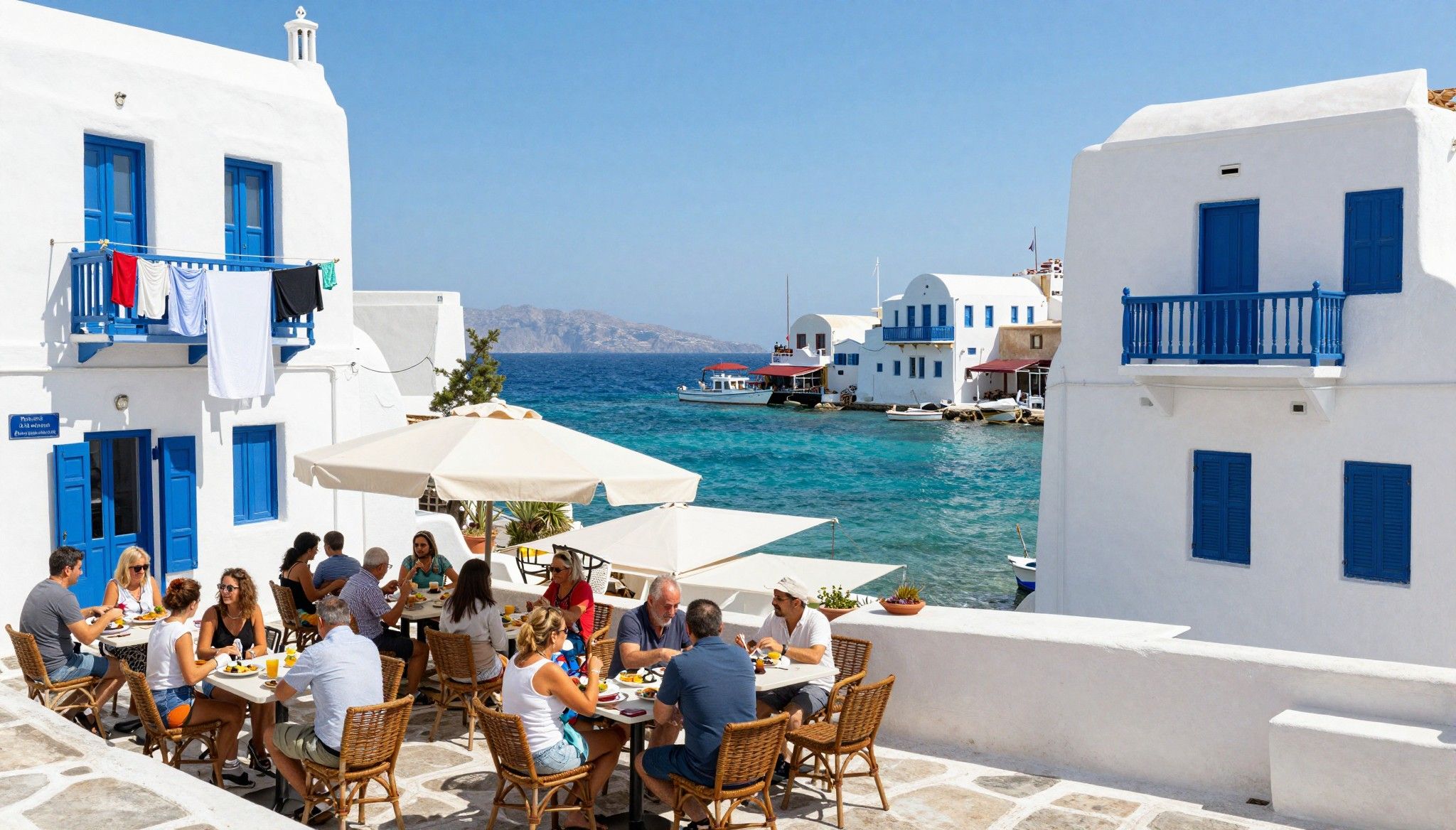
Croatia feels like two countries coexisting: compact, ancient coastal towns where life orbits the sea, and quieter inland cities where local routines rule. Mornings in Dubrovnik and Hvar begin with bakers and fishermen; afternoons fill with cafés and markets; evenings with seafood and low, convivial chatter. The Adriatic’s clarity and the patchwork of islands shape daily rhythms — ferries, seasonal workers, and a summer calendar of festivals determine footfall and rental demand.
Neighborhood spotlight: Old Town Dubrovnik vs. Split’s Veli Varoš
Dubrovnik’s Old Town is unmistakable — UNESCO walls, narrow limestone alleys and a tourist cadence that peaks mid‑July to August. Veli Varoš in Split is quieter, local, and attractive to year‑round renters: morning markets, family taverns, and commuters to the port. For buyers that want steady long‑term occupancy, neighborhoods like Veli Varoš often outperform headline seaside locations because demand is more evenly distributed across the year.
Food, markets and weekend life
Food bridges lifestyle and investment: stone markets in Zadar, fish stalls in Pula, and olive oil producers on Istria create micro‑clusters where short‑term stays command premiums. But these premiums evaporate off‑season. Buyers should map culinary corridors to tenancy profiles: areas centered on year‑round markets typically sustain longer leases and steadier income.
- Lifestyle highlights to test before you buy:
- Stroll the Riva, Split — observe year‑round vs. summer footfall
- Visit Veli Varoš early morning market and talk to shop owners about winter trade
- Spend a weekday in a coastal village off‑peak to feel vacancy and services
Making the move: practical considerations

Lifestyle matters — but so do registration, regulation and yields. Croatia offers EU buyers near‑parity with locals and a clearer legal path than many non‑EU Mediterranean markets, yet administrative friction for non‑EU buyers and shifting tourism rules can materially change cash‑flow expectations. Use official sources to confirm who can buy, what needs ministerial consent, and the transfer tax you’ll face.
Property styles and how they affect returns
Stone historic apartments attract premium nightly rates but require higher capex (restoration, insulation, building permits). Modern builds in urban centres cost more per square metre in Zagreb but yield steadier long‑term contracts. Coastal asking prices can exceed €4,000/m² in Dalmatia; inland and smaller towns trade at materially lower levels — a core lever for risk control is price per square metre vs. achievable year‑round rent.
Working with local experts who know both data and seasonality
Agencies that combine local market knowledge with financial models are non‑negotiable. Ask for: time‑series rental performance (monthly), maintenance history for older buildings, evidence of winter occupancy, and sensitivity sheets that stress‑test yields under lower occupancy and stricter short‑term rental rules. A good agent will present both peak summer IRR and conservative 12‑month operating yield.
- Practical checklist blending lifestyle and financials:
- Request monthly occupancy and net income for the past three years.
- Model yields under 40–60% of peak summer rates to test downside.
- Verify legal status and permit requirements with a Croatian lawyer (ministerial approval for non‑EU buyers can take months).
- Include realistic maintenance (stone façades, humidity control) and insurance loads in TCO (total cost of ownership).
Insider knowledge: risk, sensitivity and the summer illusion
Croatia’s headline: rapid coastal price growth and tourism‑driven demand. Gross yields have compressed — recent surveys put country averages near 4–4.5% with variance by city — while coastal asking prices can spike much higher. That gap between headline summer income and conservative year‑round return is the primary risk for international buyers who anchor valuations to peak months.
Three sensitivity scenarios every buyer must run
Run a base case (current occupancy and prices), a conservative case (50% of peak summer income), and a stress case (50% occupancy with 20% higher maintenance and 10% regulatory cost). For many Adriatic properties the conservative case cuts net yield by half; the stress case can produce negative cashflow unless purchase pricing or financing is adjusted.
- Key risk factors to model:
- Seasonality: peak months provide most revenue; off‑season vacancy matters.
- Regulatory change: short‑term rental rules can change occupancy economics quickly.
- Building condition: restoration and moisture control are frequent cost drivers.
What expats wish they'd known
Expats often overestimate winter demand and underestimate running costs. Common regrets include buying square metres at peak summer prices, under‑insuring for storm and humidity damage, and neglecting legal checks on short‑term rental permissions. Buyers who spent a winter living in the area before closing had far fewer surprises.
Conclusion — how to make the lifestyle stick without accepting undue risk: treat coastal Croatia as a high‑season‑skewed cash flow asset. Prioritize price per m², require month‑by‑month operating histories, stress‑test yields at 40–60% of peak summer income, and secure local legal counsel for purchase approvals. If you want the Adriatic lifestyle but stable returns, consider towns with year‑round economies — Split’s residential quarters, parts of Istria’s interior, or Zagreb neighbourhoods where occupancy is steady. Bring a rational model to a romantic purchase and the two will coexist.
British expat who moved to the Algarve in 2014. Specializes in portfolio-focused analysis, yields, and tax planning for UK buyers investing abroad.