Coastal Croatia: When Tourist Heat Masks Yield Opportunities
Coastal Croatia blends irresistible Mediterranean life with concentrated, season-driven returns—learn which neighbourhoods give steady yields and which are tourism-priced outliers.
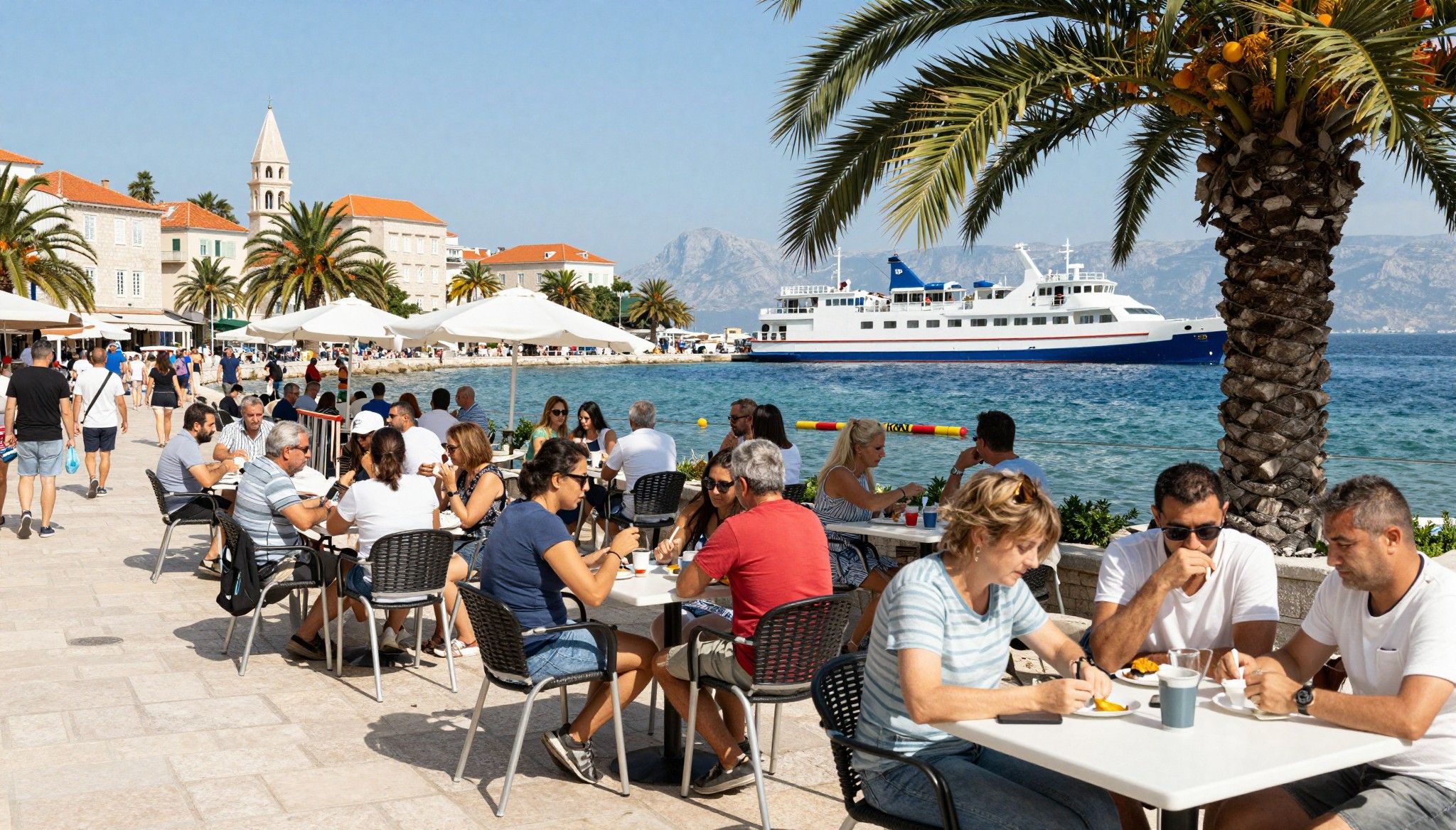
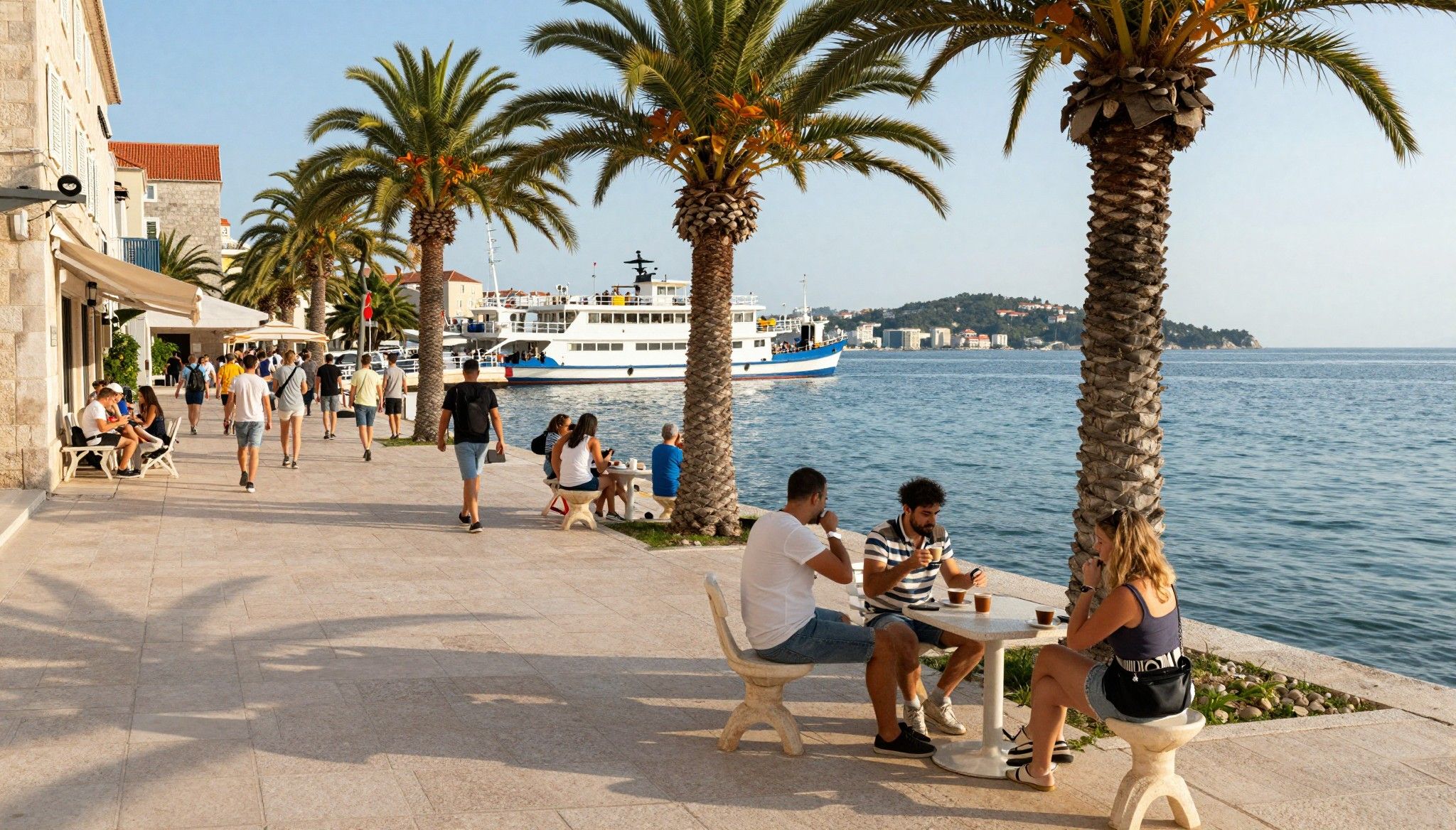
Imagine sipping espresso on Split’s Riva before sliding into a late-afternoon ferry to Brač — then running the numbers on whether that coastal apartment covers its mortgage from short-term lets. Croatia sells a lived-in Mediterranean life, but beneath the postcards are measurable forces — tourism density, regional price dispersion and shifting tax signals — that truly determine return.
Living Croatia: rhythms, places and what feels like home
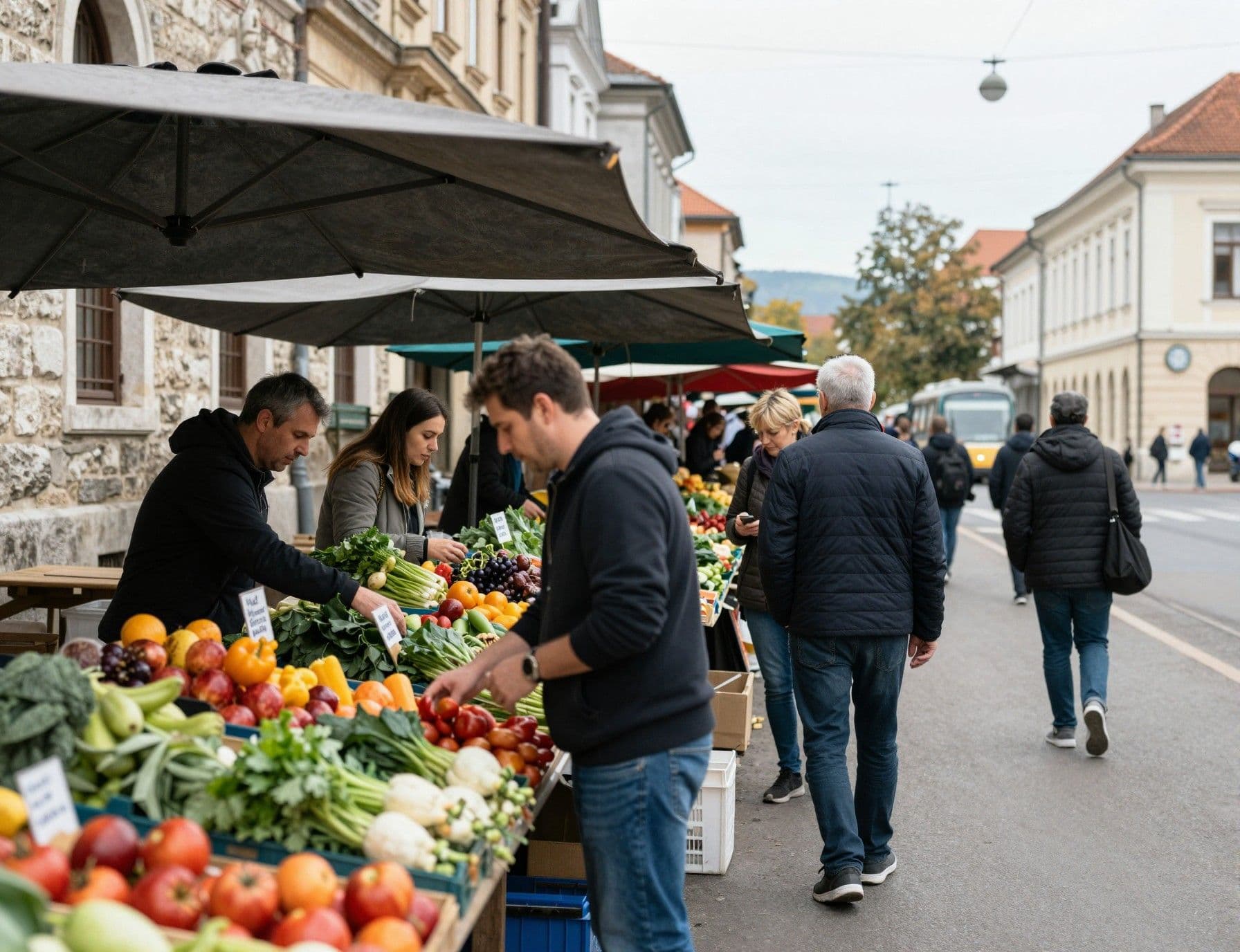
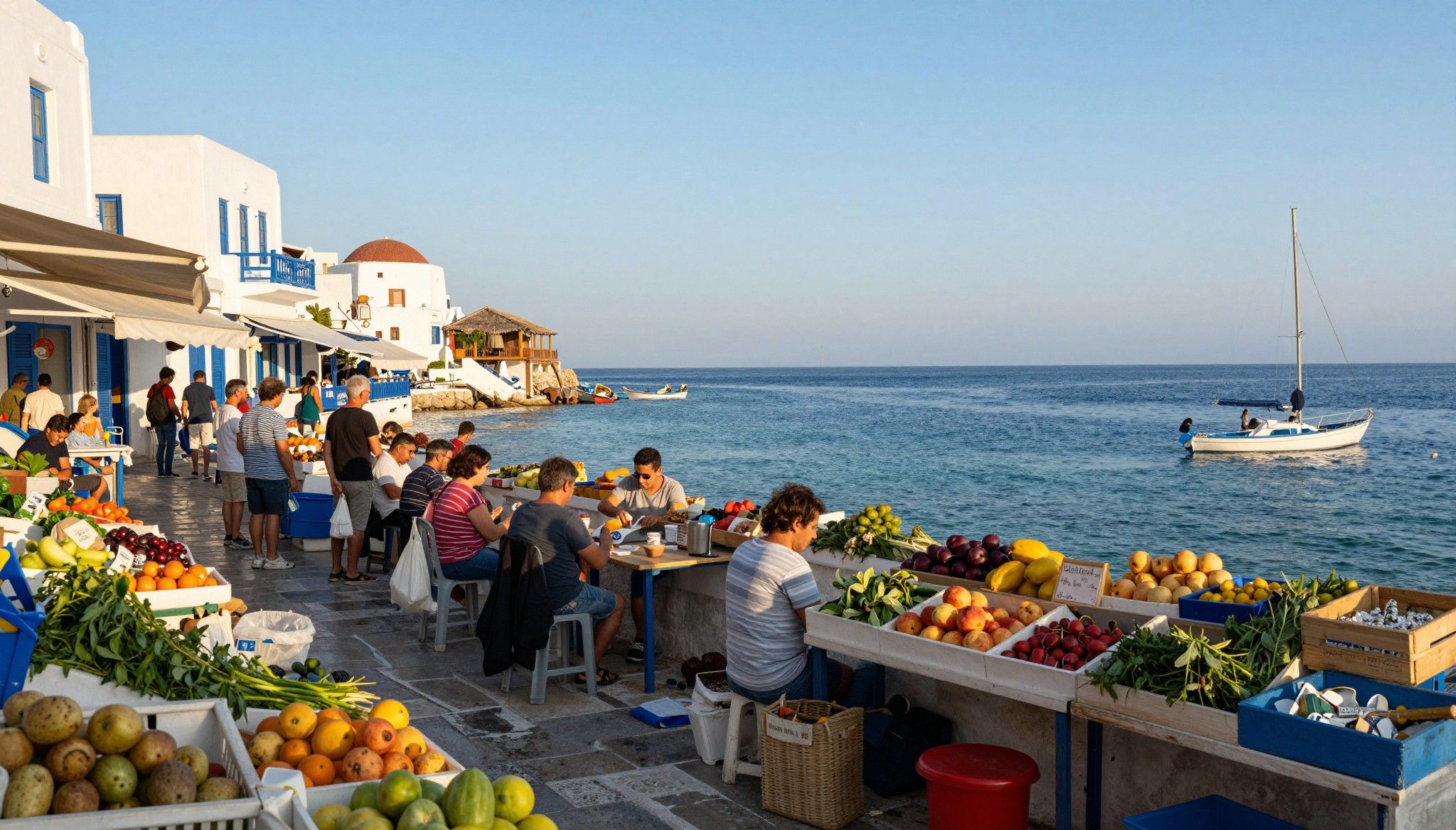
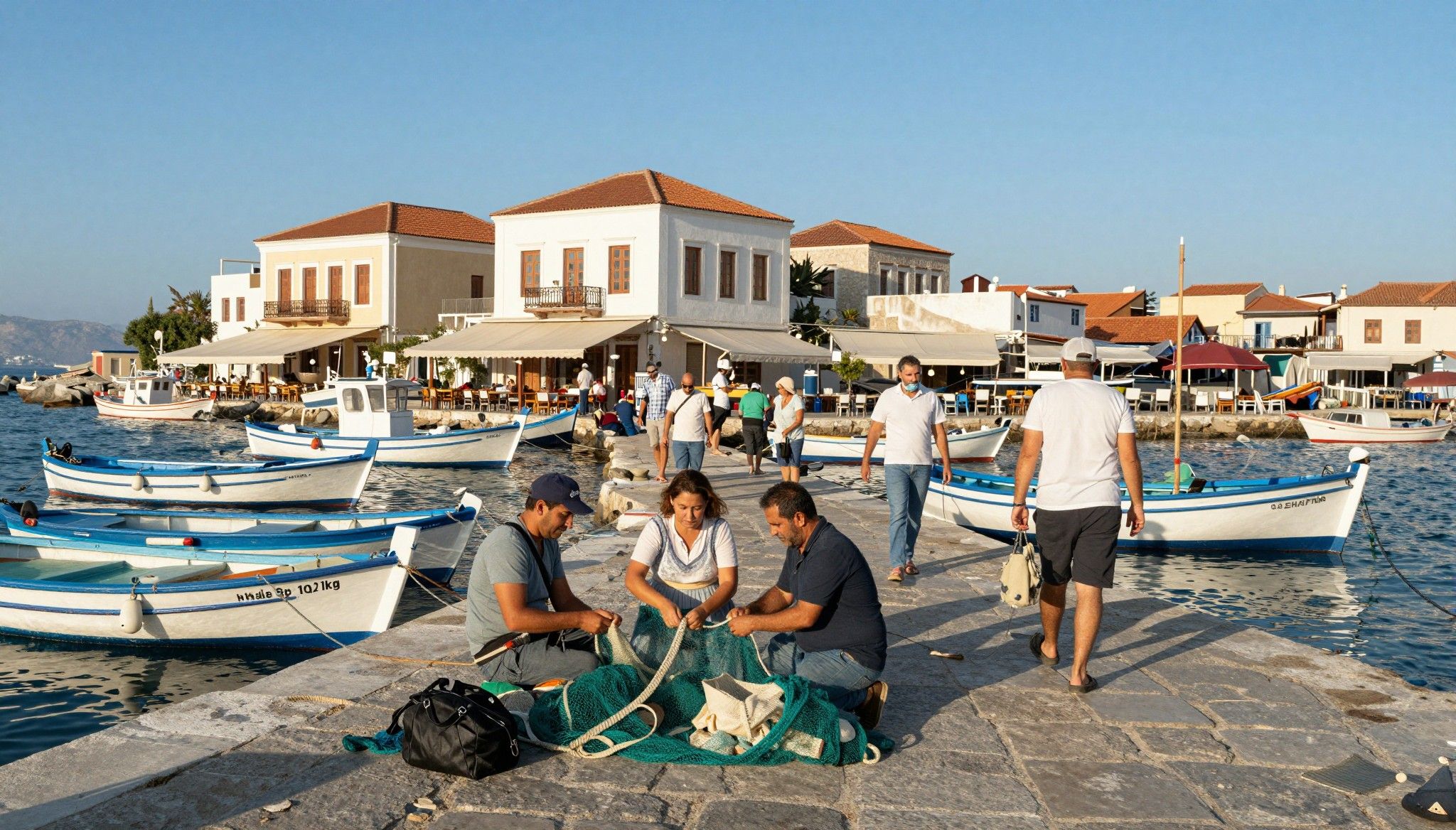
Day-to-day life in Croatia balances two tempos: urban mornings in Zagreb’s neighbourhood cafés and slow, late-summer afternoons on Dalmatian promenades. Streets are punctuated by markets (Dolac in Zagreb), fishmongers along Split’s waterfront and village bakeries on Hvar. For buyers, the appeal is tactile — stone façades, sea-salted air and walkable old towns — and these sensory factors drive demand that translates to quantifiable price premiums on the Adriatic coast.
Zagreb, Split, Dubrovnik: three different lifestyles
Zagreb feels civic and year-round: steady rental demand from students and professionals. Split is mixed — a working city with heavy seasonal tourism that lifts coastal prices (average asking prices in some Split districts exceed €6,000/m²). Dubrovnik’s global fame means high per-square‑metre premiums and pronounced seasonality; expect outlier pricing rather than average market behaviour.
Food, markets and weekend life that shape neighbourhood value
Markets and restaurants matter for longer-term demand. Regions with year-round markets and strong local economies (Opatija, Rijeka hinterlands) show more resilient rent floors than towns that peak only in July and August. Croatia welcomed over 21 million visitors in 2024, and that visitor map explains coastal price concentration and the seasonal shape of returns.
- Lifestyle highlights: Dolac market (Zagreb); Riva promenade (Split); Buža bars (Dubrovnik cliffs); Opatija Lungomare walks; Hvar town cafés; Korčula old town evenings.
Making the move: practical considerations that preserve lifestyle returns
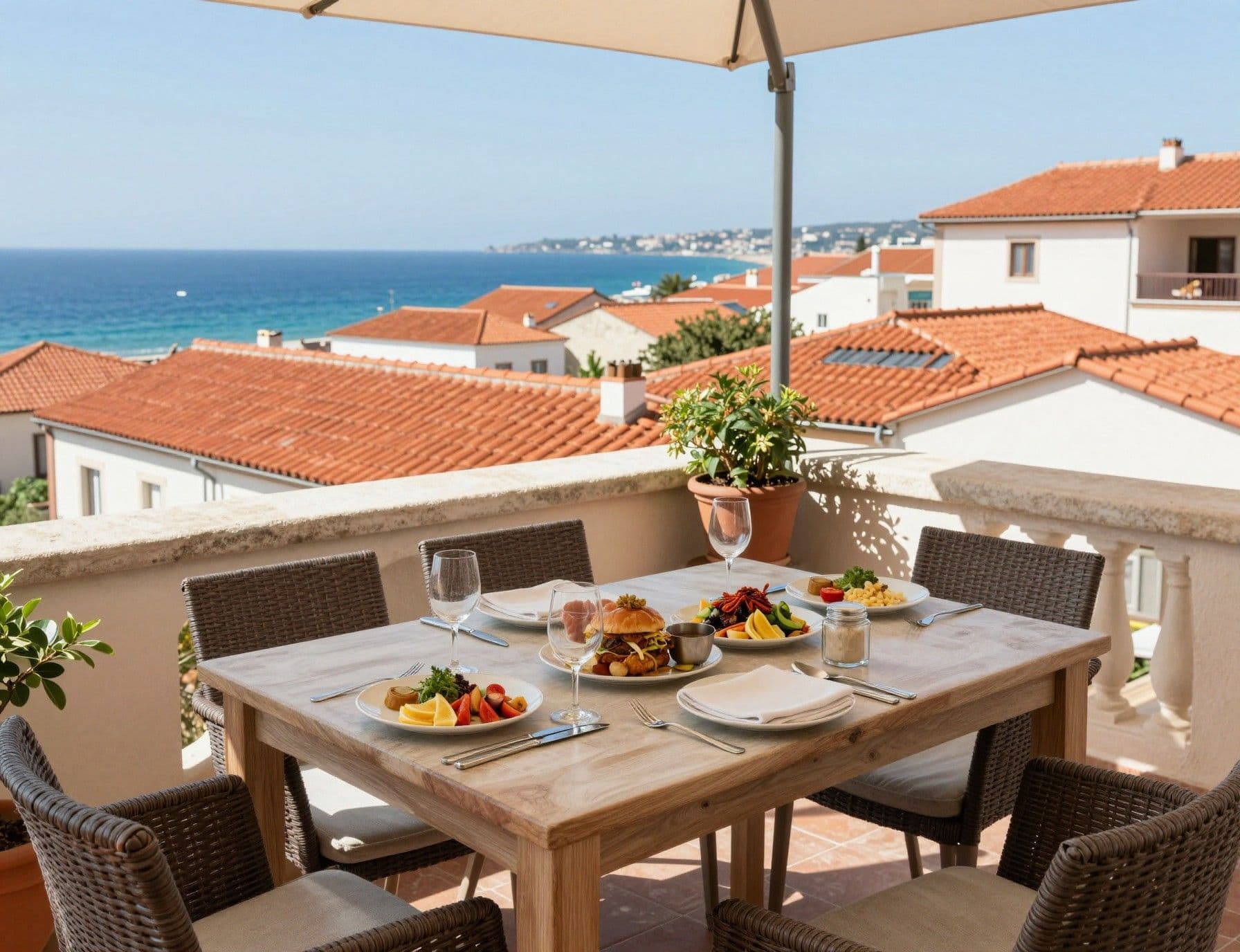
Turning that seaside fantasy into an investment requires aligning lifestyle targets with metrics: price per square metre, seasonal occupancy, and realistic gross yields. Croatia’s house price index has shown double‑digit year‑on‑year growth in recent quarters, driven by coastal demand and limited supply in heritage cores — a reason to expect capital concentration more than broad-based appreciation.
Property types and what they mean for use and yield
Historic apartments in UNESCO or old-town zones command high nightly rates but carry refurbishment challenges, strict conservation rules, and management overhead. Newly built apartments near transit or university districts produce steadier year-round rents. Coastal stone houses often require ongoing maintenance that eats into net yield; factor renovation and insurance premiums into your expected returns.
Work with agents who translate lifestyle into metrics
- 1. Ask agents for district-level occupancy maps and real short-term vs long-term revenue comparisons. 2. Request historical price/m2 comps for the exact street, not just the town average. 3. Require service‑level estimates (property management, cleaning, winterisation) as separate line items. 4. Insist on a stress-tested yield model that shows net yield under 50% of peak occupancy months.
Insider knowledge: myths, red flags and the local logic expats learn the hard way
Myth: coastal equals reliable high yields year-round. Reality: gross yields averaged around mid‑4% in recent surveys; Dubrovnik and Hvar are outliers, not the norm. High headline nightly rates often collapse into lower effective yields after taxes, management fees and winter voids. International buyers should treat coastal hotspots as higher‑risk, higher‑variance assets rather than stable income engines.
Cultural and seasonal realities that change how you use the property
Croatia’s social calendar — religious holidays, festival weeks, and a compressed July–August season — concentrates demand. Many owners pivot to a hybrid model: short‑term holiday lets in summer and medium‑term leases in shoulder months. Learning simple Croatian phrases and respecting local neighbour norms (quiet hours, waste sorting) materially improves relations and reduces friction costs for landlords.
Long-term risks and what protects returns
- 1) Regulatory shifts to short‑term rental rules and potential municipal levies; 2) Proposed property taxes on vacant homes that can change holding costs; 3) Climate exposure (sea-level rise, storm surge) for low-lying parcels; 4) Concentration risk from relying on peak-season revenue.
Practical actions that materially reduce risk: prioritise properties with year-round tenant demand (near hospitals, universities, business hubs), obtain professional energy and structural surveys, and model net yield conservatively (use 40–60% of gross summer turnover for annualised revenue).
A short checklist for first visits
- 1. Visit during an off-peak month to test weather, services and noise. 2. Walk the neighbourhood at 8am and 10pm to assess real-life rhythms. 3. Speak to local managers about vacancy patterns and maintenance costs. 4. Request five years of utility bills and property tax history where possible.
Buying in Croatia means buying into a lifestyle that investors must quantify. When you pair the sensory — stone markets, Adriatic light, café culture — with disciplined modelling (neighbourhood comps, conservative yield assumptions, and clear service costs), the result is an asset that can both satisfy daily living and contribute reliably to a diversified portfolio.
Next steps: map three neighbourhoods that match your living and yield objectives, ask for district-level occupancy and price/m² history from agents, and commission a local technical survey before making an offer. An experienced local agency should act as translator — culturally and numerically — ensuring the life you buy is the one your spreadsheet forecasts.
Norwegian market analyst who relocated from Oslo to Mallorca in 2016, guiding Northern buyers through regulatory risk, currency hedging, and rentability.