Croatia: Regulatory Shifts That Reprice Seasonal Yields
Croatia’s lifestyle charm masks regulatory shifts and fast price growth; model approval timelines, new property taxes, and seasonal yield scenarios before buying.
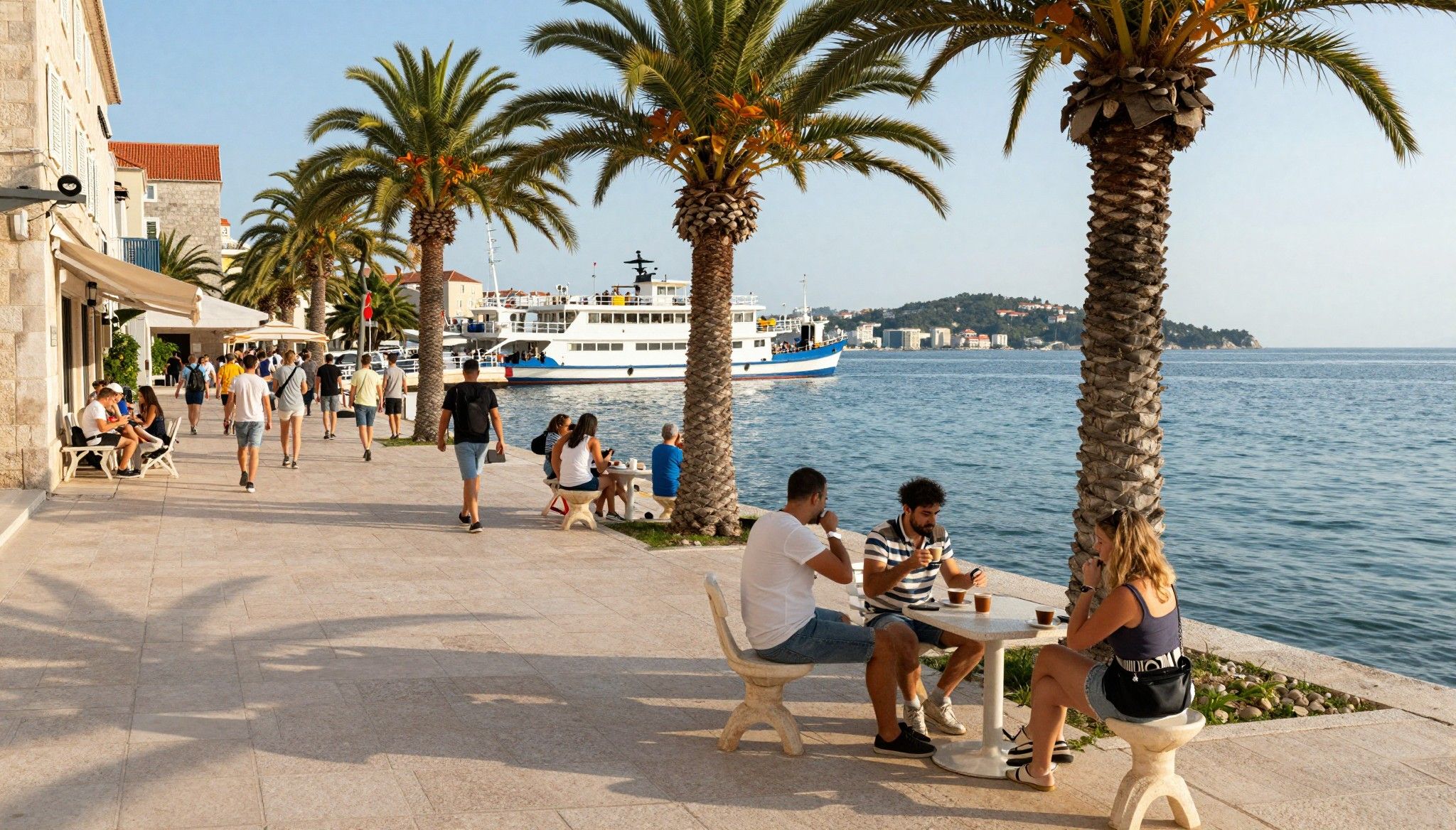
Imagine waking on a stone‑paved street in Split, the smell of espresso and grilled fish drifting from a corner konoba. That daily rhythm — morning markets, afternoon sea swims, late dinners — is what draws buyers to Croatia. But recent market analysis shows lifestyle appeal now sits alongside regulatory shifts and rapidly rising prices, so falling in love needs to be paired with a clear-eyed investment checklist.
Living Croatia: atmosphere, seasons and real streets
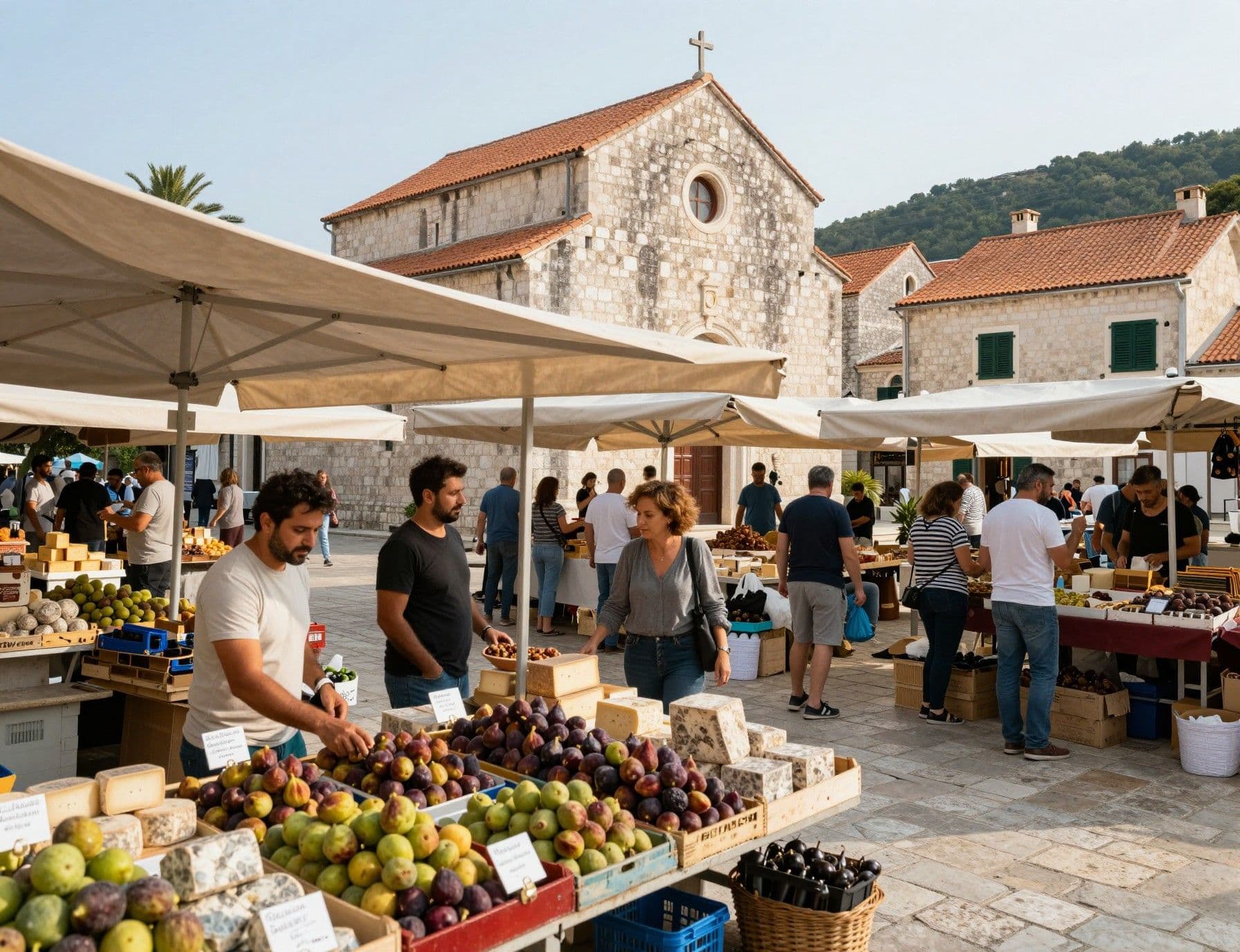
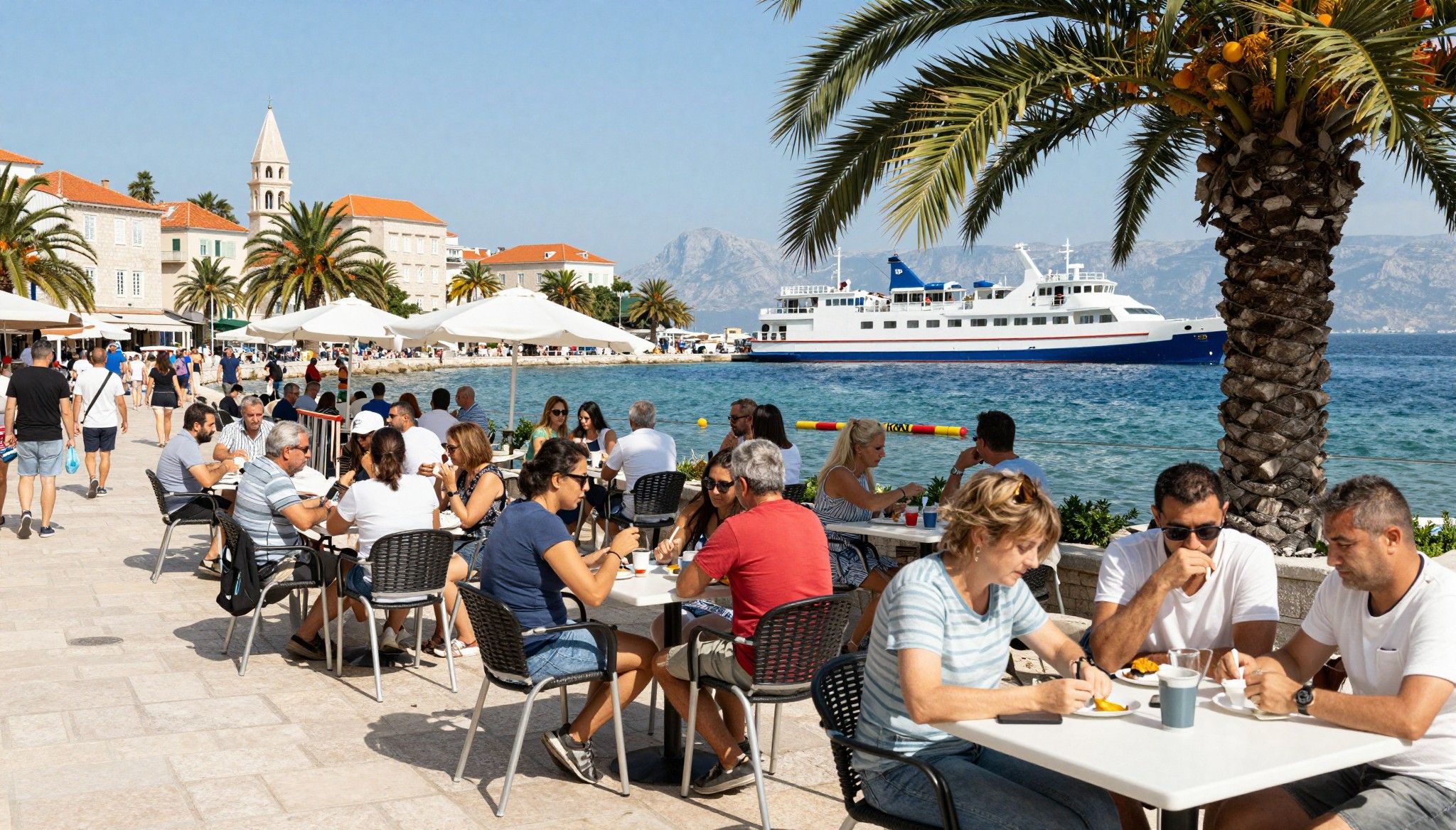
Croatia moves at a Confident Mediterranean pace: summers brim with tourists on the Adriatic, winters are quieter and community‑centred. Coastal towns (Dubrovnik, Split, Zadar) pulse with seasonal hospitality; Zagreb offers year‑round urban life and cultural depth. For an investor‑buyer that means properties feel different by month — from holiday premiums in July to authentic local life in November — affecting rental rhythms and net yields.
Neighborhood spotlight: Diocletian’s shadow to hip cafés — Split’s Varoš and Veli Varoš
Picture narrow alleys off the Riva where fishermen pass aproned cafes and pensioners play backgammon. Varos (Veli Varoš) mixes defensive stone houses with tiny terraces and strong short‑term rental demand. Prices per m² vary widely here: premium sea‑view apartments command multiples of inland stock, while modest returns often live in compact inner‑block flats that rent steadily to year‑round tenants.
Food, markets and weekend life that shape demand
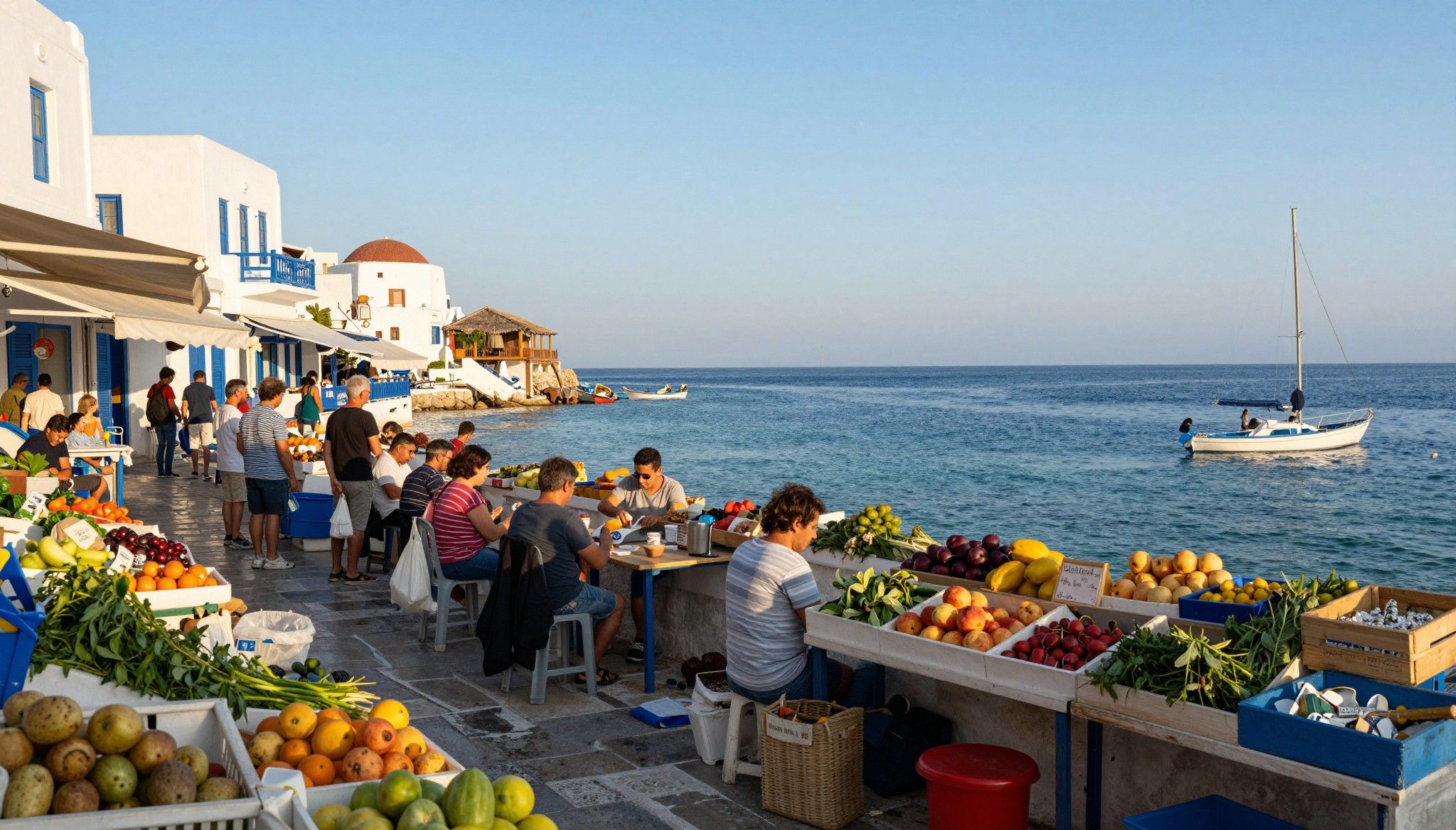
Weekend routines centre on farmers’ markets (Dolac in Zagreb, Pazar in Split), family konobas and island ferries. Properties within 5–10 minutes of a reliable market and an all‑season café hold occupancy advantage for mid‑term rentals — not just summer guests. Local food culture sustains demand from longer‑stay visitors and remote workers seeking authentic daily life.
- Lifestyle highlights: Dolac market (Zagreb); Riva promenade (Split); Zrće and quieter island coves; Trogir’s medieval core; weekend ferry runs to Hvar; konoba dining and local markets.
Making the move: lifestyle dreams meet regulatory reality
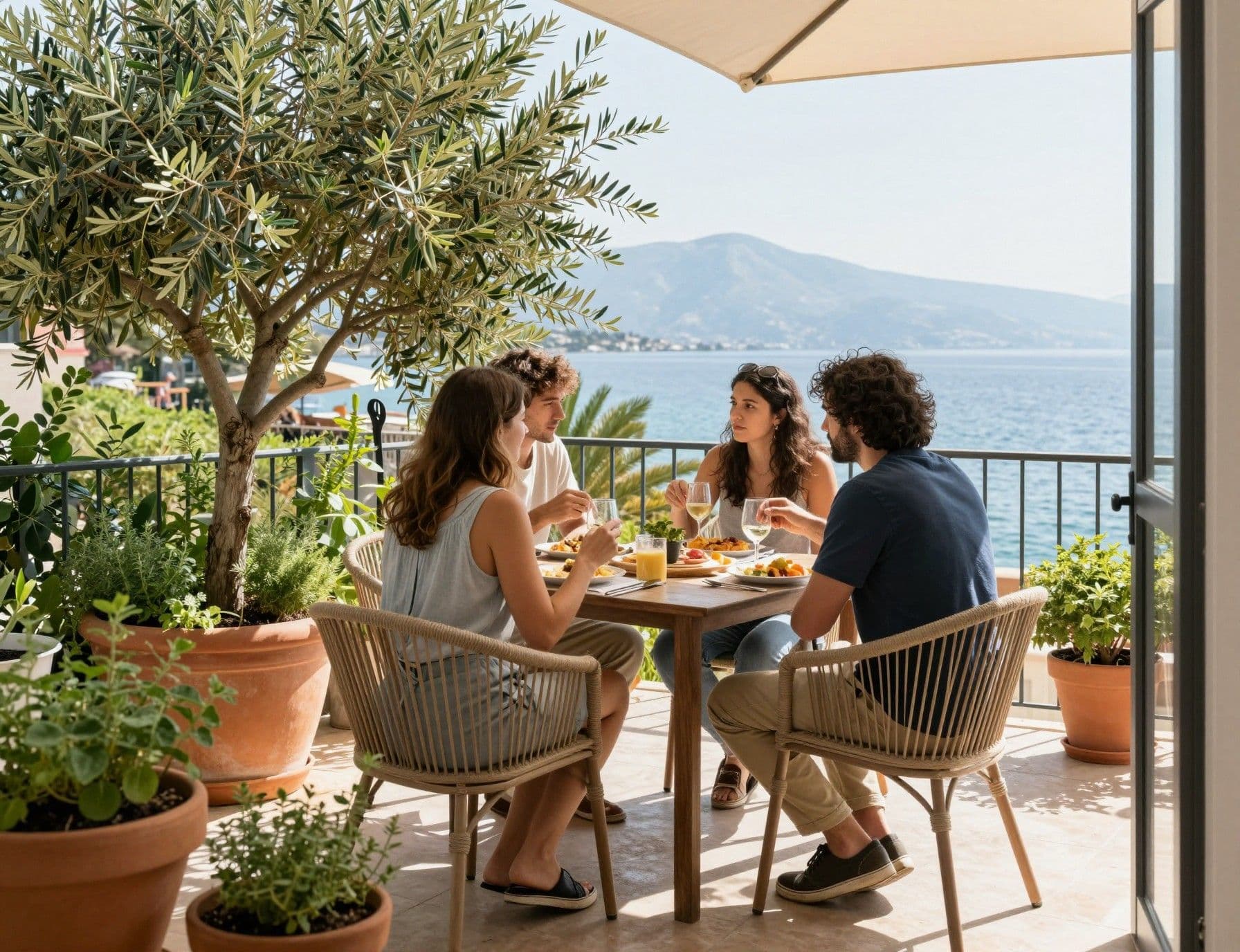
The good news: EU/EEA citizens can buy under the same terms as Croatians. The nuance: buyers from outside the EU typically need approval from the Ministry of Justice under the reciprocity principle — a paperwork step that can add time and conditional terms to a transaction. That administrative friction changes the timing and expected holding period for non‑EU investors.
Property types and how they map to real life
Stone houses, coastal apartments and newer developments each carry different operational profiles. Historic stone houses have charm but higher maintenance and insulation issues; new builds offer easier asset management but sometimes weaker rental premiums. Match the asset to intended use: short‑term tourist revenue, long‑term lettings to locals, or hybrid seasonal strategy.
Working with local experts who know both life and law
- Hire a lawyer experienced in Ministry approvals; use an agent with proven listings off high‑season; confirm cadastral (land registry) and urban‑plan status; engage a property manager familiar with seasonal tenancy patterns.
Insider knowledge: regulatory changes that reprice returns
Official data show double‑digit house price growth through 2024–2025, pushing price per m² higher along the coast and in Zagreb. Simultaneously, Croatia’s euro adoption and Schengen entry (January 1, 2023) altered transaction costs, cross‑border demand and short‑term rental dynamics. Those macro moves interact with two regulatory elements that materially affect returns: foreign purchase approvals and recent property‑tax reforms.
Foreign buyer permissions: timeline and practical impact
Non‑EU buyers should budget an extra 2–6 months for Ministry approval depending on reciprocity checks and whether the land is in protected zones. That delay matters: missed high‑season listing windows lower early cash flow, so plan acquisition timing around approval forecasts rather than market calendars.
Tax and operating cost shifts that change net yield
From 2025 some municipal property tax frameworks were reworked: municipalities gained clearer competence to tax second homes and holiday properties, and national guidance tightened reporting. For investors, this means re‑run your net yield model with updated annual holding costs rather than relying on historical averages. A headline price rise with rising holding costs compresses net returns faster than capital appreciation alone can offset.
- Regulatory checklist that affects returns: confirm Ministry approval requirements; check municipal property‑tax rules for holiday homes; verify protected‑area restrictions; confirm cadastral boundaries and building permits; budget for higher maintenance on older stone stock.
What expats wish they’d known — candid takeaways
Expats commonly underestimate seasonal volatility and administrative lead times. You’ll pay a premium for ready‑to‑rent, well‑connected units; cheaper fixer‑uppers often demand high capex and local permit wrangling. Language and community integration matter: a local agent who knows the mayor’s office and the market rhythm will save months and several percentage points of yield erosion.
Cultural integration and everyday life
Croatians prize local ties: neighbourhood markets, family‑run eateries and community festivals. Learn a few Croatian phrases, attend a klapa concert, and your manager will find tenants who treat your asset like a home rather than a transient stay. That social capital often converts into steadier mid‑term rentals and lower vacancy.
Long‑term lifestyle sustainability and portfolio fit
- Reassess yield targets: (1) run two scenarios — high‑season short‑term and year‑round mid‑term; (2) stress test for a 20–30% drop in summer occupancy; (3) include Ministry approval timing for non‑EU buyers; (4) add updated municipal property tax and service charges to OPEX assumptions.
Conclusion: Croatia sells a way of life — sunlit corbels above cobbled lanes, neighbourhood bakers and turquoise coves. For investors who value both the lifestyle and the ledger, the smart move is methodical: model regulatory timelines, bake in revised tax and holding‑costs, pick assets matched to seasonality, and partner with local experts who understand how law and daily life collide. Start by validating whether your nationality requires Ministry approval and update net‑yield models with recent DZS price indices before making any bid.
British expat who moved to the Algarve in 2014. Specializes in portfolio-focused analysis, yields, and tax planning for UK buyers investing abroad.