Where Greece’s True Rental Yields Hide
Where in Greece rental yields match the lifestyle: micro-location, seasonality and recent regulation reshape net returns for international buyers.
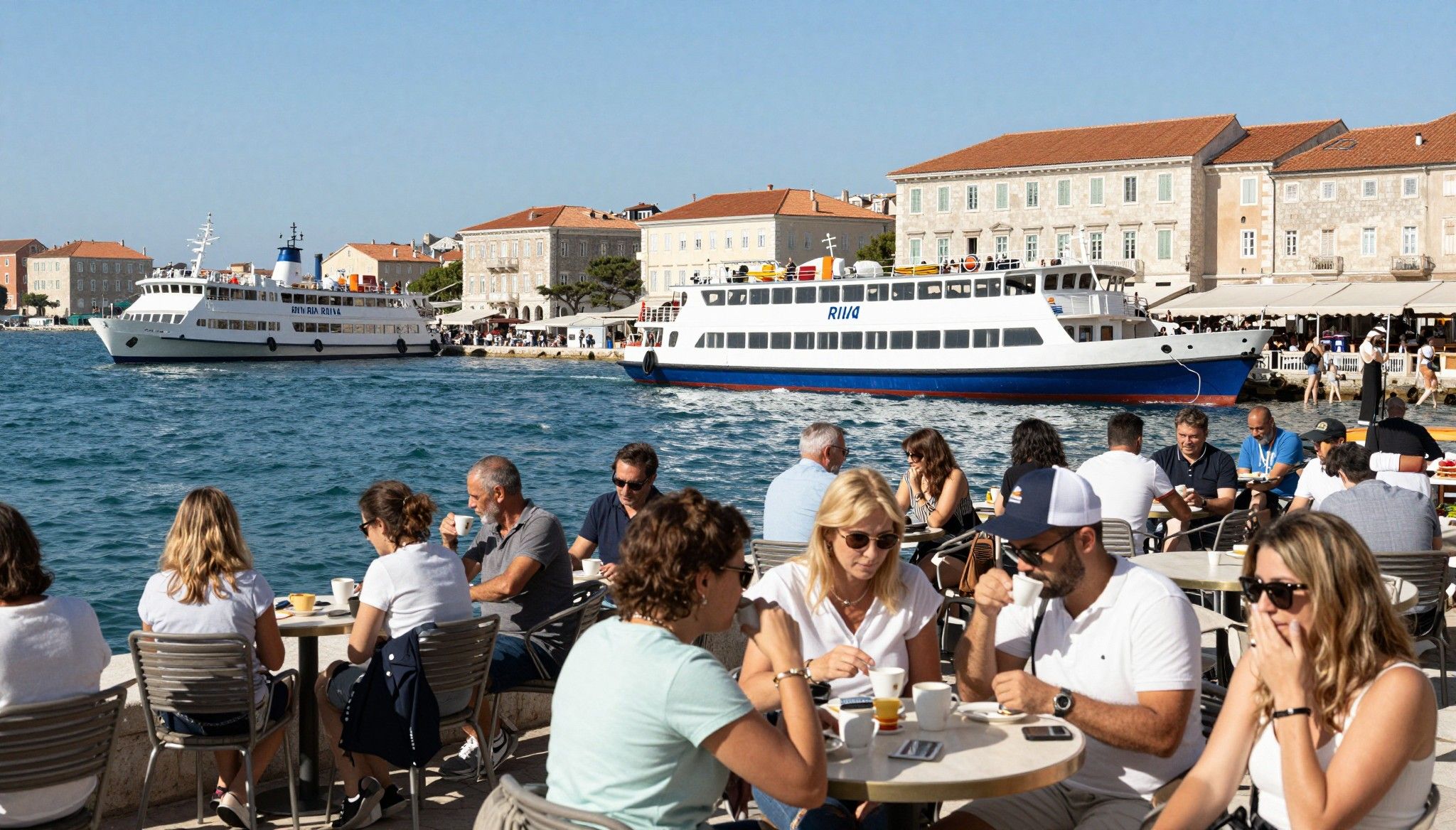
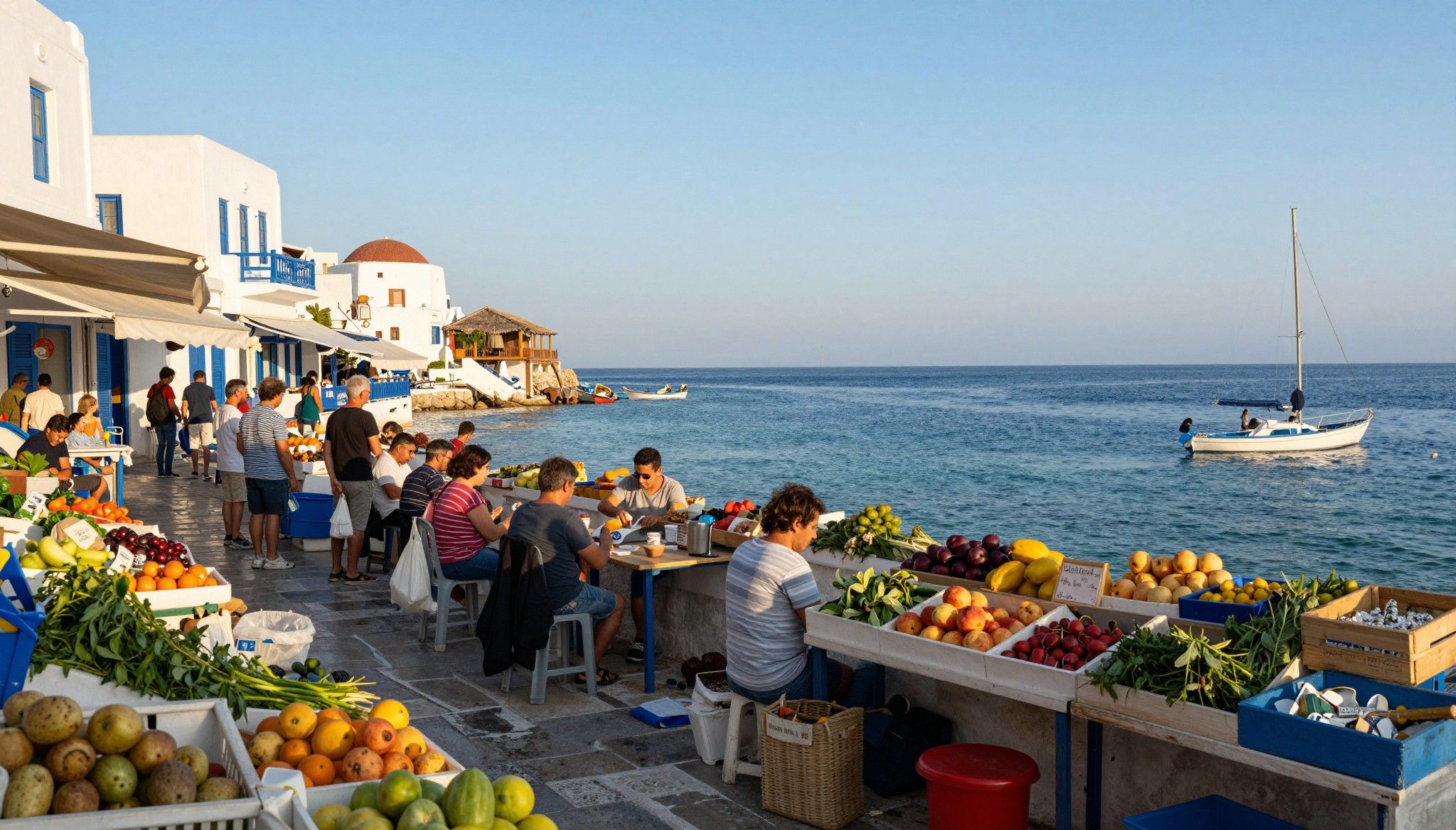
Imagine waking to a Thessaloniki market sending the day’s catch and coffee aromas down Aristotelous Square, then catching a late-afternoon ferry to an island where whitewashed lanes hum with neighbourhood life. Greece can feel like a postcard and a working economy at once: sunlit terraces and tavernas sit beside rental markets shaped by seasonality, regulation and rising tourist quality. For an international buyer the question isn’t whether Greece is desirable — it is where in Greece yields and rental demand reliably match the lifestyle you want. This piece blends on-the-ground colour with hard rental indicators so you can fall for the place without falling for illusions.
Living the Greece lifestyle

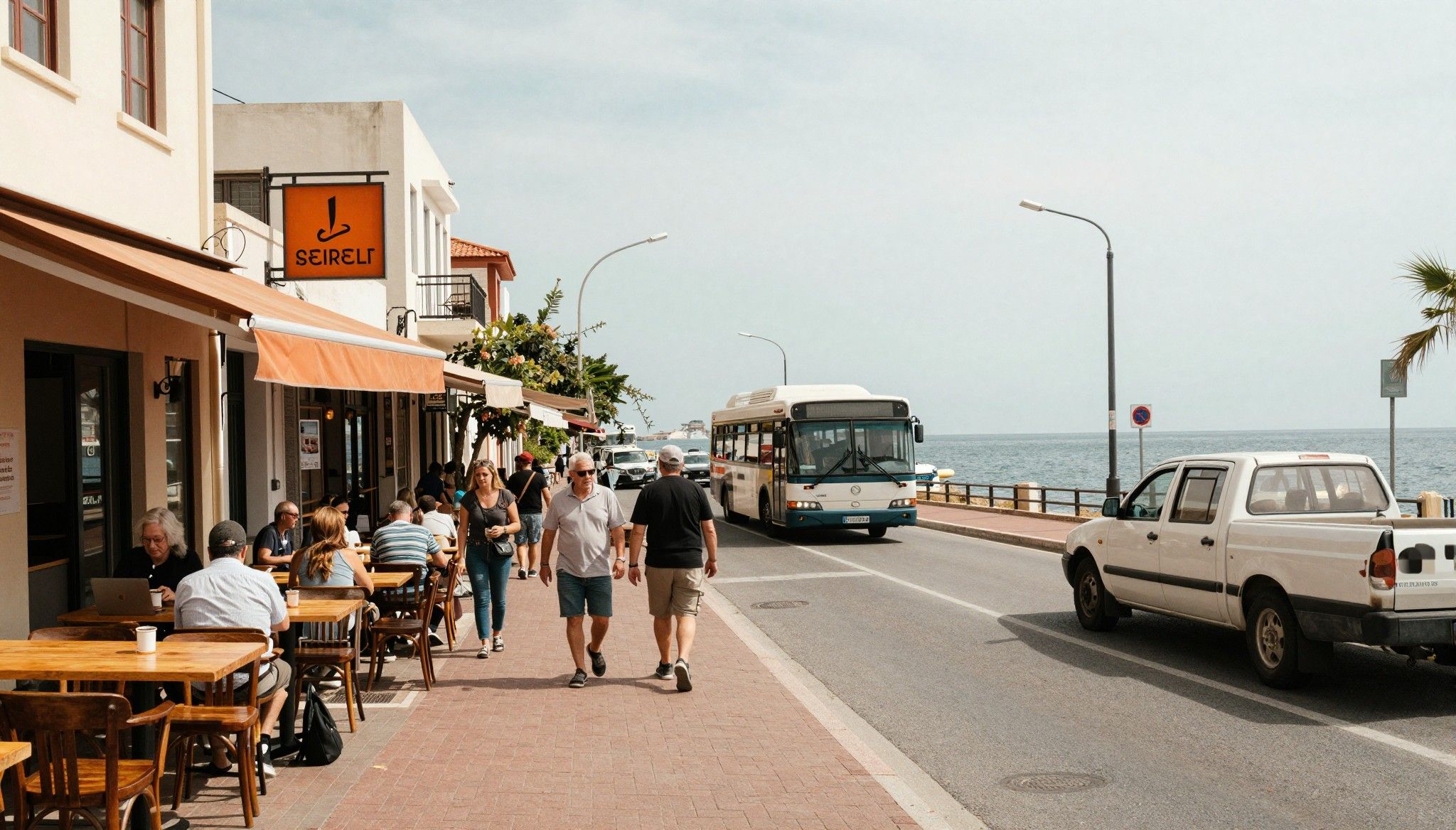
Greece’s daily rhythm is defined by outdoor life, local shops and lengthy evenings. In Athens, early-morning espressos spill onto pavements in Kolonaki and Exarchia; on islands like Paros and Naxos, afternoons centre on beaches and small port tavernas. The pace varies dramatically — Athens and Thessaloniki are city-fast, Cyclades islands are seasonal and rural Peloponnese villages move at a measured tempo — and your property choice should match the tempo you expect to live with or rent to tenants.
Neighborhood spotlight: Athens' contrasting cores
Walk from Plaka's steep lanes to Koukaki's cafe-lined streets and you see why micro-location matters. Central Athens combines compact historic apartments that rent well to short-stay visitors with long-term demand from students and professionals. However, municipal moves to cap new short-term rental licenses in central districts altered the supply picture in recent years, raising value for compliant long-term rentals and changing yield profiles on small central flats.
Island life: seasonality vs. quality tourists
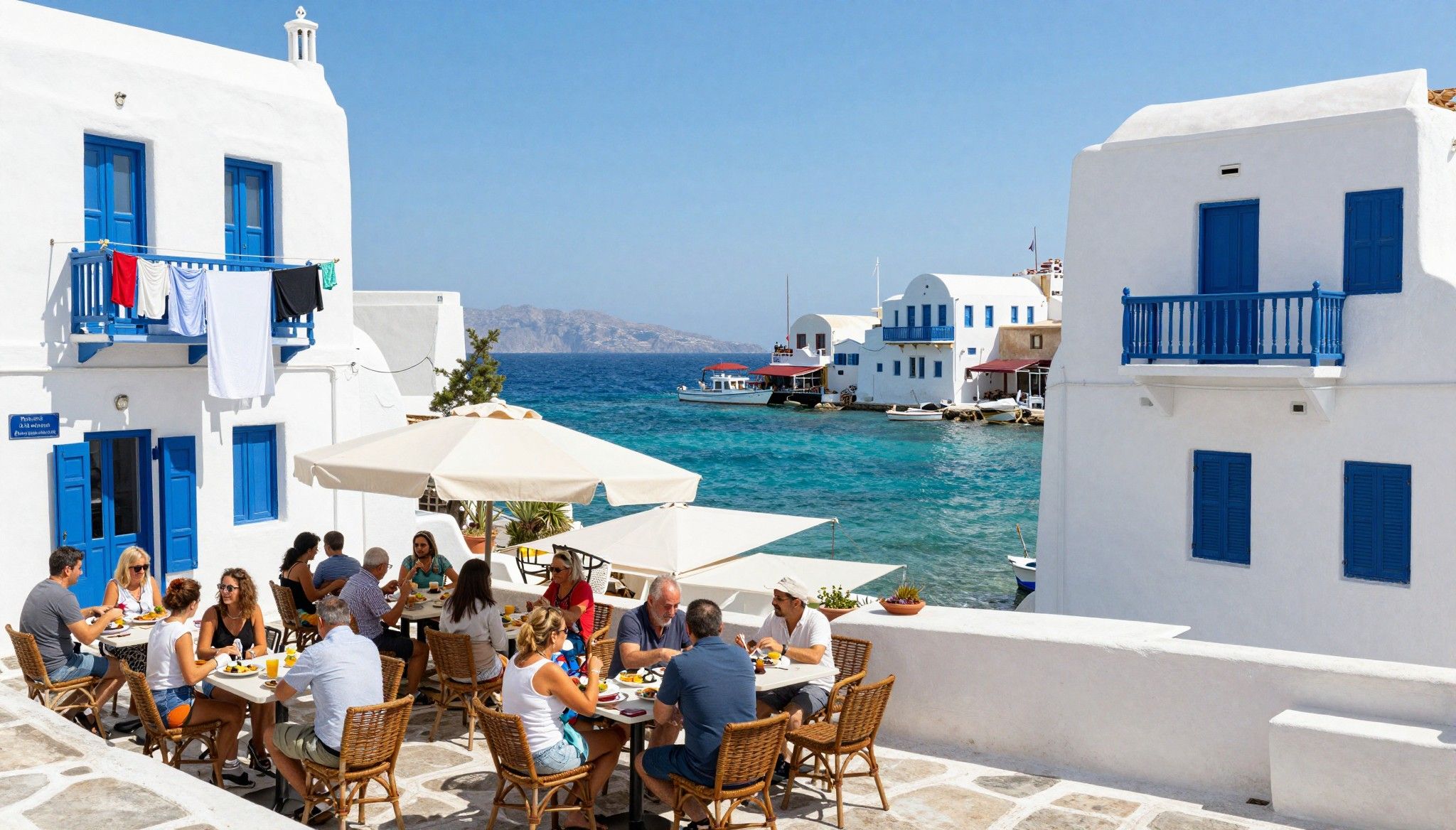
Greek islands draw high volumes of international visitors: 2024 saw record arrivals and elevated tourism receipts, which in turn fuel seasonal rental peaks. Yet islands are heterogeneous — Santorini and Mykonos attract high-spending, short-season tourists while lesser-known islands combine steadier visitor flows and increasingly year-round residents. For yields, this means high gross returns in peak months often offset by longer vacancy and management costs outside season.
Making the move: practical considerations

The romance of tavernas and sea views must be balanced by regulation, taxation and realistic yield expectations. Recent legal changes clarified VAT and professional classifications for short-term rentals from 2024 onward, which affects net returns on holiday lets. You also need to budget for property management, winter maintenance on islands, and possibly higher fees where local councils impose tourism levies.
Property styles and yield implications
Studios and small one-bed flats in central Athens or island ports often show the highest gross yields because purchase prices are relatively modest and demand for compact units is strong. By contrast, larger seaside villas have higher purchase prices, more seasonal income and greater running costs; their gross yields typically sit lower. Evaluating net yield (rental income after all costs) is essential: taxes, management, vacancy and utilities can erase the appeal of headline gross yields.
Steps to align lifestyle with yield
- 1. Define your income model: long-let, holiday let, or hybrid and estimate seasonality-adjusted cash flow. 2. Match property type and location to that model — compact central flats for stable city yields, smaller island units for high-season uplift, peripheral villas for capital appreciation. 3. Run a net-yield stress test including VAT, municipal levies, and management fees. 4. Insist on local comparables (rents and occupancy) covering at least three years to spot structural trends.
Insider knowledge: what expats wish they'd known
Expats repeatedly mention three surprises: regulation changes that reshape short-term supply, the importance of neighbourhood micro-economics (schools, hospitals, transport), and how much of Greek daily life happens outdoors. Rents rose in 2025 across many regions, but the lift was uneven; city suburbs and regional hubs saw stronger growth than some prime coastal enclaves. Knowing the local nuance — where long-term tenants outnumber holidaymakers — determines whether your property performs as you expect.
Cultural and seasonal integration
Accepting the seasonal heartbeat of Greece is part of integration: markets calm in winter, local festivals spike demand in shoulder months, and summer months concentrate visitor spending. For investors, that means structuring contracts, cleaning cycles and pricing dynamically. Meeting locals, learning basic Greek phrases, and participating in village festivals also helps you find licenced, reputable contractors and caretakers — a practical way to protect yield.
Quick red flags to watch
- Unregistered short-term units without an AMA; properties lacking clear title deeds or with complex inheritance claims; listings promising guaranteed high summer occupancy without historical proof; neighbourhoods with looming municipal zoning changes that can limit short-term lets.
Years after arrival figures hit record highs, Greece’s tourism engine continues to underpin meaningful rental demand, but returns are not universal. Average gross yields across the country hover in mid-single digits; micro-location, property size and regulatory compliance move that number significantly. If you love Greece, start with where you want to live — then overlay occupancy history, regulatory risk and net-yield modelling to find where lifestyle and returns intersect.
If you’re ready to act: get three local rent comparables, request historical occupancy for at least three years, budget for 10–20% of gross income for management and season-adjusted vacancy, and insist on a lawyer who specialises in Greek property and inheritance law. Local agencies should act as lifestyle translators and yield auditors — not salespeople. Visit outside peak season to see day-to-day life before you commit.
Swedish financier who guided 150+ families to Spanish title deeds since relocating from Stockholm in 2012, focusing on legal and tax implications.