How Cyprus' Short‑Let Rules Are Repricing Returns
How recent short‑let registration, municipal levies and foreign‑buyer permit reforms are changing net yields in Cyprus—practical steps to model compliance costs and protect returns.

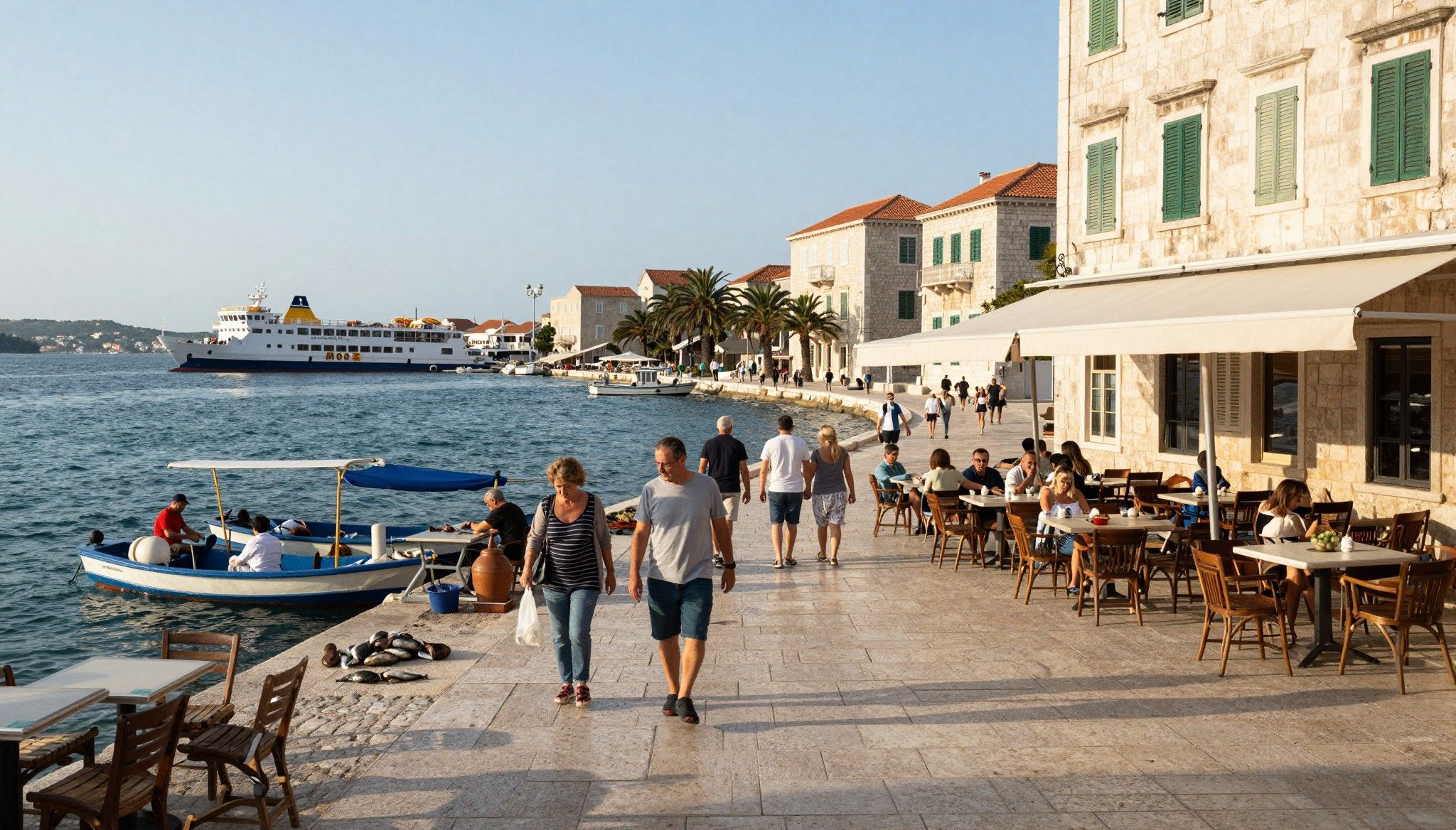
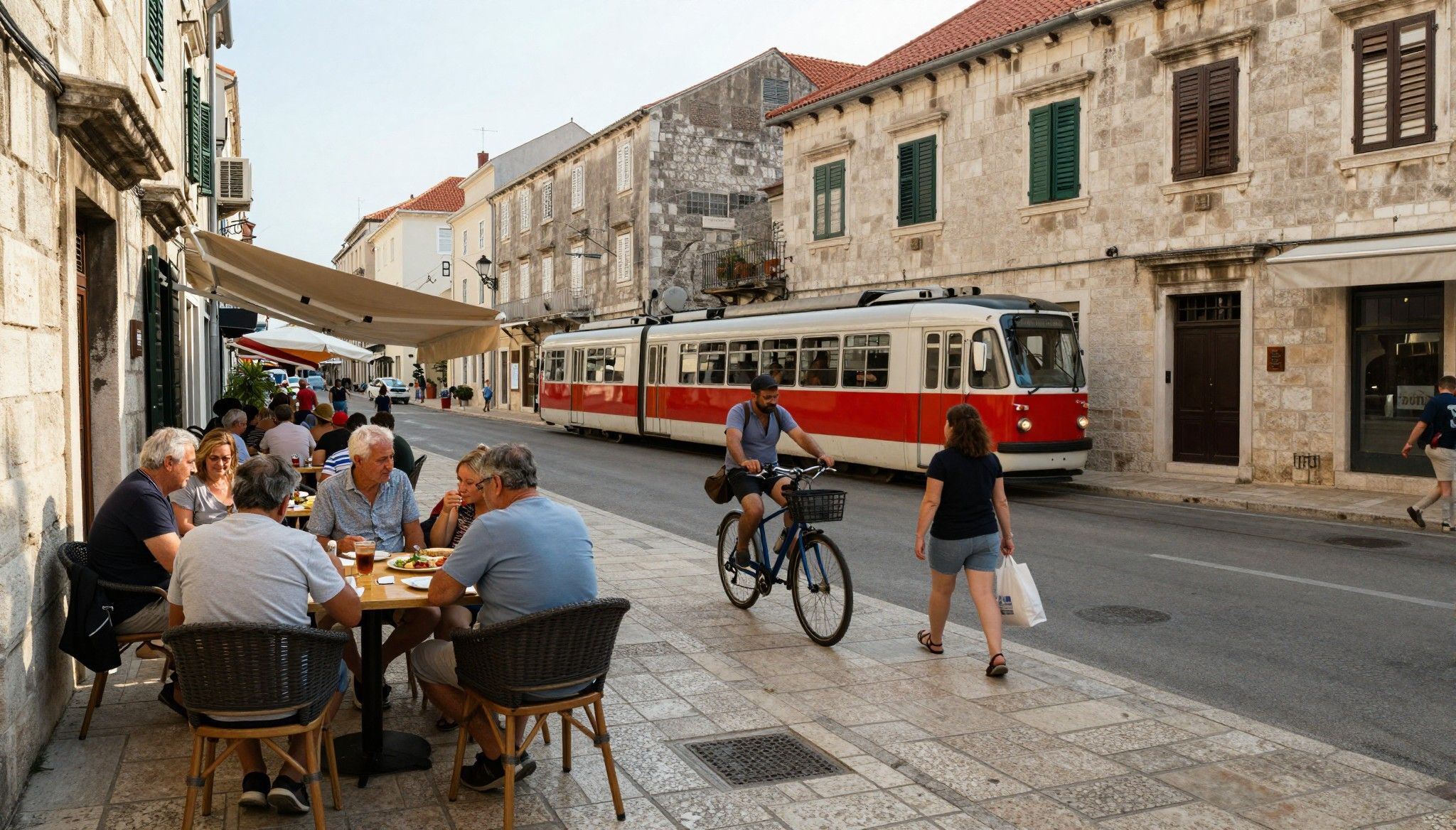
Imagine walking down Plateia Eleftherias in Nicosia at Saturday market hour: espresso steam, families bargaining for halloumi, and a line of apartments above cafés that were bought as short‑lets three seasons ago. That sensory scene is why buyers fall for Cyprus — sunlight, simple street life and a rental market that can look remarkably turnkey. But regulation is quietly changing where those returns actually sit. Recent rule shifts on short‑term lets, registry requirements and tighter oversight of foreign purchases are reshaping yield math for international buyers. See the latest market analysis and regulatory brief for context.
Living the Cyprus lifestyle
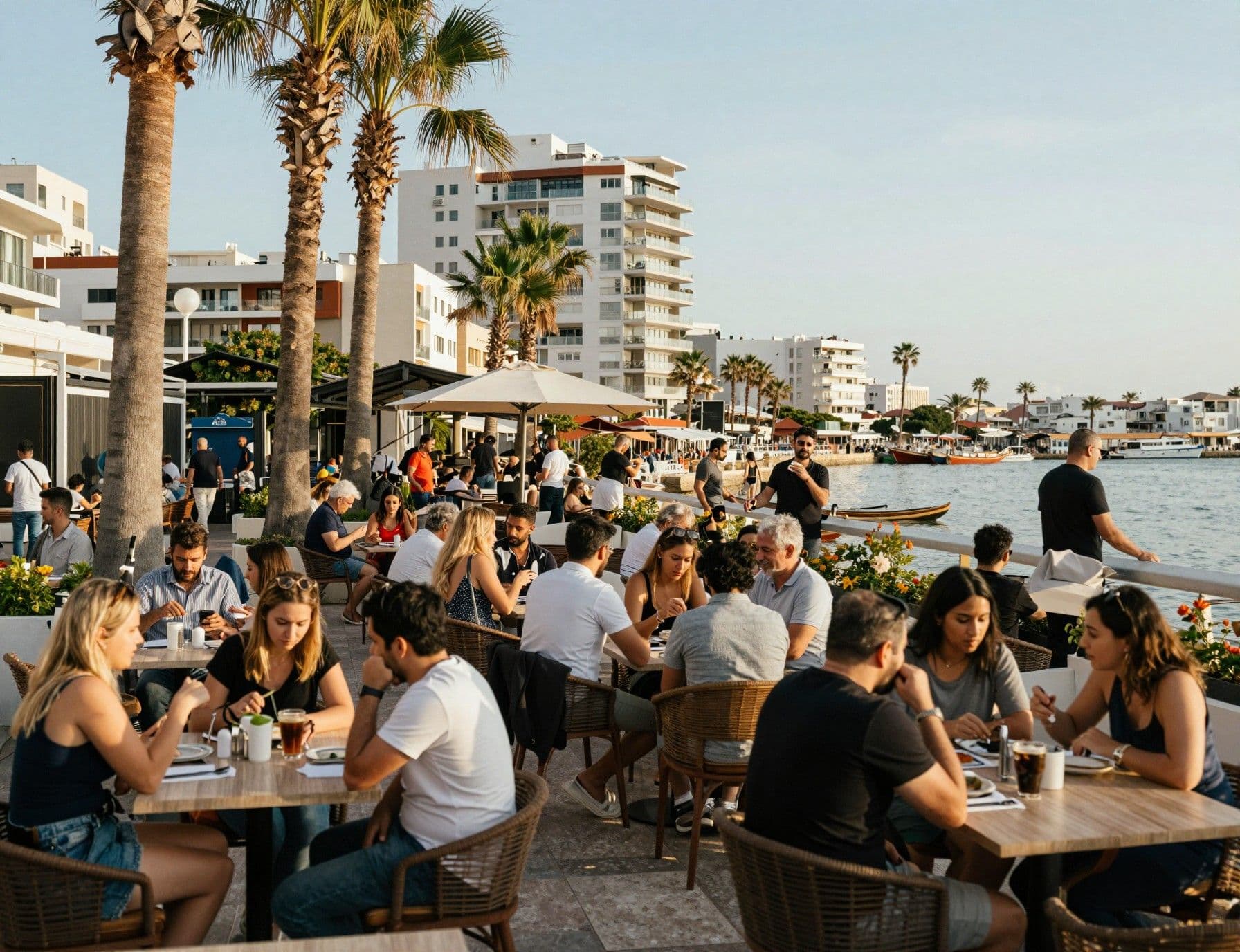
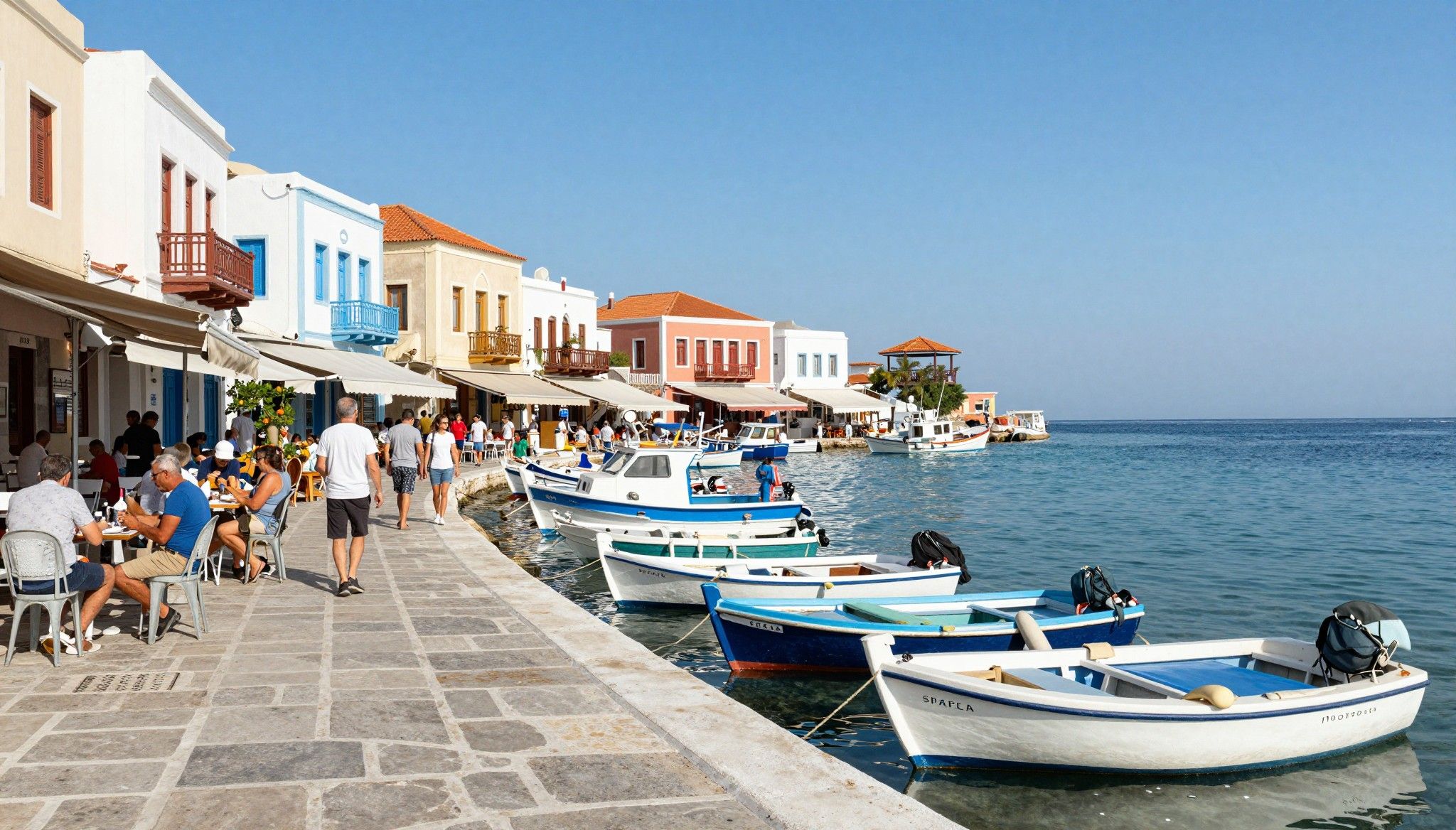
Cyprus feels both Mediterranean and small‑town: long beaches on the south coast, Ottoman‑era alleys in Larnaca, and mountain villages in Troodos where tavernas close only after the final plate is cleared. Daily life is outdoor‑forward — morning coffee on a shaded terrace, siesta rhythm in summer afternoons, and evening dining that runs late and social. For an international buyer this translates into clear tenant profiles: long‑stay families and retirees in Paphos, seasonal holiday renters in Ayia Napa, and digital nomads gravitating to Limassol’s cafés and coworking hubs during winter months. This diversity is a strength, but it also means returns vary dramatically by micro‑location and by the regulatory status of the property.
Nicosia & Larnaca: civic calm, steady rents
Nicosia’s grid of avenues and Larnaca’s palm‑lined seafront attract long‑term tenants who work locally — civil servants, teachers, and professionals. Properties here produce steadier, lower‑volatility rental income compared with island hotspots. If you prioritise yield stability over peak summer rates, these urban pockets often deliver higher net yield after vacancy and management costs are applied.
Limassol & Paphos: seasonality and premium demand
Limassol’s marina and Paphos’ blended coast‑historic centre dynamic draw high incomes and international buyers. Here, short‑let demand spikes in summer and during conference seasons, creating attractive headline rates but larger management overheads and regulatory scrutiny. Investors need to model both summer peak revenues and winter occupancy realistically — and account for evolving short‑let compliance costs that can change net yield quickly.
Why regulatory change matters to returns

Regulatory shifts aren’t abstract: they change admissible use, allowable income streams, tax compliance and the supply side dynamics that set market rents. Cyprus has moved from a laissez‑faire short‑let era to one with mandatory registration, enforcement of listing numbers, and heightened tax reporting. The Deputy Ministry of Tourism and recent press coverage show registered short‑lets ballooned in recent years, prompting tighter rules that directly affect revenue assumptions for investors. Use up‑to‑date registries and plan for compliance costs when you model returns.
The short‑let register and compliance costs
Since the tourism registry expanded, authorities require short‑lets to display registration numbers and comply with basic safety and reporting rules. That creates direct costs: registration fees, potential upgrades to meet safety standards, municipal overnight‑stay levies, and more stringent platform reporting. These items reduce net yield and increase operational complexity — especially for remote international owners without local management in place.
Foreign buyer permissions and structural risk
EU nationals face fewer formal limits than third‑country nationals, who still require permits for certain land purchases and may encounter size restrictions. Parliamentary reforms under discussion aim to tighten workarounds like buying via local companies. For investors this creates legal timing risk: bids closed before a reform may still face transfer delays if new permit practices retroactively change administrative scrutiny. Factor in a timeline buffer and conditional clauses in contracts.
Making the move: practical, evidence‑based steps
Turn lifestyle desire into defensible returns by treating regulation as a line item in your pro‑forma, not a footnote. Start with verification of the property’s current classification (residential, tourist accommodation, mixed), confirm registration numbers where relevant, and quantify compliance upgrades. Use local firms for tax filing and short‑let management to close the governance gap that eats into yield. Below are operational steps that blend the lifestyle you want with the prudence an investor needs.
Property due diligence checklist
1. Confirm registry status and permit history with the Department of Lands and Surveys; 2. Check short‑let registration and municipality levies; 3. Request service‑level evidence for existing listings (cleaning, maintenance contracts); 4. Model realistic winter occupancy and management fees.
Work with advisors who balance lifestyle and yield
Hire a lawyer familiar with foreign buyer permits; use an accountant to model VAT, stamp duty and transfer fees; choose a management partner that documents guest screening and municipal compliance. These three functional checks — legal, tax, operations — translate a romantic purchase into a responsible asset purchase.
Insider knowledge: what expats wish they'd known
Expats often tell the same story: they loved the way Cyprus felt, underestimated the effort to make a short‑let compliant business, and mispriced winter vacancies. Another common thread is underestimating municipal fees and the time it takes to secure title deeds when previous owners used opaque company structures. Knowing these specifics ahead of purchase avoids a six‑month operational scramble that can halve expected annual returns.
Cultural and seasonal realities that affect returns
Summer tourism drives headline nightly rates, but winter long‑stay demand from remote workers and retirees matters more to sustained occupancy. Local customs — Sunday market closures, late dining, festival weekends — shift peak booking patterns. A property near a reliable winter coworking hub or near a school can mute seasonality and lift effective annual yield.
Lifestyle decisions that affect financial outcomes:
Proximity to a year‑round town (e.g., Limassol city centre) reduces vacancy; choosing a convertible layout supports both holiday lets and longer tenancies; investing in soundproofing and heating extends shoulder‑season appeal.
Conclusion — fall for Cyprus, buy with the regulation in your model. The island offers genuine lifestyle advantages: a café culture, easy English, and a climate that supports year‑round living. But recent and pending regulatory changes around short‑lets and foreign ownership mean yields must be stress‑tested on compliance costs, municipal levies and winter occupancy. Start with a local legal and tax review, demand registration evidence for short‑lets, and budget three‑to‑five percent of gross revenue for compliance and management overheads. Do that, and the plateia espresso becomes not just a memory but a sustainable return.
Dutch investment strategist who built a practice assisting 200+ Dutch clients find Spanish assets, with emphasis on cap rates and due diligence.