How France’s short‑let and energy rules reprice returns
France’s short‑let and energy reforms are reshaping neighbourhood life and yields; model conservative returns, budget for DPE upgrades, and prioritise long‑term demand.

Imagine sitting at a bistrot table in Le Marais, steaming espresso, the street alive with deliveries and sharp conversation — and knowing the apartment two floors above can no longer be used for short lets without months of paperwork. Regulatory shifts in France are changing both the mood of neighbourhoods and the maths of returns. Recent national rules and energy standards are reshaping yields and ownership models, especially for international buyers who hoped to rely on short‑let income.
Living the France lifestyle — then the regulatory reality

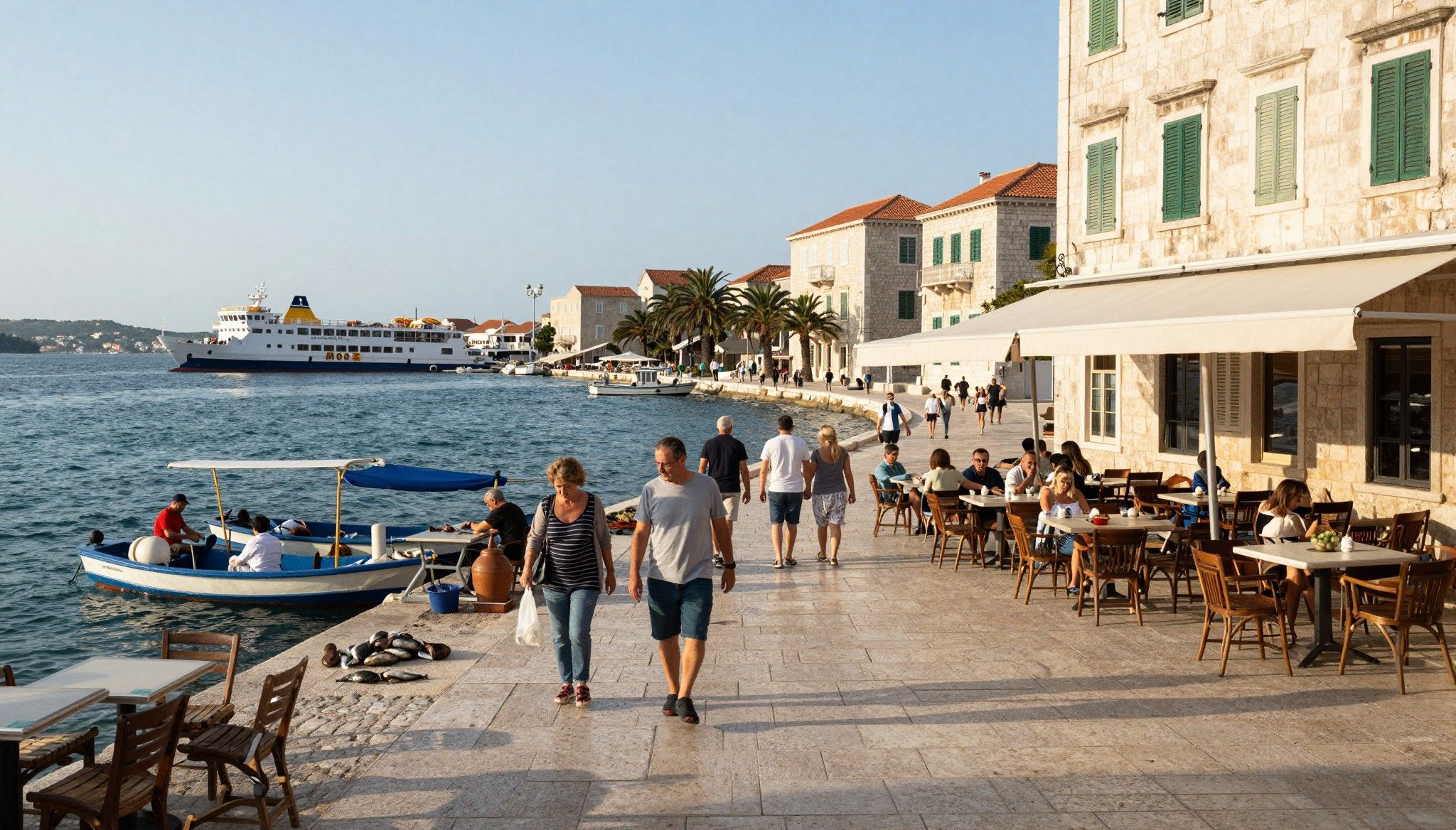
France still feels like mornings at market stalls and long dinners on a terrace, but the rhythms you imagine sit atop concrete rules. From Paris arrondissements to Biarritz and Bordeaux, municipal powers now limit how residential homes are used for tourism, while national energy rules are removing low‑efficiency rentals from the market. That combination alters what neighbourhoods look like — fewer transient guests, more full‑time residents — and it changes investor return profiles.
Paris: postcard streets, tightened short‑let controls
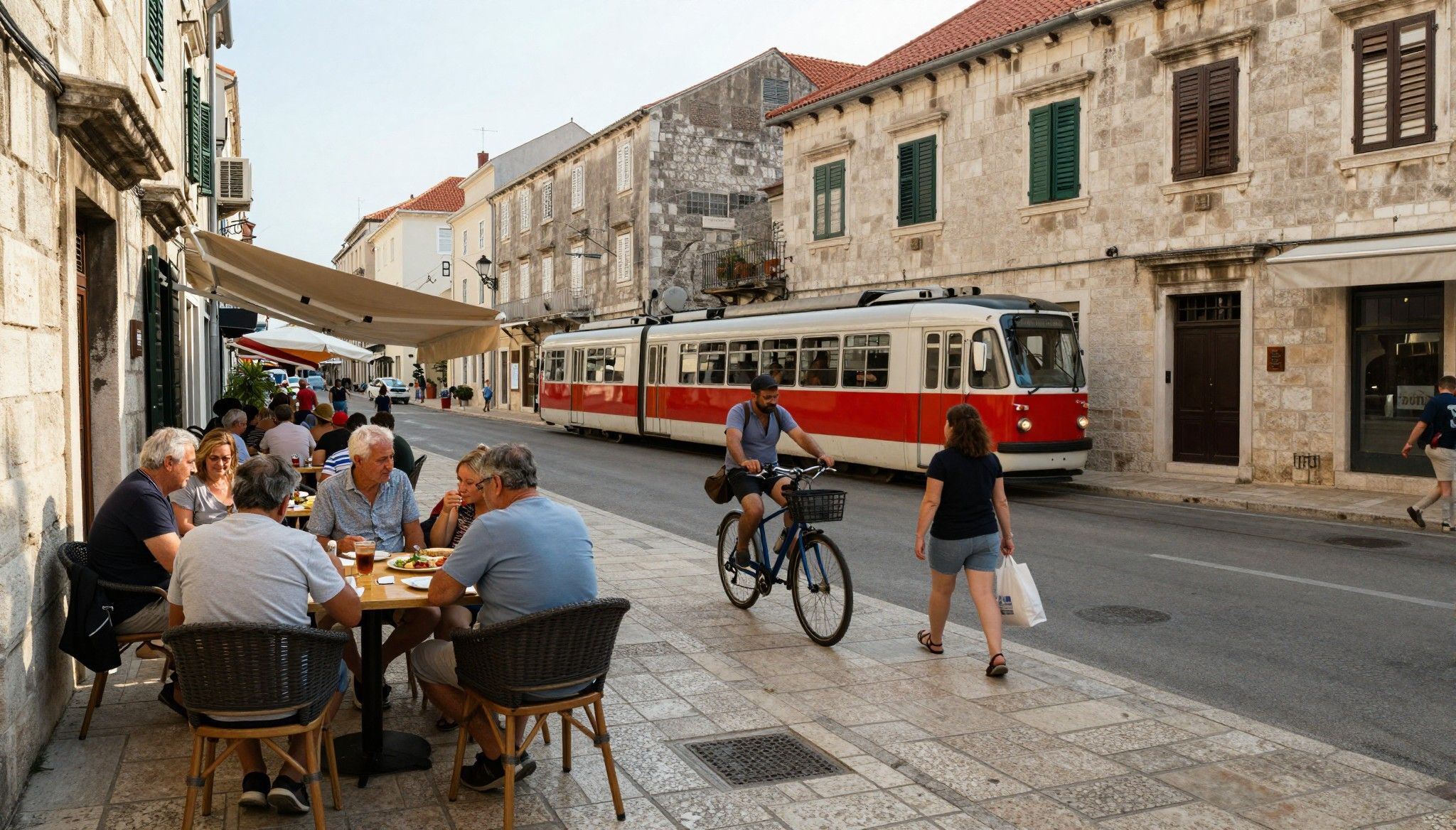
Strolling from rue des Rosiers to Place des Vosges you’ll still find cafés and galleries, but cities like Paris have new levers to stop residential housing turning into de facto hotels. Municipal registration, change‑of‑use authorisations in 'zones tendues', and fines for non‑compliance now make casual short‑letting a risky business model for many owners. The result: lower short‑let supply and pressure on pricing models that once assumed easy tourist revenue.
Coastal and holiday towns: Biarritz to Nice — regulation meets seasonality
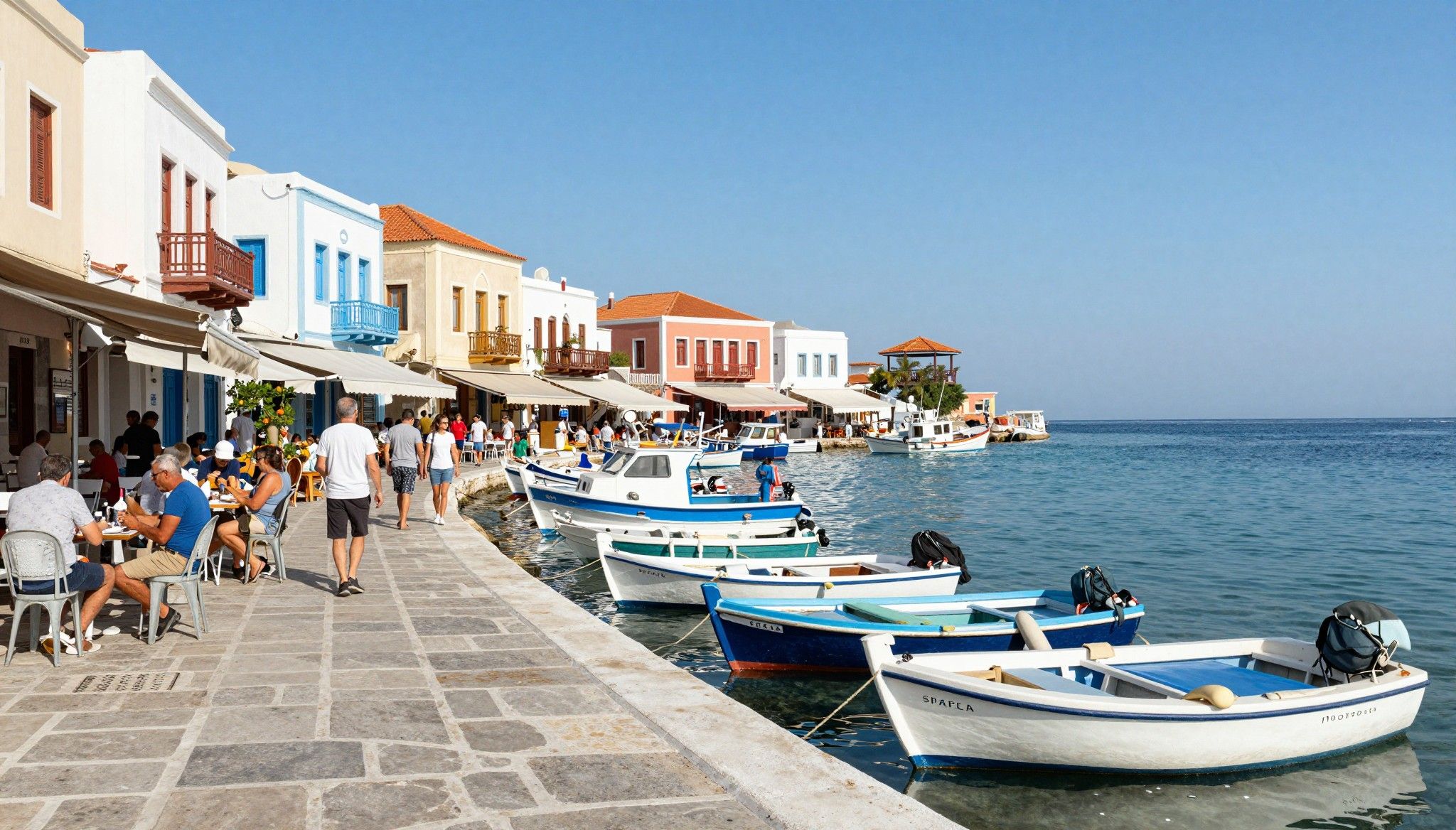
In popular resort towns — think Biarritz, parts of the Côte d'Azur and Loire Valley hotspots — local authorities are applying the same tools used in cities to limit conversions of primary homes into short‑let machines. Combined with sharp seasonality, that means rental strategies that once depended on peak‑summer income need redesign: longer lets, premium summer holiday managers with full compliance, or switching to long‑term furnished rentals.
Making the move: practical considerations that preserve lifestyle and yield

Dreams of a rentable pied‑à‑terre must now be checked against two practical filters: (1) local short‑let authorisations and registration; (2) energy‑performance rules (DPE) that progressively forbid the rental of the worst‑performing homes. International buyers should model net yield under a conservative scenario where short‑let income is limited or unavailable, and where retrofit costs (insulation, heat pumps) are added to acquisition budgets.
Property styles and what they mean for compliance
Haussmann flats in Paris, stone farmhouses in Dordogne, and seafront apartments on the Riviera each carry different compliance implications. Older stone buildings often need substantial thermal upgrades to meet DPE targets; newer builds usually comply but carry higher purchase prices per square metre. Factor renovation timelines and municipal approval processes into cash‑flow models — energy retrofits can take months and trigger temporary rental bans while works proceed.
Steps to stress‑test an investment under France’s new rules
1) Check municipality rules: confirm short‑let registration requirements and whether the property is in a 'zone tendue'. 2) Request the current DPE and model costs to bring the property to at least an E rating (or higher depending on local thresholds). 3) Recalculate net yield using long‑let rates and conservative occupancy for holiday income. 4) Include potential change‑of‑use costs and compensation obligations where applicable. 5) Speak to a local notaire and an accountant about tax classification (BIC for furnished tourist rentals).
Insider knowledge: what expats wish they’d known before buying
Expats often underestimate how regulation reshapes neighbourhood life: fewer short lets mean quieter streets and steadier long‑term demand — but also lower peak‑season returns. Many owners tell us they wished they had budgeted for energy upgrades, and started those works before listing. Others learned the hard way that platforms will remove non‑compliant listings, so compliance should be verified before purchase, not after.
Cultural and administrative realities that affect living and returns
• French tenancy rules favour stability — eviction for unpaid rent is possible but slow; long‑term leases are common. • Local councils may require proof of primary‑residence status before granting change‑of‑use permissions. • Energy upgrades unlock long‑term tenant demand (families, professionals) and avoid future rental bans. • Popular cafés and weekly markets (e.g., Marché d'Aligre, Nice's Cours Saleya) support neighbourhood rental desirability. • Work with a bilingual notaire and an agency that understands both compliance and community character.
Conclusion — marry the mood with the maths
If you buy in France for the lifestyle, you’ll almost always get what you crave — markets that breathe with local life, great food, and durable cultural capital. If you buy expecting unfettered short‑let returns, regulation will force you to rethink. Treat current laws and energy standards as features that change the investment case: model conservative yields, budget for upgrades, and pick neighbourhoods where long‑term demand (commuters, students, local employers) underpins rental income.
Next steps: verify municipal short‑let rules, obtain the DPE before making an offer, run a net‑yield model that assumes limited short‑let revenue, and partner with a local notaire and agency that have demonstrable experience with change‑of‑use cases and energy retrofits. That way you get the terrace dinners and the predictable cashflow — not one or the other.
Dutch investment strategist who built a practice assisting 200+ Dutch clients find Spanish assets, with emphasis on cap rates and due diligence.