Why France’s ‘Thermal‑Sieve’ Rules Flip Rental Math
France's tightened rules on energy‑inefficient rentals and short‑let enforcement have shifted yield math—plan for DPE, retrofit costs and municipal limits to protect returns.

Imagine sipping a café noisette on Rue Montorgueil, the smell of warm pain au chocolat drifting past a Haussmannian façade — and then opening your investment model to see a sudden cost line you didn't budget for: major energy retrofits. Recent regulatory shifts in France — especially the accelerated ban on renting energy‑inefficient homes — are changing cashflow math for overseas buyers. This guide explains how the so‑called “passoire thermique” rules, rent‑control experiments and short‑let crackdowns reprice yields, and how you can turn a regulatory headache into a disciplined acquisition strategy. We'll ground the story in neighborhoods you can picture, then translate the rules into numbers you can use.
Living the France lifestyle (so you know what you’re buying)

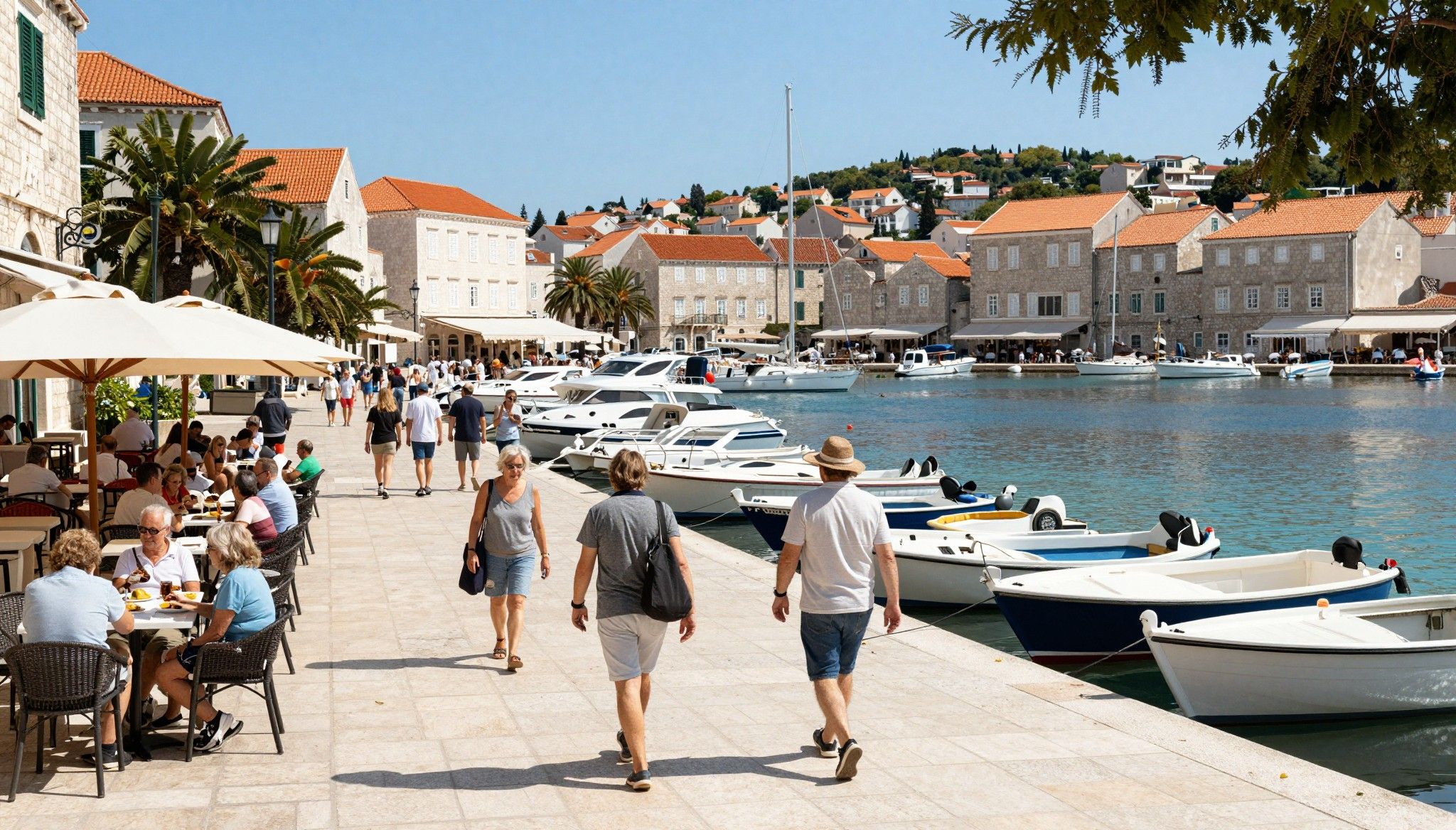
France is a mosaic: seaside mornings on the Côte d’Azur, farmers’ markets in Lyon’s Presqu’île, evening apéritifs on Bordeaux quays. Daily life is sensory — boulangeries at 8am, lengthy market strolls on Saturdays, and local rhythms that reward neighbourhood integration over flashy assets. For buyers, lifestyle demands often determine property type: a pied‑à‑terre in Le Marais feels different in running costs and renovation needs than a stone barn in Provence. Understanding local routines helps you model occupancy, tenant demand, and the sort of upgrades that protect both value and yield.
Neighbourhoods that matter — names you should know
Paris: Le Marais, Canal Saint‑Martin and the Left Bank draw steady long‑let demand from professionals and diplomats; the rent control frameworks make rental growth predictable but cap upside. Lyon: Croix‑Rousse and Vieux Lyon combine student and young‑professional pools, lowering vacancy risk. Bordeaux: Chartrons benefits from transplant tech and tourism, but short‑let rules can shift income expectations. Each neighborhood's character determines the realistic tenant mix and the cost profile for bringing older stock up to new energy standards.
Food, weekends and why they affect returns
Markets, cafés and weekly rhythms aren't just charming — they drive footfall, short‑let desirability and long‑term tenancy stability. A 2‑bed near Marché d'Aligre will command higher seasonal short‑let rates than an identically sized unit outside central belts, but new municipal enforcement has narrowed that arbitrage. When modeling yield, account for both the lifestyle premium and the new regulatory risk that can remove short‑let income overnight in high‑control cities.
Lifestyle highlights (that matter to investment models): 1) Morning markets (Rue Mouffetard, Marché des Capucins) and tenant attraction; 2) Proximity to tram/metro lines that reduce vacancy; 3) Seasonal demand drivers (côte towns, wine regions); 4) Local cafés and coworking spaces that signal remote‑worker demand.
How regulatory change actually reprices yield in France

The headline: France has tightened which homes may be legally rented. From 2025 the most inefficient category (DPE G) became unusable for letting; F and E categories face staged deadlines to follow. These rules shrink the rentable universe, push renovation costs onto owners, and reduce gross yields if purchases ignore retrofit needs. Short‑let rules and stricter registration regimes in cities such as Paris further cut arbitrage that once supported higher headline returns on holiday‑style units.
Rent control and local experiments: caps matter
Paris and other municipalities operate rent reference systems that compress new‑let rents relative to market comps. For investors this reduces volatility — good for conservative yield forecasts — but caps upside in rapidly gentrifying pockets. When you underwrite a Paris buy, treat expected rental growth as low and model returns on stable occupancy and modest yield compression rather than aggressive appreciation.
Cities are policing short‑lets hard: mandatory registration numbers, documentary checks and significant fines for false listings are now common. Where short‑lets once boosted yields, compliance costs — and the risk of enforced conversion to long‑let — now lower expected margins. For portfolio buyers, favor assets that work as both long and short lets, or avoid markets where enforcement is escalating quickly.
Making the move: practical steps that protect yield
Translate regulatory headlines into a purchase checklist before you sign. Prioritise DPE (Energy Performance Certificate) status, local short‑let rules, and municipal rent‑control rules in your valuation. Budget realistic retrofit figures and timeframes: simple insulation and heating upgrades can protect rental legality and tenant appeal, but they must be costed into the acquisition price or capex plan.
Property types and retrofit economics
Stone buildings in older centres often require significant upgrades (insulation, windows, heating). A 30–40% renovation budget on a historic flat may be necessary to reach D/E standards. New builds carry a premium but lower capex risk; renovated buildings that meet RE2020 or equivalent certification often trade at lower yield but with stronger net returns after compliance. Use subsidy programmes such as MaPrimeRénov' when available to lower effective retrofit costs.
Step-by-step buying checklist that balances lifestyle and rules: 1) Verify DPE rating and ask for raw diagnostic reports; 2) Check municipal short‑let registration rules and fines; 3) Model capex to reach legal rental status and include contingency; 4) Price-in conservative rent growth under local rent‑control regimes; 5) Confirm agency experience with compliance-driven conversions.
Insider knowledge: what expats wish they’d known
Expats repeatedly tell two stories: (1) they underestimated renovation timelines and overpaid for properties requiring complex heritage‑compliant works; (2) they misjudged local enforcement on short‑lets and saw projected seasonal income shrink. French bureaucracy rewards preparation: having a local notaire, an experienced architect for heritage works, and an agency that understands DPE legalities avoids surprises. Learn the paperwork rhythm and you’ll protect both lifestyle and returns.
Cultural cues that matter to tenants and regulators
French tenants value heating, double glazing and kitchen quality — small upgrades can materially reduce vacancy. Municipalities value compliance: registration numbers, correct energy diagnostics and documented works reduce regulatory friction. Incorporate these preferences into your renovation brief to protect rental yield and avoid fines.
Red flags to watch in a French property purchase: • Missing or old DPE report; • Unclear short‑let registration or undocumented conversions; • Heritage overlays that inflate restoration costs; • Properties touted as “cheap” because they’re unrentable without major works.
Conclusion: France still sells a life — and a solid investment if you plan for the rules. The emotional pull of a street‑side café or a summer in Cassis is real, but returns now hinge on compliance and sensible capex planning. Buy with DPE, municipal rules and retrofit budgets front and centre; partner with local specialists who translate lifestyle into durable cashflow. If you model conservatively, France’s regulatory tightening becomes a moat — excluding short‑term speculators and rewarding disciplined owners.
Swedish financier who guided 150+ families to Spanish title deeds since relocating from Stockholm in 2012, focusing on legal and tax implications.