Buy the Connector: Malta’s Transit Nodes That Boost Yield
Choose Malta not by romantic coastlines but by transport nodes — ferry, bus and airport proximity often reprice rental yields more than finishes.
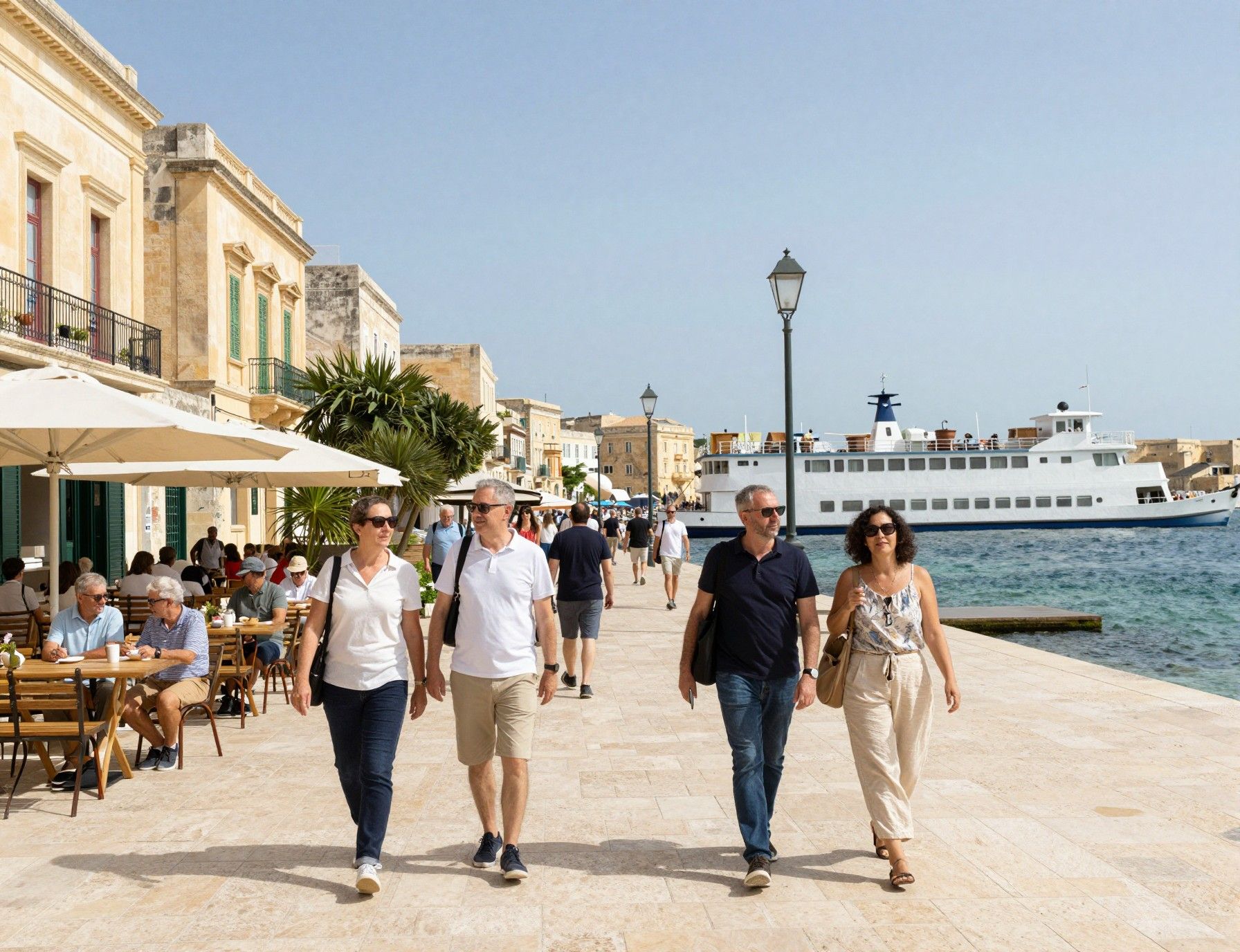
Imagine stepping out for espresso on Triq Ix-Xatt in Sliema, grabbing fresh pastries at Bakery de Marco, and catching a 15‑minute bus into Valletta for an evening concert. That compact, island rhythm — short commutes, dense neighbourhood cafés, and a harbourfront that hums with tourists for part of the year — shapes both daily life and investment math in Malta. Mobility here is not about long commutes but about which node you live next to: ferry terminals, main bus corridors, and the airport express routes materially change rental demand and price per square metre.
Living the Malta lifestyle: compact, sociable, sea‑framed
Malta compresses Mediterranean life into short distances. Mornings start with market chatter at the Marsaxlokk Sunday fish market or a weekday promenade along St Julian’s Bay; afternoons are for siesta or sea dips off Ghadira Bay on Gozo; evenings are for small-plate dining in Valletta’s narrow streets. English is an official language, which lowers friction for international buyers, but the island’s pace remains local — social networks form around parish festivals, neighbourhood cafés, and the handful of coworking hubs that host remote workers and iGaming professionals.
Neighbourhood spotlight: Sliema, St Julian’s, Valletta
Sliema and St Julian’s deliver seafront promenades, high‑street shopping and the highest short-let density; they attract young professionals and tourists, which keeps occupancy high but pushes prices up. Valletta is compact and historic — excellent for short leases to cultural visitors and professionals working in central government or heritage sectors, but supply is constrained by strict conservation rules. Choose a quarter for lifestyle first — proximity to ferry terminals or the main bus corridor will usually flip a quieter street into a higher‑yield micro‑market.
Food, weekend life and hidden pockets
Weekends look like market runs at Marsaxlokk, aperitifs at Barracuda in St Julian’s, or swimming at Għajn Tuffieħa. Hidden pockets such as Gzira’s quieter lanes or Paola’s local piazzas combine lower entry prices with excellent bus connectivity into the major employment clusters. For lifestyle buyers, a terrace near the promenade or a restored Maltese townhouse in a well‑served village delivers the authentic daily rhythms many move for — while still being attractive to renters when you’re not there.
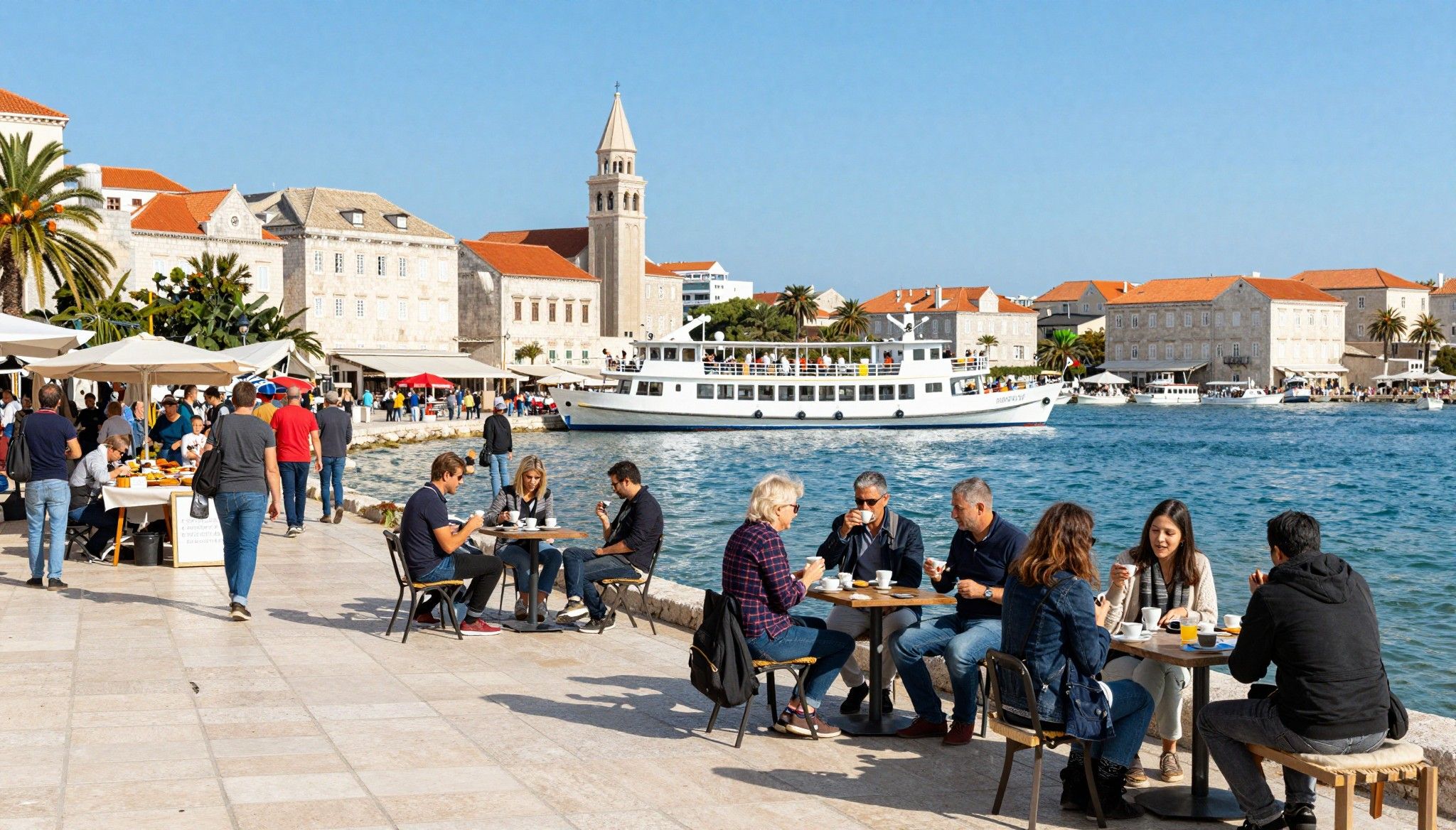
Walkable promenades in Sliema and Gzira — morning cafés and ferry links
Valletta’s cultural calendar — concerts and festivals that draw short‑stay demand
St Julian’s nightlife nodes — year‑round rental demand from leisure and corporate visitors
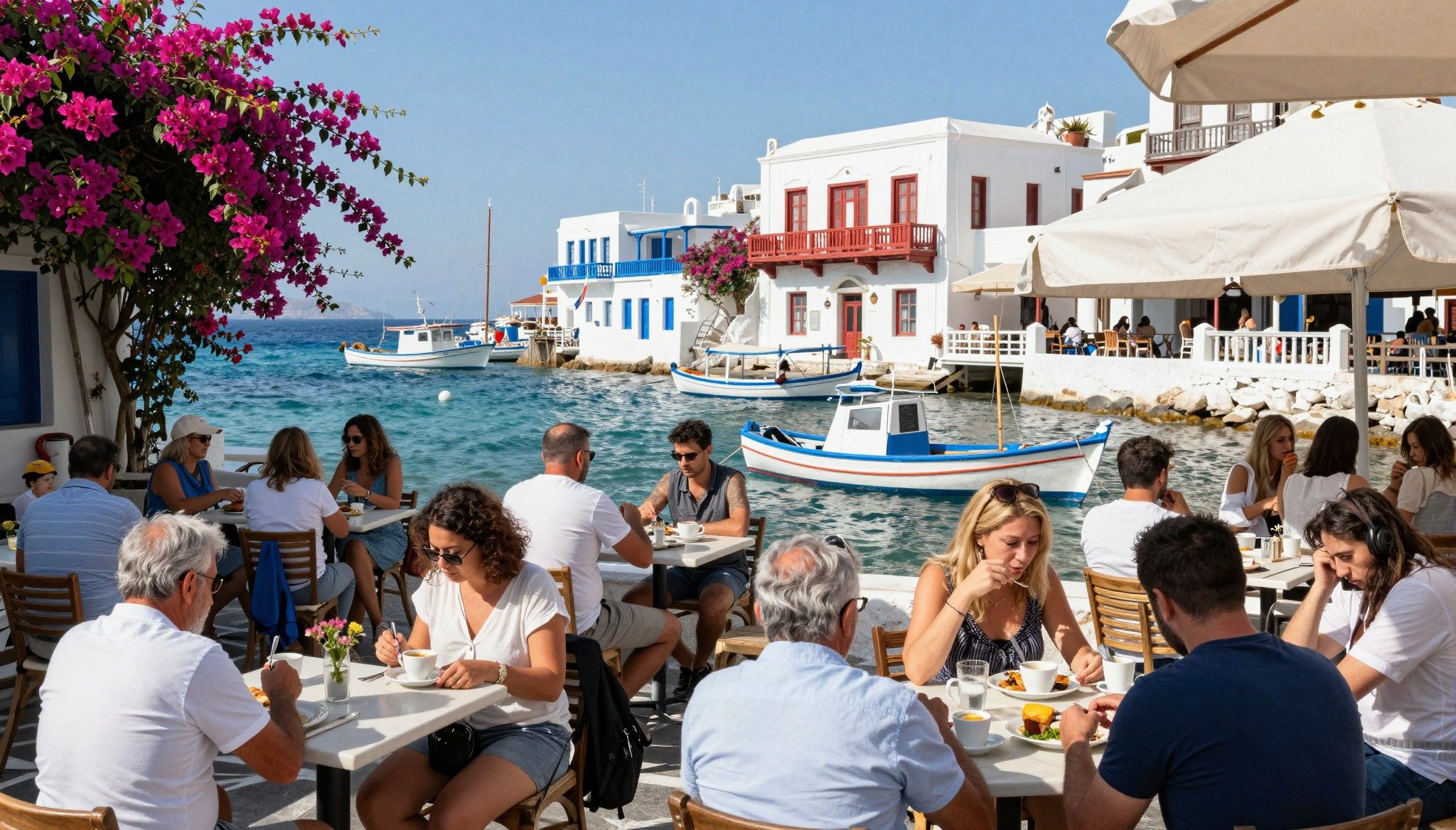
Gozo escapes — slower pace, family buyers, and niche holiday rentals
Making the move: how connectivity reshapes value and yield
Malta’s recent tourism rebound (3.56 million arrivals in 2024) and continued growth in sectors such as iGaming and fintech support steady rental demand, but yields are compressed vs many European markets. Gross yields commonly sit around the low‑to‑mid 4% range depending on location and property type, with inner‑Harbour and Sliema/St Julian’s stock typically near the lower end because of higher purchase prices. For investors, the difference between a 3.8% and a 4.5% gross yield in Malta often comes down to transport nodes and licensing exposure, not just finish level.
Property types and what they actually rent for
One‑bed apartments near transport hubs can command faster tenancy turnover and marginally higher rents per sqm than equivalent units in quieter inland suburbs. Converted townhouses in Valletta have strong short‑stay potential but require heritage‑compliant refurbishment. New build apartments near major bus corridors or ferry terminals offer easier property management and steadier long‑let income — important if you intend to scale a multi‑unit portfolio.
Work with the right local expertise
Agencies that combine local market knowledge with regulatory know‑how are essential. Short‑term rental rules and licensing remain a live issue; enforcement gaps mean listings flourish but legal clarity matters for long‑term yield. Use a local agent who can verify licence status, explain tourist accommodation regulations, and model after‑tax returns — Malta’s 15% final withholding on gross rental income affects cash flow modelling for non‑resident owners.
Model for location‑driven yield: 1) Map transport nodes (ferries, airport express, main bus routes). 2) Cross‑reference with tourist intensity and business clusters. 3) Adjust projected rent by 5–10% premium if within 500m of a ferry or main bus corridor. 4) Deduct licensing risk for short‑lets if legality is unclear. 5) Factor 15% withholding tax into net yield.
Insider knowledge: what expats wish they'd known
Expats I’ve spoken with highlight three repeating lessons: pick the right node, budget for maintenance on older buildings, and expect seasonal fluctuation in neighbourhood character. Malta International Airport’s passenger growth supports year‑round connectivity, but peak months still create neighbourhood seasonality in places like St Paul’s Bay. Many buyers underestimated service costs for older limestone properties — routine plaster and waterproofing add to total cost of ownership.
Cultural integration and daily life
Life in Malta is social and local: you’ll learn neighbours’ names at church festa barbecues and form networks through cafés or bilingual schools. English makes formal admin easier, but local bureaucracy still runs on Maltese relationships and timing. For buyers planning to live here, build time into your schedule for local registrations, utility setup, and establishing a trusted trades network — these practicalities affect how quickly a property becomes a rental or your home.
Long‑term picture: connectivity and capital appreciation
Connectivity upgrades and tourism growth have historically supported capital appreciation in Malta’s best‑connected corridors. Expect incremental revaluation where public transport improvements, airport route growth, or new office clusters concentrate demand. For portfolio investors, the prudent play is modest exposure to high‑connectivity micro‑markets plus a defensive allocation in quieter inland towns that offer lower entry prices and steady long‑let demand.
Three practical next steps for buyers
1) Map five properties within 500m of transport nodes, 2) request licence and occupancy history from the vendor, 3) get a local cost‑of‑works estimate for maintenance and heritage compliance, 4) model net yield including 15% withholding and 2–3% management fees, 5) instruct an independent conveyancer to confirm title and restrictions.
Malta sells a life wrapped in sea air, dense neighbourhood culture, and excellent short‑haul connectivity to Europe. If you’re buying for lifestyle and returns, make connectivity your primary filter: the right ferry, bus or airport link can be the difference between a low single‑digit return and a resilient, tenant‑friendly income stream. Work with local experts who understand licences, seasonal demand, and maintenance realities — then pick the node that aligns with both your weekends and your cash‑flow model.
Swedish financier who guided 150+ families to Spanish title deeds since relocating from Stockholm in 2012, focusing on legal and tax implications.