How Croatia’s Rule Changes Reprice Rental Yield
How recent Croatia rules—foreign‑buyer reciprocity, short‑let enforcement and tax clarity—reshape net yields and practical buying timelines for international investors.
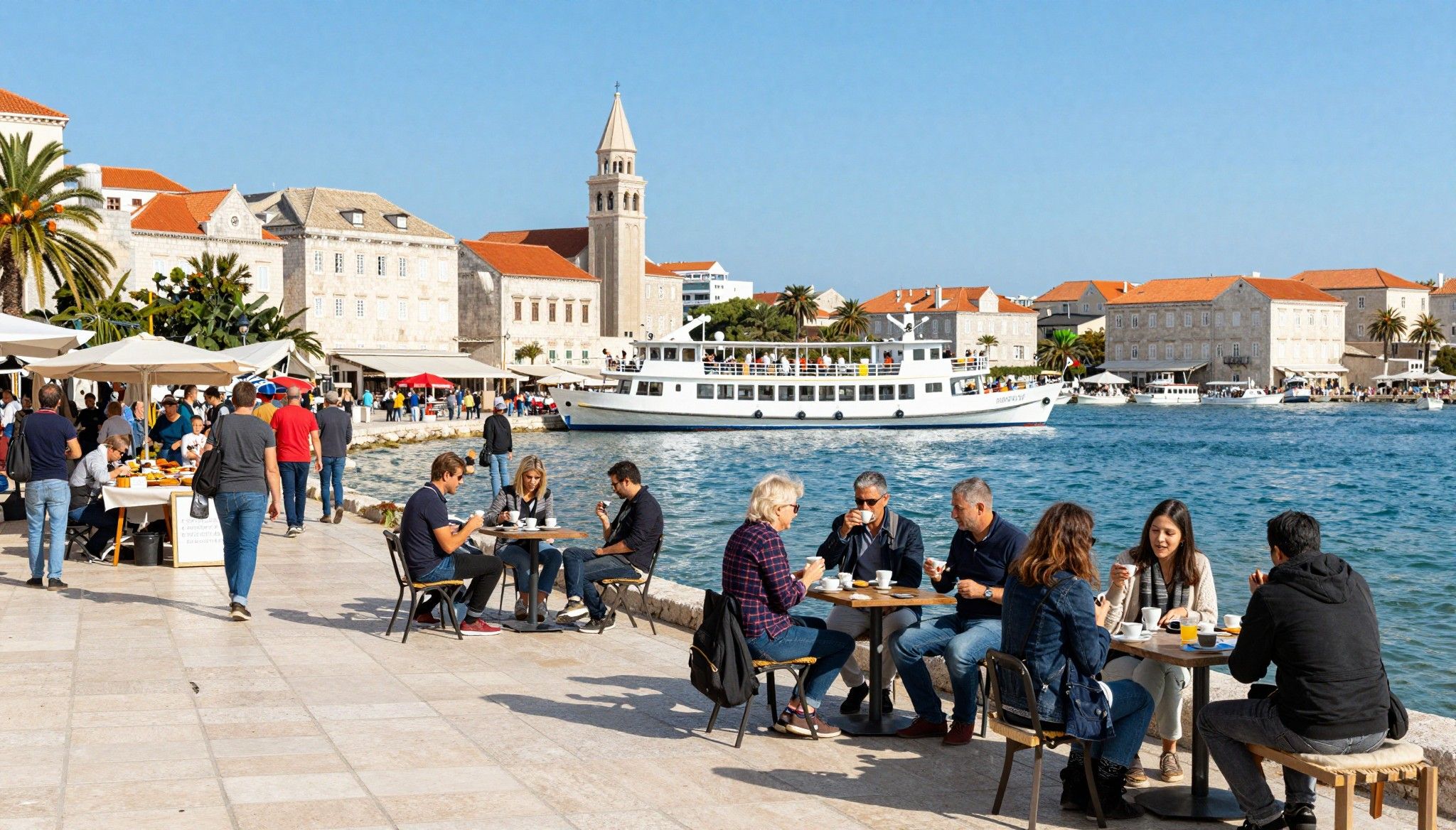
Imagine sipping thick espresso at an outdoor table on Split’s Riva, then walking ten minutes to inspect a stone apartment whose rent is paid by seasonal tourists. Croatia sells a coastal fantasy—but recent regulatory shifts and procedural realities reprice that dream. This guide blends day‑to‑day living scenes with the legal changes that change net yields, so you can feel the place and model the returns.
Living Croatia: the sensory pull behind the investment
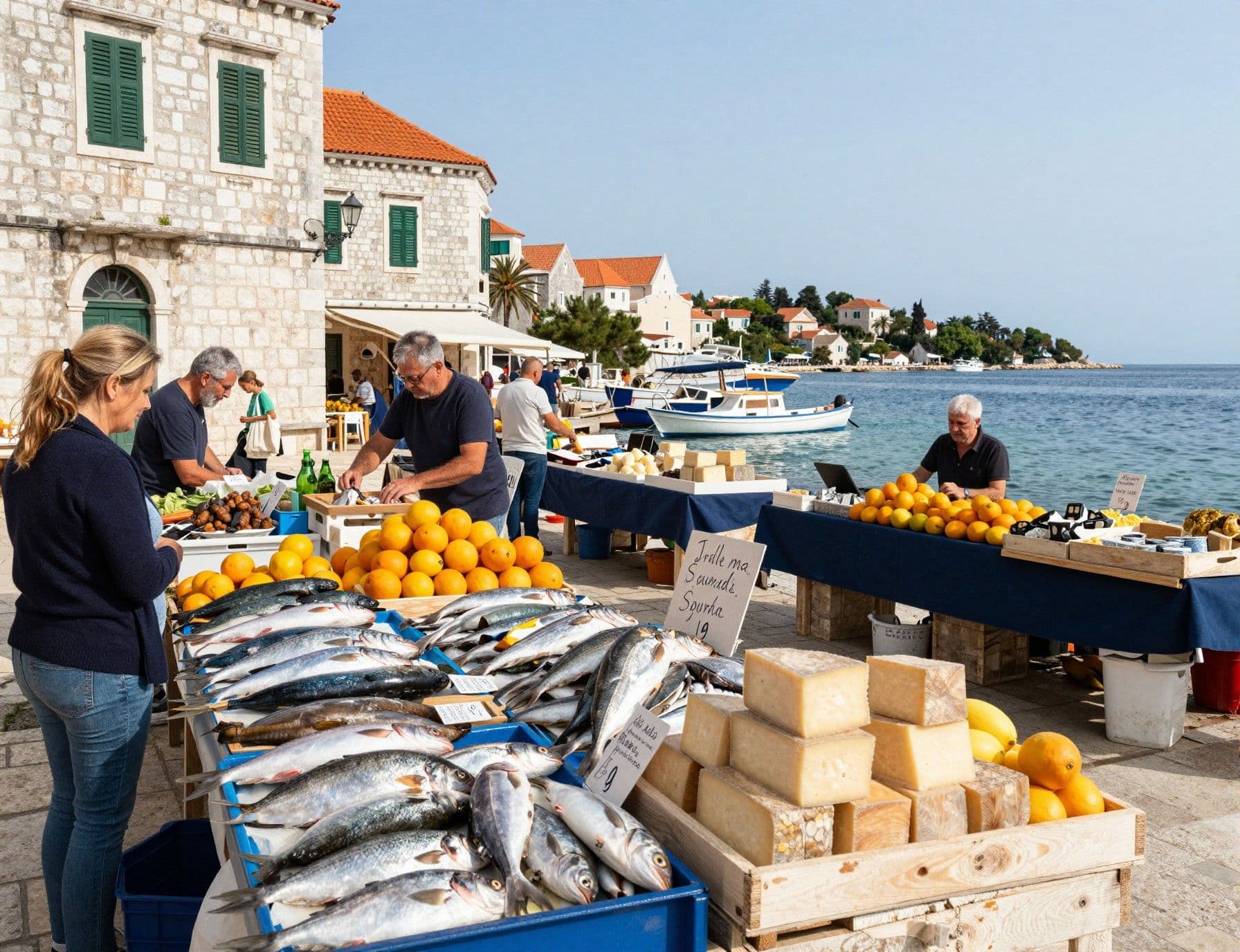
Croatia’s rhythm is Mediterranean clarity and late‑afternoon quiet. Coastal towns like Dubrovnik and Hvar pulse in summer with ferries, markets and terrace dining; inland towns such as Varaždin or Osijek move at a steadier pace dominated by year‑round residents. For an investor this matters: places with vibrant year‑round economies produce steadier long‑term rental demand than pure seasonal hotspots.
Dalmatian coast vs. continental Croatia — lifestyle snapshots
On the Dalmatian coast you’ll trade quiet winters for explosive summers; cobbled streets in Trogir and Split fill with holidaymakers from June to September. Inland cities like Zagreb and Osijek offer consistent rental demand from students, locals, and business travellers, and a calendar of cultural festivals that sustains off‑season occupancy. That seasonality profile should be baked into any yield calculation.
Neighborhoods that tell the true story
Walk Split’s Veli Varoš for narrow lanes and tenant‑friendly small flats; consider Zagreb’s Gornji Grad for steadier long‑lets to professionals. In Dubrovnik, suburbia like Lapad or Ploče often outperforms some Old Town units once management, cleaning and municipal restrictions are accounted for. The street matters: proximity to ferry ports, markets (e.g., Dolac in Zagreb) and reliable transport drives net rental days.
- Local lifestyle highlights: 1) Morning markets (Dolac, Split fish market), 2) Sunset promenades (Split Riva, Zadar waterfront), 3) Island hopping from Trogir marina, 4) Year‑round festivals (INmusic in Zagreb), 5) Seasonal truffle and gastronomic circuits inland.
Making the move: how regulatory shifts reprice returns

Lifestyle is the gate‑opener; regulation defines the math. Two recent, high‑impact changes deserve attention: the post‑2023 normalization of EU buyers’ access to property and evolving short‑term rental and tax enforcement. These shifts change time‑to‑ownership, allowable property types, and predictable net income—three variables that materially alter cap rate projections.
Who can buy and why reciprocity matters
EU citizens now acquire property under near‑parity with Croatians, removing a past barrier that compressed supply for international buyers. Non‑EU buyers still face the reciprocity principle and may need Ministry approval or the route of setting up a Croatian d.o.o. (company). That administrative friction can add months and fees: factor transaction timeline risk when modeling IRR.
Short‑term letting rules and enforcement trends
Municipal permit regimes and clearer tax guidance mean previously informal short‑term income is now visible to authorities. Hosts must register activities, collect and remit tourist and income taxes, and meet safety/health standards. For investors, this narrows the gap between headline gross yield and net, increasing operating compliance costs and potentially reducing peak season arbitrage.
- Model adjustments to protect returns: 1) Inflate operating expenses by 8–15% to account for permit, cleaning and municipal levies; 2) Assume effective occupancy 15–30% lower in regulated hotspots vs. pre‑regulation; 3) Add a 3–6 month timeline buffer when buyer is non‑EU or needs Ministry approval; 4) Quote yields net of expected income tax and lump‑sum deductions.
Insider knowledge: mistakes expats make (and the contrarian moves that pay)
Expats frequently overpay for Old Town character and underestimate legal friction and recurring municipal costs. Contrarian investors look one street back from seafront promenades—suburban pockets near ferry hubs or university districts often deliver higher, steadier yields. The trick is matching lifestyle appeal to realistic tenancy profiles.
What locals avoid (and why you should look there)
Local buyers often skip compact Old Town flats because of management hassles and strict municipal rules; foreigners romanticize them. That avoidance creates value for investors who can handle operations: buy the compact unit, position it for medium‑term rentals to professionals or digital nomads, and capture higher yield after deducting compliance overhead.
Due diligence checklist that fits Croatia’s reality
- Title search and cadastre verification; utility and building permits (especially for conversions to short‑term lets); municipal tourist registration requirements; tax treatment of rental income and capital gains; corporate structure if buying through a d.o.o.; realistic cap‑rate stress tests using conservative occupancy.
- Step-by-step transaction timing: 1) Pre‑offer legal check (2–3 weeks), 2) Offer and deposit with conditional clauses (1–2 weeks), 3) Notary signing + transfer tax/workflow (4–8 weeks if EU buyer; add 3–6 months if non‑EU needs approval), 4) Register ownership and set up tax accounts (2–6 weeks).
How agencies add measurable value here
A rigorous agency will show you comparable net yields (not headline prices), explain municipal short‑let rules per building, and manage the turn‑key pathway from purchase to listing. For non‑EU buyers, agency partners with legal and company‑formation expertise materially shorten time to cashflow and reduce approval risk.
- Investor actions today: 1) Stress test every target for regulated short‑let scenarios, 2) Prefer units near year‑round demand drivers (universities, hospitals, ports), 3) Price in company formation if non‑EU, 4) Negotiate seller warranties on title and permits, 5) Lock a local property manager before closing.
Croatia feels like a life upgrade—fresh markets, Adriatic air, and compact historic centres—but the path from romantic intent to predictable yield runs through regulation. Use conservative operating assumptions, verify buyer eligibility and timelines, and partner with agencies that translate lifestyle into calibrated yield models. If you want a tailored shortlist that balances year‑round cashflow with coastal charm, start with a local due‑diligence packet and a signed engagement with legal counsel.
Practical next steps: request official reciprocity confirmation if you’re non‑EU, get recent municipal guidance on short‑term letting for candidate properties, and commission a 12‑month cashflow stress test that includes permit, tax and vacancy scenarios. Those three documents convert romance into an investable proposition.
Norwegian market analyst who relocated from Oslo to Mallorca in 2016, guiding Northern buyers through regulatory risk, currency hedging, and rentability.