Why Cyprus’s Coastal Price Myth Misses the Yield
A lifestyle‑first look at Cyprus that converts beaches and cafés into a risk‑tested investment framework, with scenario levers and local data.
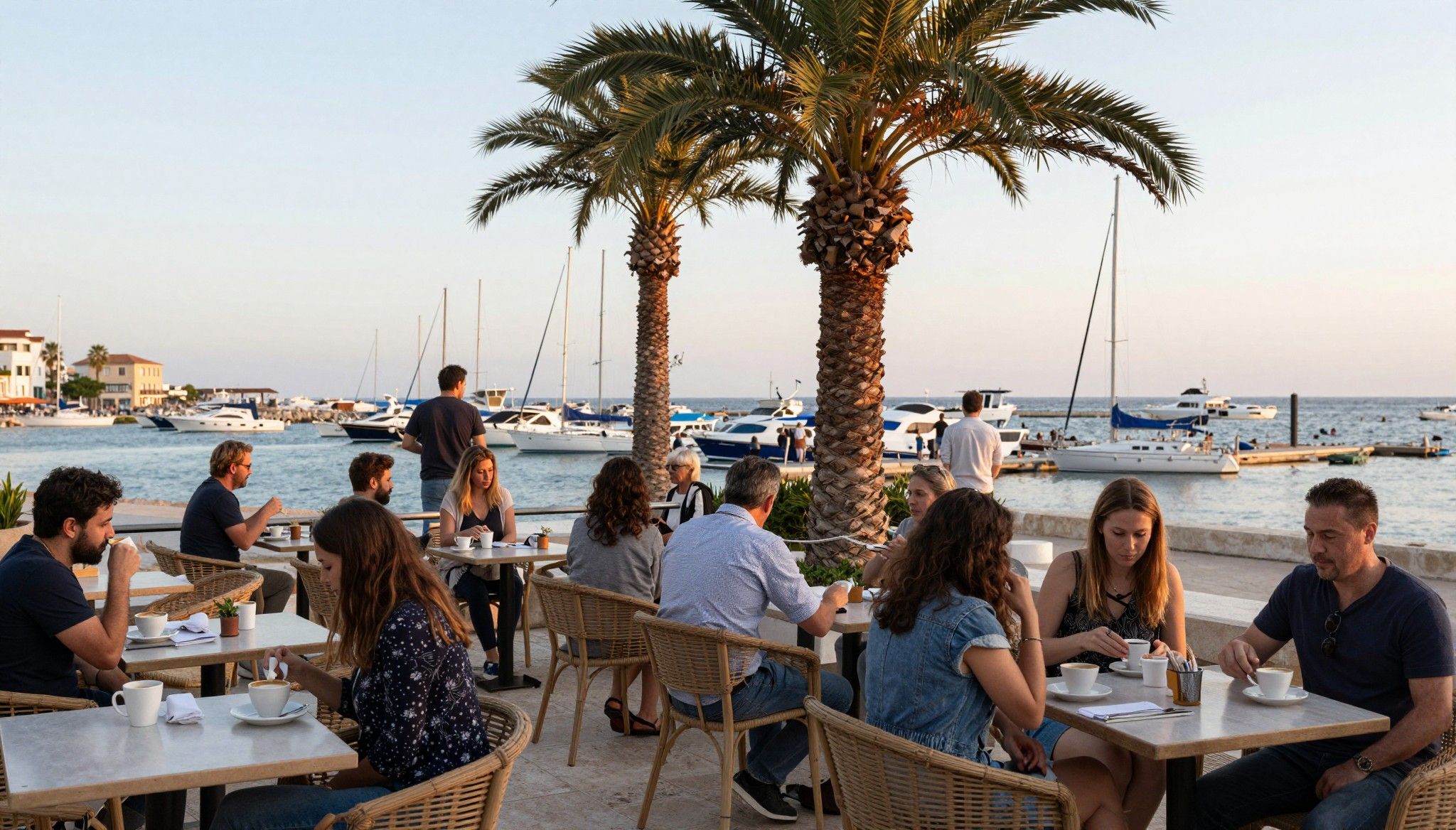
Imagine a late‑morning espresso at Anthonas in Limassol’s Old Port, the sea a shimmer beyond the terrace. Neighbourhood dogs nap, a developer’s hoarding is three streets away, and the asking price for a seafront two‑bed looks less forbidding when you model rental demand across summer and shoulder seasons. This guide flips the usual Cyprus sales brochure: it shows how to convert lifestyle signals — beaches, markets, café culture — into a rigorous risk and sensitivity framework for buy‑to‑let and personal use.
Living Cyprus: rhythms that matter to return models
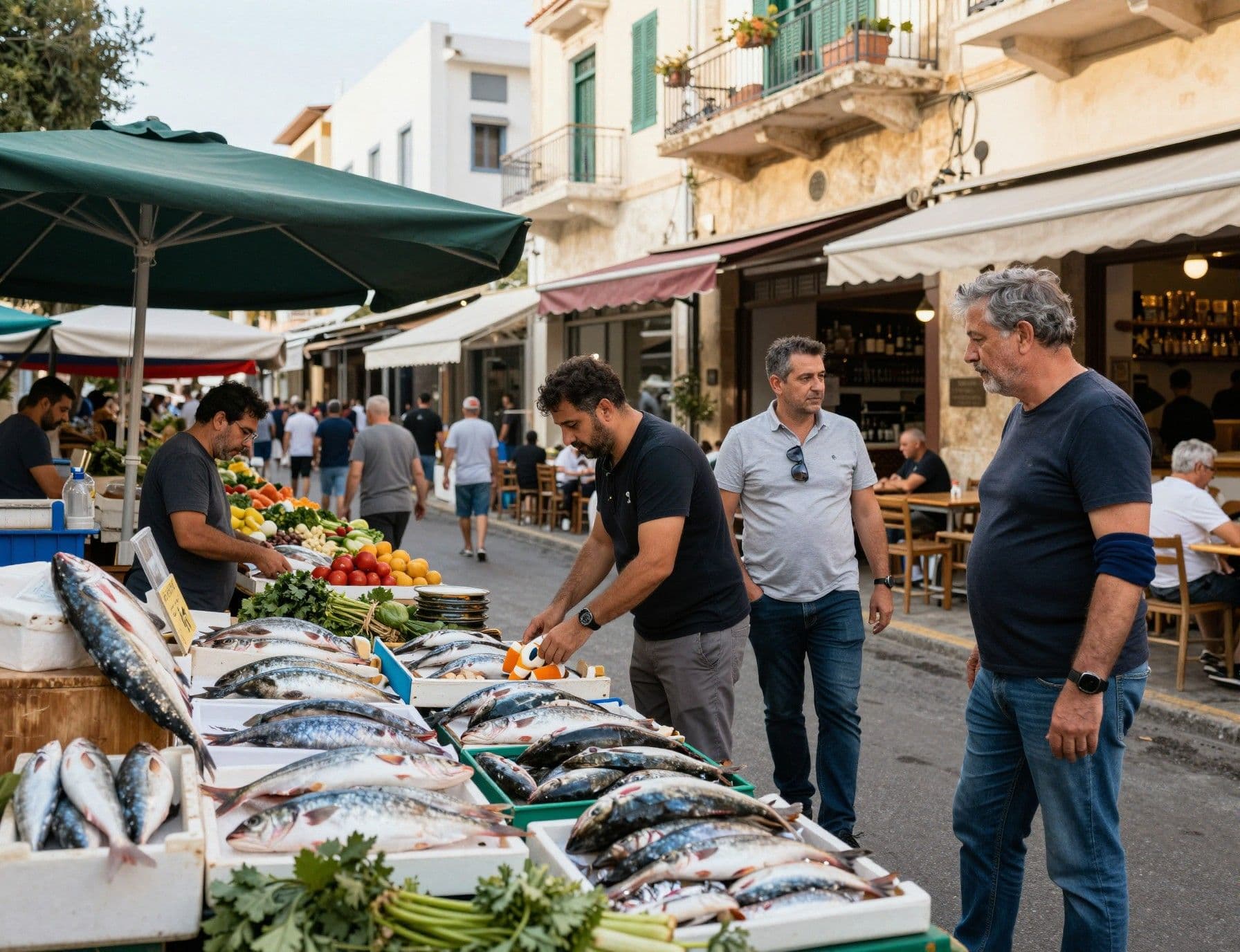
Daylight, short commutes, and a heavy outdoor social life shape demand patterns. Tourism topped 4.04 million arrivals in 2024, concentrating demand on coastal towns during May–October but producing steady year‑round interest in Nicosia and mountain villages. For investors, those rhythms translate into predictable seasonality and a measurable floor for occupancy that you can stress‑test in a downside scenario. (Data source: CYSTAT and tourism reports.)
Neighbourhood pulse: Limassol, Paphos, Larnaca, Nicosia
Limassol is nightlife, corporate tenants, and high short‑term demand around Molos and the Old Port; Paphos trades on family holiday demand (Kato Paphos, Coral Bay) with attractive price per square metre; Larnaca’s Finikoudes and Mackenzie are low‑friction buys for year‑round rentals; Nicosia is institutional renters, stable long‑lets, and the most consistent yields when you avoid the very centre’s administrative stock. Map these neighbourhoods to the tenant profile you plan to target before you model returns.
Food, markets, and micro‑seasonality that move cashflows
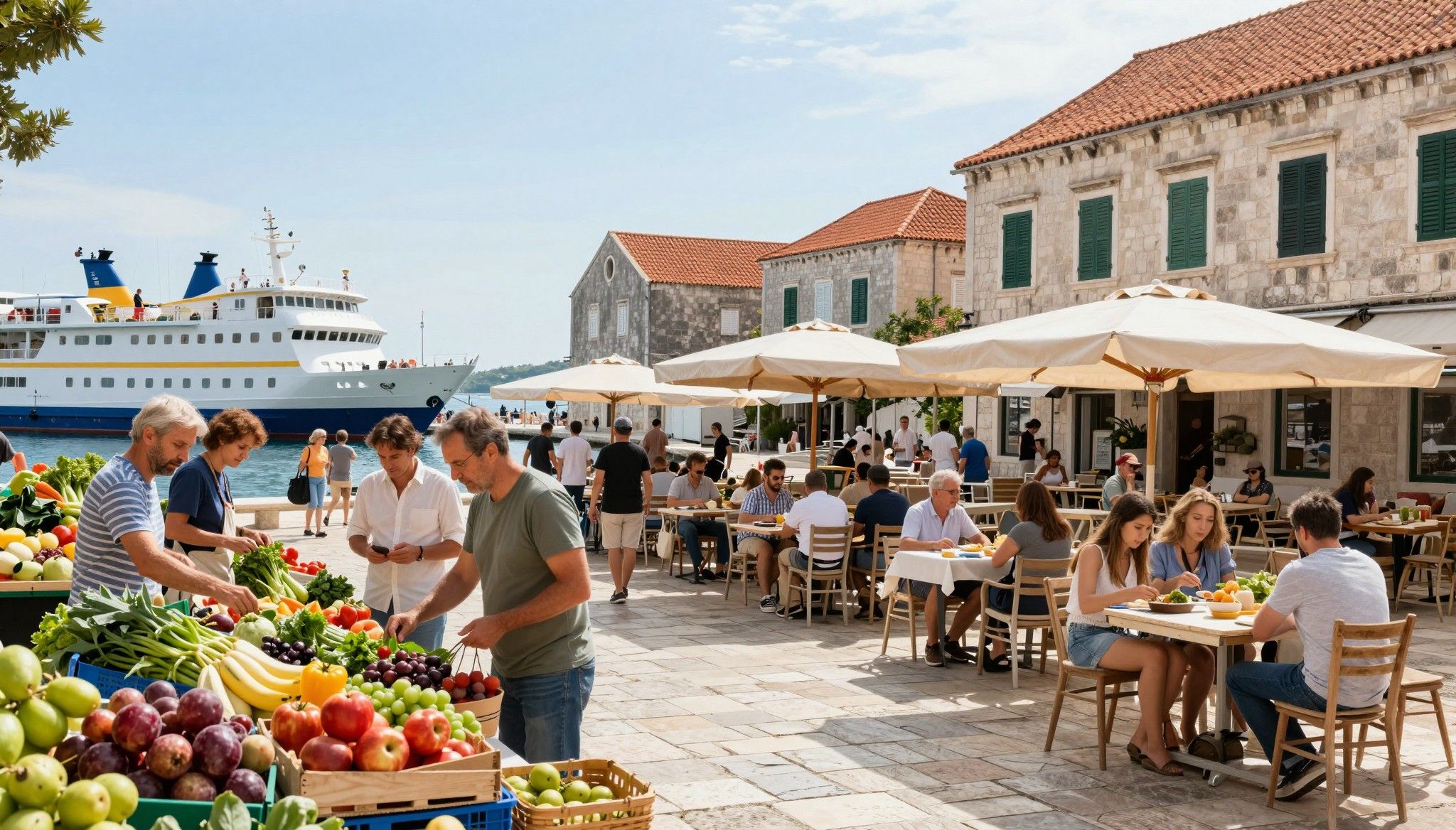
A morning market in Limassol’s municipal market or a Sunday fish lunch at Agios Georgios in Paphos are not just charm points: they extend shoulder‑season occupancy by converting day‑trippers into overnight stays. Use local event calendars (festivals, Easter, Orthodox holidays) as uplift factors in revenue modelling rather than surprises.
- Lifestyle highlights that matter to investors: • Limassol Old Port and Molos promenade — strong short‑term demand and premium nightly rates • Kato Paphos harbour and Coral Bay — family holiday occupancy, longer average stays • Larnaca Finikoudes promenade — affordable entry, steady year‑round demand • Nicosia Strovolos and Engomi — stable long‑let apartment market • Troodos villages — niche winter mountain retreats with renovation upside
Making the move: measuring risk and sensitivity

Translate lifestyle desirability into stress‑tested cashflows. Use three scenarios — base, optimistic, downside — with explicit levers: occupancy (±10–30%), average nightly/weekly rates (±5–20%), maintenance and management (±10%). Cyprus data show continued apartment momentum: apartments made up the majority of new sales in 2025, and national price indices rose through 2025Q2. Those trends support upside but increase downside exposure if tourist flows slow.
Key variables to stress-test
- • Gross rental yield: model between 3.5% (downside) and 6% (optimistic) — market average near ~4.8%. • Occupancy: coastal short‑term stock can exceed 70% in summer; use 35–55% for an annualised conservative base. • Price per m² variance: expect premium coastal pricing vs inland; use 10–30% deltas depending on micro‑location. • Operating costs: property management + marketing for short‑term rentals adds 15–30% to running costs.
- Step-by-step sensitivity checklist for a Cyprus buy: 1. Define target tenant (short‑term holiday, corporate, long‑let expat). 2. Pull recent comps (last 12 months) for the same neighbourhood and property type. 3. Run three cashflow scenarios with explicit occupancy and rate assumptions. 4. Include cyclical risk: reduce tourist arrivals by 15–25% in downside cases. 5. Stress mortgage rate by +200–300bps to test debt service coverage.
Insider knowledge: contrarian signals that protect returns
Skip the obvious 'buy the seafront' reflex and look for micro‑signals that preserve yields. A street one block back from the promenade often keeps the tourist premium but reduces acquisition price by 8–20%. Buildings with mixed long‑let/short‑term permission offer diversification in downturns. Local management relationships — multilingual cleaners, reliable electricians, and a straightforward letting agency — reduce vacancy risk more than an extra bedroom.
What expats wish they'd known
Expat owners repeatedly cite two surprises: (1) the true cost of seasonal maintenance and (2) the administrative time for permits and contracts. Budget a 6–12% annual buffer for cyclical repairs and legal admin; build local counsel into your due diligence. Agencies that offer a dossier approach — pre‑approved contractors, tenant screening, and tax contacts — cut time and reduce operational risk.
- Practical red flags to avoid: • Off‑plan developers without verifiable delivery history • Properties lacking clear title searches or with complex shared ownership • Units in buildings with unclear short‑term rental permissions • Overpriced listings based on transient market hype (check 12‑month comps)
Long‑term investors treat Cyprus as a diversified small‑market play: mix coastal short‑term stock for seasonal upside with city apartments for steady cashflow. Use rigorous sensitivity modelling, local market intelligence, and a small operational buffer to convert the island’s alluring lifestyle into repeatable returns.
Ready to test a Cyprus opportunity? Start with a three‑scenario cashflow model for a single listing: plug in local comps, use 4.5–5% as a realistic gross yield baseline, and stress occupancy by −25% to reveal downside. If returns survive that stress, the island’s lifestyle becomes an investment, not a lottery.
Conclusion: Cyprus feels like a holiday but behaves like a small, accessible market. The romance of terrace dinners and beach walks is real, but convert that romance into repeatable income by modelling seasonality, using local micro‑signals, and partnering with agencies that protect yields under stress.
Swedish financier who guided 150+ families to Spanish title deeds since relocating from Stockholm in 2012, focusing on legal and tax implications.