Greece: Lifestyle First, Then the Yield Math
Greece offers irresistible lifestyle appeal; map neighbourhood rhythms to Bank of Greece price indices and tourism receipts to turn emotion into durable investment returns.
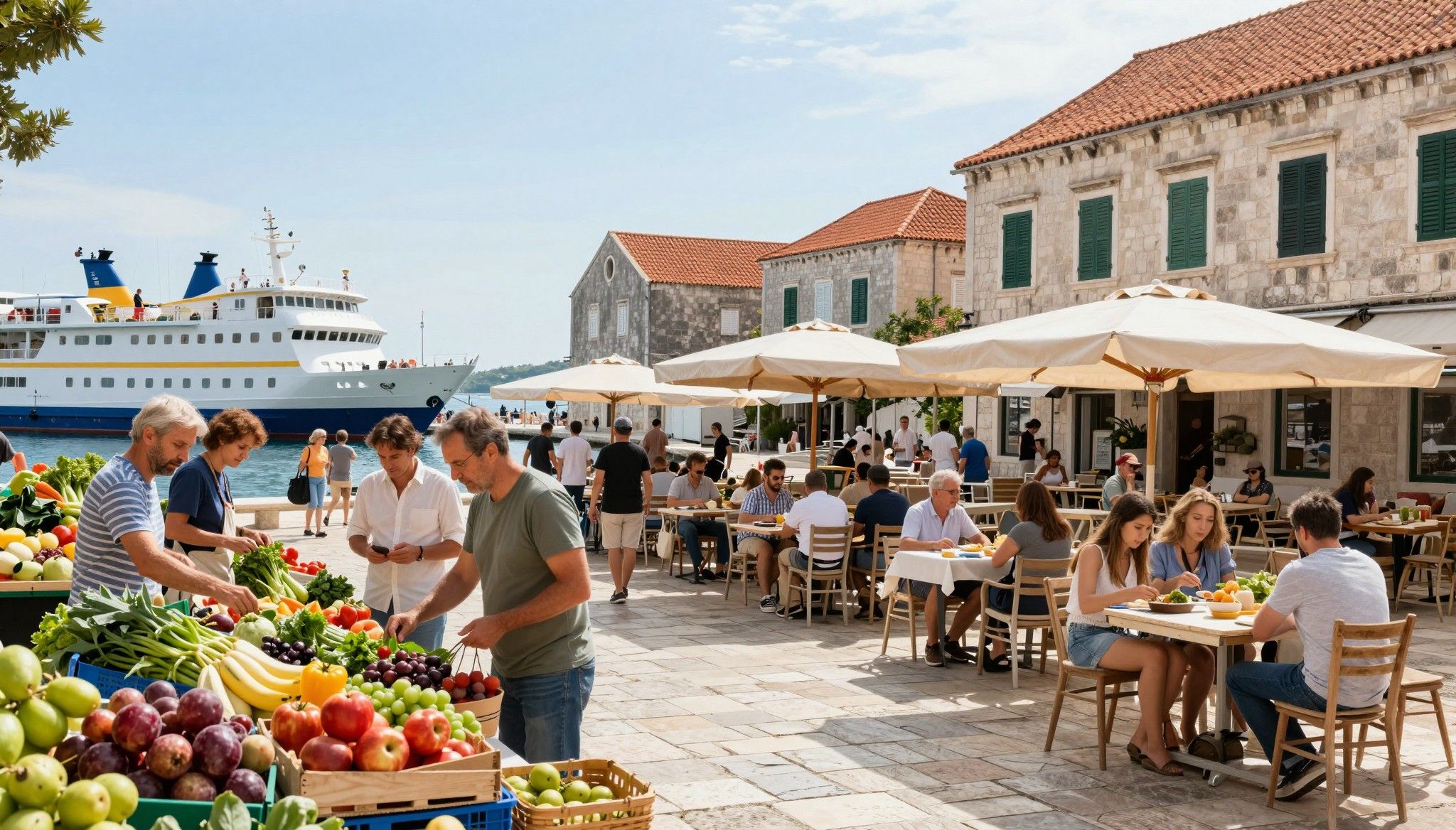
Imagine stepping out at dawn to buy figs at Varvakios Market, then walking the short tram ride to a sunlit apartment in Koukaki — coffee steaming in hand, a sea breeze on the horizon. That sensory routine is Greece: neighbourhoods that move at human pace, afternoons that bend around the sea, and winters that quiet the islands. For international buyers the romance is immediate; the real decision sits where lifestyle meets yield. Recent central-bank data and tourism receipts show demand patterns that materially affect returns and seasonality. (See Bank of Greece and tourism reports below.)
Living the Greece lifestyle
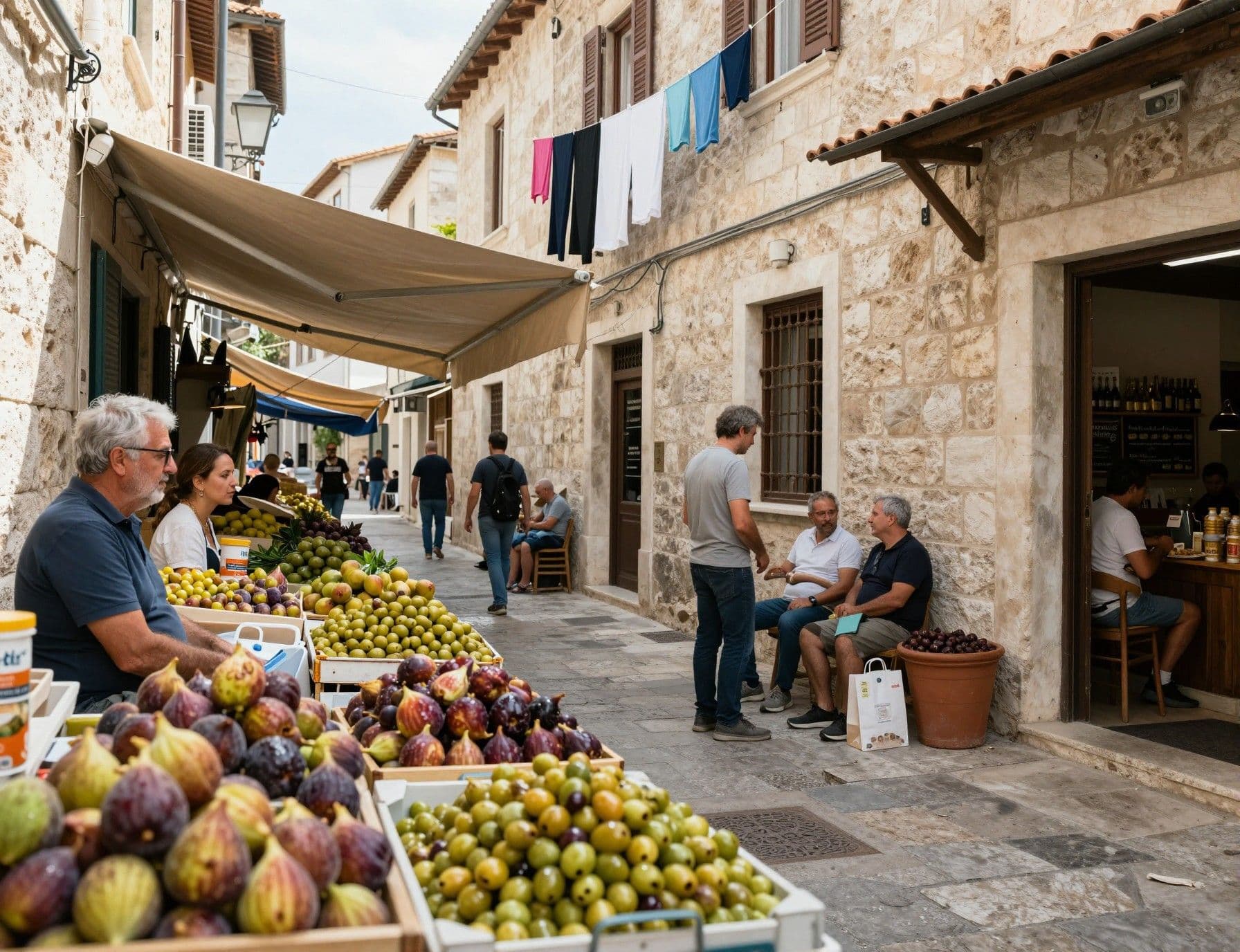
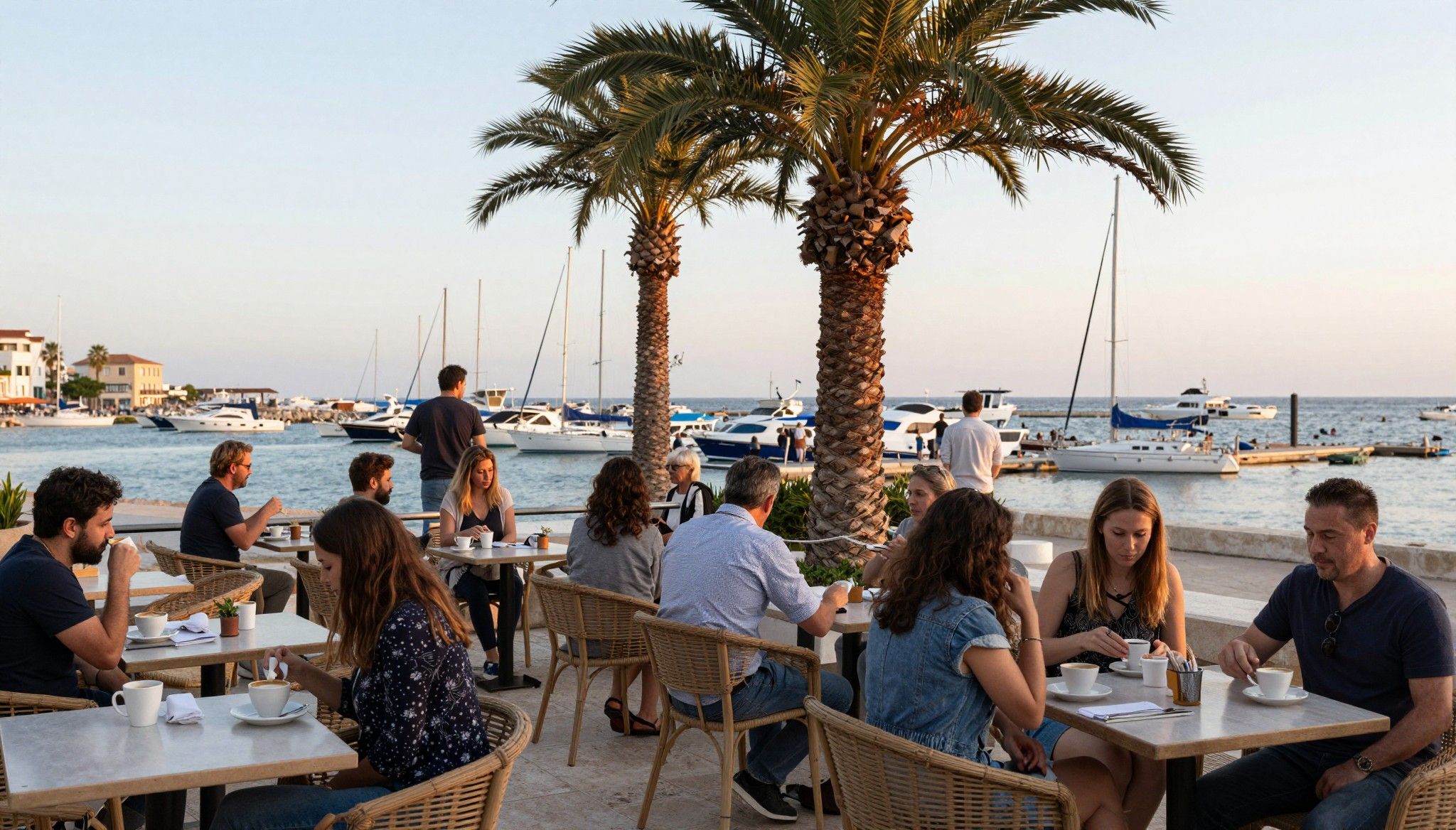
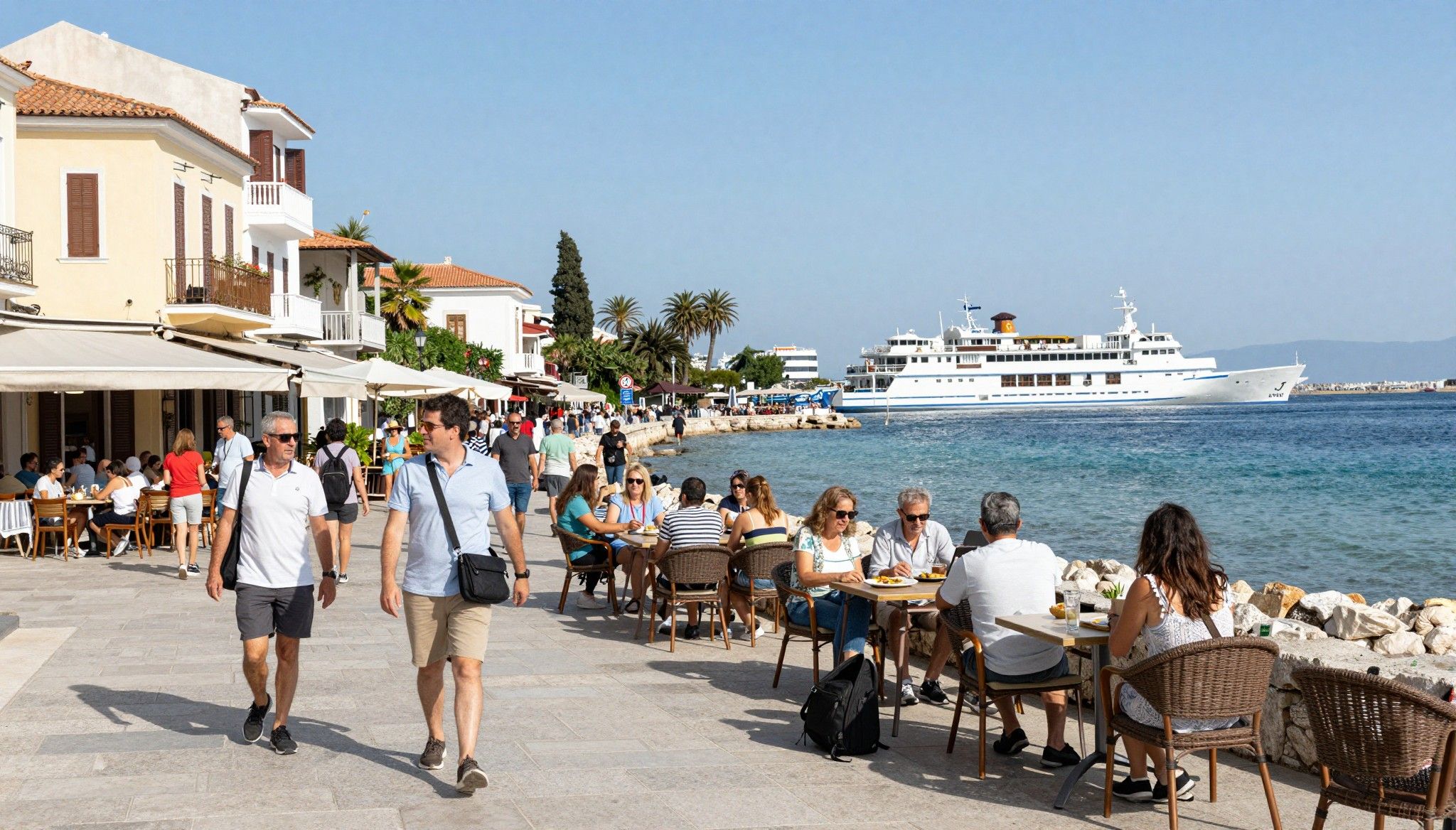
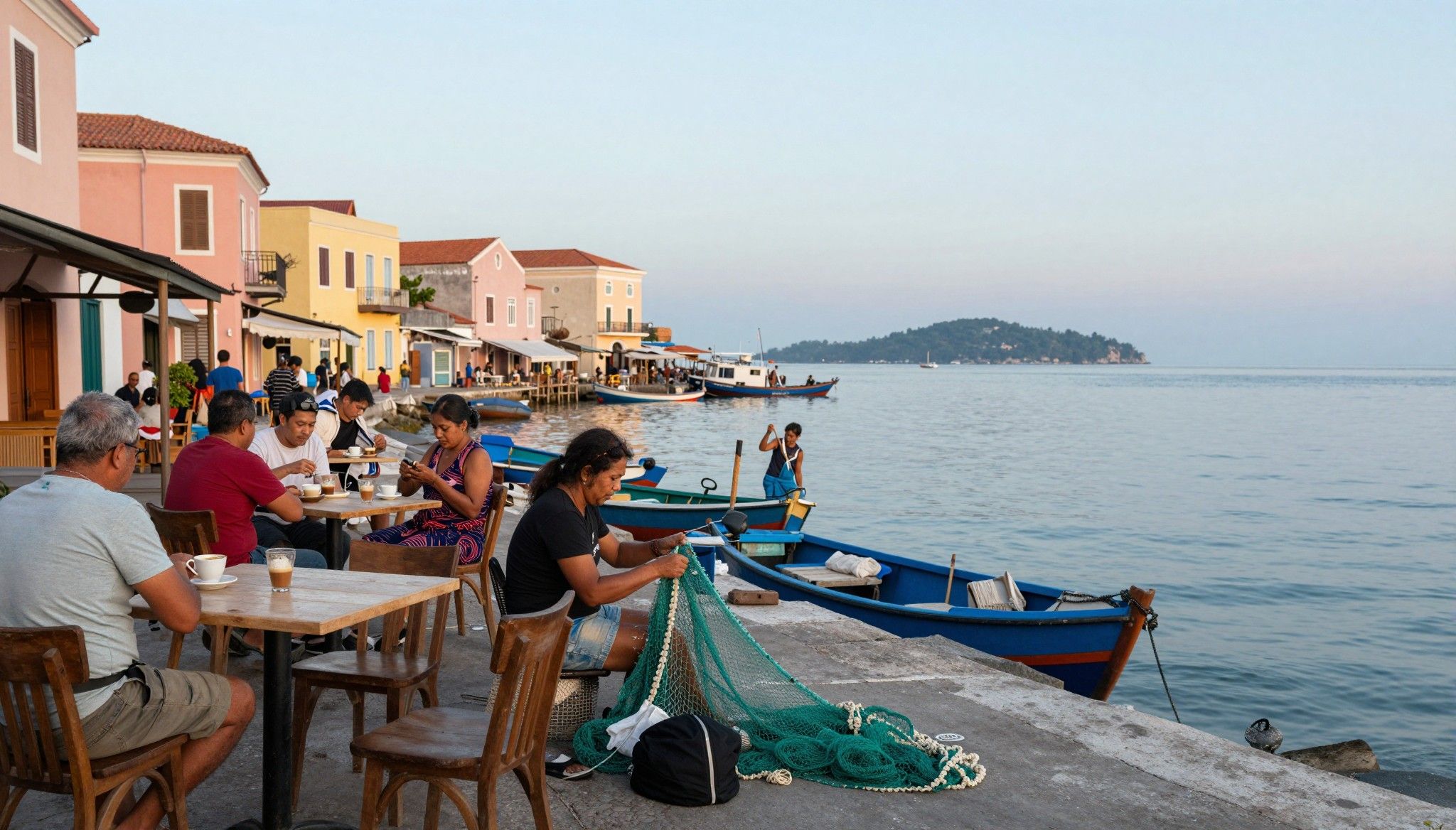
Greece is smaller than many buyers imagine: dense islands, compact historic centres and commuter-friendly suburbs. Days are ruled by outdoor cafés, fresh markets, and a strong culture of socialising. In Athens, narrow lanes of Pangrati or Koukaki host local bakeries and late-night tavernas; on the islands, Naxos and Paros trade quiet agricultural mornings for busy harbours at noon. This texture shapes what you’ll actually rent and who will occupy it — long-stay digital nomads in winter, short-term holiday groups in July and August.
Athens: urban pulse, micro‑neighbourhood differences
Walk the streets from Kolonaki’s cleaner lines to Exarchia’s graffiti‑rich blocks and you’ll feel different tenant pools. Kolonaki appeals to longer-term professional tenants and expatriates; Kipseli and Neos Kosmos attract budget renters and first‑time buyers. Price per square metre in central Athens varies widely, so an investor targeting net yield must map neighbourhood micro‑markets rather than treat the city as uniform.
Islands vs Mainland: living rhythms and rental profiles
Islands like Mykonos and Santorini generate strong short‑term yields in peak months but suffer extreme seasonality; secondary islands (Naxos, Paros, Kefalonia) offer longer seasons and steadier occupancy. Mainland coastal towns (Chania in Crete, Nafplio in Peloponnese) blend tourism with resident communities, giving more balanced year‑round demand. Match the lifestyle you want — beachfront café life or all‑season village calm — to the rental profile you need.
- Local lifestyle highlights: Varvakios Market (Athens), Koukaki terraces, Kolonaki galleries, Naxos inland villages, Paros kite beaches, Chania harbour markets
Making the move: practical considerations
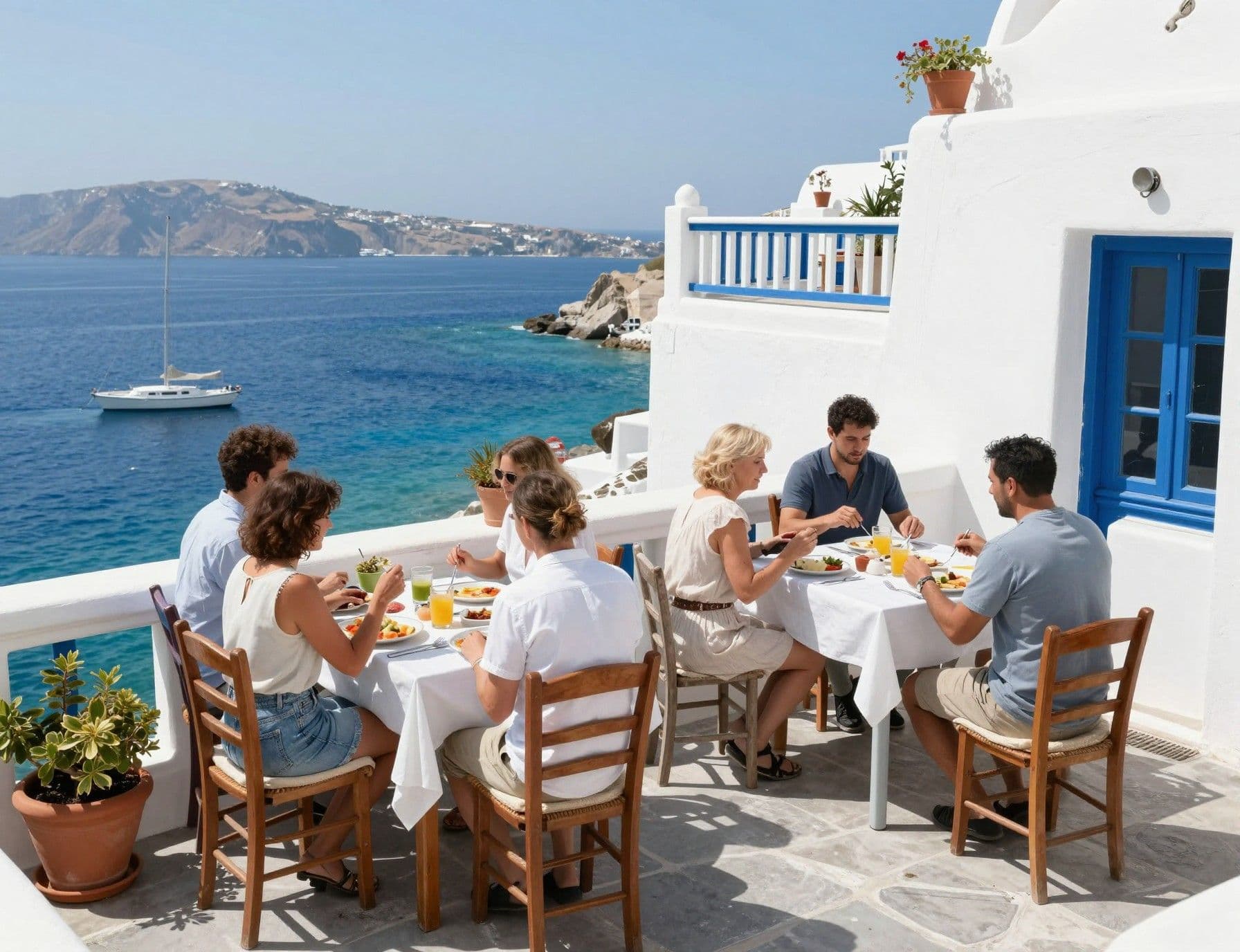
The romance meets arithmetic here. Greece’s housing index has risen materially since 2017 and central-bank reports show notable price gains in cities and tourism hotspots. At the same time, tourism receipts and arrival numbers recovered strongly — over 40 million visitors in 2024 according to final Bank of Greece figures — compressing short‑term inventory in high‑season locations. That combination reprices risk: capital appreciation is possible, but so is compressed yield if you buy at tourist‑peak prices without planning occupancy beyond July–August.
Property types and how they affect living and yield
Typical options are historic city apartments (stone buildings, modest m2), modern condos (new builds in Athens suburbs), and island villas (seasonal demand). Historic apartments attract long‑term tenants seeking centrality but often need renovation; modern condos offer lower maintenance and predictable utilities. Villas deliver headline rental income in summer but require active management and higher carrying costs in low season.
Working with local experts who translate lifestyle into returns
Agencies and local property managers do more than show houses. The best advisors map seasonality (daily rates vs occupancy), understand municipal zoning (which affects short‑term rentals), and have contractor networks for restorations tuned to local building norms. Expect to validate asking prices against recent registered sales and the Bank of Greece indices, and to insist on rental‑market comparables rather than glossy agency forecasts.
- Practical steps that blend lifestyle and finance: 1) Shortlist neighbourhoods by lifestyle (cafés, transport, market access) and collect 12‑month occupancy data. 2) Cross‑check asking prices with Bank of Greece sales indices and local transaction records. 3) Model net yield conservatively (assume 50–60% of summer daily rates averaged across the year for island assets). 4) Budget for local management, winter carrying costs and periodic restorations. 5) Verify zoning and licensing for short‑term letting before signing.
Insider knowledge: what expats wish they'd known
Experienced expats point to a few predictable surprises: summer rents can look attractive until you factor in seven months of low demand; local bureaucracy is slow but manageable with the right translator; and neighbourhood character can shift quickly as refurbished properties price out locals. Bank of Greece analysis and OECD tourism studies confirm that tourism diversification and rising arrivals are structural trends, but also highlight uneven regional gains — an investor should avoid assuming every coastal town benefits equally.
Cultural integration, language, and daily life
Greek daily life rewards curiosity: learn a few market phrases, join a local kafeneio (coffee meeting), and you’ll find repair people, contractors and tenants faster. Language matters more outside Athens; on islands local networks still run informally. That affects renovation timelines and cost estimations — build local buffer time into your schedule and contracts.
Long‑term lifestyle sustainability and market signals
If you’re buying for a life change rather than pure yield, prioritise neighbourhood services: year‑round grocery, reliable healthcare access, and community life. From an investment stance, watch for infrastructure upgrades (new ferry links, regional airports) and municipal plans that can reprice a micro‑market. The Bank of Greece’s regional data and tourism receipts are practical signals of where demand is consolidating.
- Red flags investors should watch: • Buying peak‑season pricing without year‑round rental evidence • Properties lacking proper title deeds or with unresolved inheritance claims • Areas with one‑dimensional tourism dependence and no resident base • Underestimated renovation costs due to traditional construction quirks
Conclusion: Greece sells a life — cafés at sunrise, short swims between work calls, slow Sundays in village squares. For international buyers the task is to tether that life to defensible financials: measure micro‑market rents, triangulate prices with Bank of Greece indices and tourism receipts, and work with advisers who translate lifestyle into sustainable yields. If you love the place, make the math love you back.
Danish relocation specialist who moved to Cyprus in 2018, helping Nordic clients diversify with rental yields and residency considerations.