The Hidden Rules Rewriting Croatia's Holiday‑Rental Math
New Croatian short‑term rental and building‑governance rules have shifted coastal yield math—model income conservatively and check building‑level consent before you buy.
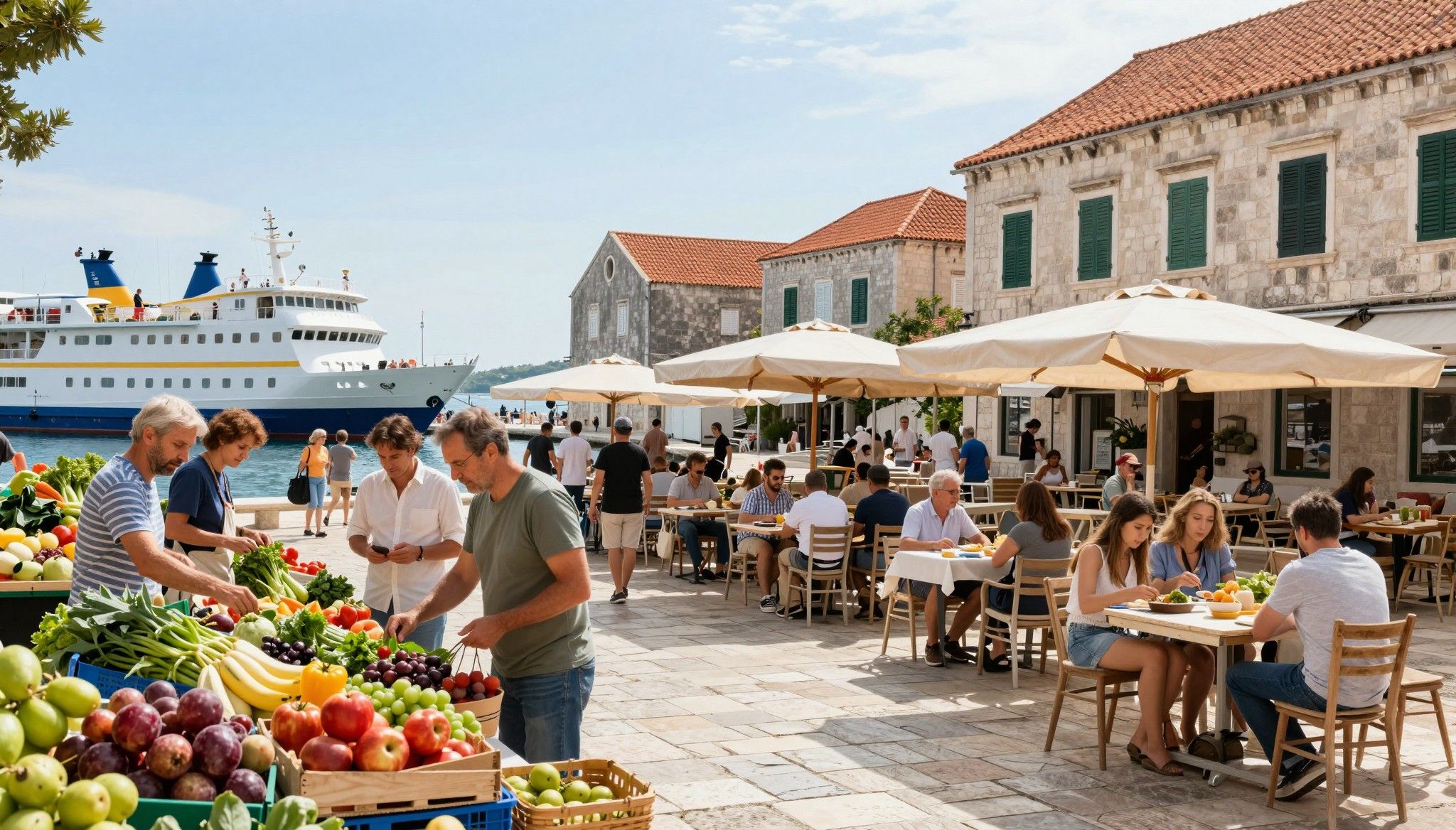
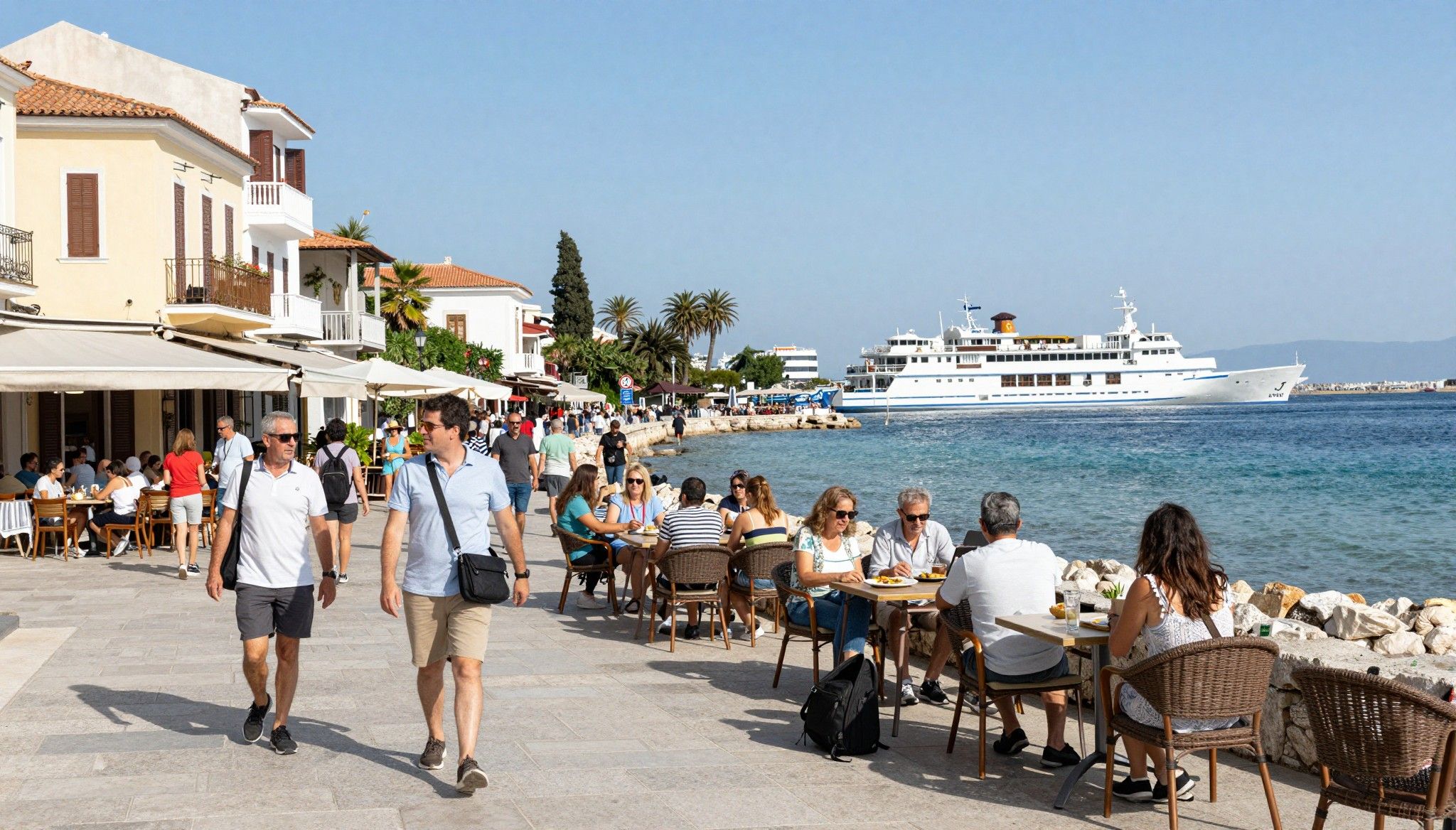
Imagine an early morning in Split: espresso steam rising from a café on Marmontova, fishermen unloading boxes on the Riva and a property manager already responding to a guest message. That sunlit rhythm—tourists by day, locals by night—has shaped coastal returns for a decade. But recent legal and tax shifts are quietly changing the arithmetic behind those sunny balances; the yield you expect from a seaside apartment no longer equals last year’s headline numbers. According to recent market analysis, buyers must now factor in stricter short‑term rental rules, new local governance of apartment blocks, and evolving tax treatments when modelling returns.
Living the Croatia lifestyle
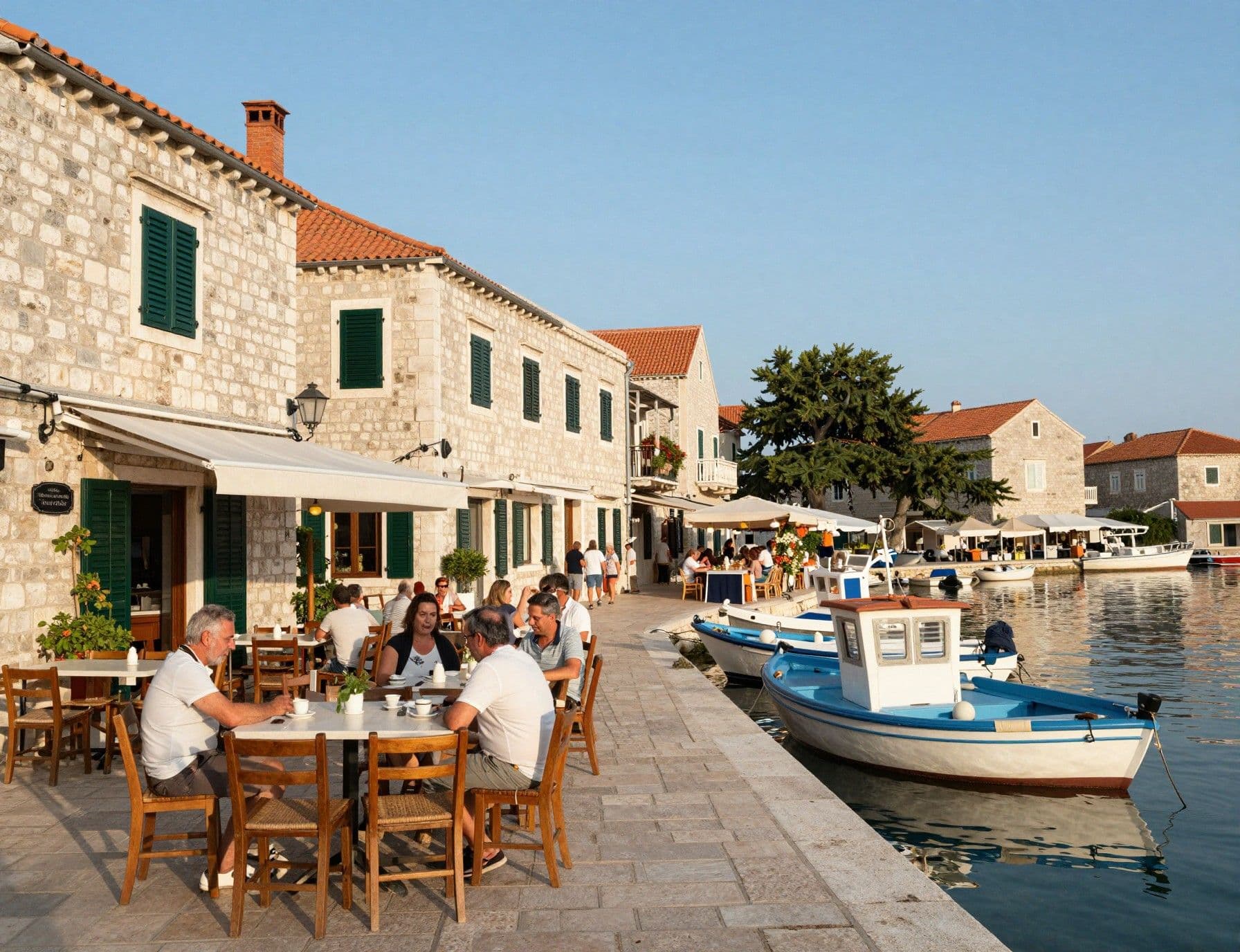
Croatia’s daily life balances Adriatic mise-en-scène with quiet, inland routines. Walkable old towns—Rovinj’s cobbled lanes, Dubrovnik’s piled red roofs, Zagreb’s Špansko markets—offer sensory cues that draw buyers: sea salt in the air, late‑afternoon aperitifs, farmers’ stalls piled with figs and cheese. For investors this lifestyle is the product you’re buying: a neighbourhood’s character drives short‑term demand, long‑term tenant appeal and therefore the income profile of any asset.
Neighborhood spotlight: Split’s Varoš and the Riva
Varoš is a 10‑minute stroll from the Riva but feels like a village within a city: laundry lines, small konobas and stair-stepped stone houses. Properties here command premia for authenticity during high season but face occupancy compression in shoulder months. That seasonality used to be offset by easy short‑term lets—now the legal context around apartment governance and short‑term permissions means investor due diligence must include building‑level rules, not just unit economics.
Food, markets and weekly rhythms
Saturdays at Dolac market in Zagreb or the fish market in Zadar convert neighborhoods into demand magnets: chefs sourcing local produce, expat families stocking up and guests hunting authentic experiences. These micro-economies matter: properties within walking distance of reliable markets and year‑round cafes sustain steadier mid‑season bookings and better long‑term tenant retention—factors that buffer rental yield volatility when regulations tighten.
- Lifestyle highlights that drive rental resilience: - Proximity to daily markets (Dolac, Rijeka fish market) - Walkable old towns (Rovinj, Trogir) - Reliable local transport links (Split ferry terminal, Pula airport) - Year‑round cultural venues (Zagreb film festivals, Dubrovnik summer theatre) - Access to healthcare and pharmacies in smaller towns (important for long‑stay tenants)
Making the move: practical considerations after regulatory change

The dream of a coastal bolt‑hole meets a regulatory checklist. EU citizens now generally buy under the same conditions as Croatians, but exceptions remain for agricultural land and specific local restrictions; the formal consent and registry process still requires local counsel. On top of ownership rules, the last two years have layered new rules on short‑term letting and building governance that materially affect operating assumptions.
Property types and how regulation reshapes their value
Stone houses in old towns, new coastal apartments and inland family homes respond differently to regulation. House price indices show strong nominal growth nationally, but capital appreciation does not equal free cashflow. For example, a seafront one‑bed that formerly achieved high summer ADRs (average daily rates) may now face building‑level bans or extra fees—which reduces net yield even if the price per square metre rises. Always separate projected capital growth from operating income when stress‑testing returns.
Working with local experts who understand the new rules
Use lawyers familiar with Ministry consent processes and agents who audit building regulations. Good advisors will check: the building management (Act on Building Management changes in 2024), whether two‑thirds owner consent is required for STRs, local municipal surtaxes, and the tax model applicable to rental income. These checks move a listing from ‘marketable’ to ‘bankable’ in lender and tax models.
- Checklist to align lifestyle choice with regulatory reality: 1. Verify land category and foreigner consent (gov.hr reciprocity rules). 2. Confirm building rules: is STR allowed by co‑owners or local ordinance? 3. Model tax scenarios: flat‑rate vs. actual expense taxation for rental income. 4. Stress‑test occupancy across shoulder seasons (Apr–Jun, Sep–Oct). 5. Budget for new local charges or vacancy taxes introduced since 2024.
Insider knowledge: what expats and investors wish they’d known
Expats often arrive enchanted by coastlines and underestimate governance friction: many newer laws aim to curb overtourism by taxing and restricting short‑term lets, and municipalities have introduced local measures to regulate occupancy. Investors we interviewed say the single most costly oversight is ignoring co‑ownership rules in older apartment blocks—consent obligations can shut short‑term lets overnight and transform expected cashflows into non‑performing assets.
Cultural and community signals that matter for long‑term living
Language, local customs and the rhythm of markets affect tenancy. Landlords who offer tenants practical local integration (language help, neighbour introductions, market tours) report lower churn. Also, inland towns with year‑round services and regular markets produce steadier long‑stay demand—often preferable to the high-variance coastal holiday model now under regulatory pressure.
Long‑term picture: taxes, price growth and portfolio fit
National house price indices show continued appreciation, but regulation has shifted the risk profile: capital gains remain a plausible component of total return but operating yields require conservative assumptions. For portfolio investors seeking income, inland or urban rental markets often provide steadier net yields than seasonally concentrated Adriatic letting—especially after the 2024–25 wave of short‑term rental and building management reforms.
- Red flags to avoid when buying in Croatia now: - No building‑level due diligence on co‑owner consent for STRs. - Relying solely on summer ADRs for underwriting. - Ignoring recent municipal surtaxes or vacancy/STR taxes. - Underestimating registry and consent timelines for non‑resident buyers. - Failing to model both flat‑rate and actual cost tax outcomes on rental income.
- Steps to translate lifestyle preference into bankable investment: 1. Pick lifestyle axis (coastal authenticity vs. steady urban rent). 2. Run two P&L scenarios: STR‑heavy and long‑let conservative. 3. Engage lawyer + agent experienced in local building acts and Ministry consent. 4. Negotiate contract clauses that protect against sudden co‑owner bans or municipal rules. 5. Set aside a regulatory contingency equal to 3–6 months' net income for compliance costs.
Conclusion: Croatia still sells a life—sunlit markets, island ferries and stone alleys—but the rules of the rental game have changed. Treat the lifestyle as the product and regulation as the platform that delivers or disrupts income. Work with advisors who read municipal minutes as closely as they read listing photos, model yields conservatively, and choose properties where the lived experience aligns with enforceable rights. Do that and you buy both the life and the yield—sustainably.
Dutch investment strategist who built a practice assisting 200+ Dutch clients find Spanish assets, with emphasis on cap rates and due diligence.