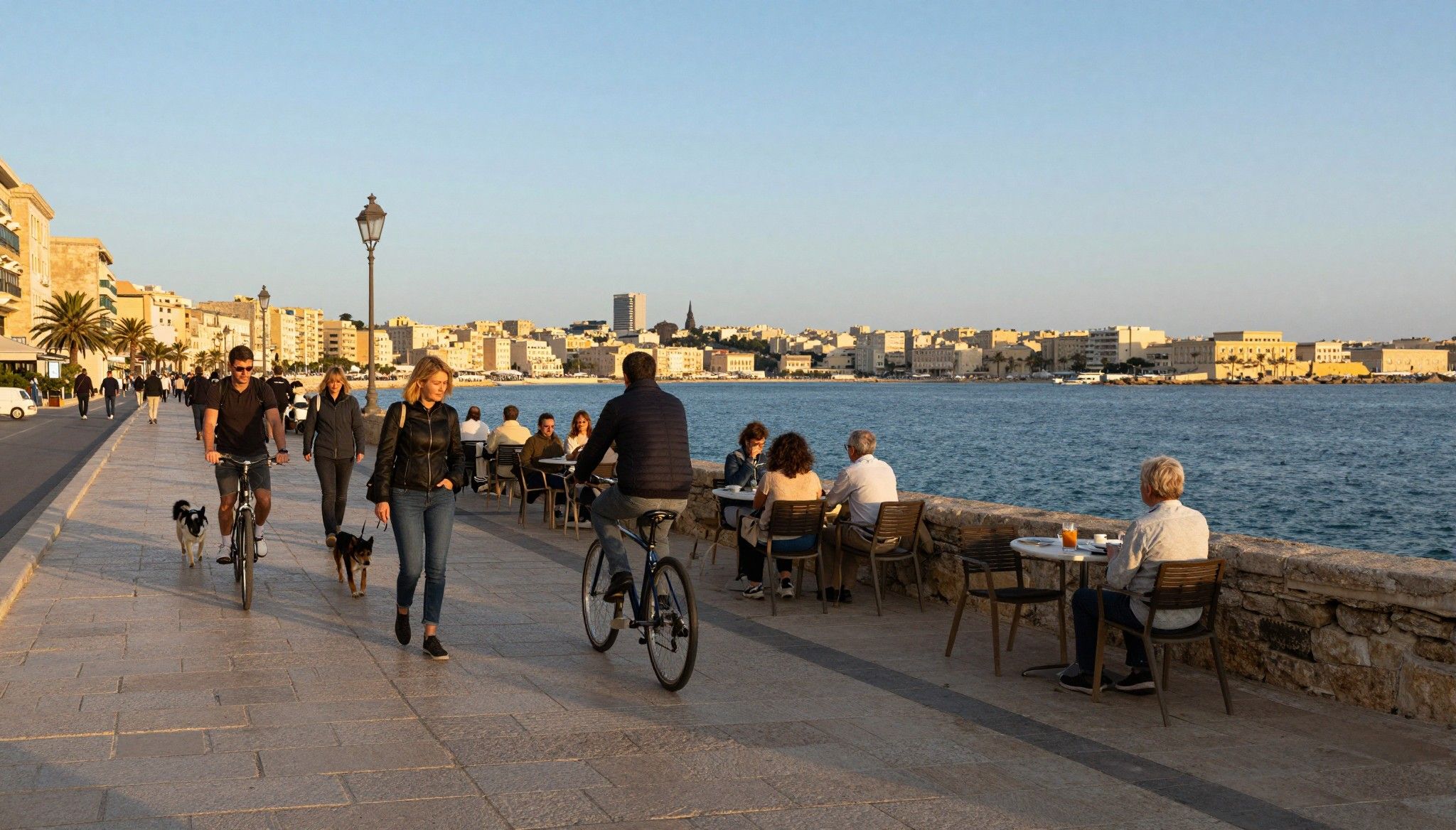
Greece: Lifestyle First, Then the Yield Math
Greece offers postcard lifestyle and measurable returns; model three rental scenarios, prioritise Athens micro‑markets for liquidity, and price island seasonality into yields.
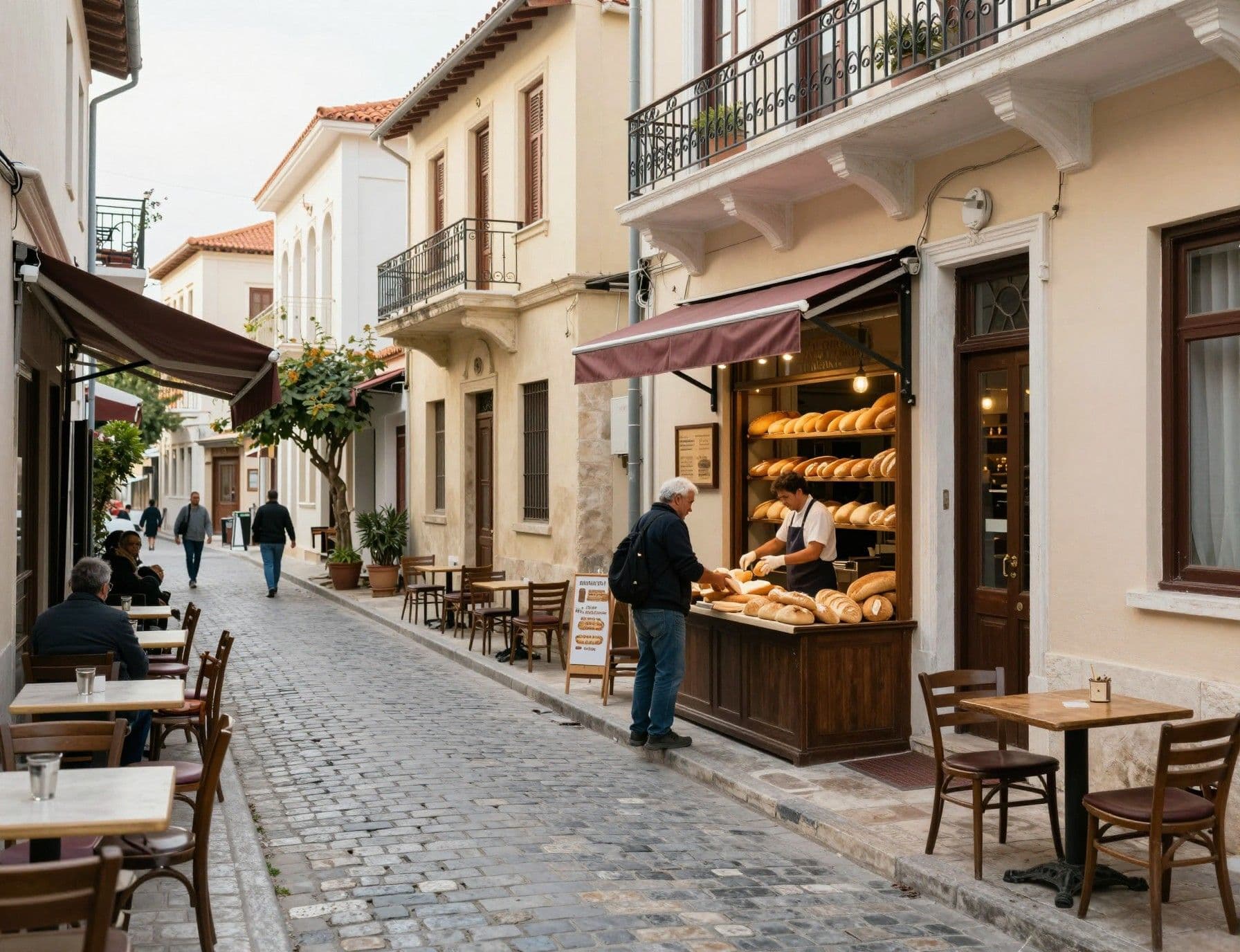
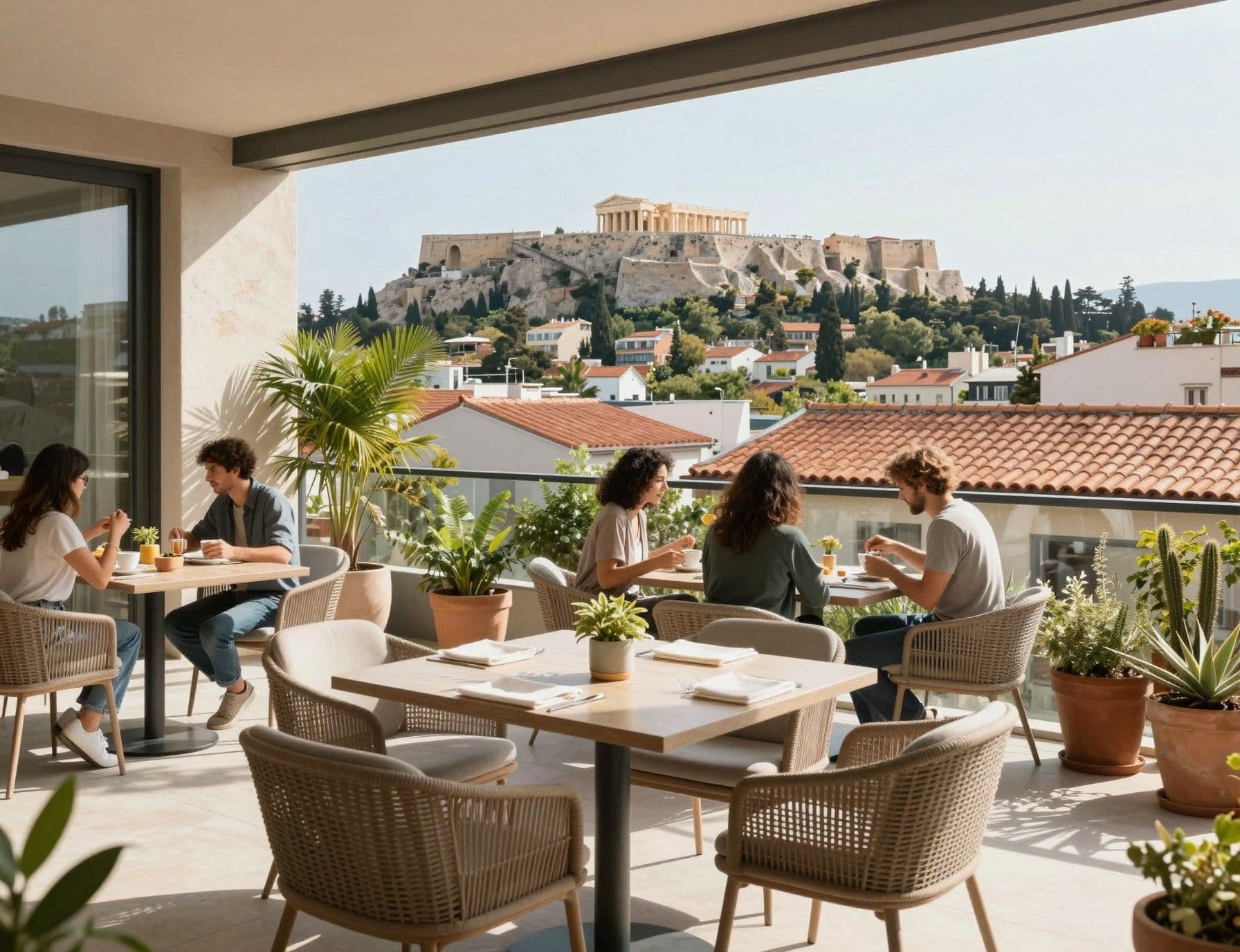
Imagine stepping out at dawn to buy koulouri from a baker in Plaka, then walking five minutes to a listed apartment with a terrace looking across tiled roofs to the Acropolis. Greece lives in moments like that — loud, sunbaked mornings; seaside afternoons where coffee shops spill onto narrow streets; neighbourhoods where the same barista knows everyone. That sensory life is the reason international buyers arrive with romantic expectations. But beneath the postcards sit measurable market dynamics — price growth, yield dispersion, and policy shifts — that should shape where and how you buy. See the Bank of Greece quarterly economic note for the latest housing indices and macro context.
Living the Greece lifestyle — what you actually get
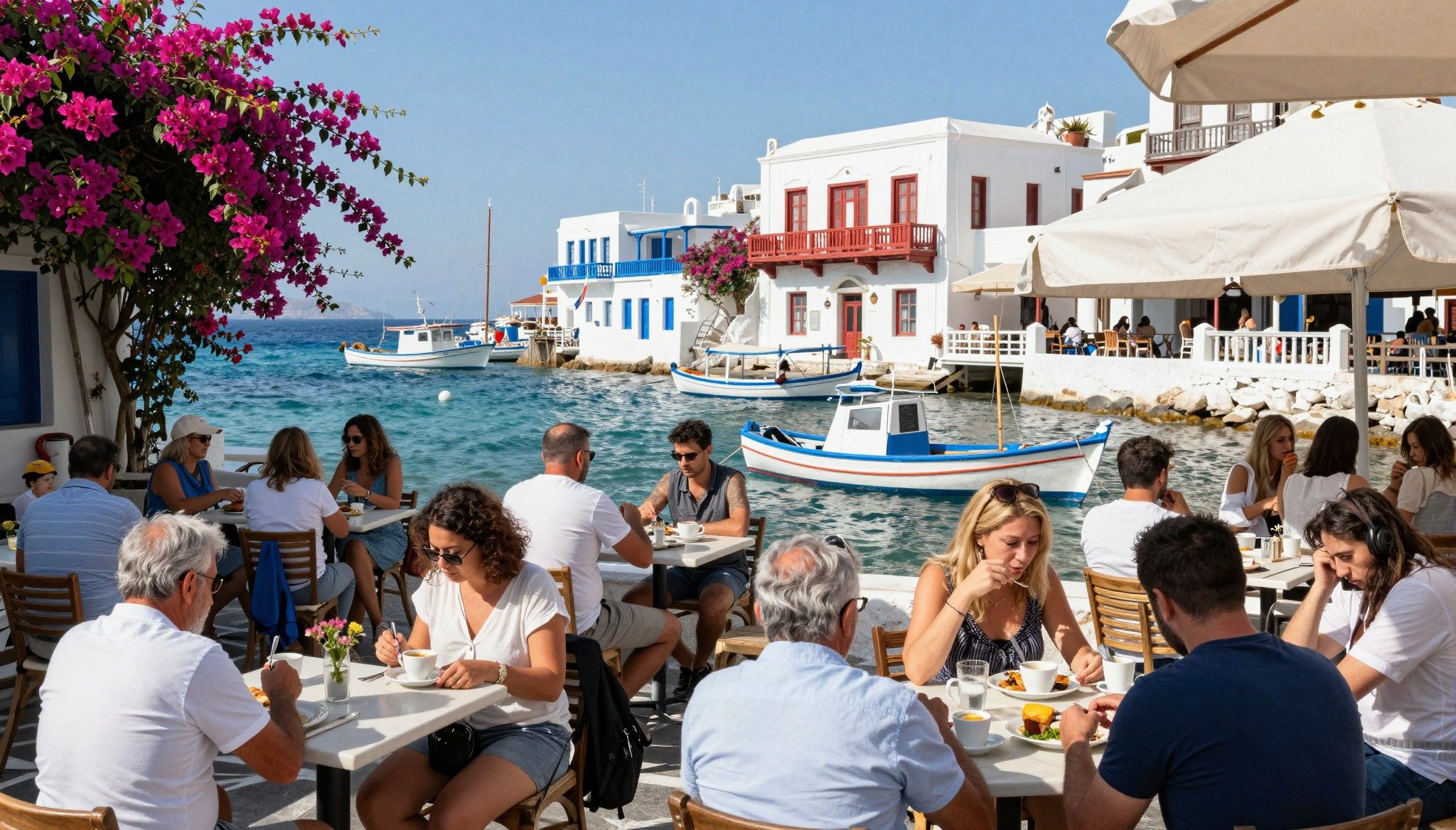
Greece is both island-slow and city-quick. Athens pulses with espresso-fuelled mornings and late-night tavernas; Mykonos and Santorini serve postcard summers and premium short‑let demand; Thessaloniki hums a quieter cultural life with strong year‑round rental need. That duality — intense seasonality on islands versus steadier urban markets — determines tenant type (holiday vs long-term), vacancy risk, and maintenance patterns you should price into yield forecasts.
Athens: the liquidity engine
Athens combines the practical with the picturesque: historical quarters like Plaka and Anafiotika sit beside modern districts such as Koukaki and Metaxourgeio where renovated apartments rent well to young professionals and digital nomads. Transaction volume and price discovery concentrate here, making Athens the easiest Greek market to underwrite — you can find comparables, recent sale prices, and robust rental demand data. Reports show Athens registering some of the country’s strongest price growth in recent quarters, which supports capital appreciation but compresses entry yields.
Islands vs inland: the seasonal trade-off
Island properties (Cyclades, Ionian) can deliver high short‑term rental cashflows in summer but face long off‑season voids and higher operating costs. Inland and regional cities (Thessaloniki, Heraklion, Patras) offer steadier occupancy and more predictable long‑term yields. Across Greece, reported gross yields cluster around 4–5% on average, with micro-markets in Athens producing higher gross returns for well-located small apartments.
- Lifestyle highlights that shape property choice:
- Plaka & Anafiotika (Athens): heritage charm, tourist footfall, premium short‑let demand
- Koukaki & Pangrati: local cafés, strong year‑round rentals to professionals
- Glyfada & Athens Riviera: beachfront lifestyle, higher price per m², lower gross yields
- Mykonos/Santorini: top summer yields, significant seasonality and higher running costs
Making the move: practical considerations that preserve lifestyle and yield
The romantic picture sells the idea; the spreadsheet keeps the purchase sane. Use lifestyle preferences to shortlist neighbourhoods, then run three scenario models: (A) long‑term let to locals, (B) medium-term corporate/expat let, (C) short-term holiday let. Each scenario has different vacancy, management and regulatory risk profiles — model operating costs, property tax, and realistic occupancy before assuming headline gross yields.
Property styles and how they map to daily life
Stone-built island houses offer dramatic views and higher seasonal rent potential but require more maintenance (roofing, damp, salt corrosion). Modern Athens apartments are easier to let year‑round and cheaper to insure. If you prioritise work-from-home life, seek properties with reliable internet and a private outdoor space — terraces add measurable rental appeal.
Work with experts who know lifestyle-to-yield tradeoffs
Local agencies and chartered valuers can translate lifestyle features into yield assumptions — they know which streets in Koukaki command long‑term rents and which rooftop terraces in Plaka justify a holiday‑let premium. Ask agents for recent contract rents (not advertised rates), evidence of turnover, and expense schedules. Insist on a walk‑score of service proximity: supermarkets, clinics, and transport matter for long‑term tenants.
- Step-by-step purchase checklist that balances romance with risk:
- 1. Shortlist 3 neighbourhoods by lifestyle fit, then obtain recent comparable sales data for each.
- 2. Run three income scenarios (long‑let, mid‑term, short‑let) and include 15–25% vacancy allowance for islands.
- 3. Commission a local lawyer for title search and a chartered surveyor for structural and compliance checks.
- 4. Validate operational logistics: property manager availability, seasonal insurance, and utilities for year‑round living.
Insider knowledge: expat truths and regulatory shifts that change the math
Seasonality surprises most newcomers: island towns triple in population in July–August, then quiet to winter levels, which means cleaning, maintenance and management costs surge. Policy changes — including adjustments to Golden Visa processing and short‑term rental rules in 2024–2026 — have already rerouted investor demand toward Athens and Thessaloniki, compressing yields in those micro‑markets but improving liquidity for exits.
Cultural integration and daily life realities
Most expats report that learning basic Greek phrases accelerates community acceptance; marketplaces, kafeneia (coffee houses), and local festivals are where social capital forms. Practicalities — seasonal shop hours, different business days, and local building management committees (polyktimos) — affect tenancy and maintenance timelines. Factor these into expected turnaround times for repairs and tenant onboarding.
Long-term lifestyle sustainability
Greece’s demographic trends and tourism growth support long-term demand for quality rental stock, but regional differences matter: Athens benefits from university and corporate demand year-round; islands depend on tourism cycles. For portfolio buyers, mix property types — a city apartment for steady cashflow and a seasonal coastal unit for capital appreciation and peak cashflow — to stabilise aggregate returns.
Conclusion — marry the daily life you want with discipline in the numbers. Fall in love with the street, but price the property like an investor: model conservative yield scenarios, validate with local transaction data, and use experienced local lawyers and valuers. If you want both sunlit mornings and reliable returns, start with Athens micro‑markets and add island exposure selectively after you’ve stress‑tested vacancy and operating costs.
Danish relocation specialist who moved to Cyprus in 2018, helping Nordic clients diversify with rental yields and residency considerations.