Malta: Where Lifestyle Choices Reprice Rental Yields
Malta’s small geography concentrates lifestyle and rental economics: prime seafronts favour short‑let premiums while inland pockets deliver steadier long‑let yields—model both.
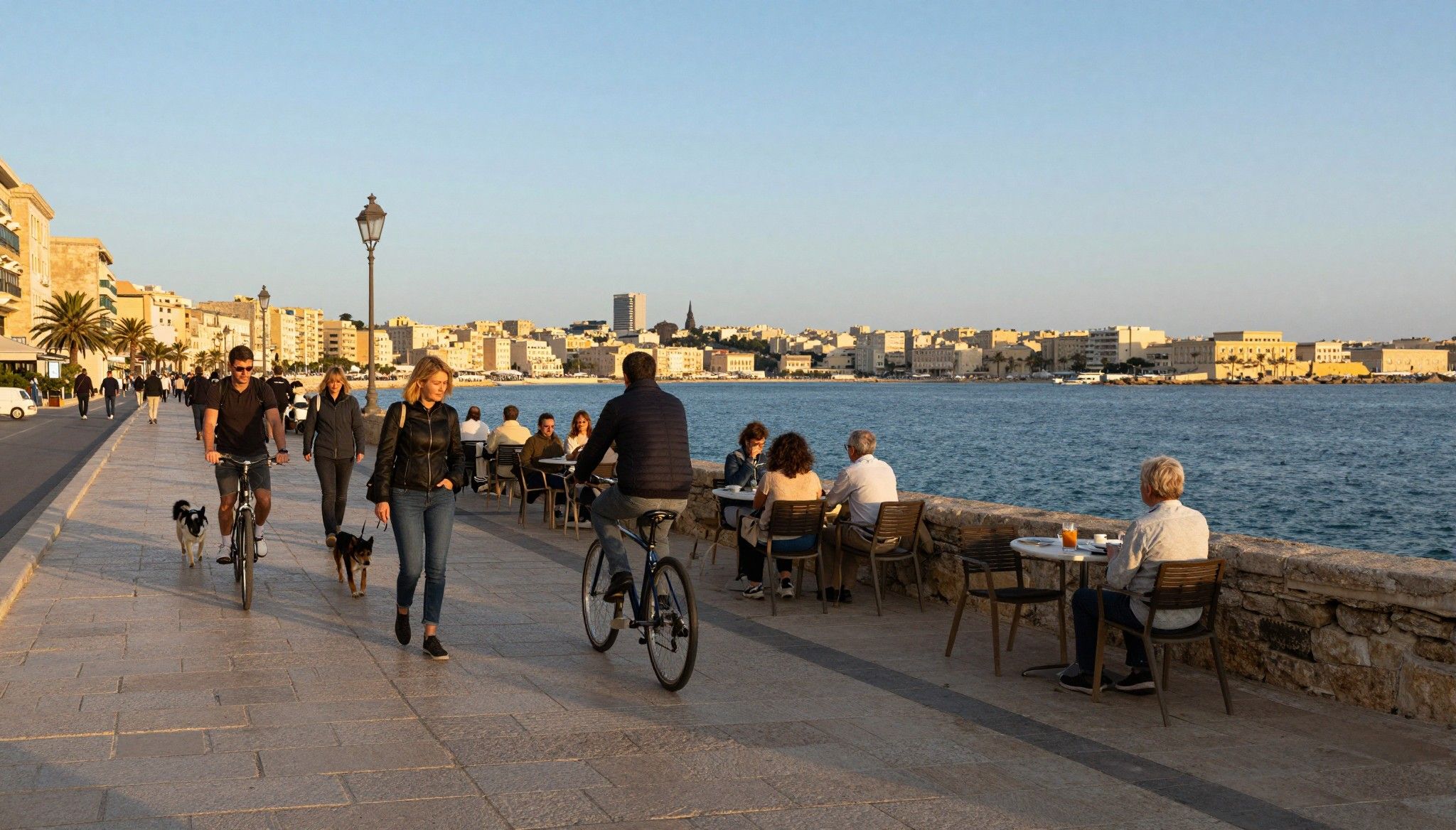
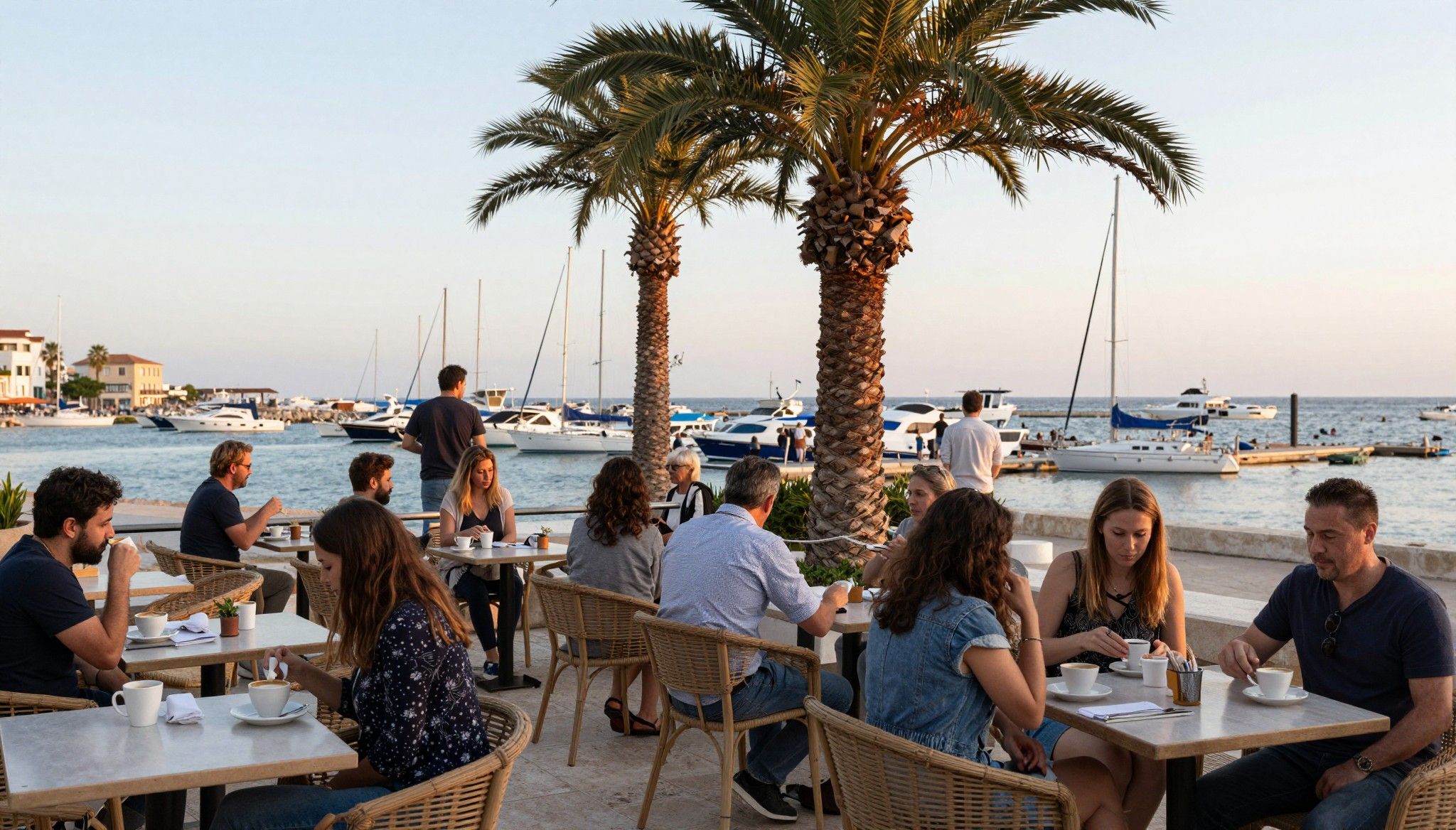
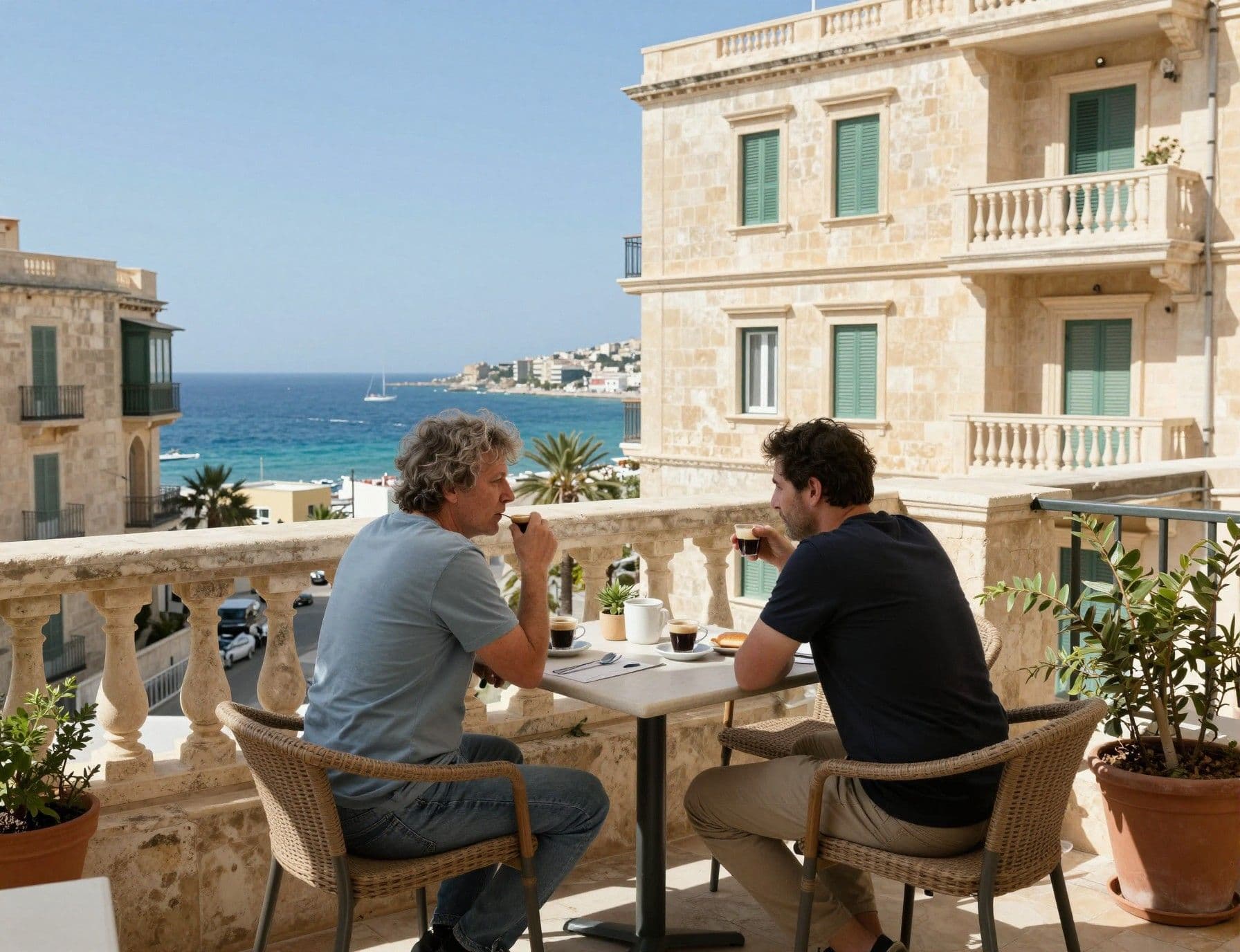
Imagine early morning in Sliema: espresso at a pavement table, the Valletta skyline across the water, a local pigeon negotiating crumbs while cyclists pass. Malta is compact enough that a weekend can stretch from a baroque lunch in Valletta to a quiet swim off Mellieħa. That tight geography—short commutes, dense tourism, English as an official language—creates a property market where lifestyle and rental economics collide. For international buyers who want both a Mediterranean life and predictable rental income, Malta rewards local knowledge more than glossy listings.
Living Malta: texture, pace and neighbourhood character
Life in Malta feels urban‑Mediterranean: narrow limestone lanes, bakery smells, and intense summer rhythms balanced by quieter winters. Valletta’s lanes are theatrical—church bells, tourist groups and boutique restaurants—while Sliema and St Julian’s provide the seafront bustle that supports year‑round rental demand. Gozo offers a different tempo: village squares, calmer beaches and a tenant profile that skews longer‑stay. Those contrasts matter because the type of tenant you attract—holiday visitors, digital nomads, or long‑term expats—sets realistic yield expectations.
Neighbourhood spotlight: Valletta, Sliema, St Julian’s
Valletta sells history: UNESCO sights, narrow streets and premium nightly rates for short lets. Sliema balances local life and commerce with high demand for two‑bed apartments near the promenade; its walkability keeps vacancy low. St Julian’s—especially Spinola Bay and Paceville—leans hospitality and younger tenants, which pushes seasonal short‑let returns but also higher turnover. When I toured sample flats on Triq ix‑Xatt in Sliema and a converted palazzo near Valletta’s Republic Street, the same pattern held: location dictates yield profile more than finish level.
Food, weekend rhythms and what tenants actually want
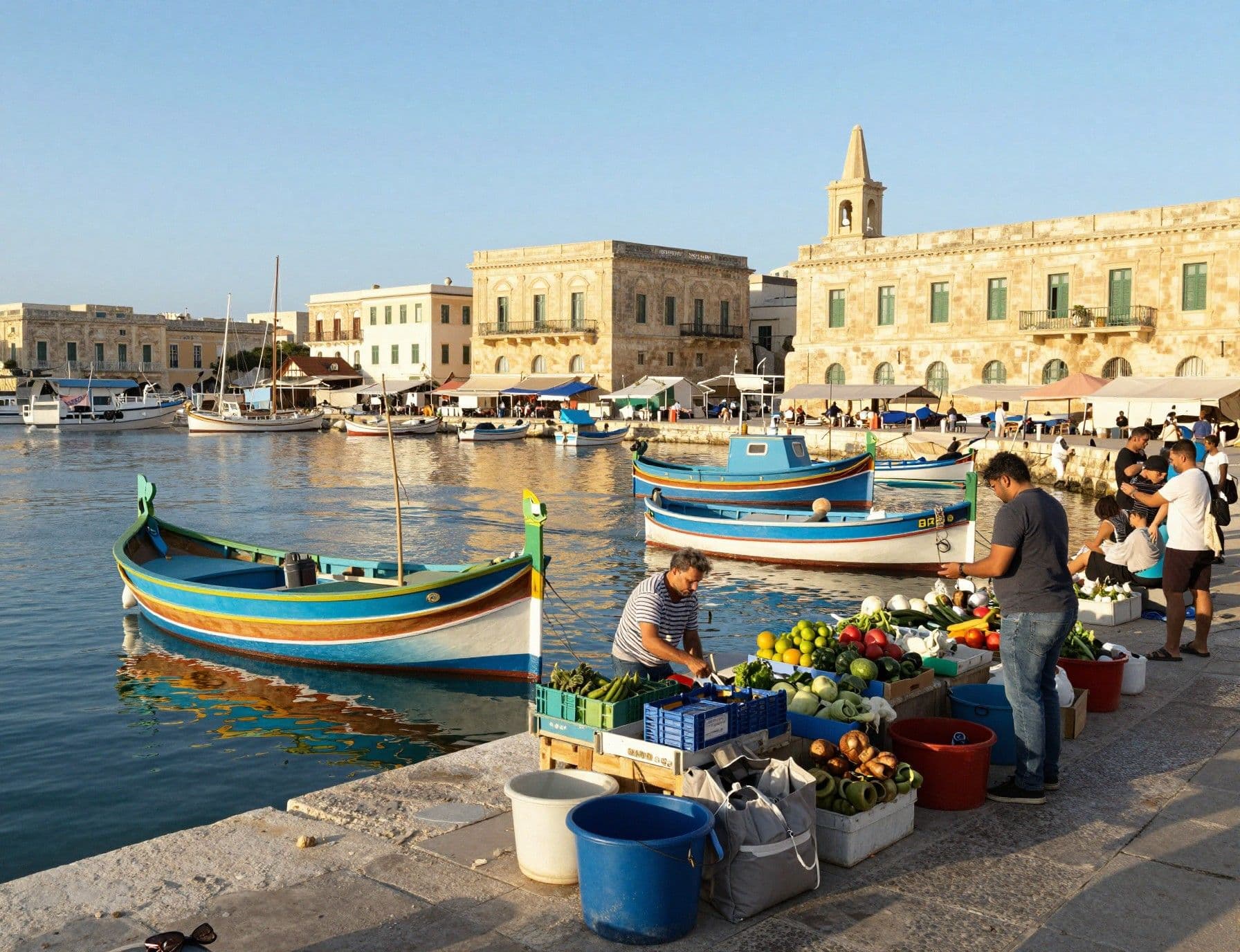
Markets at Marsaxlokk on Sundays, evening aperitifs on Spinola Bay, and the steady stream of tourists in summer define tenant expectations: outdoor dining, reliable wifi, and proximity to a good bus route or parking. For families, proximity to international schools in Msida or Pembroke matters. For remote workers, fibre availability in Sliema/Gzira is a feature, not a luxury. These lifestyle details translate directly into price premiums on listings and quicker lets when present.
- Lifestyle highlights that drive rental desirability: - Valletta: cultural tourism & premium short‑let rates - Sliema promenade: long‑stay expats and consistent winter demand - St Julian’s (Spinola Bay): nightlife, high short‑let seasonality - Mellieħa & Gozo: family/seasonal holiday demand, longer vacancies outside summer - Gżira: proximity to University of Malta, steady student and young professional rentals
Making the move: the rental math that matches the lifestyle
Put simply: prices have risen faster than rents in many prime spots, compressing gross yields in parts of the market. Official indices show property prices continued rising through 2023–24, while tourism recovered strongly—3.5 million inbound visitors in 2024—but the result is micro‑market divergence. Use published price indices and tourism statistics to set expectations: higher capital values in Sliema/Valletta can mean lower long‑let yields but better short‑let upside. Always test both scenarios with conservative occupancy and expense assumptions.
Property styles and real yield implications
Traditional Maltese maisonettes and converted palazzos appeal to premium short‑lets but often need higher maintenance and bespoke management—think regular stone cleaning, shutters and heritage compliance. Modern apartments in developments (Tigné, Portomaso) are easier to manage for long‑lets and attract corporate tenants. Expect service charges on new developments and variable condominium costs that should be factored into net yield calculations as recurring expenses.
Working with local experts who know both lifestyle and compliance
- Practical steps that blend lifestyle and yield considerations: 1. Define tenant profile (short‑let tourist vs. long‑stay expat) and model both revenue scenarios. 2. Request recent comparable rents and occupancy figures from local agents for the micro‑area. 3. Inspect service charge statements and local bylaws (heritage rules can restrict renovations). 4. Price in property management (8–15% for short‑let), municipal rates, insurance and vacancy allowance before calculating net yield. 5. Pilot a short‑let season before committing long term to test real occupancy and operational costs.
Insider knowledge: cultural cues that change where you buy
A few small cultural realities have big investment consequences: Maltese buyers prize private outdoor space and covered balconies, so a modest terrace increases letability. Parking is scarce in dense coastal towns—properties with a dedicated space command higher rents and shorter vacancy. Language isn’t a barrier—English is widespread—but negotiating renovation permits and contracts benefits from an adviser familiar with Malta’s local councils and heritage protocols.
Long‑term lifestyle and portfolio considerations
Malta’s compact size means micro‑location selection is portfolio‑level risk management: diversify across town and type (one short‑let in Valletta, one long‑let in Sliema or Gozo). Expect steady tourism but increasing regulatory scrutiny of short‑lets in many European markets; monitor local rules and model a conservative exit yield. Finally, treat agency selection as part of your risk control—choose firms with audited rental performance and transparent occupancy reporting.
If Malta hooked you in the first paragraph, your next steps should be practical and local: ask for area‑specific net yield models, see service charge and utility histories, and verify recent occupancy data for comparable units. Start with a short, evidence‑based pilot—list for a season or secure a tenant with a flexible lease—so the lived experience confirms the spreadsheets. With clear data, Malta can be both a vivid Mediterranean life and a defensible rental asset.
Norwegian market analyst who relocated from Oslo to Mallorca in 2016, guiding Northern buyers through regulatory risk, currency hedging, and rentability.