Croatia: Lifestyle Dreams vs. Seasonality & Yield
Croatia’s Adriatic romance conceals sharp seasonality and rising prices; pair lifestyle choices with occupancy data and local due diligence to convert the dream into reliable returns.
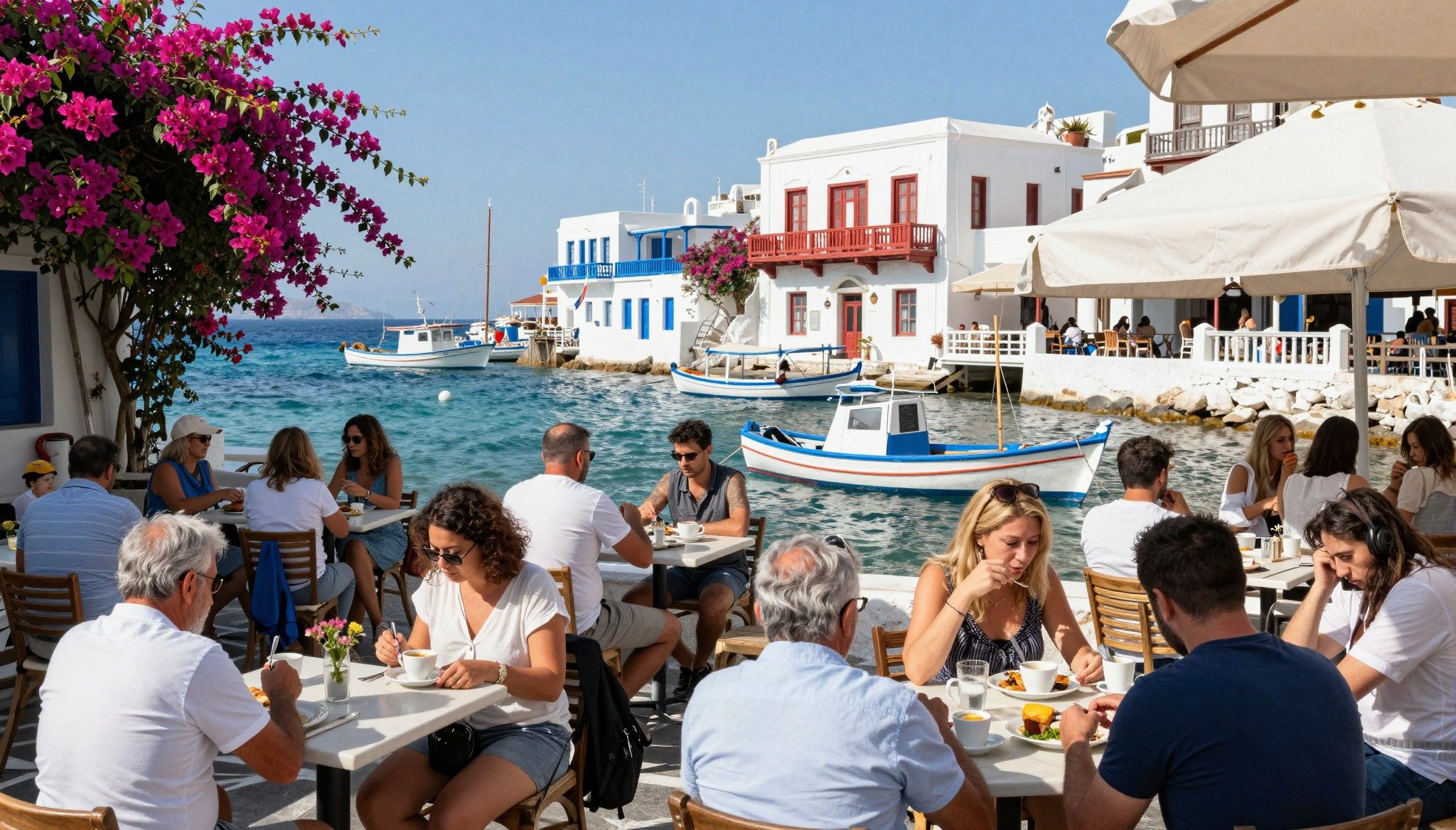
Imagine standing in a sun-warmed kafic on Split’s Riva, espresso in hand, as fishing boats clear the morning air and a property investor’s spreadsheet waits on your phone. Croatia sells that scene — island beaches, limestone alleys, market fruit stalls — but it also hides a market shaped by seasonality, rapid post-pandemic price moves and local regulatory friction. This guide pairs the feel of life on the Adriatic with the numbers that matter so you can judge whether the dream belongs in your portfolio or only on your screens.
Living the Croatia lifestyle — real, textured, investable
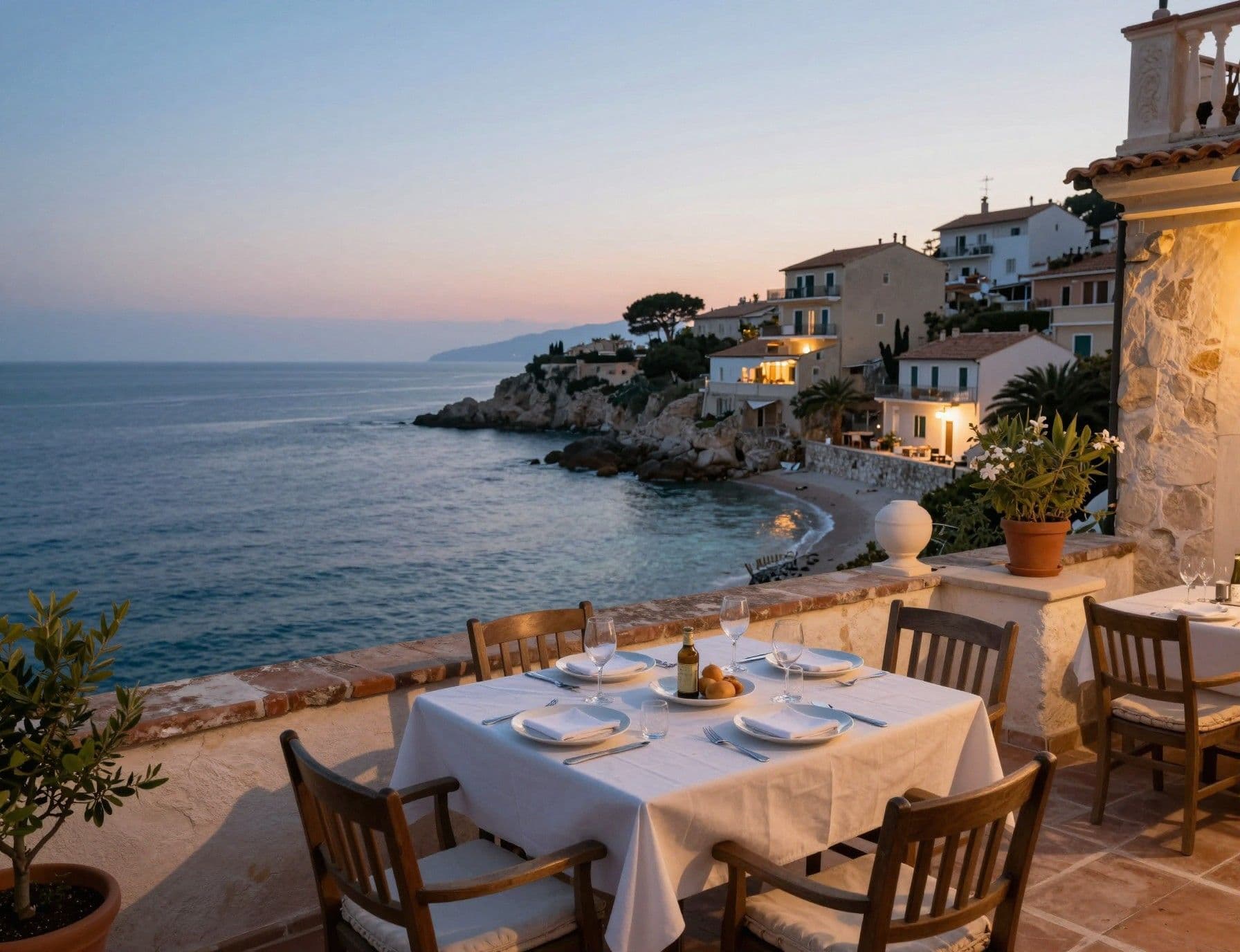
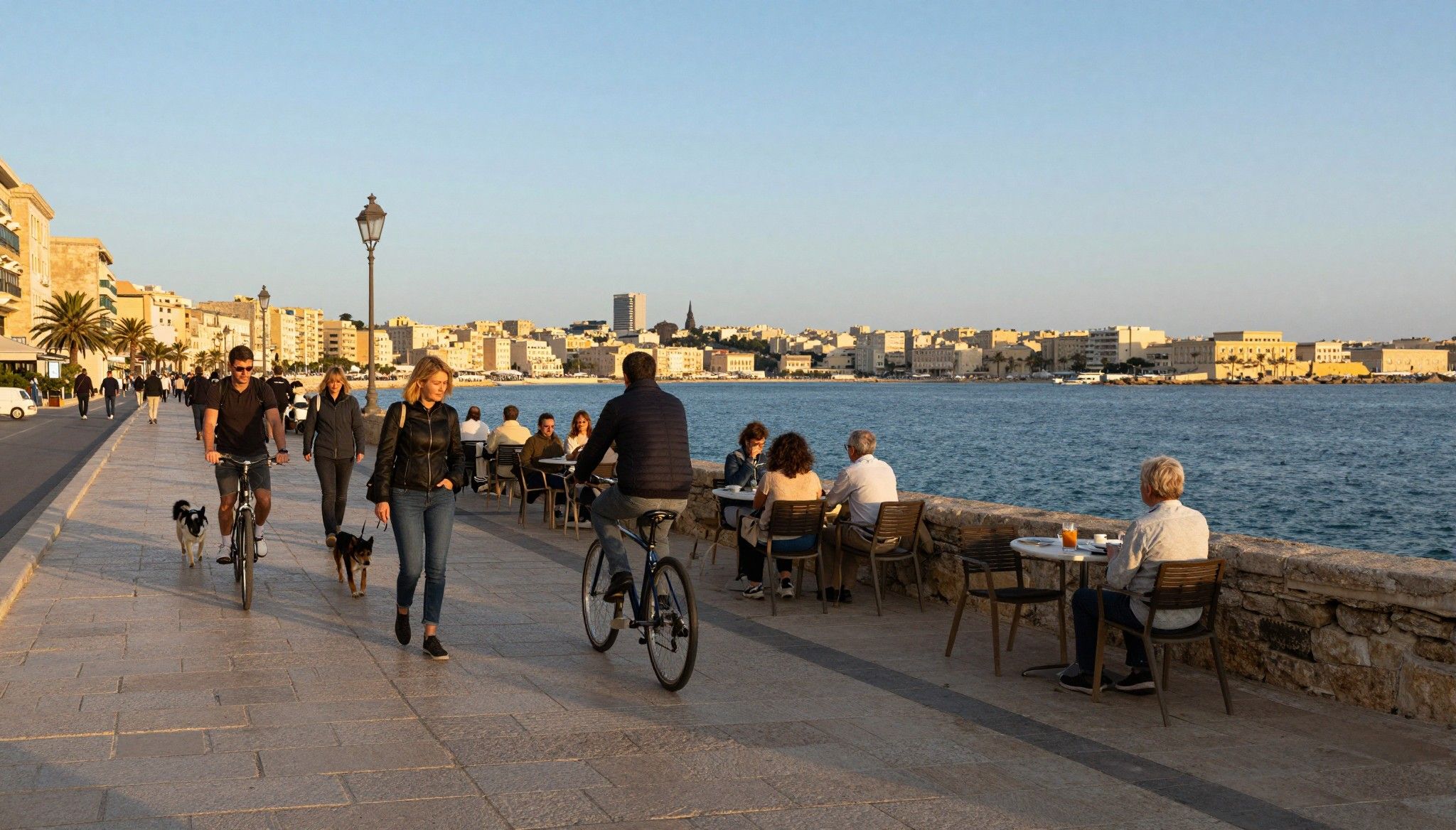
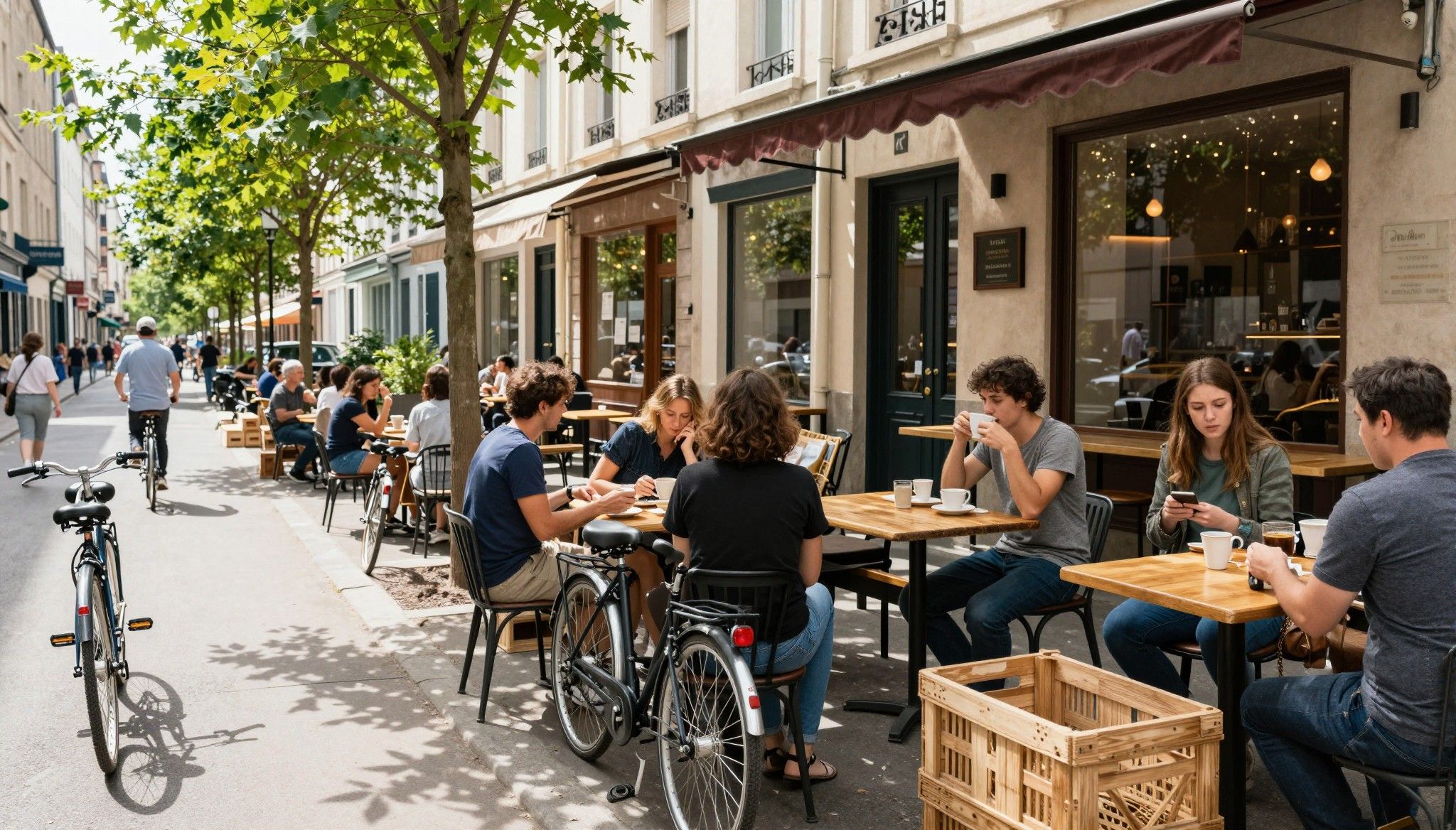
Croatia’s daily rhythm shifts with place and season: Zagreb moves at a continental cadence of coffee, shopping and weeknight concerts; Split and Dubrovnik adopt a seaside tempo — morning markets, afternoon siestas, late outdoor dinners. The Adriatic coast crowds into summer but quiets into a cooperative off-season where locals reclaim streets and short-term rental churn falls dramatically. For buyers, that duality is both lifestyle and cash-flow signal: you buy the calm as much as the crowds.
Neighborhood spotlights: Where life and returns diverge
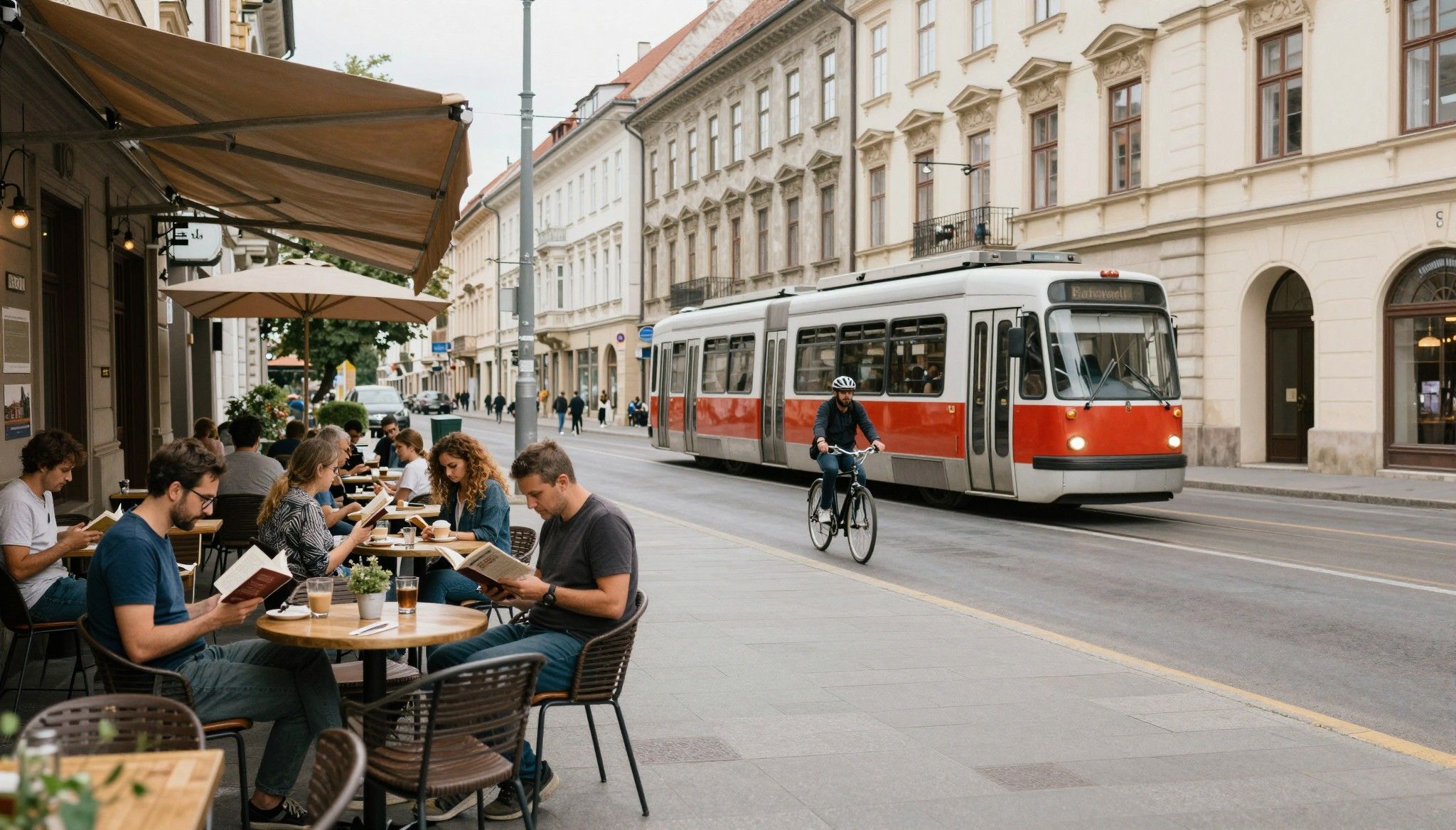
Zagreb’s Donji Grad offers commuter ease, year-round rental demand from students and professionals, and lower seasonality than the coast — pragmatic yield buyers favour it. Istria (Rovinj, Pula) blends culinary tourism and stable longer-season bookings; demand is driven by food festivals and cycling tourism. Dubrovnik’s Old Town remains a premium, ultra-seasonal asset: exceptional capital values, thin rental windows and high operating costs. Each area trades lifestyle attributes (walkability, markets, cafés) against different income profiles.
Food, festivals and the calendar that shapes demand
Seasonal anchors like truffle festivals in Istria, the Dubrovnik Summer Festival and island regattas concentrate demand into defined periods. Croatia recorded record overnight stays in 2024, but much of that activity remains coastal and clustered in six to eight weeks each year. For lifestyle buyers who want festivals, markets and full terraces, seasonality is part of the charm; for yield-focused investors it is a cash-flow constraint that requires deliberate pricing and operating strategy.
- Lifestyle highlights to map to investment goals
- Split Riva morning espresso and access to ferries — year-round tourism base with strong summer peaks
- Rovinj’s food calendar and cycling routes — longer shoulder season and premium short-stay rates
- Zagreb’s Donji Grad cultural life — steady long-term rental demand, less reliance on summer months
Making the move: practical considerations that keep the lifestyle real
Croatia’s official house price indices show material growth through 2024 and 2025 in both Zagreb and coastal markets, producing capital appreciation alongside stronger seasonality risk on the Adriatic. That combination means buyers must model two outcomes: peak-season revenue and off-season vacancy. Local agency partners who understand municipal regulations for short-term letting and seasonal operating costs materially change net yields.
Property types: what matches how you’ll live
Stone townhouses and renovated Dalmatian apartments sell the romance of historic living and terraced views; newer developments near transport hubs sell steadier, year-round tenancy and simpler maintenance. If you plan to rent seasonally, prioritize outdoor space, a kitchen suited for dining, and proximity to marina or waterfront access. If you want a year-round life, choose central districts in Zagreb, Pula or Split with easy services and winter-proof utilities.
Working with local experts who keep the dream deliverable
Use agencies that combine lifestyle curation with data — those that can show historic occupancy curves, realistic maintenance budgets and municipality rules on short lets. Local lawyers fluent in property law and municipal planning are essential given fragmented coastal ownership records and conservation rules in historic centres. Treat agencies as lifestyle translators who also deliver cap-rate sensitivity analyses, not just viewings.
- Steps to align lifestyle wishes with investment discipline
- List the lifestyle non-negotiables (waterfront access, market walking distance, winter services).
- Request 3-year occupancy and net yield scenarios from agents (include realistic maintenance and property tax assumptions).
- Run a stress test for off-season vacancy and a conservative rental rate—use worst-case to price in reserve funds.
Insider knowledge: what expats wish they’d known before buying
Expats often report three surprises: higher operating costs in heritage areas, sharp seasonality in coastal cash flow, and the importance of local community ties for long-term happiness. Dubrovnik illustrates these trade-offs: premium prices but narrow rental windows and complex conservation rules that increase capex. Local due diligence reports show nominal coastal price growth over the last decade, but returns depend on careful operating models and conservative yield assumptions.
Cultural and daily-life realities that affect where you buy
Language gaps are surmountable but matter for neighbourhood integration and services; join local markets, clubs and municipal events to build social capital. Expect slower bureaucracy cadence compared with larger EU capitals; planning and permits can add months to renovation timelines. Neighbourhood norms — quiet during siesta, late dining nights — will shape both personal satisfaction and tenant expectations.
Long-term view: how the market cycle supports lifestyle investors
Official indices and private market trackers both point to continued demand-driven price momentum, concentrated in coastal and capital markets. For lifestyle investors who also care about returns, that implies buying earlier in cycle corridors (secondary coastal towns, continental cities) where appreciation is plausible but seasonality less punishing. Diversify across micro-markets—one coastal apartment for summer, one continental flat for year-round rent—to balance cash flow and capital growth.
- Red flags and realistic trade-offs
- Unusually high premium over local comparables in historic centres — often hides operating constraints.
- Agents promising guaranteed short‑term returns without published occupancy history — insist on data.
- Ignoring winter serviceability — heating, transport links and year-round grocery access matter.
Conclusion: Croatia is both a lifestyle and investment mosaic — buy the life you can realistically afford to run. Match neighborhood character to income model, insist on historic occupancy and realistic maintenance budgets, and use local experts who translate daily rhythm into net yield. If you want the Adriatic life with investable returns, blend one coastal leisure asset with a continental rental that rents through winter; that simple portfolio hedge preserves lifestyle while protecting yield.
Danish relocation specialist who moved to Cyprus in 2018, helping Nordic clients diversify with rental yields and residency considerations.