Malta: Why Street‑Level Diligence Reprices Yield
Malta compresses Mediterranean lifestyle and investment nuance: rising prices, migration‑driven demand and permit rules mean street‑level diligence and AIP clarity determine real yields.

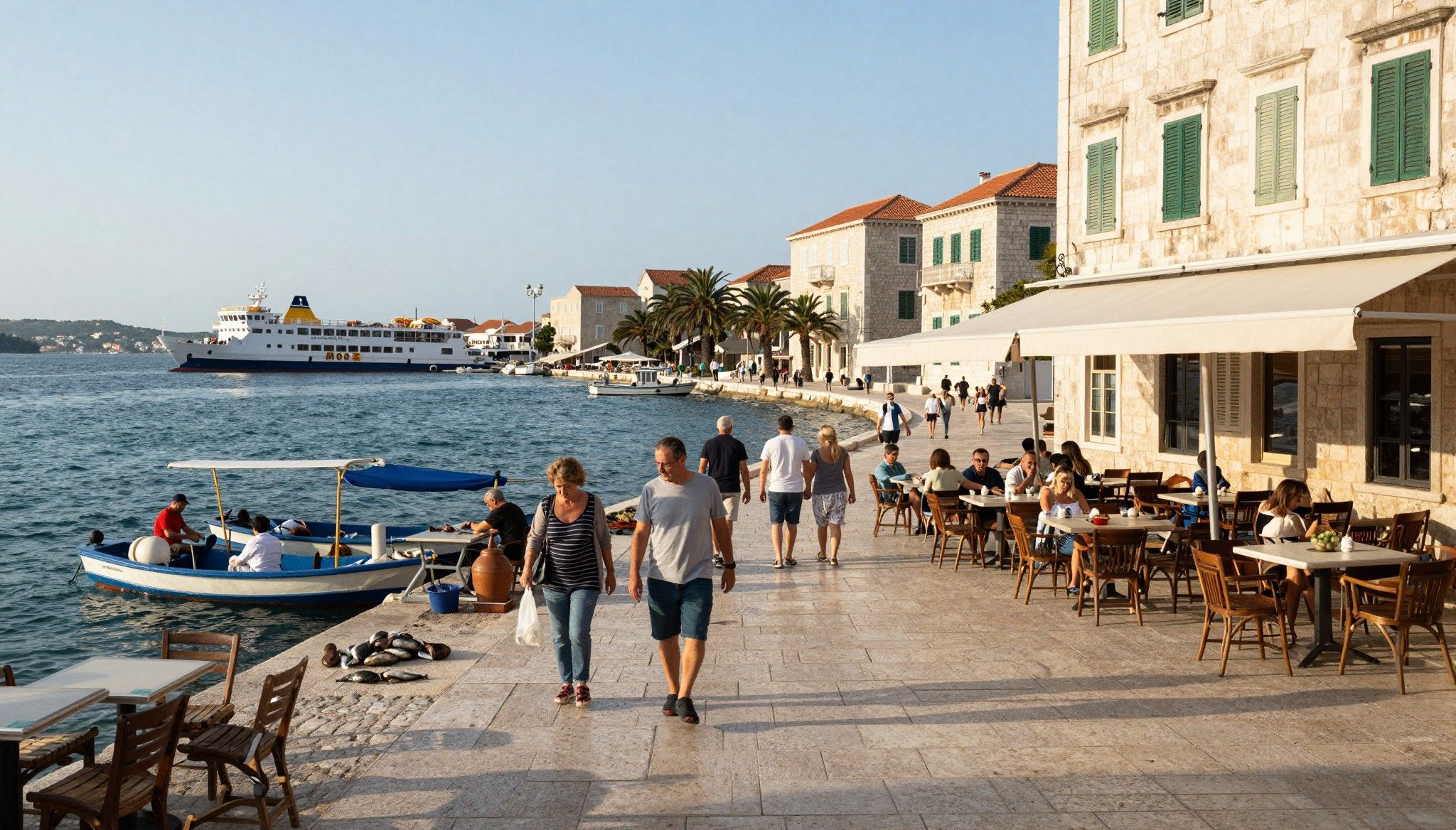
Imagine stepping out at 08:30 to buy brioche from Cafe Cordina, then taking a winding stroll along the Valletta bastions while fishermen untie nets below — Malta compresses seaside ease, centuries‑old stone, and an island tempo that feels simultaneously Mediterranean and distinctly urban. This compactness is the island’s core advantage for buyers: everything is within reach, but every neighbourhood has a character that materially affects rental demand, maintenance profiles, and resale appeal. According to recent market analysis, population growth and a 5% rise in residential prices in 2024 are reshaping where value sits in Malta. (Sources cited below.)
Living Malta: Why the island’s size changes everything

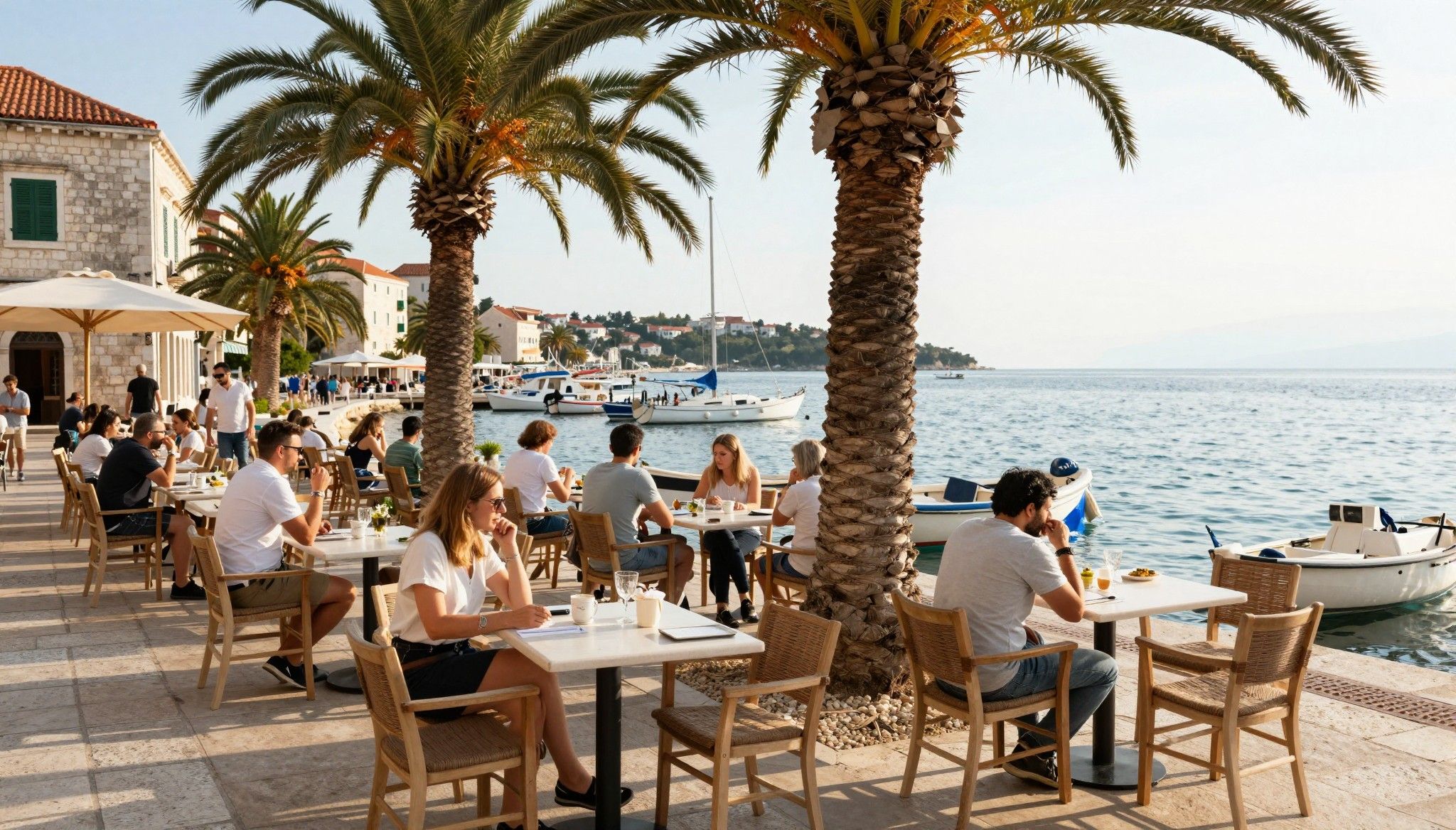
Malta’s lifestyle is compact and intense: mornings are for espresso on tiny terraces, afternoons for siestas on rocky coves, evenings for long dinners beneath limestone façades. Streets in Sliema and St Julian’s pulse with cafés and co‑working spots; in Mdina and Valletta, stone lanes host quieter residential pockets where short‑let demand is steadier through the year. For an investor, that means micro‑location — the street or block — matters more here than in most larger markets.
Neighborhood pulse: Valletta, Sliema, St Julian’s and Gozo
Valletta sells history and culture — narrow front doors, restored townhouses and steady year‑round tourism that supports serviced apartments. Sliema (Tigne Point, Strand) trades convenience for higher asking prices and strong long‑let demand from professionals. St Julian’s (Paceville) is nightlife and short‑let density; yields swing with regulation and season. Gozo offers slower growth, family‑oriented rentals and lower entry prices but also thinner liquidity.
Food, markets and a rhythm that matters to tenants
Buying in Malta is buying access to a daily rhythm: fish stalls at Marsaxlokk on Sunday, Aperol spritzes along Sliema seafront at dusk, and boutique bakeries in Rabat. These lifestyle anchors determine tenant profiles — short‑stay tourists clustered around St Julian’s, mid‑term professionals in Sliema, and families seeking schools and quieter streets in the north‑west suburbs — which should guide stock selection and furnishing choices.
- Lifestyle highlights (actual places and experiences)
- Morning espresso at Cafe Cordina (Valletta) — great for central walkability and tourist‑proof returns.
- Sunset stroll on Sliema promenade — indicates long‑let demand from professionals wanting seafront access.
- Weekend market at Marsaxlokk — useful neighbourhood indicator for local amenities and seasonal footfall.
Making the move: practical considerations that connect lifestyle to returns

The island’s small size, steady population inflows and a recorded 5% rise in the RPPI in 2024 mean capital appreciation is possible but concentrated. Macro figures mask micro risk: a renovated Valletta maisonette can behave very differently from a modern apartment in an overbuilt coastal strip. Use national indices as context, not a replacement for street‑level diligence.
Property types and how they map to lifestyle-driven demand
Traditional townhouses (Valletta, Mdina) carry renovation complexity and heritage constraints but attract premium short‑let rates and owner‑occupier buyers. Modern apartments (Sliema, Gzira) offer easier management and steadier long‑let income. Semi‑detached houses on Gozo are appealing to families but have longer vacancy risk and smaller tenant pools.
Working with local experts is non‑optional: non‑residents often require an AIP permit with minimum purchase thresholds and conditions, and local agents accelerate approvals, advise on designated areas and surface the off‑market stock that delivers better yields than oversupplied coastal schemes.
- Practical steps that blend lifestyle intent with investment discipline
- Define the income model first — short‑let premium vs. long‑let stability — then choose neighbourhoods (Valletta for premium rates, Sliema/Gzira for professional long lets, Gozo for family second homes).
- Budget for effective yields: gross yields in Malta averaged c.4.0% recently; expect net yields ~1.5–2.0 percentage points lower after costs. (See data sources below.)
Insider knowledge: what expats wish they’d known before buying
Net migration drives demand: Malta’s population rose markedly in recent years, driven by inward migration that skews rental demand toward short and mid‑term leases for workers. That inflow supports prices but concentrates pressure on certain neighbourhoods and services, creating maintenance and regulatory risks local agents know how to spot.
Cultural cues that affect neighborhood choice
English is an official language and widely used in business, which eases integration and property management. Yet social life often centres on parish and village ties — in smaller towns, assess local perceptions about short lets and community fit before committing. That social context influences tenant turnover and planning permissions for conversions.
Seasonality, regulation and the ‘golden‑passport’ legacy
High‑net‑worth programmes (and their controversies) have left a legacy of absentee ownership and overbuilding in parts of the market. That elevates the importance of on‑the‑ground verification: ask for tenancy histories, utility usage, and local planning records before assuming headline yields will persist.
- Red flags to watch (local, high‑impact issues)
- Rapidly completed coastal developments with large numbers of unsold units — can suppress rental rates and increase competition.
- Properties listed without clear AIP status for non‑residents — confirm permit conditions early.
- Lack of service‑charge transparency in apartment blocks — factor maintenance into net yield calculations.
Conclusion: Malta’s small footprint makes lifestyle and financial variables inseparable. Fall for the terraces and markets, but structure the purchase like a yield play: choose neighbours with the right tenant profile, verify AIP and planning status, stress‑test net yields against service charges and seasonality, and work with an agency that can source true on‑street comparables. If you want the Valletta mornings and the Gozo weekends, build a plan that treats lifestyle as demand‑driving data, not decoration.
Swedish financier who guided 150+ families to Spanish title deeds since relocating from Stockholm in 2012, focusing on legal and tax implications.