Croatia: Match the Lifestyle to the Yield
Croatia’s coastal allure masks a two‑speed market: postcard premiums on the Adriatic versus affordable continental pockets. Match lifestyle choices to tenancy models and benchmark prices with official indices.

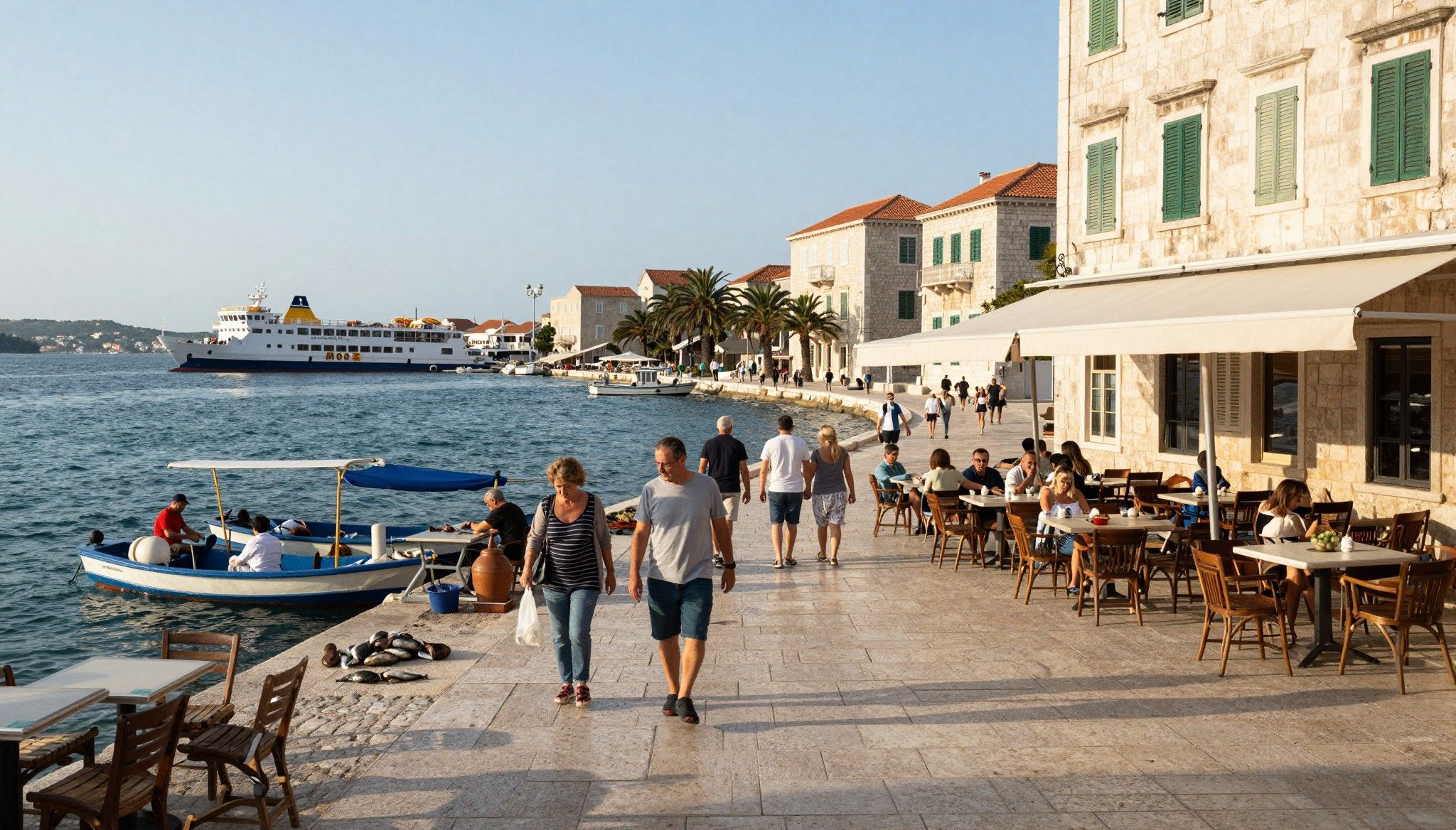
Imagine sipping espresso at Split’s Riva at 8am, then wandering 20 minutes to a quiet stone lane where a centuries‑old house catches morning light. That contrast — postcard coast and lived‑in local life — is Croatia. For international buyers it’s seductive; for investors it demands careful, GDP‑aware sizing of risk versus seasonal rent upside. Recent national data shows rapid price growth concentrated on the Adriatic; that’s the thesis behind smart buys, not blind romance.
Living the Croatia lifestyle — sensory and specific
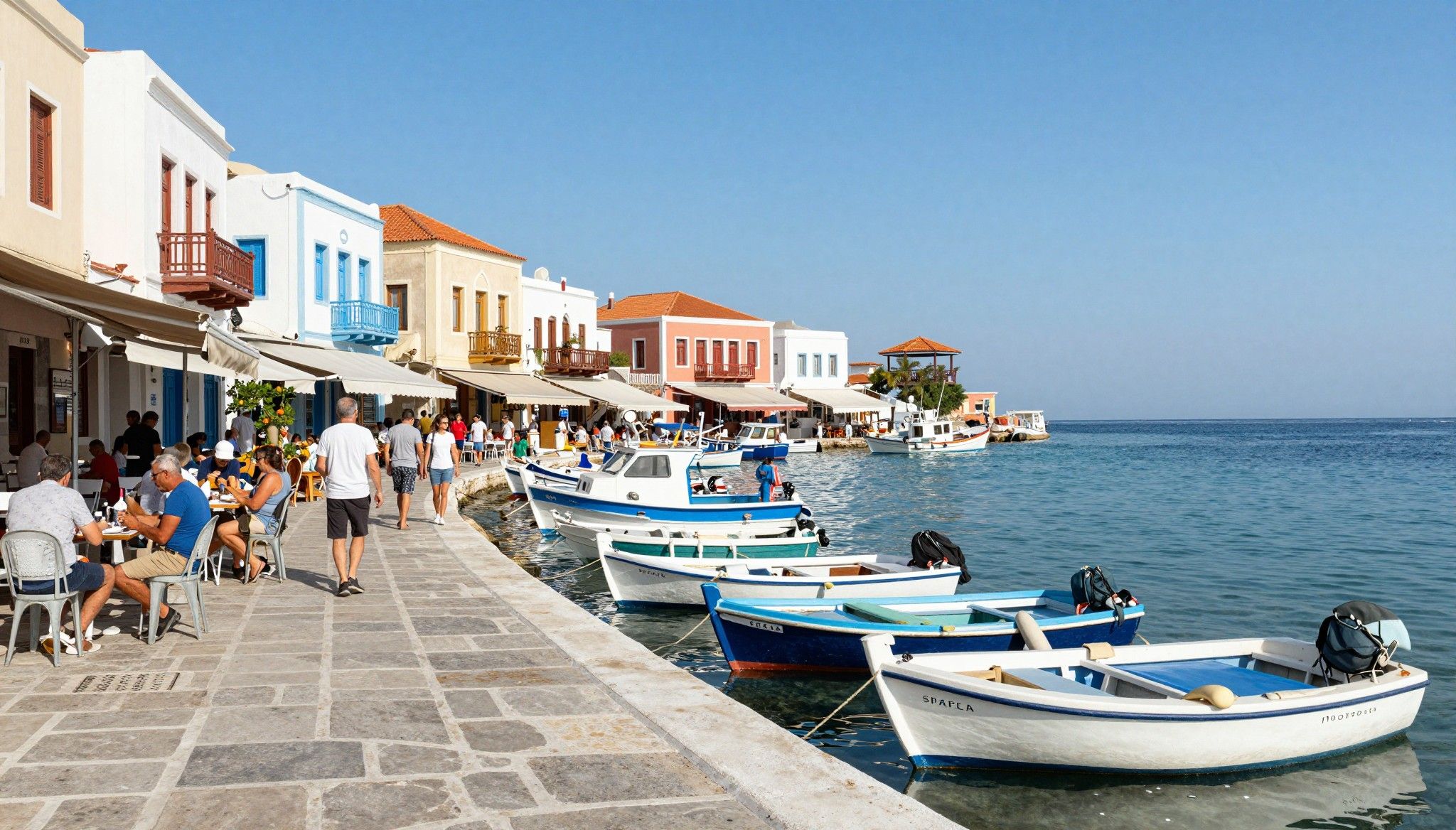
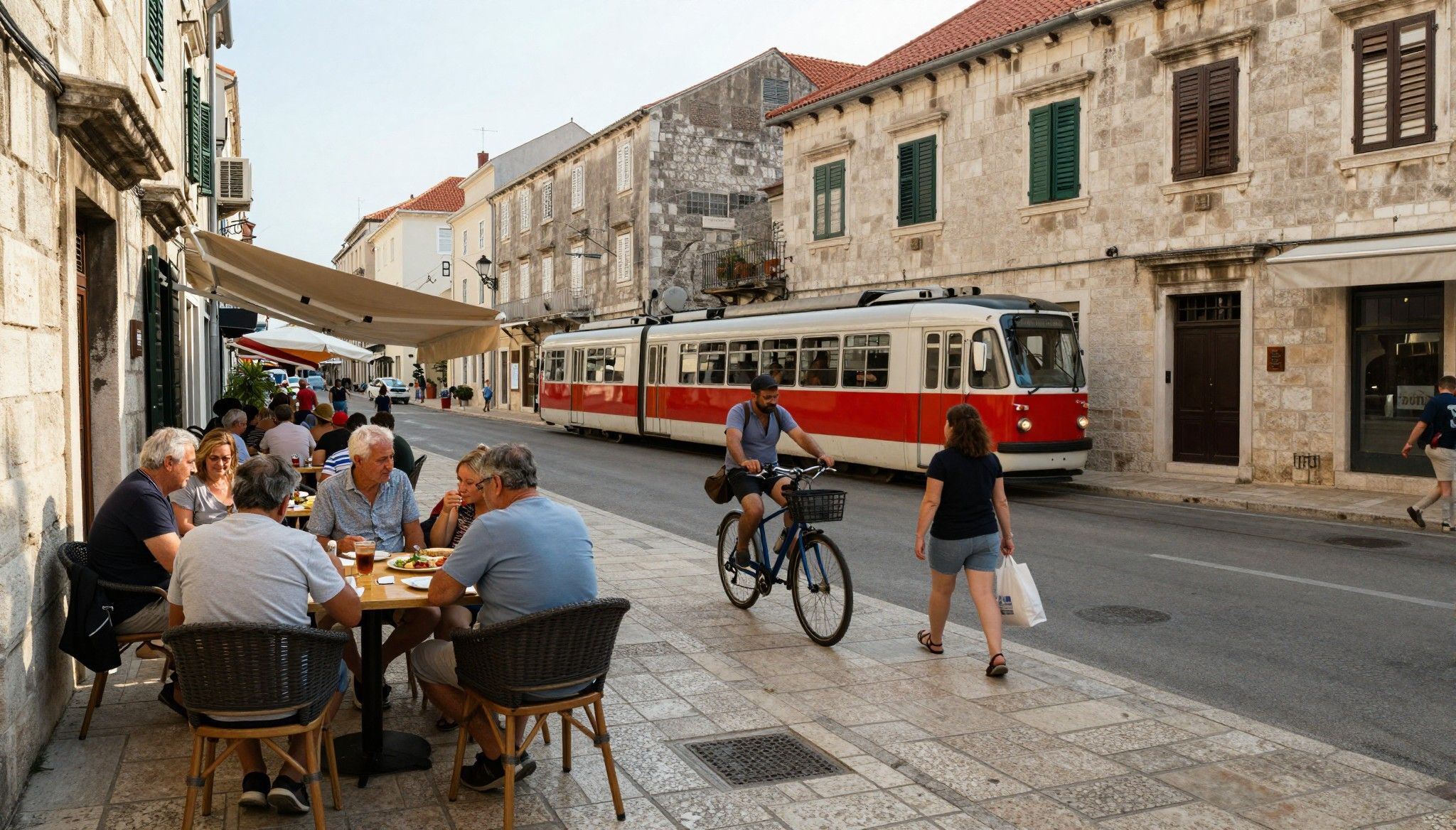
Daylight in Croatia divides itself between coast and continent. In Dubrovnik’s Old Town you hear church bells and tourist English; in Zagreb you’ll find weekday markets and café tables full of students. Coastal mornings mean fishermen and fresh markets; evenings bring seafood konobas and slow walks. Njuškalo and national reporting both underline how coastal hotspots maintain bidding pressure — a lifestyle prized by holiday renters and expatriates alike, but one that also skews yield profiles toward seasonality.
Spotlight: Split & Veli Varos — everyday life, not just postcards
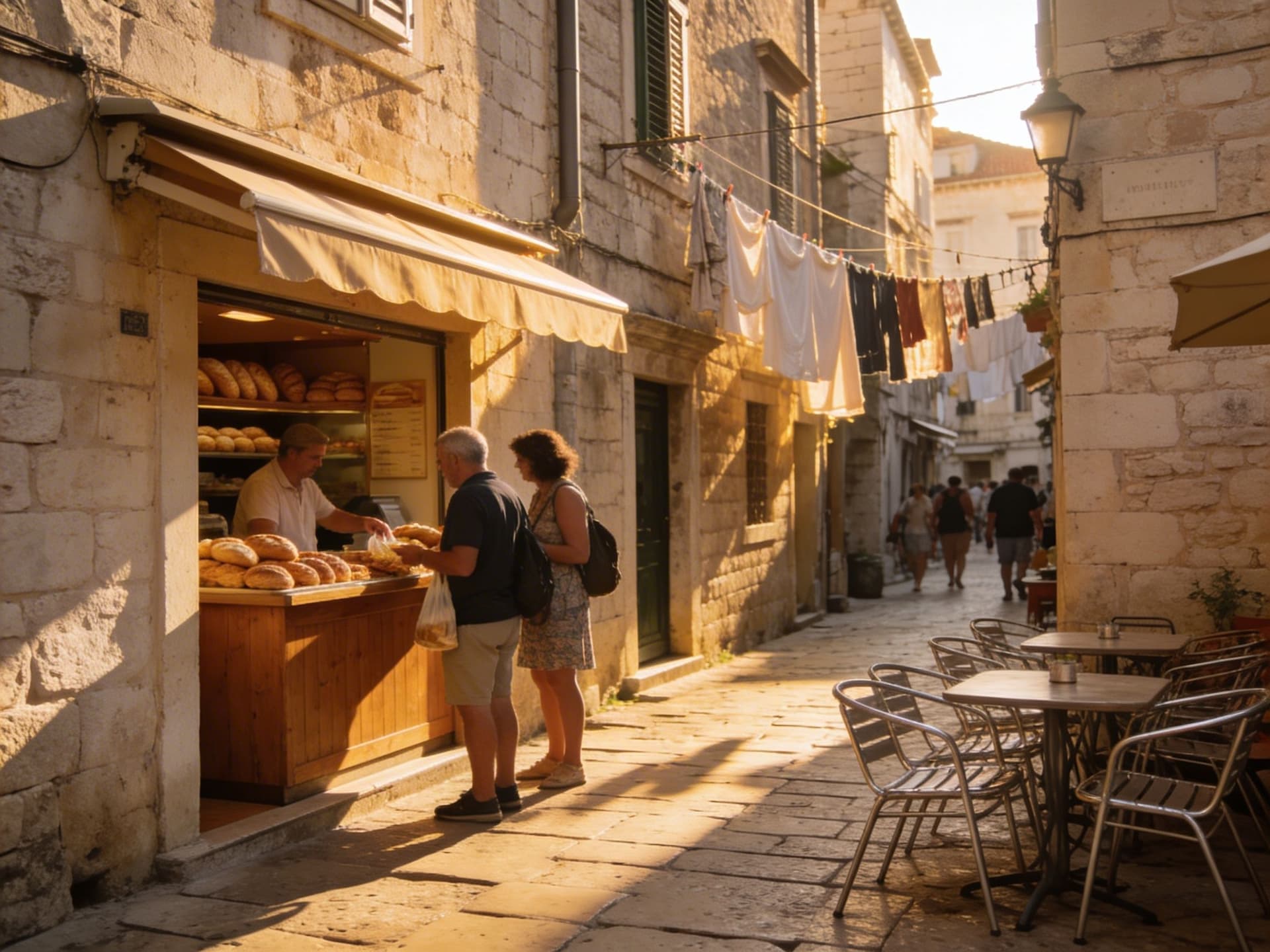
Walk Veli Varos at dawn: laundry lines, local bakeries, neighbors chatting — real life that keeps year‑round rental demand steady among professionals who work in Split. Properties here are stone apartments with small terraces; they attract medium‑term renters (digital nomads, seasonal hospital staff) more than ultra‑short lets. That mix matters: it tempers vacancy risk compared with pure tourist hotspots and supports more stable net yields.
Food, markets, and the rhythm that shapes property value
From morning fish stalls in Zadar to family tables in Istria’s hill towns, Croatia’s food culture defines neighbourhood appeal. Areas near weekly markets or established konobas retain local demand outside summer — an underrated driver of long‑stay rentals. For investors, adjacency to these everyday amenities often correlates with lower turnover and higher long‑term occupancy than headline sea‑view listings.
- Lifestyle highlights that predict rental durability
- Morning markets (e.g., Dolac, Zagreb) — steady footfall supports weekday rentals
- University districts (Split, Rijeka) — long academic lets, predictable seasonality
Making the move: practical considerations that preserve lifestyle value
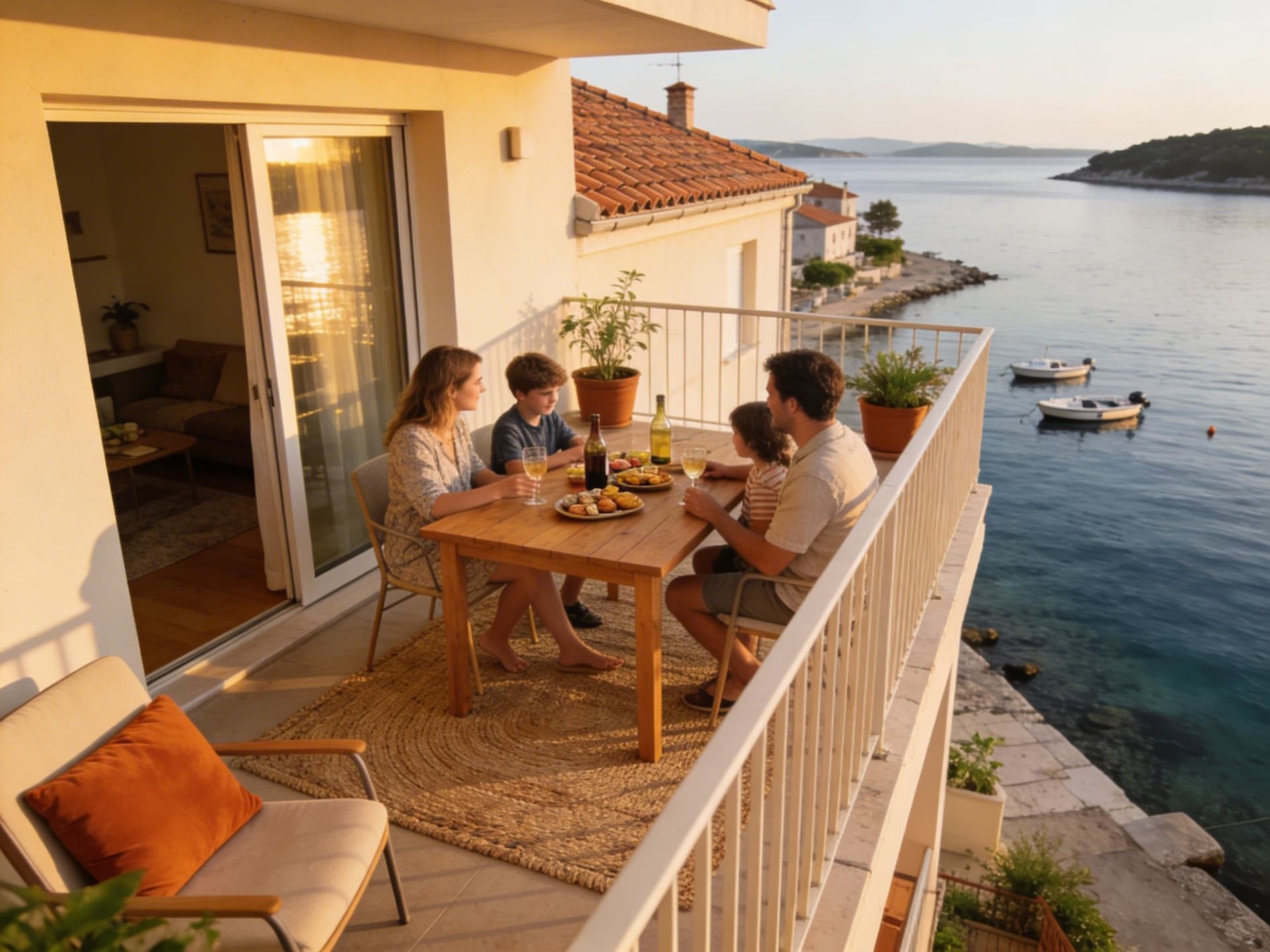
The dream of coastal life must reconcile with numbers. Housing price indices and market reports show double‑digit growth pockets, especially in Split, Dubrovnik and Istria. That means buyers must model both seasonal gross yields and an adjusted net yield that includes management, licensing and vacancy during off‑peak months. Use official indices to benchmark prices per square metre before assuming postcard premiums will translate to steady returns.
Property styles and how they map to real life
Stone town apartments: high desirability, limited modernisation potential — excellent for holiday income but often higher maintenance. New builds on city edges: lower entry price per square metre and easier energy‑efficiency upgrades — often better for year‑round leasing. Villas and sea‑view houses: headline value and capital appreciation potential, but heavier running costs and greater vacancy risk in shoulder seasons. Match type to intended tenancy profile before bidding.
Working with local experts who know the rhythm
Choose agents who ground listings in DZS price indices and local transaction comparables rather than asking prices alone. A good agency will supply recent sale evidence, explain county‑level differences, and introduce property managers who handle off‑season tenant sourcing. This local intelligence reduces the chance of overpaying where asking prices diverge significantly from achieved sale prices.
- Stepwise checklist to marry lifestyle goals with yield targets
- 1) Define your primary use (income vs occasional stay) and target net yield (after fees).
- 2) Benchmark price/m² in target county against DZS/Njuškalo data to identify 5–10% negotiation levers.
- 3) Model seasonality — assume 30–60% lower rents in off‑peak for coastal holiday properties; test medium‑term let scenarios.
Insider knowledge: what expats wish they’d known
Many expats are surprised by Croatia’s two‑speed housing reality: booming coastal demand versus affordable continental pockets. Local wages and housing access shape tenant profiles; in cities like Zagreb, long‑term renters are often younger locals or international students, while islands and Dalmatian towns attract tourists and short‑let clientele. Understand how local demographics affect pricing elasticity and tenant behaviour before assuming a single rental strategy fits all properties.
Cultural integration and everyday living
Croatia rewards long‑term relationship building. Landlords who work through local managers, learn basic Croatian phrases and engage neighbours tend to see smoother tenancies and fewer disputes. Practical small customs — register with local municipality, respect waste sorting rules, and time renovations outside peak tourist weeks — pay off both socially and financially.
Longer horizon: how lifestyle shapes capital growth
Expect capital growth where infrastructure, tourism diversification and local employment grow together. Istria’s year‑round culinary and wine tourism, Split’s medical and university services, and Zagreb’s steady urban demand are structural positives. Purely seasonal islands can appreciate, but often depend on limited inventory rather than stable local incomes — a trade‑off investors must price into expected returns.
- Red flags seasoned buyers watch for
- Overreliance on peak‑season ADR — stress‑test for shoulder months
- Listings priced without transaction evidence — request recent sale deeds
- Ignoring local management capacity — check reviews and references
Conclusion: fall for the life, buy with the ledger open. Croatia delivers a rare synthesis of Mediterranean lifestyle and EU stability — but returns vary dramatically by micro‑location and tenancy model. Start with the sensory: pick towns where you can picture daily life. Then run the numbers against DZS and market portals, engage an agency that brings verified comparables, and stress‑test for seasonality. That combination preserves the romance while protecting yield.
Dutch investment strategist who built a practice assisting 200+ Dutch clients find Spanish assets, with emphasis on cap rates and due diligence.