Where France’s Transport Map Really Shapes Returns
France offers lifestyle variety — but returns track access. Recent INSEE data show 2025 stabilisation; buyers who pair neighbourhood charm with verified transport timelines limit risk and improve yields.
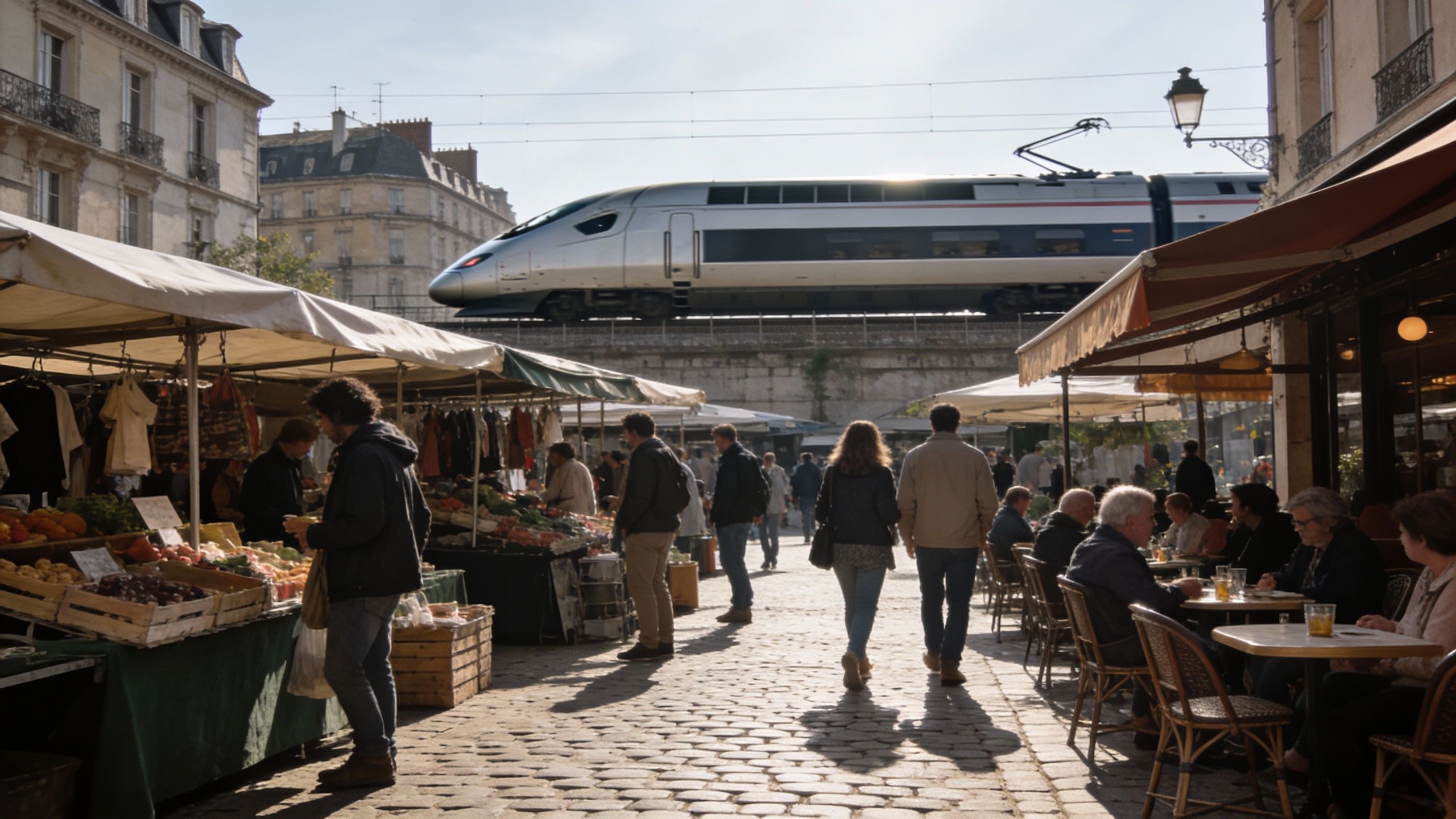
Imagine sipping a café crème on a rainy morning in Canal Saint‑Martin, then boarding a TGV an hour later for the Alps weekend — that compact blend of neighbourhood ease and national reach is France. Regions feel distinct: Paris whirs with layered transit and global business, Provence basks in slow markets and agrarian rhythms, and cities like Lyon and Bordeaux balance local life with fast rail links. For international buyers this means lifestyle choices are inseparable from transport nodes and infrastructure timelines. Recent data show France's national price momentum has stabilised and resumed modest growth in 2025, so where you plug into the network matters to both rentability and resale.
Living the French life — neighbourhoods and daily rhythms
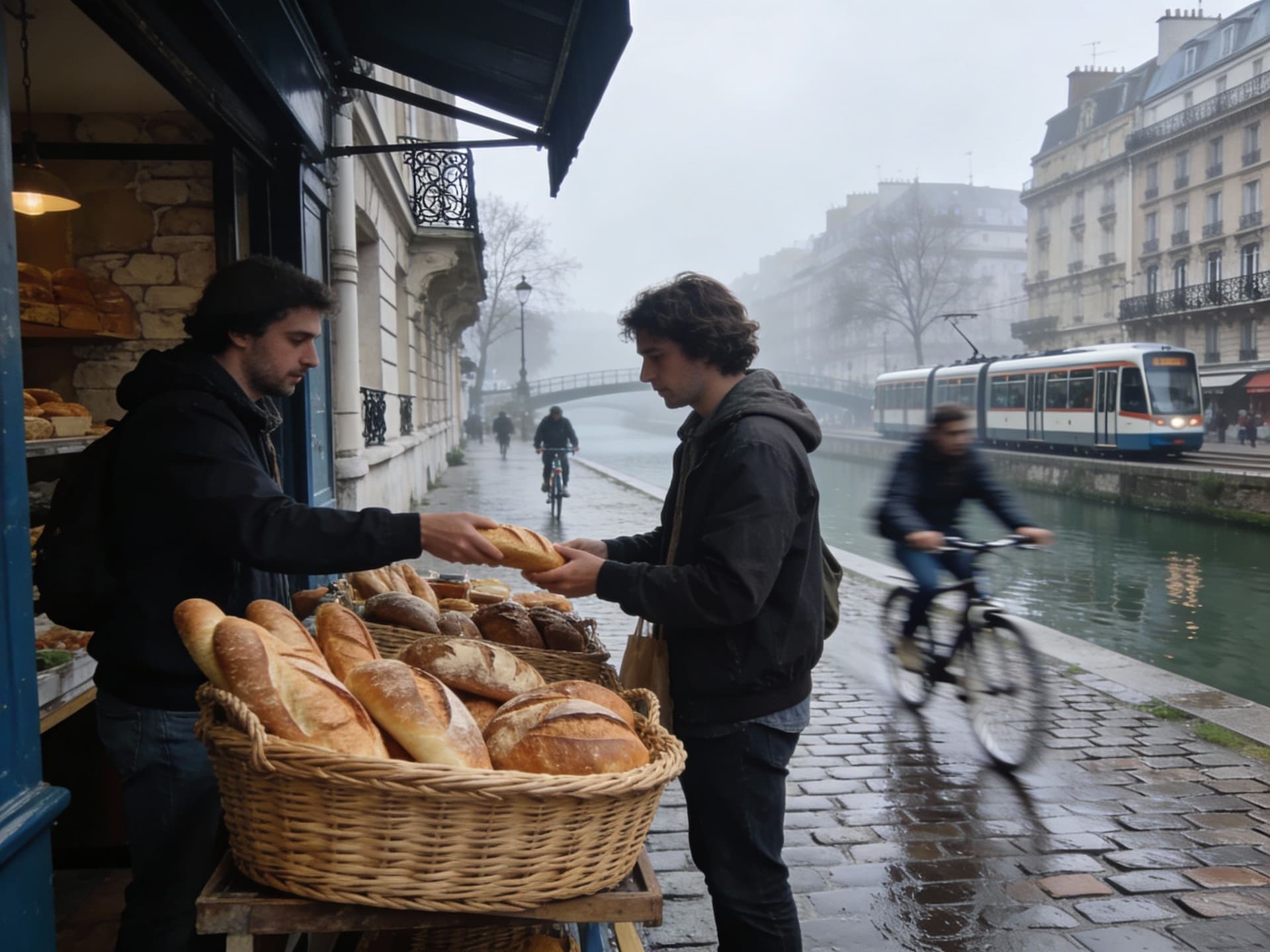
France's magic is small moments that stack into a life: morning markets, mid‑day strikes as a shared inconvenience, late dinners at a favourite bistrot. Streets define rhythm — Rue des Rosiers in the Marais feels like a living museum of shops and Jewish bakeries, while Canal Saint‑Martin invites long, mobile‑working afternoons. Coastal towns like Nice centre life on promenades and beachside cafés; in Bordeaux the Chartrons quarter blends wine trade history with calm river walks. These rhythms shape which property types attract long‑term tenants: compact flats in central arrondissements, family houses near good rail hubs, and seasonal rentals in seaside communes.
Paris & inner suburbs: instant culture, complicated timelines
Paris remains the clearest example where infrastructure equals price. New metro links (Grand Paris Express) will reshape commuting catchments — but timelines slip. Delays announced in 2025 push some station openings into late 2026–2027, which changes the immediate arbitrage for buyers expecting instant uplift. If your investment case counts on a 2025‑style jump from a new station, you must stress‑test that assumption against construction and testing schedules.
Regional cities: Lyon, Bordeaux, Nantes — faster returns from better connectivity
Second‑tier cities combine lower entry prices per m² with strong domestic rental demand because of universities, hospitals and corporate hubs. Lyon’s Presqu’île and Part‑Dieu benefit from TGV and metro links; Bordeaux’s Chartrons and Saint‑Michel profit from improved rail links to Paris and regional airport connectivity. For yield‑minded buyers, these cities often offer higher gross yields than Paris while preserving price‑growth optionality as national rail and business links strengthen.
Making the move: infrastructure, market timing and the data

France’s national price cycle stabilised through 2024 and returned to modest growth in 2025. INSEE reported a rebound in Q1 2025 and stability through Q3, indicating recovery is underway but uneven between regions. That matters: buying near an infrastructure project that’s delayed can compress short‑term returns; buying where services already function tends to lower execution risk. Use national indices to spot cycle direction, then local transport timelines to time micro‑bets.
Property styles that match connectivity-led lifestyles
Match property form to the network. In Paris and inner suburbs, compact 1–2 bed apartments near metro nodes rent year‑round to young professionals. In regional cities, 2–3 bed flats close to university campuses or tram stops yield stable mid‑term returns. In the coastal South, prioritise homes with reliable road access and off‑season utility (heating/insulation) rather than pure sea view glamour — seasonality compresses year‑round yield if access is weak.
How to blend lifestyle and transit when you buy
1. Score the commute: estimate door‑to‑door travel times to key demand generators (universities, business districts, airports) and model rent sensitivity per 10‑minute band. 2. Confirm project delivery: check operator and builder press releases for Grand Paris Express, TGV timetable changes or airport upgrades — don’t rely on single press articles. 3. Stress‑test seasonality: in seaside towns, model occupancy across 12 months not just July–August. 4. Verify local rental rules: short‑term rental controls vary by commune and affect gross yield assumptions.
Insider knowledge: what expats and investors usually miss
Buyers often romanticise the Riviera or central Paris without accounting for two pragmatic facts: (1) infrastructure timelines reshape neighbourhood desirability more than aesthetics; and (2) connectivity to employment hubs determines occupancy and professional tenant pools. A nice terrace in a poorly connected village can be charming — but if a tenant needs a 90‑minute commute every day, vacancy risk rises. Conversely, modest units in well‑connected suburbs can outperform high‑end seasonal villas on net yield.
Cultural and operational nuances that affect life and returns
French tenancy law (stable contracts, tenant protection) reduces turnover but can lengthen eviction timelines — that’s good for predictable cashflow but raises the importance of tenant screening and long‑term property care. Local customs — the centrality of weekly markets, midday closures, and municipal urban planning priorities — influence both tenant preferences and renovation approvals. Work with bilingual agents who understand mairie (town hall) planning cycles and tram/metro phasing to avoid unexpected permit delays.
On‑the‑ground checklist before you commit
• Confirm actual service: walk the route between property and nearest station at peak and off‑peak times. • Ask for delivery proof: if value depends on a new line, request the project’s latest testing or commissioning reports. • Model yields with conservative occupancy (60–70% for seasonal, 85–90% for urban long‑let). • Prioritise properties within 10–15 minutes of reliable public transport for urban assets; 30–40 minutes can work for regional commuter towns with fast rail. • Factor refurbishment timelines: older French stock often needs elektrische/radiateur upgrades and insulation to meet rental market expectations.
Conclusion: France sells a lifestyle first and transport second — which is why infrastructure is the invisible return driver. National indices show modest recovery in 2025, but the real lever for yield and capital growth is connectivity: existing metro and TGV links reduce execution risk; planned projects offer upside only when you price in delivery risk. Start with lifestyle — pick the neighbourhood you want to live in — then validate the numbers against transport realities, project timelines and local rental mechanics. When in doubt, ask for recent commissioning proof, compare rent comps by commute time, and work with an agent who knows both the café on the corner and the council office where permits live.
British expat who moved to the Algarve in 2014. Specializes in portfolio-focused analysis, yields, and tax planning for UK buyers investing abroad.