Island Hype vs. Yield: Where Greece Pays Off
Greece’s postcard hype distorts yield signals — buy where year‑round tenant demand, realistic rents and local management transform summer peaks into reliable returns.
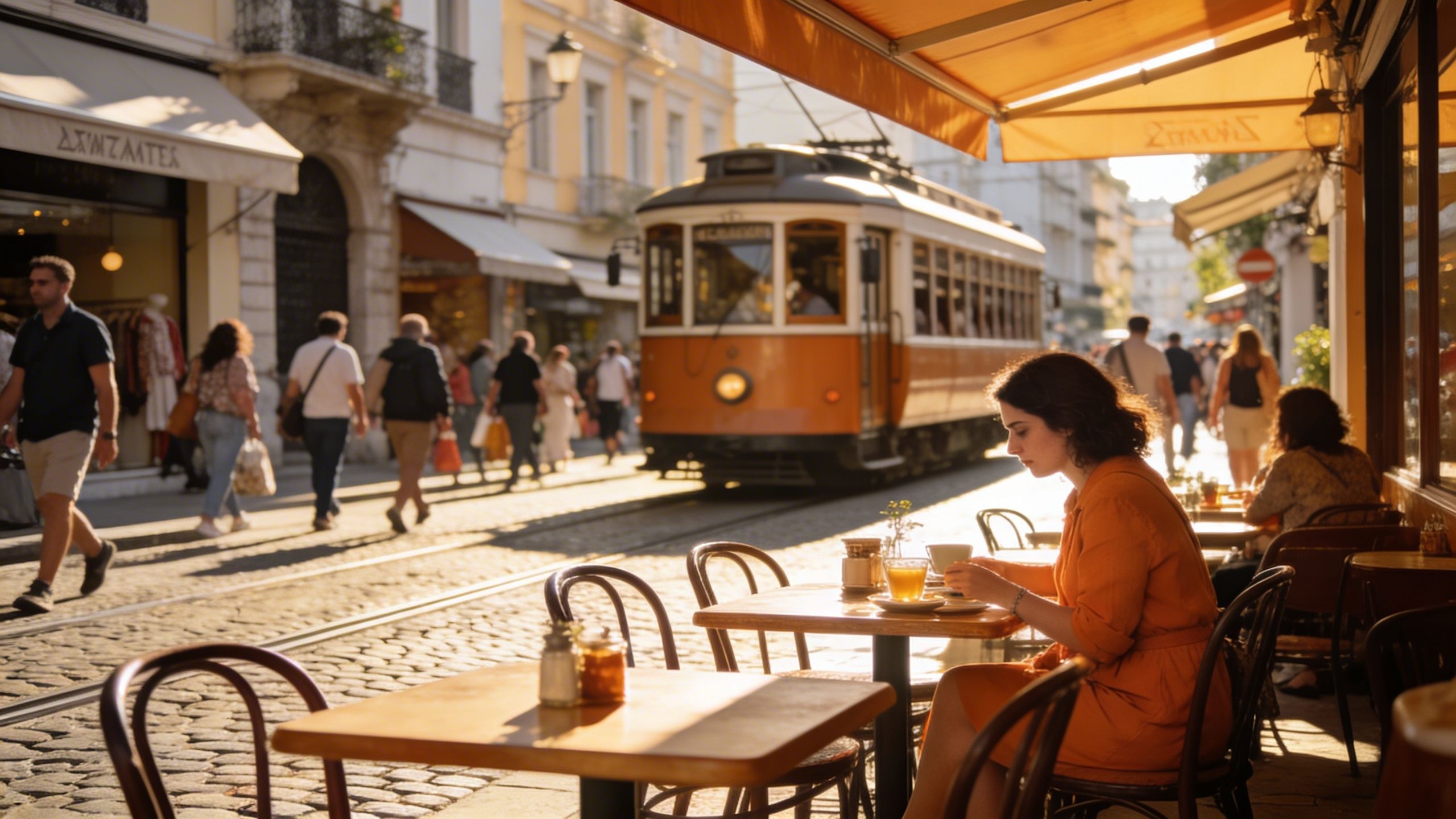
Imagine sipping a strong espresso at the corner kafeneio in Kifisia, then stepping onto a tram that drops you at Athens’ Neoclassical heart by noon. Greece sells itself through sunlit streets, tavernas, and island postcards — but the investment story is quieter, measured in cap rates and seasonal demand rather than sunsets.
Living the Greece lifestyle: rhythm before postcard
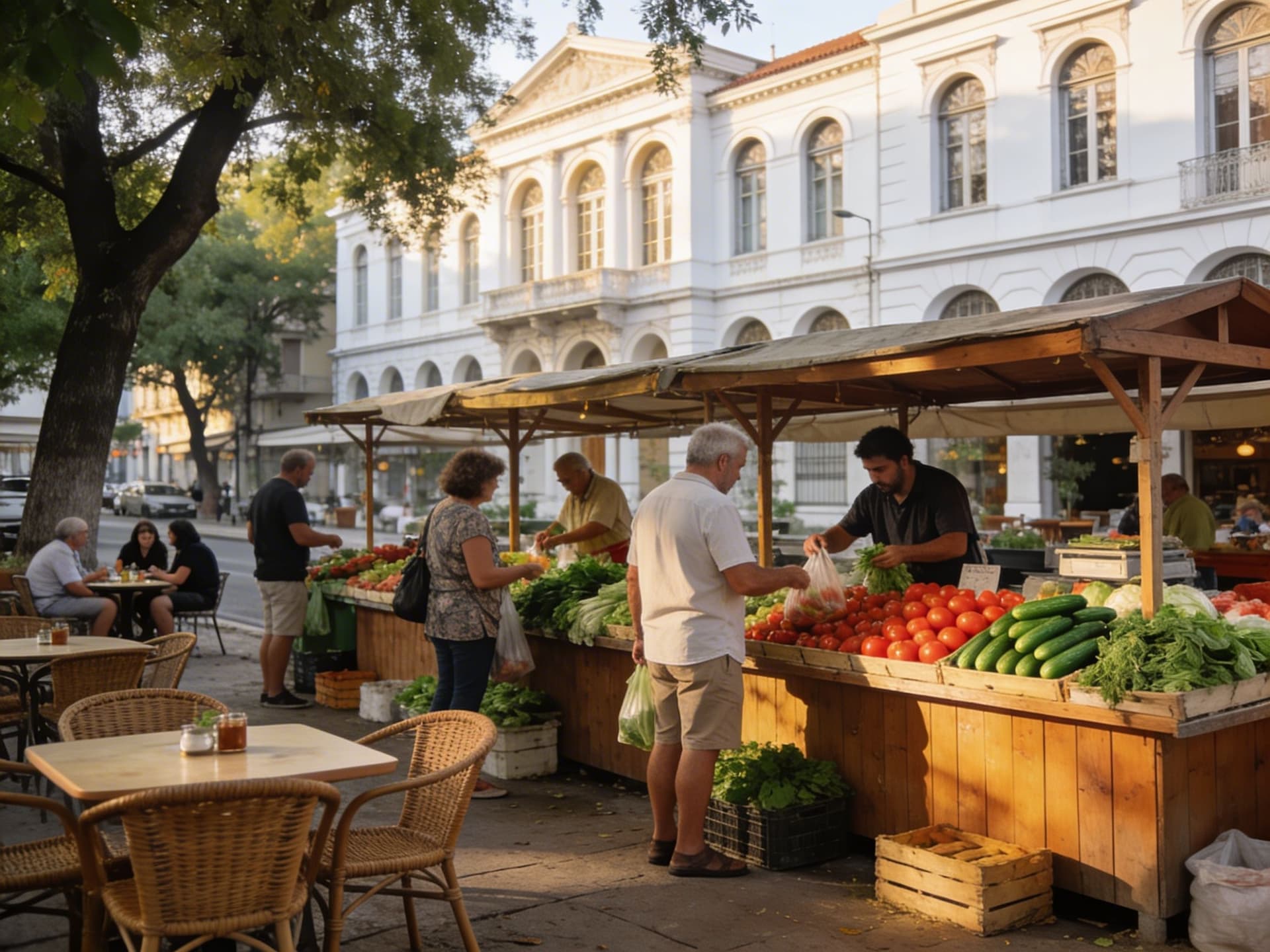
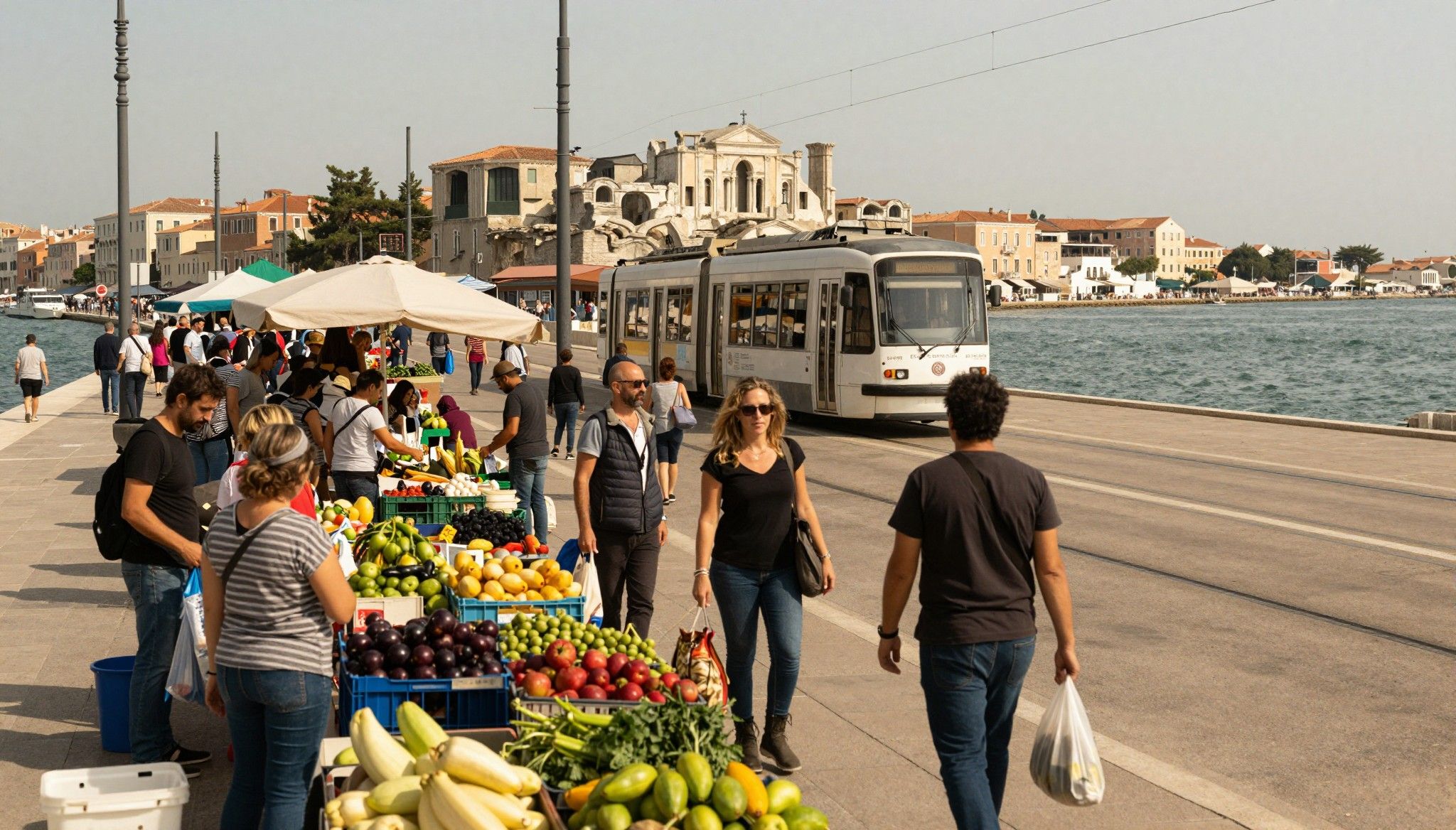
Daily life in Greece folds around neighbourhood rituals: morning markets in Chalandri, late siestas on island afternoons, and lively plate-sharing dinners that stretch well past midnight. For an international buyer the appeal is tangible — sea access, walkable historic centres, and a café culture that turns ordinary streets into social infrastructure.
Athens neighbourhoods: contrast and character
Kolonaki’s polished cafés and museum access make it desirable but expensive; yields there compress. By contrast, neighbourhoods such as Kipseli, Exarchia and Ano Petralona combine lower entry prices with strong long-term rental demand from students and young professionals — the profile that typically produces 6–8% gross yields on smaller units. These micro-differences determine whether you buy a lifestyle or an income stream.
Island life: festivals, seasonality, and real tenant demand
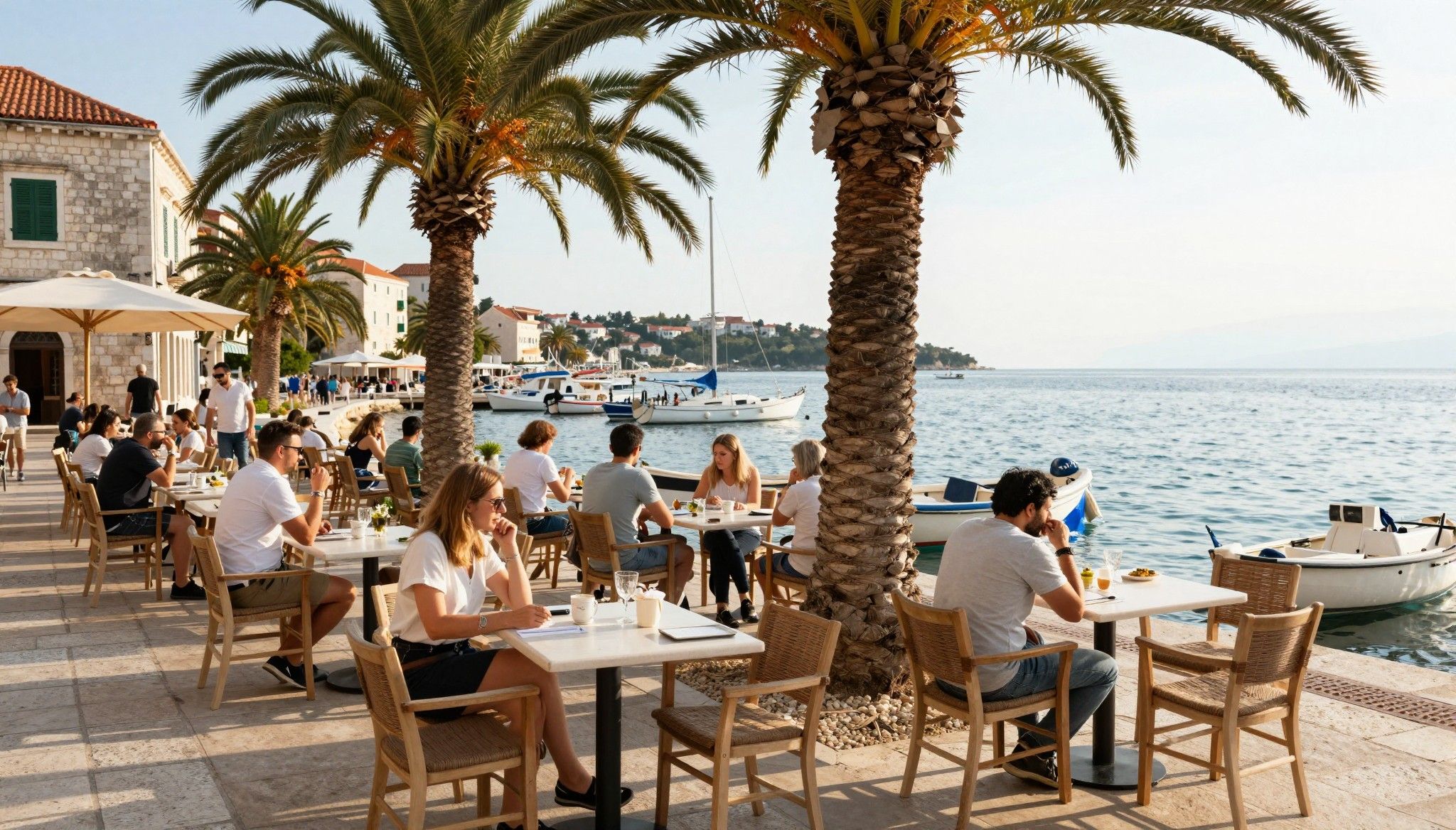
Islands like Mykonos and Santorini generate headline rents in high season but also face overtourism controls and visitor fees that reshape short‑let economics. Nationwide arrivals surged in 2024, extending seasonality in many regions, but crowds don’t always equal reliable year‑round tenancy — and that matters for net yields and management overhead.
- Lifestyle highlights: neighbourhoods, markets and small rituals
- Kifisia morning market: farm produce and neighbourhood cafés
- Plaka walks after work: historic lanes and modest rental floors above shops
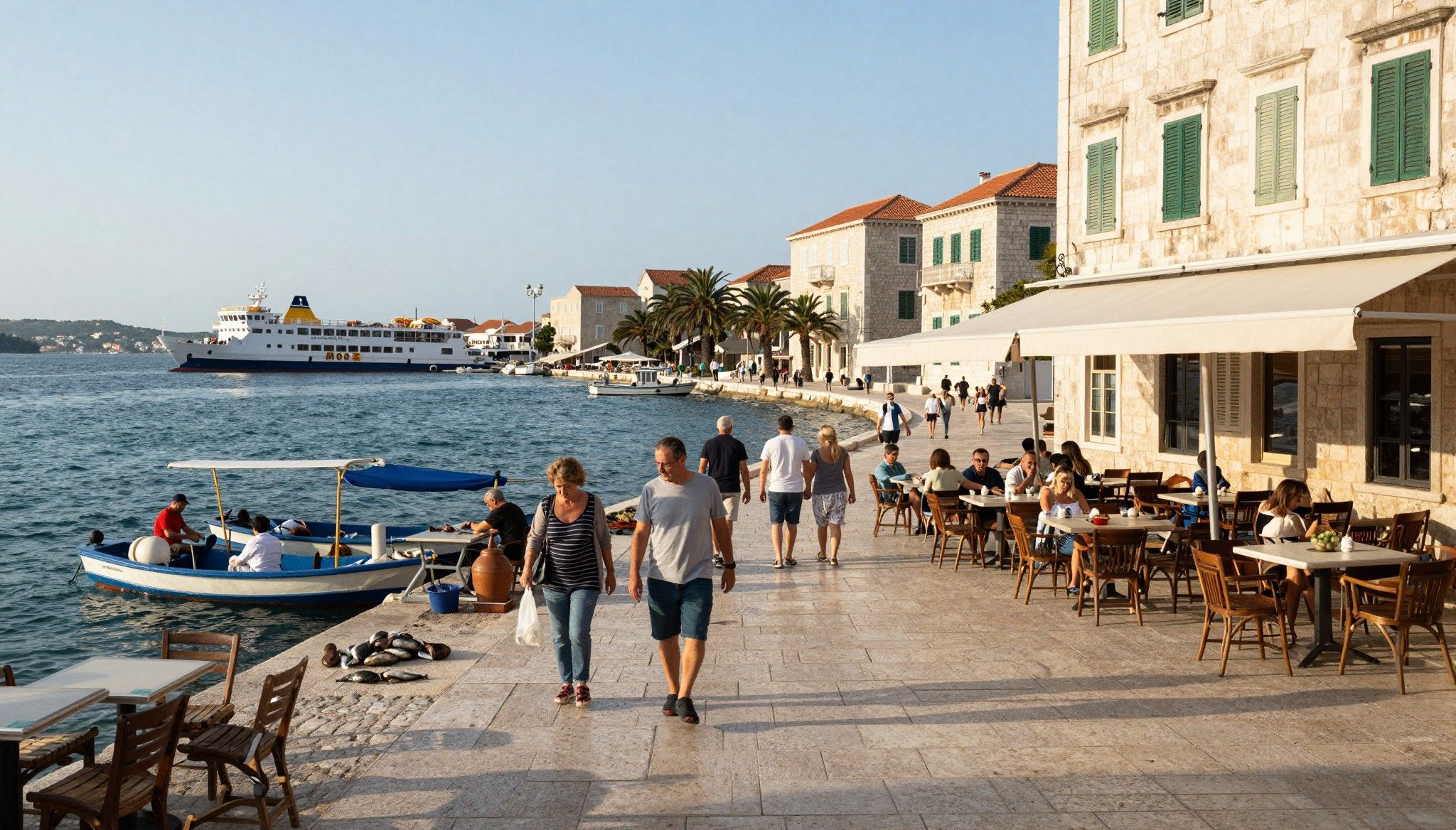
- Chania’s old harbour: year‑round local demand and seasonal peaks
Making the move: practical considerations that preserve yield

Lifestyle scenes sell the dream; yield depends on three measurable things: price per square metre at purchase, realistic annual rent (gross), and net operating costs. In Greece, that means testing holiday-season assumptions, factoring management and vacancy, and choosing locations where year‑round tenants exist.
Property styles and what they mean for returns
Small, well‑renovated city apartments (1‑bed/studio) usually deliver higher percentage yields because purchase price is lower and demand from renters is constant. Larger family homes or luxury seafront villas command higher absolute rents but often produce lower cap rates. Investors seeking income in Greece often prioritise compact units near transport and universities.
Working with local experts who know the rhythm
- 1. Engage an agent with track record in both short‑let licensing and long‑term leasing; they flag areas where tourist demand inflates headline yields but not net income.
- 2. Commission a local rent comparables report and expense model (including property tax, insurance, management fees).
- 3. Prioritise connectivity: properties within a 20‑minute transit band to major employment or university hubs show steadier annual occupancy.
- 4. Stress‑test for regulatory changes and visitor levies (island cruise fees and caps already affect short‑let revenue in 2025).
Insider knowledge: red flags, cultural cues, and expat realities
Expats often misread tourist energy as stable rental demand. The reality: some island markets are two‑tier — explosive summer cashflow and winter vacancy. Successful buyers treat summer income as a bonus and underwrite investment on 9–11 months occupancy at conservative rents.
Cultural integration that affects tenancy
Language and local customs matter for property management: small maintenance issues are often resolved faster when you work with a Greek manager who knows local tradespeople and municipal processes. Respect for building culture — e.g., acceptance of shared courtyards and noise norms — affects tenant satisfaction and turnover.
Long‑term lifestyle sustainability: when to prefer city over coast
If you want steady year‑round rental income and services, invest in cities with diversified economies (Athens, Thessaloniki, Heraklion). If your priority is seasonal lifestyle and premium short lets, choose islands that are implementing visitor management — because those policies will determine whether high summer rents persist or compress.
- Red flags to watch
- Heavy reliance on cruise arrivals or day‑visitors (policies now limit daily cruise guest numbers and add arrival fees).
- Seasonal employment patterns that reduce off‑season rental demand in resort towns.
Conclusion: buy for the rhythm, structure for the yield. Fall in love with a Greek street, but underwrite returns with comparable rents, conservative occupancy assumptions, and a local management plan. If you treat summer income as a bonus and choose properties that attract year‑round tenants, Greece can deliver balanced returns and an unmistakable lifestyle.
British expat who moved to the Algarve in 2014. Specializes in portfolio-focused analysis, yields, and tax planning for UK buyers investing abroad.