How Croatia’s New Rules Are Repricing Yields
Croatia’s irresistible lifestyle meets new regulatory realities: short‑let caps, co‑owner consent rules and municipal property taxes are reshaping yields — align lifestyle with compliant assets.
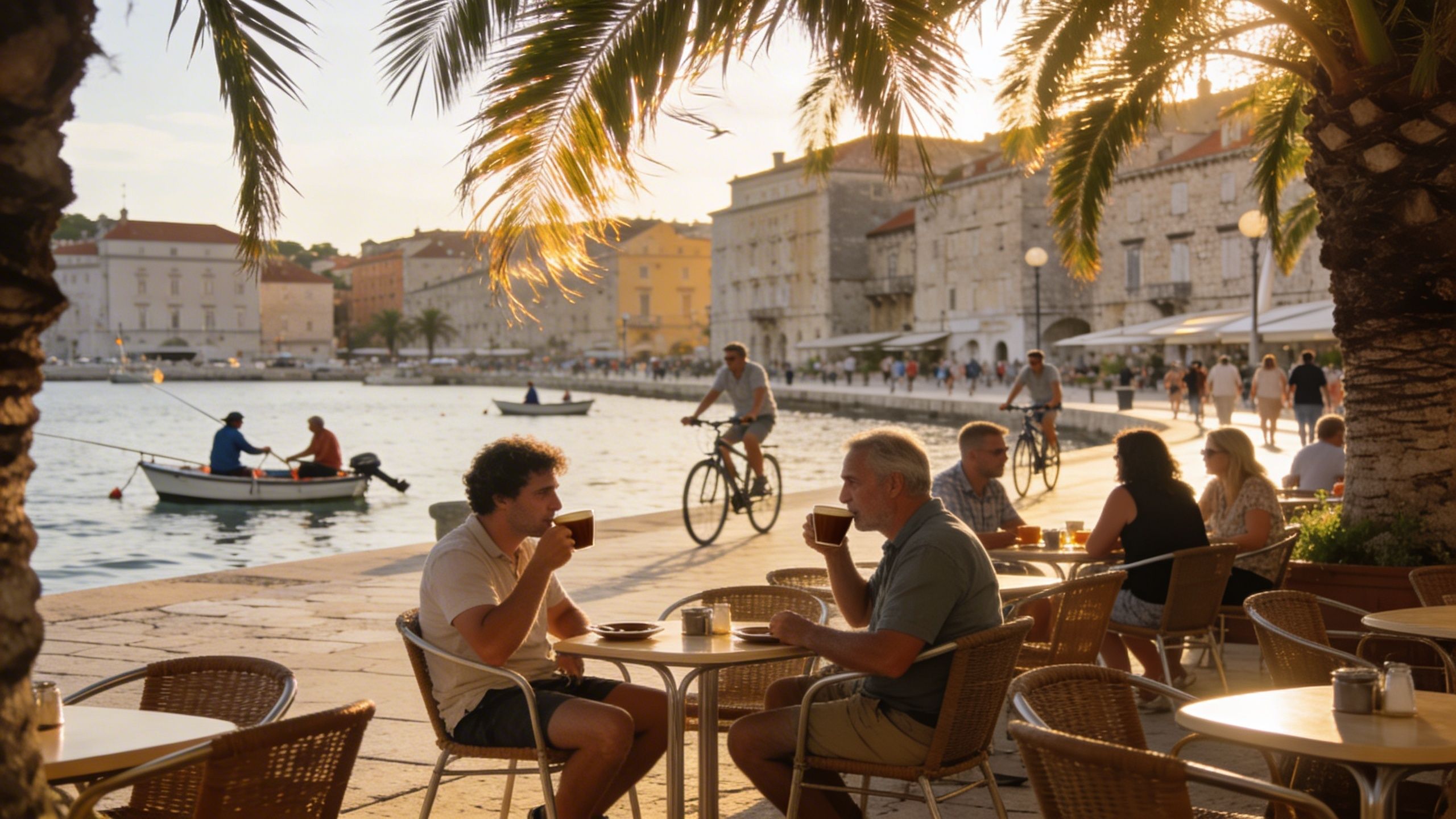
Imagine sipping espresso on Split’s Riva as fishermen mend their nets and a boutique apartment two streets back earns reliable long‑term rent when summer tourists leave. Croatia’s daily rhythm — sea-scented mornings, lively markets, and compact historic cores — is why buyers fall in love. But recent regulatory shifts around short‑lets, property tax and foreign purchase approvals are changing the arithmetic of returns. Read this to match the lifestyle you want with the new rules that actually determine yield.
Living the Croatia lifestyle — beyond the postcard
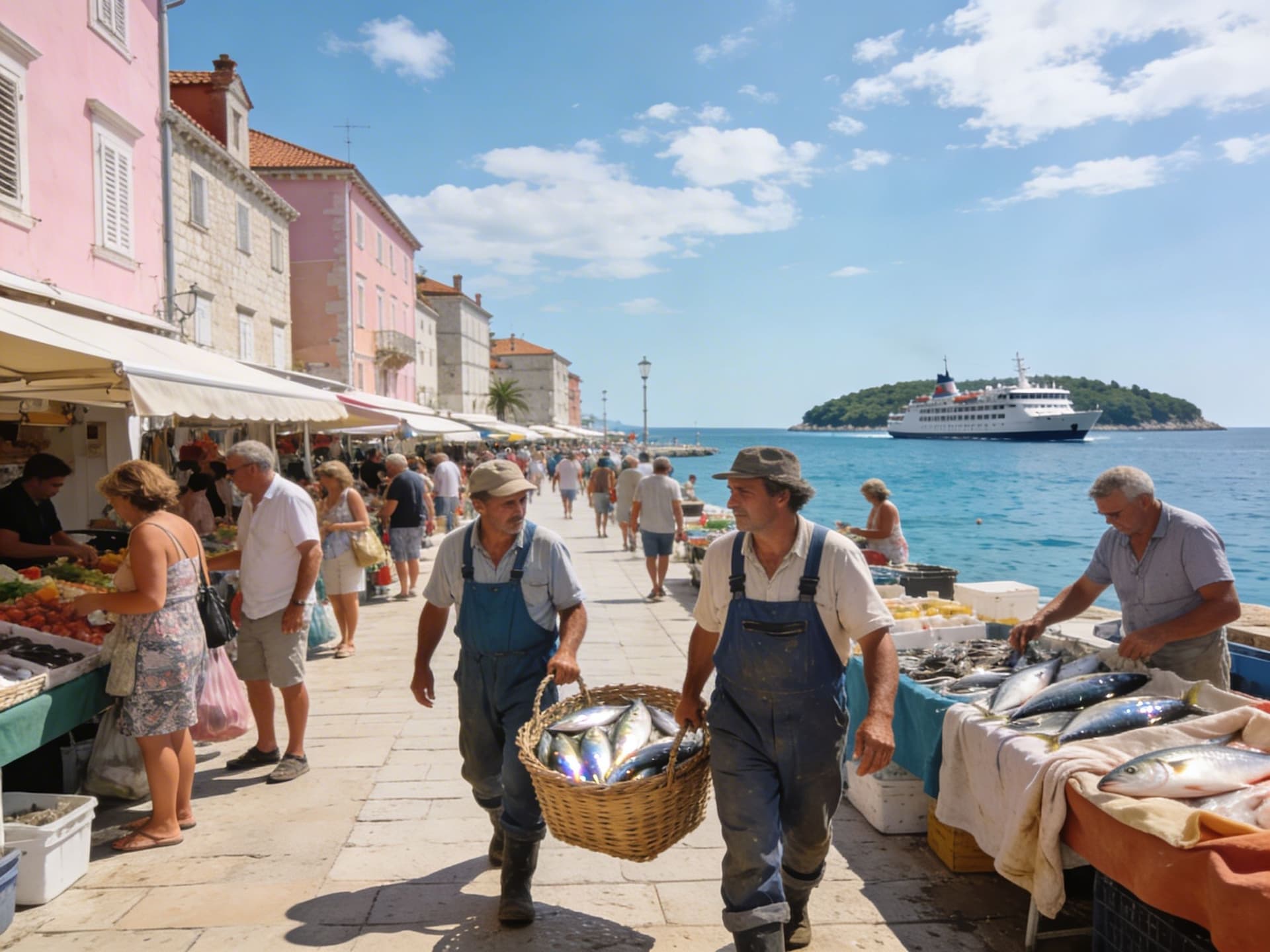
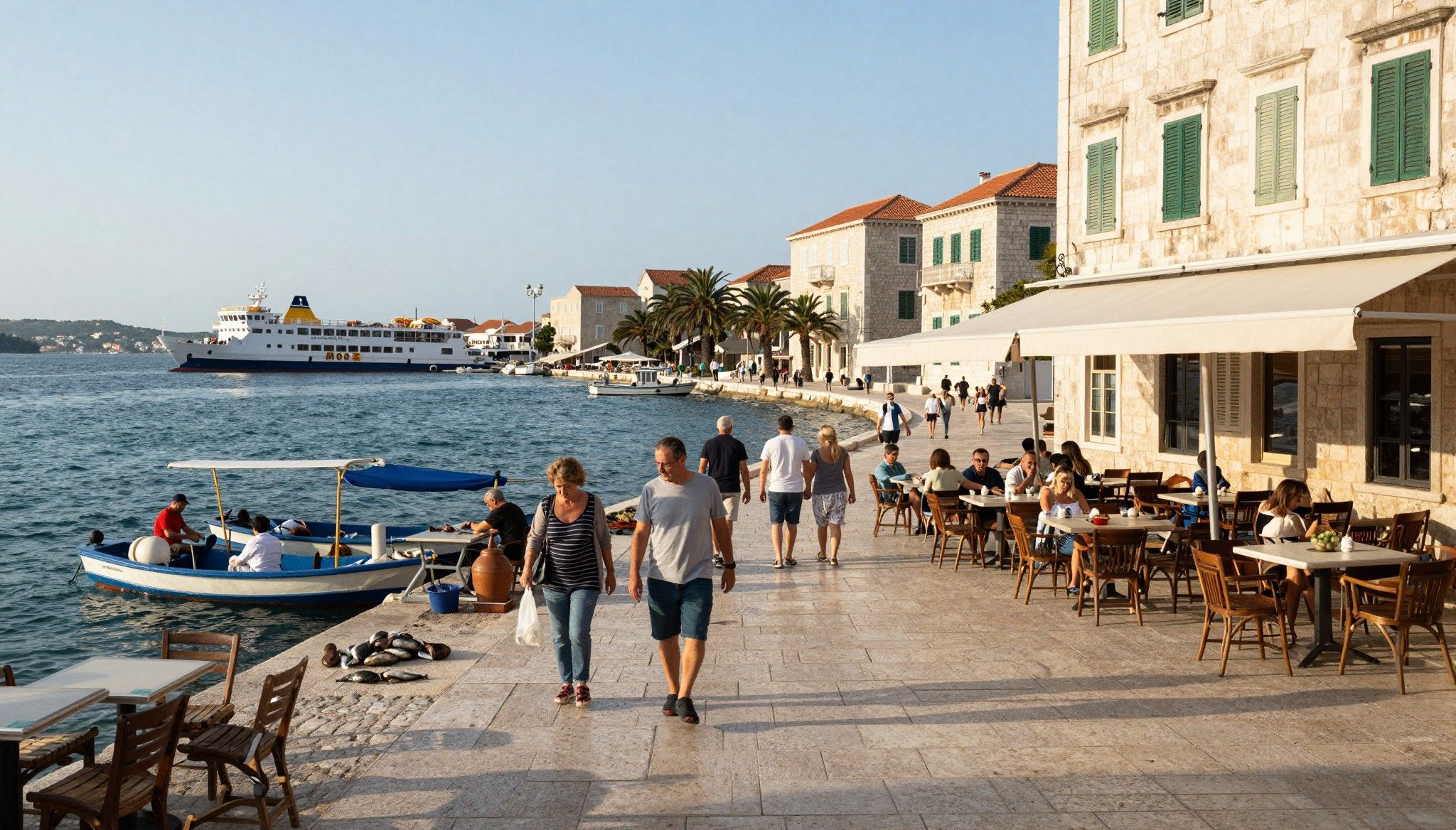
Croatia feels like layered time: Roman walls in Split, Habsburg facades in Rijeka, sleepy olive groves inland and crystalline Adriatic coves. Daily life is compact and pedestrian; coffee culture centers around small kafes where names are learned fast. The coastal towns pulse in summer and hush in winter, while Zagreb hums year‑round with cultural calendars that buoy rental demand outside the tourist belt.
Neighborhood spotlights: Split’s Veli Varoš and Zagreb’s Kvatrić
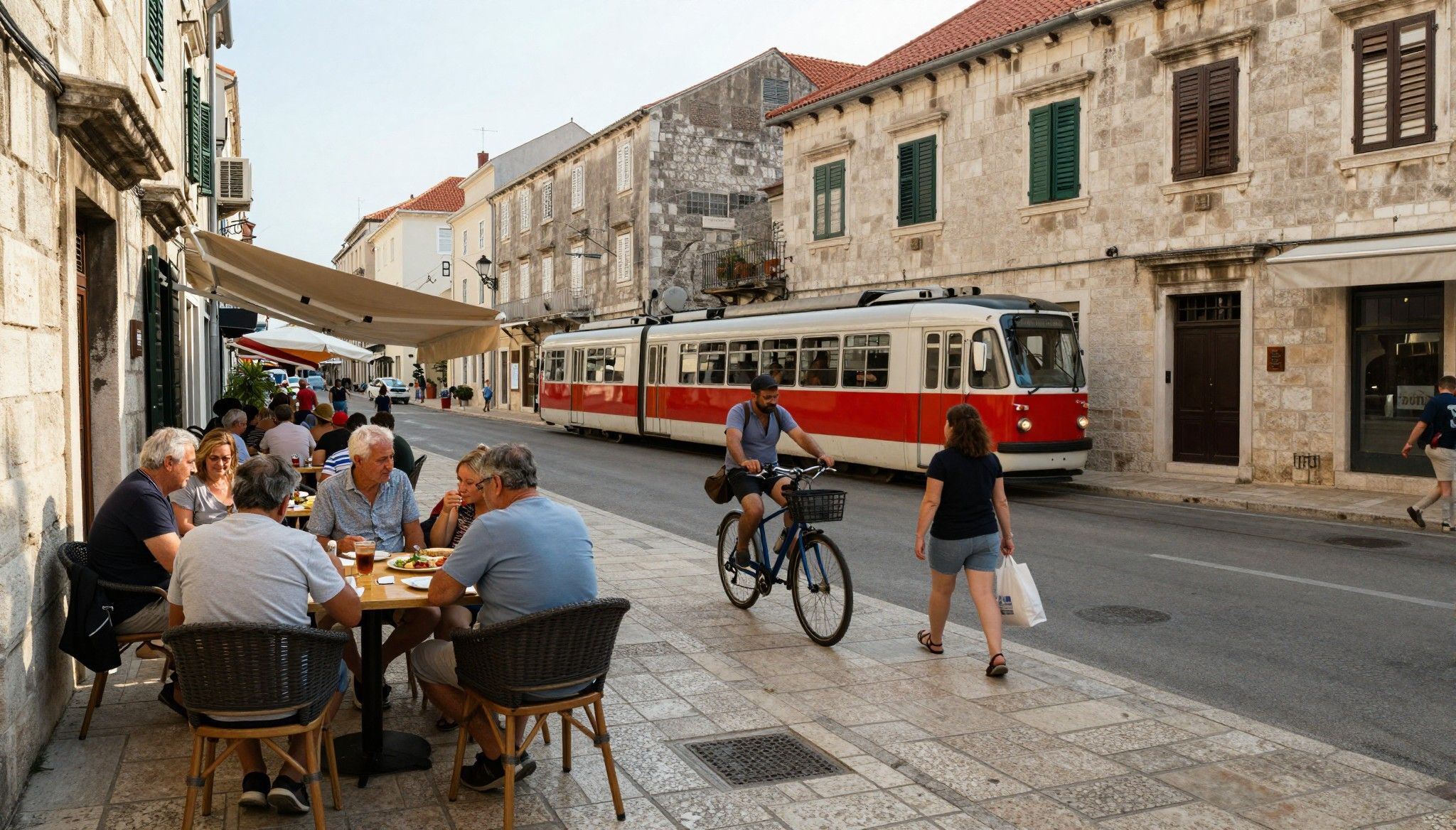
Veli Varoš (Split) is the kind of street where fishermen’s wives hang laundry and small konobas serve baos of grilled fish; apartments here rent well to tenants seeking authentic coastal life rather than high‑turnover tourists. Kvatrić (Kvaternikov trg area, Zagreb) blends markets, tram links and compact apartments attractive to year‑round renters — an investor’s hedge against seasonality.
Food, markets and weekend routines that shape property choice
Weekend life — Dolac market in Zagreb, fish markets at Split’s Port, island farmers’ stalls — determines what tenants value: kitchens that work, storage for seasonal gear, easy access to transport. Properties near markets, ferries or tram lines command steadier long‑term demand and reduce vacancy risk compared with pure postcard sea‑views.
- Lifestyle highlights: fresh morning markets (Dolac, Split market), ferry-linked islands (Brač, Hvar), kafes on Riva, konobas in old towns, green promenades (Marjan, Zrinjevac), and compact tram-connected apartments in Zagreb.
Making the move: practical considerations after regulatory change

New proposals and enacted changes—municipal power to cap tourist licences, stricter co‑owner consent rules, and a move toward property‑based tax rates—mean the simple short‑let playbook is outdated. These regulatory levers directly reprice net yields; they change whether you target seasonal tourists, long‑lets, or a mixed model.
Property styles and what they deliver for returns
Stone apartments in old towns deliver premium nightly rates but face tighter short‑let consent and higher seasonal risk. Modern apartments near transit and hospitals perform better as long‑lets year‑round. Villas on islands can still outperform if you secure multi‑month leases or operate under municipal allowances that favour regulated tourism businesses.
Working with local experts who know both lifestyle and the law
- 1. Choose an agency experienced with hospitality law and municipal planning to identify properties outside moratoria. 2. Use a local lawyer to assess whether land needs Ministry consent for non‑EU buyers; this affects timelines and contract validity. 3. Model yields under multiple scenarios: (a) allowed short‑lets, (b) long‑let conversions, (c) property‑taxed short‑lets. 4. Factor in transfer tax (typically 3% on market value) and the new municipal property tax schedules when calculating net yield.
Insider knowledge: the rules that change valuation (and how to profit responsibly)
Enforcement is tightening. Platforms will be required to delist unregistered properties under proposed rules, and municipalities can limit new licences in overcrowded zones. That shifts value toward units that already comply or properties that fit long‑term demand — a structural repricing that creates pockets of opportunity for disciplined buyers.
Cultural and practical red flags expats miss
- Obtain co‑owner consent history before bidding; ignore listings that lack eVisitor or registered tourism licences; confirm ferry schedules if buying island property; check municipal property‑tax proposals — local rates vary widely and can flip an investment from cashflow positive to negative.
Long‑term lifestyle vs short‑term yield — a hybrid play
Smart buyers increasingly plan for dual use: rent long‑term outside summer, switch to regulated short‑lets in high season where permitted, or lease to professionals and digital nomads. That reduces regulatory exposure while preserving lifestyle value when you visit.
- 1. Map municipal short‑let caps and existing licences. 2. Price in a property‑tax surcharge (0.6–8 €/m² reported in many municipalities). 3. Plan for consent timelines if you are a non‑EU buyer (or use a Croatian company structure). 4. Stress‑test cashflows under enforced delisting scenarios.
Conclusion: Croatia’s lifestyle is real, but returns now depend on regulatory fit as much as location. Prioritise properties with compliant histories, diversify across seasonality, and partner with local legal and agency experts who translate seaside charm into resilient yield.
Swedish financier who guided 150+ families to Spanish title deeds since relocating from Stockholm in 2012, focusing on legal and tax implications.